




What are Microbes Definition Types Structure and Functions
The concept of Microbes is essential in biology and helps explain real-world biological processes and exam-level questions effectively.
Understanding Microbes
Microbes refers to tiny living organisms that are not visible to the naked eye and can only be seen under a microscope. These microorganisms include bacteria, viruses, fungi, protozoa, and archaea. This concept is important in areas like human health, agriculture, the environment, and biotechnology.
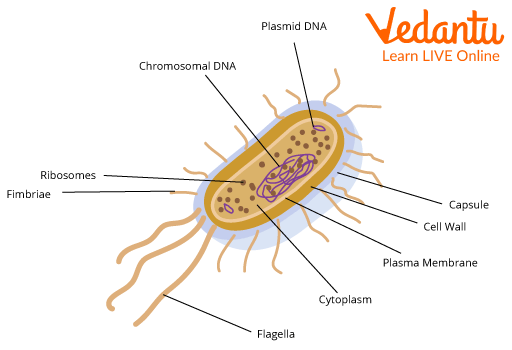
Types and Classification of Microbes
Microbes can be classified into several main types based on their structure and functions. Knowing the types and their roles helps with exam revision and clarifies key concepts.
- Bacteria: Unicellular prokaryotic organisms found everywhere – in soil, water, air, and living bodies.
- Fungi: Organisms like yeast and molds. Some are useful (in food production) while others can cause disease.
- Viruses: Non-cellular entities that can reproduce only inside living cells of a host.
- Protozoa: Unicellular eukaryotic microbes. Examples include amoeba and paramecium.
- Archaea: Prokaryotes similar to bacteria, but often found in extreme environments (like hot springs or salt lakes).
Importance of Microbes in Daily Life
- Help in decomposing dead organic matter.
- Fix atmospheric nitrogen, making it available for plants.
- Aid in the digestive processes in humans and animals.
- Used in the production of antibiotics and vaccines.
- Essential for making fermented foods like curd, bread, and cheese.
- Some cause diseases in humans, animals, and plants.
Here’s a helpful table to understand Microbes better:
Major Types of Microbes
| Type | Example | Key Roles |
|---|---|---|
| Bacteria | E. coli, Rhizobium | Digestion, nitrogen fixation, disease |
| Fungi | Yeast, Penicillium | Fermentation, decomposition, antibiotics |
| Virus | Influenza virus, HIV | Causes diseases |
| Protozoa | Amoeba, Plasmodium | Disease, ecosystem balance |
| Archaea | Halobacterium | Survive in extreme conditions |
Difference Between Microbes and Microorganisms
The terms “microbes” and “microorganisms” are often used interchangeably. Both refer to living things too small to be seen without a microscope. However, 'microbes' is a broader term that may also include non-living infectious agents like viruses, while 'microorganisms' typically includes only living organisms such as bacteria, fungi, protozoa, and algae.
Pronunciation of Microbes
Microbes is pronounced as “my-krohbz”.
Common Mistakes to Avoid
- Confusing Microbes with only bacteria. Remember, viruses, fungi, protozoa, and archaea are microbes too.
- Forgetting useful functions. Not all microbes cause diseases; many are essential for life processes.
Real-World Applications
The concept of Microbes is used in fields like medicine (for vaccines and antibiotics), agriculture (in soil fertility and nitrogen fixation), and environmental science (bioremediation of pollutants). Vedantu helps students relate such topics to practical examples in daily life.
Practice Questions
- What are microbes? Name four major types with one example each.
- Explain how microbes are useful in agriculture.
- List ways microbes impact human health positively and negatively.
- Draw and label a diagram of a bacterial cell.
- How do viruses differ from bacteria?
Quick Revision Notes
- Microbes are tiny organisms seen only through a microscope.
- Major types: bacteria, fungi, viruses, protozoa, archaea.
- Found everywhere: air, water, soil, and living organisms.
- Helpful: decomposition, nitrogen fixation, food production.
- Harmful: diseases in plants, animals, and humans.
- Not all microbes are harmful; many are essential for life and industry.
In this article, we explored Microbes, its key processes, real-life significance, and how to solve questions based on it. To learn more and build confidence, keep practicing with Vedantu.
Expand your understanding:
- Kingdom Fungi: Deepen your understanding of fungi, a key type of microbe.
- Bacteria: Detailed biology, structure, and functions of bacteria.
- Virus: Learn about viruses, their structure and unique features.
- Useful Microorganisms: Read about the benefits of microbes in everyday life.
- Microbes in Human Welfare: The roles of microbes in health, agriculture, and industry.
- Microorganisms: Clarify the difference between microbe and microorganism.
- Harmful Microorganisms: Study microbes that cause diseases and spoilage.
- Biofertilizers: Understand how soil microbes improve plant growth.
- Nitrogen Cycle: Discover the role of microbes in global nutrient cycles.
- Types of Microorganisms: Explore various categories and their importance.
- Microbes as Biofertilizers: Learn about the application of microbes in agriculture.


FAQs on Microbes in Biology Structure Types and Importance
1. What are microbes?
Microbes are microscopic living organisms that are too small to be seen with the naked eye. They include diverse groups such as:
- Bacteria
- Viruses
- Fungi (yeasts and molds)
- Protozoa
- Microscopic algae
2. What are the main types of microbes?
The main types of microbes are bacteria, viruses, fungi, protozoa, and microscopic algae. They differ in structure and organization:
- Bacteria – single-celled prokaryotes without a true nucleus
- Viruses – non-living infectious particles that require a host cell
- Fungi – eukaryotes such as yeasts and molds
- Protozoa – unicellular eukaryotic organisms
- Algae – photosynthetic, mostly aquatic microbes
3. Are all microbes harmful to humans?
No, most microbes are harmless or beneficial, and only a small percentage are pathogenic. Beneficial microbes:
- Help in digestion (gut bacteria)
- Produce vitamins like vitamin K
- Decompose organic matter in ecosystems
4. What is the difference between bacteria and viruses?
The main difference between bacteria and viruses is that bacteria are living cells, while viruses are non-living particles that need a host cell to reproduce. Key differences include:
- Bacteria – single-celled, have cytoplasm and ribosomes, reproduce by binary fission
- Viruses – consist of genetic material inside a protein coat, replicate only inside host cells
- Antibiotics work against bacteria but not against viruses
5. How do microbes reproduce?
Microbes reproduce through various methods depending on their type. Common modes include:
- Binary fission – bacteria divide into two identical cells
- Budding – seen in yeasts
- Spore formation – in some bacteria and fungi
- Viral replication – viruses replicate inside host cells
6. Where are microbes found?
Microbes are found almost everywhere on Earth, including extreme environments. They inhabit:
- Soil and water bodies
- Air and dust particles
- Inside plants and animals
- Extreme habitats like hot springs and deep-sea vents
7. What is the role of microbes in the human body?
Microbes in the human body form the human microbiome, which supports digestion, immunity, and overall health. Their roles include:
- Breaking down complex carbohydrates in the gut
- Producing essential vitamins
- Protecting against harmful pathogens
8. How do microbes cause disease?
Microbes cause disease when pathogenic species invade the body, multiply, and damage tissues. This occurs through:
- Producing toxins
- Destroying host cells
- Triggering harmful immune responses
9. What are beneficial uses of microbes?
Microbes are widely used in food production, medicine, agriculture, and biotechnology. Important applications include:
- Fermentation for making yogurt, cheese, and bread
- Production of antibiotics like penicillin
- Nitrogen fixation by Rhizobium in plants
- Bioremediation to clean pollutants
10. What is fermentation in microbes?
Fermentation is an anaerobic process in which microbes convert sugars into energy and produce by-products like alcohol or lactic acid. During fermentation:
- Yeast converts glucose into ethanol and carbon dioxide
- Lactic acid bacteria produce lactic acid from sugars



