




Types of Sources of Water with Examples and Uses
Water is the foundation of life, but not all water is the same. Understanding the sources of water helps us grasp how humans, animals, and plants access this vital resource. This topic explains the main natural and man-made sources of water, their types, importance, and how we can protect them to ensure a sustainable future for all.
What are the Sources of Water?
Sources of water are locations or origins from where we obtain water for drinking, cooking, agriculture, and industrial needs. Even though about two-thirds of Earth’s surface is covered by water, only a small portion is fresh and suitable for daily use. Most available freshwater is found in specific sources, each vital for different purposes.
Natural and Man-Made Sources of Water
There are two main groups of sources of water: natural and man-made (artificial). Natural sources include rivers, lakes, streams, ponds, underground water, and rain. Man-made sources involve reservoirs, dams, canals, wells, and tube-wells created to store or extract water. Both types play a major role in supporting human societies and natural ecosystems.
Types of Water Sources
The primary types of sources of water are:
- Surface Water: Water present on Earth's surface in bodies like rivers, lakes, ponds, and reservoirs. It depends on rainfall and is commonly used in farming and urban supply.
- Groundwater: Water stored beneath the ground in porous rocks and aquifers. It is accessed using wells and is crucial for drinking and irrigation, especially in regions with less rain.
- Rainwater: Water that falls as precipitation. Often harvested and stored for later use, especially in places prone to drought.
Some regions also use artificial water sources such as dams and canals to ensure a steady water supply. For more about water’s role in the environment, see Environmental Issues.
Examples: 10 Sources of Water
Here are ten sources of water you might observe around you:
- Rivers
- Lakes
- Ponds
- Streams
- Wells
- Bore-wells (Tube-wells)
- Rainwater
- Dams
- Reservoirs
- Canals
These different sources of water are visualised in many school charts and worksheets, especially for kids learning about natural resources.
Sources of Water Diagram
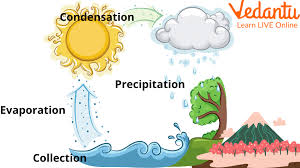
This diagram shows how water continually cycles through nature, moving between clouds, rain, rivers, lakes, underground, and back into the atmosphere. This process, called the water cycle, ensures that our natural sources of water get replenished.
Natural Sources of Water
Natural sources of water occur without human intervention. They include:
- Rivers: Flowing bodies of water that originate from mountains or springs.
- Lakes: Large standing freshwater bodies.
- Ponds and Streams: Smaller water bodies important for local ecosystems.
- Wells: Access groundwater stored in aquifers.
- Rain: The purest form, crucial in rainwater harvesting.
Most of the world’s drinking water is sourced from these natural points, but only a tiny fraction of Earth's water is clean freshwater. If you want to learn more about how water supports plant and animal life, visit Terrestrial Ecosystem.
Man-Made Sources of Water
Humans have developed artificial sources of water to provide a reliable supply. Common examples include:
- Dams: Large structures that collect and store river water.
- Reservoirs: Artificial lakes for storage and supply.
- Canals: Channels for diverting water for agriculture.
- Tube-wells: Deep wells that tap underground water.
These projects are essential in urban planning and agriculture, especially in regions like Mumbai, where water sources must meet high demand.
Sources of Drinking Water vs. Sources of Water Pollution
Not all sources of water provide safe drinking water. Pollution can come from:
- Industrial waste
- Agricultural runoff
- Sewage discharge
- Dumping of plastics and chemicals
The main sources of water pollution pose a risk to health and disrupt aquatic life. Protecting sources of drinking water is a top priority for communities worldwide. You can explore Water Pollution and Its Control for more details.
Importance and Uses of Water Sources
The different sources of water are essential for:
- Drinking & Cooking: Clean water is necessary for health and survival.
- Agriculture: Irrigation ensures food crops grow even during dry spells.
- Industry: Used in factories, cooling, and electricity generation.
- Supporting Biodiversity: Rivers and lakes provide habitats for countless species.
In medicine, water is vital for hygiene and preparing medicines (Tablet Medicine). It is also critical for health care and sanitation.
Why Should We Conserve Water?
Although water seems abundant, freshwater is limited. Overuse and pollution deplete main sources of water. Conservation ensures:
- Future generations have access to clean water.
- Crops and food supply remain stable.
- Ecosystems continue to function.
- Reduction in diseases caused by contaminated sources of water pollution.
Practices like rainwater harvesting and efficient irrigation help preserve these precious resources. For techniques on saving water, see Rain Water Harvesting Methods.
How Does the Water Cycle Replenish Water Sources?
- Water evaporates from oceans, lakes, and rivers.
- It forms clouds in the sky through condensation.
- Clouds release water as rain or snow.
- Rain fills surface water bodies and seeps into the ground.
- This groundwater is later used by plants, animals, and people.
This cycle makes water a renewable resource and keeps aquifers and rivers supplied even during dry seasons. More on this can be found in Water Cycle Diagram.
How Can We Preserve Sources of Water?
Protecting sources of water for kids and communities involves simple steps:
- Harvest and store rainwater.
- Use drip irrigation in farming to reduce waste.
- Fix leaking taps and pipes at home.
- Reuse water from certain cleaning processes for gardening.
- Raise awareness about water’s value and sources of water pollution in your area.
Teaching these conservation habits early using sources of water worksheets for kindergarten and class 1 students is a great start. Learn more at How Can We Conserve Water?.
Page Summary
Understanding the main sources of water, both natural and artificial, is central to managing our planet’s most precious resource. Protecting these sources from pollution and overuse is crucial for health, agriculture, and ecosystems. Vedantu helps students build strong foundations on such environmental topics, preparing them for real-world challenges and solutions.


FAQs on Sources of Water in the Environment
1. What are the main sources of water on Earth?
The main sources of water on Earth are surface water, groundwater, rainwater, and glacial water. These sources supply water for ecosystems and human use.
- Surface water: Rivers, lakes, ponds, and streams
- Groundwater: Water stored in underground aquifers
- Rainwater: Precipitation from the atmosphere
- Glaciers and ice caps: Frozen freshwater reserves
2. What is surface water?
Surface water is water that collects on the Earth's surface in bodies such as rivers, lakes, and ponds. It is directly available for plants, animals, and human consumption after treatment.
- Includes rivers, lakes, streams, and wetlands
- Replenished by rainfall and melting snow
- Plays a key role in aquatic ecosystems
3. What is groundwater and how is it formed?
Groundwater is water stored beneath the Earth's surface in soil and rock layers called aquifers. It forms when rainwater infiltrates the soil and percolates down through porous rocks.
- Water seeps through soil by infiltration
- Collected in underground layers known as aquifers
- Accessed using wells and tube wells
4. Is rainwater a source of freshwater?
Yes, rainwater is a natural source of freshwater formed through the water cycle. It results from the condensation of water vapor in the atmosphere followed by precipitation.
- Falls as rain, snow, or hail
- Recharges rivers, lakes, and groundwater
- Can be collected through rainwater harvesting
5. What are glaciers and why are they important sources of water?
Glaciers are large masses of frozen freshwater ice that act as long-term water storage. They release water slowly through melting, feeding rivers and streams.
- Found in polar regions and high mountains
- Store nearly 69% of Earth's freshwater
- Provide seasonal meltwater to ecosystems
6. What is the difference between surface water and groundwater?
The main difference between surface water and groundwater is their location and storage. Surface water is found above ground, while groundwater is stored below the Earth's surface in aquifers.
- Surface water: Visible, found in rivers and lakes, easily accessible
- Groundwater: Hidden underground, extracted through wells
- Groundwater is usually cleaner due to natural filtration
7. How does the water cycle maintain water sources?
The water cycle maintains water sources by continuously recycling water through evaporation, condensation, and precipitation. This natural process ensures a constant supply of freshwater.
- Evaporation: Water turns into vapor
- Condensation: Vapor forms clouds
- Precipitation: Water falls as rain or snow
- Infiltration and runoff: Refill groundwater and surface water
8. What are the primary sources of drinking water?
The primary sources of drinking water are surface water and groundwater. These sources are treated to make them safe for human consumption.
- Rivers and lakes: Common municipal sources
- Wells: Access groundwater
- Springs: Natural groundwater outlets
9. Why is groundwater considered an important water resource?
Groundwater is considered important because it provides a reliable and relatively clean source of freshwater for drinking, agriculture, and industry. It is less affected by short-term climate changes compared to surface water.
- Stored in aquifers
- Supplies water during droughts
- Naturally filtered through soil and rocks
10. Can you give examples of natural and artificial sources of water?
Natural sources of water occur in nature, while artificial sources are man-made structures created to store or supply water. Both support human and ecological needs.
- Natural sources: Rivers, lakes, groundwater, glaciers, rain
- Artificial sources: Dams, reservoirs, canals, wells



