




Labeled Tap Root Diagram with Parts and Functions
The concept of tap root diagram is essential in biology and helps explain real-world biological processes and exam-level questions effectively.
Understanding Tap Root Diagram
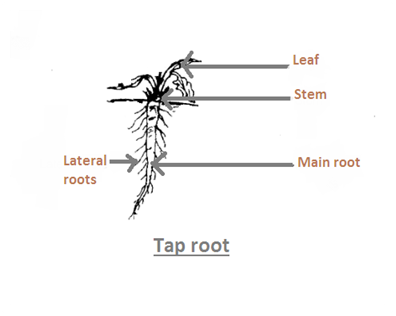
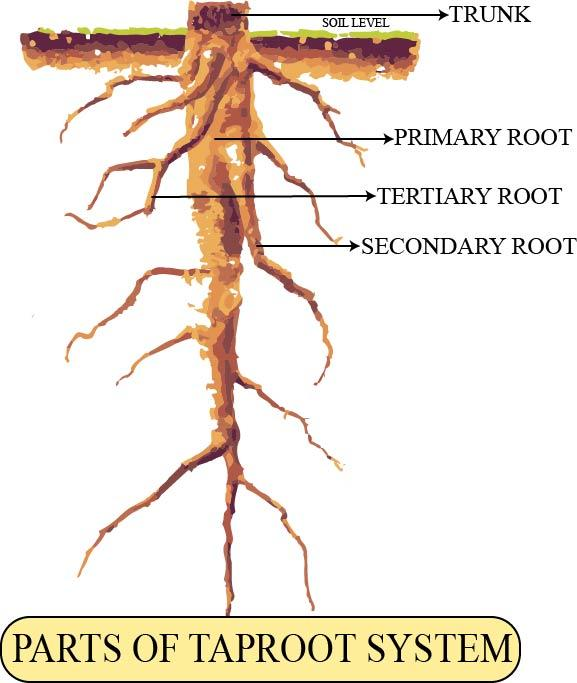
Tap root diagram refers to a drawing that displays the structure of the tap root system, which is a type of plant root system with one main, vertical primary root and multiple smaller lateral roots. This concept is important in areas like root system diagram study, root anatomy, and comparing the difference between tap root and fibrous root in plants.
Main Parts in a Labeled Tap Root Diagram
A typical tap root diagram includes these main parts:
- Primary Root – the main vertical root emerging from the plant embryo
- Lateral Roots (Secondary and Tertiary) – smaller roots branching off from the primary root
- Root Cap – protective tip covering the end of the primary root
- Root Hairs – tiny structures that absorb water and nutrients from the soil
- Regions of Division, Elongation, and Differentiation – marked zones along the primary root
How to Draw a Tap Root Diagram – Step by Step
Follow these steps to draw a neat, labeled tap root diagram suitable for board and school exams:
- Draw a straight, vertical line to represent the primary root.
- From the sides of this line, sketch out smaller branches for lateral roots (secondary and tertiary roots).
- At the tip of the root, add a rounded shape for the root cap.
- Add fine lines near the root tip to show root hairs.
- Label each part: primary root, lateral roots, root cap, root hairs.
- Keep your diagram simple, clean, and accurate for scoring full marks.
Tap Root Functions and Examples
- Anchorage: Tap roots anchor the plant deeply in the soil.
- Water and Nutrient Absorption: Tap roots absorb water and minerals, even from deep soil layers.
- Storage: Many tap roots (like carrot, turnip, beetroot) act as storage organs for food.
- Examples of Plants with Tap Root Systems: Carrot, radish, dandelion, mustard, gram, mango, and pea.
Types of Tap Roots in Plants
Tap roots also differ in shape. Common types are:
- Conical – thick at the top, narrowing down (e.g., carrot)
- Napiform – spherical and suddenly tapering (e.g., turnip)
- Fusiform – spindle-shaped, broad in the middle (e.g., radish)
- Tuberous – irregular, for food storage (e.g., beetroot)
Tap Root Diagram vs Fibrous Root Diagram
It is important to know how a tap root diagram is different from a fibrous root diagram for exams:
| Feature | Tap Root Diagram | Fibrous Root Diagram |
|---|---|---|
| Main Root | Single, prominent primary root | Many roots of equal size |
| Secondary Roots | Present, branch from main root | Absent or very fine |
| Plant Type | Seen in dicots (carrot, mango) | Seen in monocots (wheat, grass) |
Common Mistakes to Avoid
- Confusing tap root diagram with fibrous root diagrams in labeling and exam answers.
- Forgetting to label main structures (primary root, root cap, lateral roots).
- Adding too many or too few lateral roots—keep it simple and proportionate.
Real-World Applications
The concept of tap root diagram is used in agriculture for crop selection, plant breeding for drought resistance, and soil conservation. Vedantu helps students relate such topics to practical examples in daily life, especially during field visits or science fairs.
Practice Questions
- Draw and label a neat tap root diagram.
- List three differences between tap root and fibrous root systems using diagrams.
- Give two examples of plants with conical tap roots and napiform tap roots.
- How does the tap root help in water absorption compared to fibrous roots?
In this article, we explored tap root diagram, its key processes, real-life significance, and how to solve questions based on it. To learn more and build confidence, keep practicing with Vedantu.
For a broader understanding of plant roots and related biology topics, explore these helpful resources:
- Types of Roots in Plants – learn all root systems with diagrams.
- Difference Between Monocot and Dicot Root – understand why tap roots belong to dicots.
- Modification of Root – see how roots adapt for storage and support.
- Parts of a Plant – connect roots with other plant parts and functions.
- Nutrition in Plants – discover how tap roots support plant nutrition.
- Plant Cell Structure and Function – relate roots to cell biology basics.
- Dicotyledonous and Monocotyledonous Seeds – advance your knowledge about dicots and monocots.
- Getting to Know Plants – perfect for quick plant basics and revision before drawing diagrams.
- Diagram of Heart – practice labeling diagrams in biology for board exams.
- Amoeba Diagram – improve your diagram drawing strategy using multiple examples.


FAQs on Tap Root System Diagram and Detailed Explanation
1. What is a tap root diagram?
A tap root diagram is a labeled drawing that shows the structure of a primary root system with one main root and its lateral branches. It typically represents:
- The primary root (main central root)
- Smaller lateral roots branching from it
- The root tip and root cap
2. What is a tap root system?
A tap root system is a type of root system in which one thick primary root grows downward and gives rise to smaller side roots. Key features include:
- Development from the radicle of the embryo
- A dominant central root called the primary root
- Secondary and tertiary lateral roots
3. What are the main parts labeled in a tap root diagram?
The main parts labeled in a tap root diagram include the primary root, lateral roots, root cap, and root hairs. These parts are:
- Primary root – the thick central root
- Lateral roots – smaller branches arising from the primary root
- Root cap – protective covering at the tip
- Root hairs – tiny extensions that absorb water and minerals
4. What is the function of the tap root?
The main function of a tap root is to anchor the plant firmly in the soil and absorb water and minerals. Its functions include:
- Providing strong anchorage
- Absorbing water and mineral nutrients
- Storing food in some plants like carrot and radish
5. How does a tap root develop?
A tap root develops from the radicle of a germinating seed. The development occurs in these steps:
- The radicle emerges during seed germination
- It grows downward to form the primary root
- Secondary and tertiary lateral roots arise from it
6. What is the difference between tap root and fibrous root?
The main difference between a tap root and a fibrous root is that a tap root has one dominant primary root, while a fibrous root has many thin roots of equal size. Differences include:
- Tap root: One main root with lateral branches; found in dicots
- Fibrous root: No main root; cluster of roots; found in monocots like wheat and rice
- Tap roots often grow deeper, while fibrous roots spread near the surface
7. Can you give examples of plants with tap roots?
Examples of plants with a tap root system include carrot, mustard, pea, and radish. Common examples are:
- Carrot – modified for food storage
- Radish – swollen tap root
- Mustard – typical dicot tap root
- Pea – well-developed primary root
8. Why is the tap root important for plants?
The tap root is important because it provides stability, deep water absorption, and sometimes food storage. Its importance includes:
- Strong anchorage against wind
- Access to deeper water sources
- Storage of reserve food in modified tap roots
9. What is the role of the root cap in a tap root diagram?
The root cap protects the growing tip of the tap root as it pushes through the soil. Its functions include:
- Shielding the apical meristem
- Reducing friction while penetrating soil
- Helping in gravity perception (geotropism)
10. How do you draw and label a tap root diagram?
To draw and label a tap root diagram, sketch one thick central root with smaller side roots and clearly mark its main parts. Follow these steps:
- Draw a long vertical primary root
- Add smaller branching lateral roots
- Mark the root cap at the tip
- Indicate root hairs near the upper region



