




Labeled Diagram of Nose with Parts and Functions Explained
The human nose is a complex and essential part of the respiratory system, responsible for much more than just breathing. It serves as the gateway for air entering the body, plays a central role in detecting scents, and protects the respiratory passages from airborne particles. Understanding the nose’s structure helps in appreciating how this organ contributes to healthy living and effective respiration.
The Nasal Cavity: Structure and Function
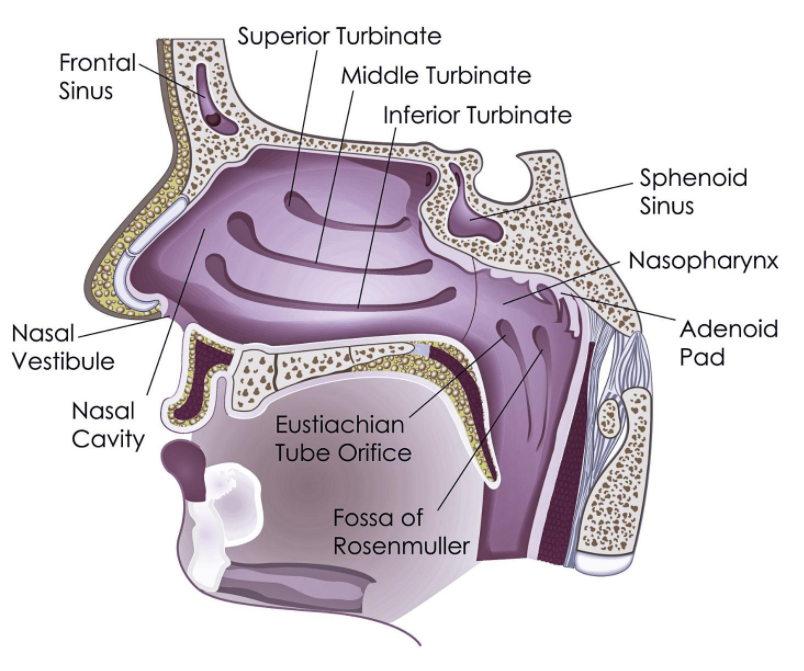
The nasal cavity is the large, air-filled space located above and behind the external nose. It is divided into two equal compartments by a central wall called the septum. Each compartment contains special structures and mucous linings that work together to purify, warm, and humidify the air we inhale.
The surface of the nasal cavity is coated with a layer of mucus. This mucus is vital for trapping dust, microorganisms, and other tiny particles, preventing them from reaching the lungs. The mucous membrane also retains moisture, making the air suitable for the lower parts of the respiratory system.
The Septum: Central Support of the Nose
The septum is a sturdy partition in the middle of the nose. It separates the left and right nasal passages. The front section of this structure is made primarily of cartilage, called quadrangular cartilage. Towards the back, it is composed of thin bones: the perpendicular plate of the ethmoid and the vomer.
A healthy septum ensures both nostrils remain open, balancing airflow. The septum’s integrity is crucial for efficient breathing and overall nasal function.
Deviated Septum and Its Effects
Sometimes, the septum can become crooked or deviated due to injury or developmental factors. This may lead to one nostril being blocked (V-shaped deviation) or both passages partially blocked (S-shaped deviation). Consequences can include breathing difficulties, snoring, sleep issues, and a tendency for sinus infections.
Doctors use a simple tool called a nasal speculum to examine the septum when assessing nasal blockages.
Nasal Turbinates: Conditioning the Air
Turbinates are comma-shaped ridges that project from the sidewalls inside the nasal cavity. Each nose contains three pairs of turbinates: superior, middle, and inferior. They play a vital role in conditioning air by providing additional surface area for warming, moistening, and filtering it before it passes into the lungs.
Turbinates are lined with a mucous membrane that contains numerous blood vessels and secretory glands. The cilia—tiny, hair-like projections—help move trapped dust and mucus towards the throat, where they are harmlessly expelled or swallowed.
Turbinates and Common Nasal Issues
At times, turbinates may become enlarged or inflamed in a condition called turbinate hypertrophy. This leads to nasal blockage, congestion, and sometimes, postnasal drip. Proper maintenance and medical assessment are important if these symptoms persist.
The Nasal Vestibule: First Line of Defense
The nasal vestibule is the entrance chamber of the nasal cavity. Found just inside the nostrils, it is lined with skin, contains short stiff hairs (vibrissae), and has sebaceous glands. Vibrissae trap larger inhaled particles, and the sebaceous glands release sebum to keep the area moist and protected.
External Nose: Framework and Variation
The external nose is made up of bone, cartilage, and skin. The upper part, called the nasal bridge, is supported by the nasal bones, making it solid. The lower portion comprises flexible lateral and alar cartilages, allowing for movement and shape variation among individuals.
The shape and size of the external nose are determined by inherited genetic factors and can differ widely from person to person.
Olfactory System: How We Smell
At the top of the nasal cavity lies the olfactory system, responsible for detecting and recognizing smells. The olfactory epithelium contains special receptor cells that pick up odor molecules. These signals are sent to the olfactory bulb and finally interpreted as distinct smells in the brain.
This sense of smell plays a vital role in tasting food, detecting hazards, and experiencing the world around us.
Paranasal Sinuses: Air-Filled Spaces Around the Nose
Surrounding the nasal cavity are the paranasal sinuses: maxillary, frontal, ethmoid, and sphenoid. These air-filled spaces lighten the weight of the skull, create mucus, and add resonance to our voice. Sinus infections (sinusitis) may cause facial pain, congestion, or headaches if not treated properly.
| Part | Description | Function |
|---|---|---|
| Nasal Cavity | Air-filled space above and behind the external nose | Allows air entry; filters and humidifies air |
| Septum | Partition in the middle of the nose; cartilage at front, bone at back | Separates left and right nasal passages; maintains airflow balance |
| Turbinates | Three pairs of bony, curved structures in the nasal cavity | Warm, moisten, and filter incoming air; increase surface area |
| Nasal Vestibule | Entrance chamber inside the nostrils | Traps large particles; protects deeper structures |
| Olfactory Epithelium | Special tissue at the roof of the nasal cavity | Detects and processes smells |
| Paranasal Sinuses | Air-filled cavities around the nose | Reduce skull weight; produce mucus; enhance voice resonance |
Key Definitions and Concepts
- Septum: Central wall dividing the nasal cavity into two halves.
- Turbinates: Curved bone structures that condition inhaled air.
- Nasal Vestibule: Entrance of the nose, lined with hairs for filtration.
- Olfactory Epithelium: Region involved in the sense of smell.
- Sinuses: Air-filled spaces aiding in mucus production and voice quality.
Scientific Significance
The anatomy of the nose allows for effective air filtration, moisture balance, and temperature regulation before air enters the lungs. Proper functioning of these structures ensures clean, humidified air reaches the lower respiratory tract and that the body can detect odors for safety and enjoyment.
Practice Questions and Further Exploration
- Describe the role of turbinates in the nasal cavity.
- Explain how a deviated septum might affect breathing.
- What functions do the paranasal sinuses serve?
- How does the nasal vestibule contribute to air filtration?
Students and educators can discover more on the Nasal Cavity for structured lessons, diagrams, and practice resources.


FAQs on Nose Structure and Function in Human Respiratory System
1. What is the structure and function of the nose?
The nose is a respiratory and sensory organ that filters, warms, moistens air, and enables the sense of smell. It consists of two main parts:
- External nose – visible part made of bone and cartilage.
- Nasal cavity – internal chamber divided by the nasal septum.
Its main functions include:
- Air filtration by nasal hairs and mucus
- Warming and humidifying inhaled air
- Detection of odors through the olfactory receptors
- Acting as a resonance chamber for speech
2. What are the main parts of the nose diagram?
The main parts of a standard nose diagram include the external and internal structures involved in breathing and smell. Key labeled parts are:
- Nostrils (external nares)
- Nasal septum
- Nasal cavity
- Olfactory bulb
- Olfactory epithelium
- Nasal conchae (turbinates)
- Paranasal sinuses
These structures work together to support respiration and olfaction.
3. What is the function of the nasal cavity?
The nasal cavity functions to filter, warm, and humidify air before it enters the lungs. It performs this through:
- Mucus that traps dust and microbes
- Ciliated epithelium that moves trapped particles outward
- Rich blood supply that warms incoming air
It also contains the olfactory region, which detects smell.
4. How does the nose help in breathing?
The nose helps in breathing by conditioning inhaled air so it is clean, warm, and moist before reaching the lungs. This occurs in steps:
- Air enters through the nostrils
- Nasal hairs filter large particles
- Mucus traps smaller dust and pathogens
- Blood vessels warm the air
- Moist surfaces humidify it
This protective mechanism supports efficient gas exchange in the respiratory system.
5. What is the role of the olfactory receptors in the nose?
The olfactory receptors detect odor molecules and convert them into nerve impulses for the brain. They are located in the olfactory epithelium at the roof of the nasal cavity.
- Odor molecules dissolve in mucus
- Receptors bind to specific chemicals
- Signals travel via the olfactory nerve to the brain
This process enables the sense of smell, also called olfaction.
6. What is the function of the nasal septum?
The nasal septum divides the nasal cavity into two separate chambers. It is made of cartilage and bone.
- Maintains structural support of the nose
- Ensures even airflow through both nostrils
- Separates the right and left nasal passages
A deviated septum can affect normal breathing.
7. What are nasal conchae and what do they do?
The nasal conchae, also called turbinates, are curved bony structures that increase the surface area inside the nasal cavity. Their functions include:
- Creating air turbulence for better filtration
- Warming and humidifying inhaled air
- Supporting mucus secretion
There are three pairs: superior, middle, and inferior conchae.
8. How does the nose protect the body from infection?
The nose protects the body from infection by trapping and removing harmful particles before they reach the lungs. This defense system includes:
- Nasal hairs that block large particles
- Sticky mucus that traps microbes
- Cilia that move trapped particles toward the throat
This mechanism is part of the body’s innate immune defense in the respiratory system.
9. What is the function of the paranasal sinuses in the nose?
The paranasal sinuses are air-filled cavities that lighten the skull and enhance voice resonance. Their functions include:
- Reducing skull weight
- Producing mucus to moisten the nasal cavity
- Improving sound quality of speech
They are connected to the nasal cavity and lined with mucous membrane.
10. What is the difference between the respiratory region and olfactory region of the nose?
The respiratory region conditions inhaled air, while the olfactory region detects smells. The key differences are:
- Respiratory region: lined with ciliated epithelium; filters, warms, and moistens air.
- Olfactory region: contains olfactory receptors; responsible for smell perception.
Both regions are located within the nasal cavity but perform distinct biological functions.



