







What is the summary of Mijbil The Otter and its theme
Imagine, instead of a cuddly dog or a purring cat, your pet was a playful, mischievous otter! That's the incredible experience Gavin Maxwell, the author of "Mijbil the Otter," shares with us in this fascinating chapter from the book "First Flight." Get ready to dive into a world of wet fur, slippery slides, and fishy feasts as we explore the summary of Mijbil's journey from the Tigris marshes of Iraq to the bustling streets of London. Once you finish reading this Mijbil the Otter summary, you can answer any questions related to the chapter easily. So, without any delay, let us start.
Also Read:
Summary of Mijbil The Otter
Introduction
The author describes how his life changed after he decided to domesticate an otter after losing his pet dog in this lesson. He takes us on a voyage from Iraq to London, adjusting, playing, and travelling with Mijbil the otter, and how he built an inseparable friendship with him along the way.
About the Author
Gavin Maxwell was a Scottish naturalist and novelist, most recognised for his non-fiction work, particularly his work with otters.
Complete Summary of Mijbil the Otter
Gavin Maxwell is the author of the prose named ’Mijbil, the Otter’. The author describes how his life changed after keeping an Otter as a pet as he lost his first pet dog. He is trying to take the audience through his journey of playing and all his experiences with Mijbil-the-Otter. His journey started from Iraq to London through a flight where he developed an attached bond with him. During his flight, the Otter created havoc and scared everyone. However, a kind-hearted air hostess helped the writer to travel with Mijbil.
An Otter As A Pet
The narrator said that Mij would take some time to get familiar with his surroundings. When Mij went to the bathroom, it jumped and rolled in the bathtub gladly. Mijbil loves playing with water and learned how to open the faucet by himself in a short time. In the Mijbil the Otter summary, the author says Mij loves to spend most of its time playing with marbles and rubber balls. His time is passing smoothly in Basra with Mijbil, and now it’s time to go back to England. However, British Airlines didn’t allow transporting animals due to which the author has to book a different flight that allows Mij on board.
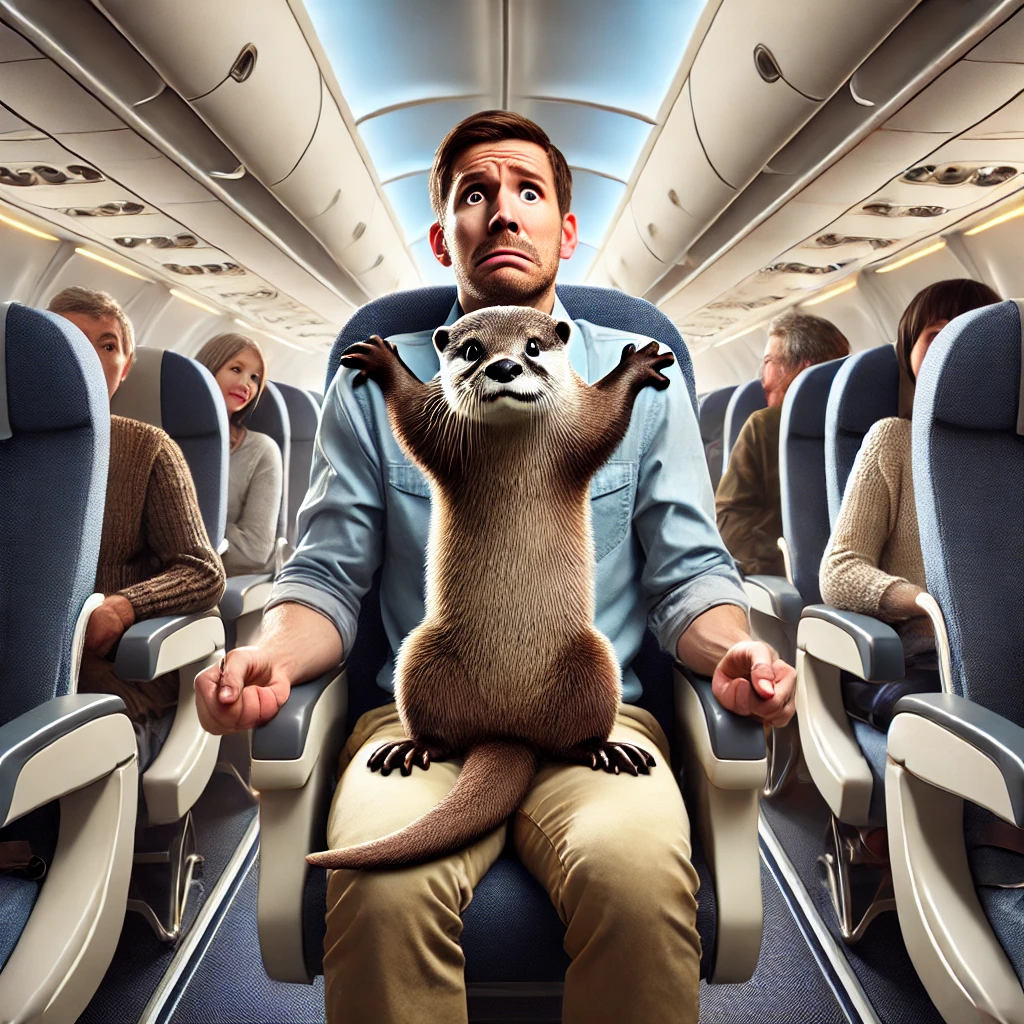
The author put the Otter in a box before the flight and left it for some while. When he returned, he saw Mij created different holes in the box and ruined the internal lining. He got frightened after seeing that blood was coming out from the air holes. The narrator hastily opened the box and saw that Mijbil was unconscious. Somehow, he managed to remove all the sharp edges from the box and placed the Otter again in the box.
There were only 10 minutes left for his flight to take off, so he rushed to the airport and caught the flight. Gavin told a summary of Mijbil to the air hostess as she was friendly and suggested the author place Mijbil on his lap. When he opened the box, the Otter disappeared and started developing chaos in the flight. It made all the passengers fearful. The air hostess in the flight helped Gavin to find Mij.
When the author arrived in London with an Otter, he left people clueless. They could not understand the summary of Mijbil the Otter and kept guessing the name of the animal. Some people think him to be a baby squirrel, seal, or a hippo. However, no one was able to make a correct guess that it was an Otter. The most shocking event was when the labourer was digging a hole in the street and placed down all his tools after seeing the animal. He screamed, what’s this animal claiming to be?''
The Bond Formed Between Gavin and Otter
The author remained in London with his pet Otter for a month. Mij used to play with ping-pong balls, toys, rubber fruit, and other things for hours. While playing, he places the ball on the slanted top of the suitcase. Gavin was supposed to take Mijbil out for a walk and exercise. The Otter developed some of the habits on those walks. He went with the narrator like children running, playing, and touching things in London streets. Within a month, the author developed a strong bond between him and his pet Otter.

Beyond the Story: What Can Students Learn?
"Mijbil the Otter" offers a treasure trove of teaching opportunities for students:
Exploring Themes of Friendship and Empathy: Students can delve into the unique bond between Gavin and Mijbil, discussing how their differences strengthen their connection. They can explore concepts like unconditional love, acceptance, and appreciating the extraordinary.
Understanding Animal Behaviour: Mijbil's playful, curious nature offers a window into the fascinating world of otters. Students can research their habits, habitats, and unique characteristics, deepening their understanding of the natural world.
Appreciating Diversity and Embracing the Unconventional: The story challenges traditional notions of pets and encourages students to embrace differences. It can spark discussions about acceptance, inclusivity, and celebrating what makes each individual unique.
Creative Writing and Storytelling: "Mijbil the Otter" can inspire students to unleash their own creativity. They can write stories about their own unique friendships, create their own mischievous companions, or even imagine Mijbil's adventures from his perspective.
Mijbil the Otter Summary in 100 words
Gavin Maxwell's Mijbil the Otter is a heartwarming story about his experiences with an otter named Mijbil, whom he adopts in Iraq and brings to England. Initially shy and hesitant, Mijbil gradually becomes playful and curious, showcasing his unique personality. The story narrates humorous incidents, such as Mijbil’s antics during their travel on a flight and his mischievous explorations at home. Maxwell describes how Mijbil’s love for water and playful nature brings joy and laughter. The narrative highlights the bond between humans and animals, emphasising how Mijbil becomes an integral and delightful part of Maxwell’s life.
Highlights: Mijbil the Otter Summary in Points
After his dog died, Maxwell decided to keep an otter as his pet.
On the suggestion of a friend, he got an otter from the Tigris Marsh.
Maxwell felt that the arrival of the otter opened a new stage in his life.
The otter first appeared as a little dragon. He was covered with mud. Maxwell spent a lot of time and energy removing the dust.
Otters like to play in the water and cannot stand in front of the water.
He also likes to play with rubber balls. Marble toys are his favourite.
A few days later, Maxwell had to return to London.
Transport of Mijbil to London became a problem because British Airways did not allow animals on its flights.
Another airline agreed to pack the animal in a box.
Maxwell made a small box for the otter.
On the plane, the otter escaped from the box. Some passengers yelled and stood on their seats when they saw the otter on the plane.
Finally, the otter came back, lying on Maxwell's knees.
On reaching London, the otter was unfamiliar to most people. They simply made random assumptions.
In London, Mijbil learned to play ping-pong and developed certain habits.
Conclusion
"Mijbil the Otter" is more than just a story about a mischievous otter. It's a reminder that happiness can be found in the most unlikely places. It's a celebration of the unique bonds we form with animals, and the joy they bring to our lives. It's a call to embrace the different, the unusual, and the wet, slippery wonder of an otter named Mijbil.
So, the next time you feel lost or lonely, remember Mijbil. Remember that laughter and joy can be found in the most unexpected corners, and that sometimes, the best friends come with whiskers and a love for fish. And who knows, maybe one day, you too will have your own Mijbil-sized adventure, one that will fill your heart with fishy giggles and memories that will last a lifetime.
FAQs on Mijbil The Otter Summary and Analysis for Class 10
1. What is the summary of Mijbil the Otter?
Mijbil the Otter is a story by Gavin Maxwell about his life with a pet otter named Mij, whom he brings from Iraq to London. The narrative describes how Maxwell adopts Mij in Iraq, bonds with him, and faces challenges while transporting him to England.
- The story highlights the deep human-animal bond.
- It shows Mij’s playful and intelligent nature.
- It also describes the difficulties of traveling with a wild animal.
2. Who wrote Mijbil the Otter?
Mijbil the Otter was written by Gavin Maxwell, a Scottish author and naturalist. He is known for his love of animals and nature.
- The story is an extract from his book Ring of Bright Water.
- Maxwell wrote about his real-life experiences with his pet otter.
3. How did Gavin Maxwell get Mijbil the Otter?
Gavin Maxwell received Mijbil from a friend in Iraq in exchange for his dog. While living in southern Iraq, Maxwell expressed his desire for an otter, and soon one was brought to him.
- The otter was found near the Tigris marshes.
- Maxwell named him Mijbil, or Mij for short.
4. Why did Maxwell want to keep an otter as a pet?
Maxwell wanted to keep an otter because he was fascinated by wild animals and desired a close relationship with one. He had recently lost his dog and was looking for companionship.
- He was interested in studying animal behavior.
- He admired the otter’s intelligence and playfulness.
5. What problems did Maxwell face while taking Mijbil to London?
Maxwell faced several travel difficulties while transporting Mijbil from Iraq to London by air. Airlines were reluctant to allow a wild animal on board.
- He had to arrange a special air travel crate.
- Mij created chaos inside the aircraft box.
- Passengers were surprised and confused.
6. What kind of animal was Mijbil?
Mijbil was a small, playful, and intelligent otter belonging to a rare species later identified as Lutra perspicillata maxwelli. He was active, curious, and fond of water.
- He enjoyed playing with marbles and water.
- He quickly adapted to new surroundings.
- He showed affectionate behavior toward Maxwell.
7. How did Mijbil behave in London?
In London, Mijbil behaved playfully and attracted public attention during walks. People were often surprised because they had never seen an otter as a pet.
- He enjoyed playing in the bathroom water.
- Strangers mistook him for a seal or other animals.
- He followed Maxwell closely like a companion.
8. What is the main theme of Mijbil the Otter?
The main theme of Mijbil the Otter is the deep bond between humans and animals. The story also highlights love, companionship, and respect for wildlife.
- It shows emotional attachment beyond species.
- It emphasizes kindness toward animals.
- It reflects the joy of caring for a pet.
9. Why is Mijbil the Otter an autobiographical story?
Mijbil the Otter is autobiographical because it is based on Gavin Maxwell’s real-life experiences with his pet otter. The author narrates events from his own life.
- The story is written in the first person.
- It describes actual places like Iraq and London.
- The events are drawn from his memoir Ring of Bright Water.
10. What message does Mijbil the Otter convey?
The story conveys the message that animals deserve love, care, and understanding just like humans. It teaches readers to respect and appreciate wildlife.
- Compassion strengthens bonds.
- Patience is needed while caring for animals.
- Nature and humans can coexist peacefully.
