




What Is the Difference Between Sexual and Asexual Reproduction with Examples and Key Features
Imagine nature’s ultimate recipe book, where every species has its unique method of multiplying. Whether it’s a simple cell splitting into two or the intricate dance of gametes coming together, understanding the difference between sexual and asexual reproduction unveils the secrets behind life’s diversity. This page will explore how each process works, its benefits and limitations, and why nature has chosen these distinct methods to ensure survival and evolution.
Asexual Reproduction
Asexual reproduction is the process by which a single organism replicates itself to produce genetically identical offspring. It is commonly observed in many microorganisms and some multicellular organisms. Here are some key points:
Mechanisms:
Binary Fission: Seen in simple organisms like bacteria, where the cell divides into two equal halves.
Multiple Fission: Occurs when one cell splits into several offspring, common in certain protozoans and algae.
Fragmentation: In multicellular organisms, parts of the body break off and develop into complete individuals.
Budding: New individuals form as outgrowths from the parent organism and may remain attached or break away later.
Benefits:
Fast reproduction, energy-efficient, and no need for a partner.
Produces clones, ensuring the rapid spread of successful genetic traits.
Keyword Inclusion:
This section explains the difference between asexual reproduction and sexual reproduction by highlighting how asexual methods produce offspring that are identical to the parent, without the need for gamete formation or fertilisation.
Also Read: Asexual Reproduction
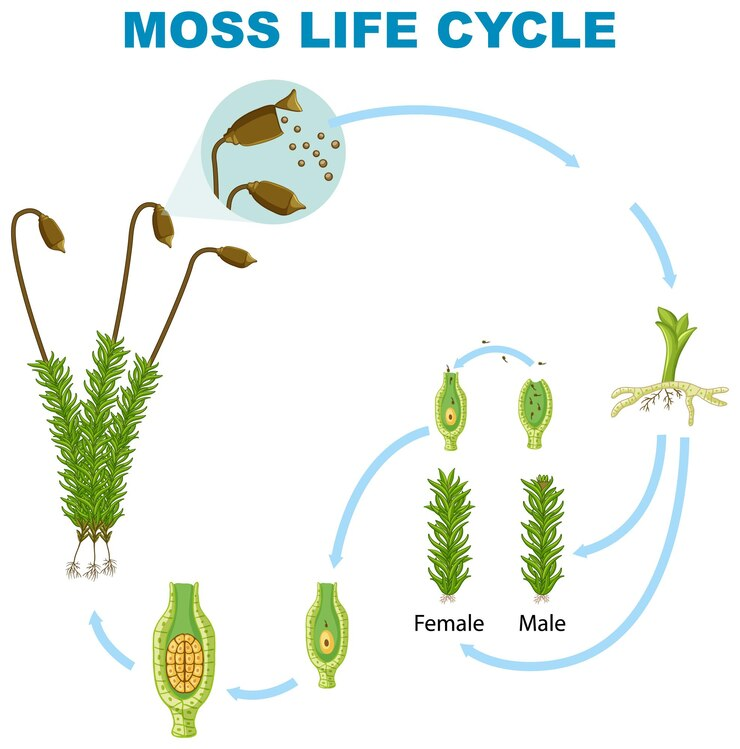
Sexual Reproduction
Sexual reproduction involves the fusion of gametes (sperm and egg) from two parents, resulting in offspring with a mix of genetic material. This method is more complex but provides greater genetic variation. Key aspects include:
Mechanisms:
Gamete Formation: Involves meiosis, reducing chromosome numbers by half and ensuring that offspring receive a mix of parental traits.
Fertilisation: The union of two gametes creates a zygote with a unique genetic identity.
Development: The zygote grows into an organism, with gestation periods varying significantly across species.
Benefits:
Enhances genetic diversity, which is crucial for adaptation and evolution.
Helps eliminate harmful genetic mutations through recombination.
Keyword Inclusion:
Here, we address the state the main difference between asexual and sexual reproduction by contrasting the genetic uniformity of asexual reproduction with the diversity resulting from sexual reproduction. This explains the sexual and asexual reproduction differences in a way that is accessible to learners.
Also Read: Sexual Reproduction
Comparative Overview
Below is a comparison table that highlights the difference between asexual reproduction and sexual reproduction:
Test Your Knowledge!
1. Question: What is the main advantage of asexual reproduction?
a) Genetic diversity
b) Rapid reproduction with low energy
c) Involvement of two parents
2. Question: Which process results in offspring with a unique mix of genes?
a) Binary fission
b) Sexual reproduction
c) Budding
3. Question: What is the key mechanism involved in gamete formation during sexual reproduction?
a) Mitosis
b) Meiosis
c) Fragmentation
4. Question: True or False: In asexual reproduction, offspring are genetically identical to the parent.
Check Your Answers:
b) Rapid reproduction with low energy
b) Sexual reproduction
b) Meiosis
True
Fun Facts About Reproduction
Elephant Gestation: Elephants have the longest gestation period among mammals—around 640-660 days compared to 280 days in humans.
Anglerfish Peculiarity: The male deep-sea anglerfish fuses with the female, becoming a permanent sperm provider.
Gender Flexibility: Some species, like oysters, can change their gender during their lifetime, adapting to environmental conditions.
Real-World Applications
Understanding the difference between asexual and sexual reproduction is crucial not only for biology students but also for real-life applications such as:
Agriculture: Farmers use knowledge of plant reproduction to enhance crop yields through cloning (asexual) or breeding (sexual).
Medical Research: Insights into cell division and genetic variation are fundamental in combating diseases and understanding human development.
Environmental Conservation: Knowing how species reproduce aids in the conservation of endangered species by informing breeding programs.


FAQs on Difference Between Sexual And Asexual Reproduction in Biology
1. What is the difference between sexual and asexual reproduction?
The main difference between sexual reproduction and asexual reproduction is that sexual reproduction involves two parents and fusion of gametes, while asexual reproduction involves one parent and no gamete fusion.
- Sexual reproduction: Involves formation and fusion of male and female gametes, leading to genetic variation.
- Asexual reproduction: Involves a single parent, no gametes, and produces genetically identical offspring called clones.
- Sexual reproduction promotes variation; asexual reproduction promotes rapid multiplication.
2. What is sexual reproduction?
Sexual reproduction is a mode of reproduction in which two parents produce offspring through the fusion of gametes.
- Involves formation of sperm and egg (ovum) by meiosis.
- Fusion of gametes forms a zygote.
- Offspring show genetic variation due to recombination.
- Common in most animals, humans, and flowering plants.
3. What is asexual reproduction?
Asexual reproduction is a type of reproduction in which a single parent produces offspring without the formation or fusion of gametes.
- Involves only mitotic cell division.
- Produces genetically identical offspring called clones.
- Common in bacteria, Amoeba, Hydra, and many plants.
- It is usually faster and requires less energy.
4. How does sexual reproduction occur step by step?
Sexual reproduction occurs through gamete formation, fertilization, and development of the zygote.
- Step 1: Gametogenesis – Gametes are formed by meiosis.
- Step 2: Fertilization – Fusion of male and female gametes forms a zygote.
- Step 3: Development – The zygote divides by mitosis and develops into an embryo.
5. What are the types of asexual reproduction?
The main types of asexual reproduction include methods that do not involve gamete fusion.
- Binary fission – One cell divides into two (e.g., Amoeba).
- Budding – A new organism grows from a bud (e.g., Hydra, yeast).
- Fragmentation – Body breaks into pieces that grow into new individuals (e.g., Spirogyra).
- Spore formation – Spores develop into new organisms (e.g., Rhizopus).
- Vegetative propagation – New plants grow from roots, stems, or leaves.
6. Why does sexual reproduction produce more genetic variation?
Sexual reproduction produces more genetic variation because it involves recombination and mixing of genes from two parents.
- Meiosis causes crossing over and independent assortment.
- Fusion of two different gametes creates new gene combinations.
- This variation increases adaptability and survival in changing environments.
7. What are the advantages and disadvantages of asexual reproduction?
Asexual reproduction is fast and energy-efficient but produces little genetic variation.
- Advantages: Rapid reproduction, no need for a mate, less energy required.
- Disadvantages: Lack of genetic diversity, increased vulnerability to diseases and environmental changes.
8. What are the advantages and disadvantages of sexual reproduction?
Sexual reproduction increases genetic diversity but requires more time and energy.
- Advantages: Genetic variation, better adaptation, improved survival.
- Disadvantages: Requires two parents, slower process, higher energy investment.
9. Can you give examples of organisms that reproduce sexually and asexually?
Many organisms reproduce sexually, while others reproduce asexually depending on their biology.
- Sexual reproduction: Humans, dogs, birds, flowering plants.
- Asexual reproduction: Bacteria (binary fission), Amoeba, Hydra (budding), Rhizopus (spores).
- Some organisms like Hydra and certain plants can reproduce both sexually and asexually.
10. Is mitosis involved in sexual and asexual reproduction?
Mitosis is directly involved in asexual reproduction and indirectly involved in sexual reproduction.
- In asexual reproduction, mitosis produces new individuals identical to the parent.
- In sexual reproduction, meiosis forms gametes, but mitosis helps in growth and development of the zygote into an organism.



