




What Is the Difference Between Manure and Fertilizers with Examples and Comparison Table
Manure and fertilizers are essential components in modern agriculture and plant science, helping to enhance soil fertility and promote healthy crop growth. While both are added to soil to increase plant productivity, they differ significantly in their origin, composition, method of preparation, and long-term effects on soil health. Understanding these differences equips students, teachers, and parents with the right knowledge for sustainable farming and academic studies.
State the Differences Between Manure and Fertilizer
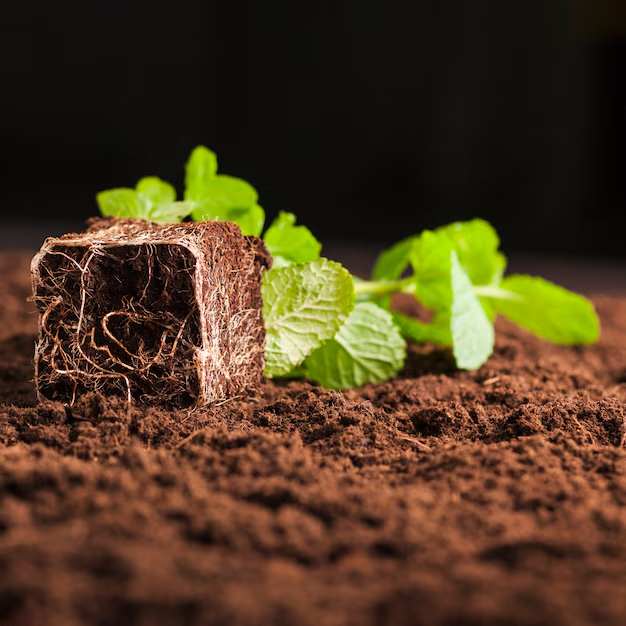
Manure is a naturally occurring organic substance obtained from the decomposition of plant residues and animal waste. It is usually prepared on farms and applied to soil for enriching its organic content and improving its physical properties. In contrast, fertilizer refers to substances that are chemically manufactured or mined, containing specific, concentrated nutrients required for plant growth.
| Criteria | Manure | Fertilizer |
|---|---|---|
| Source | Natural decomposition of animal and plant waste | Industrially manufactured or extracted chemicals |
| Nutrient Content | Low and balanced; broad range, but in small amounts | High concentration of specific nutrients |
| Preparation | By decomposition (rotting) of organic material | Manufactured in factories with set nutrient formulas |
| Effect on Soil | Improves soil texture, increases organic matter | Rapidly supplies nutrients, may not enhance structure |
| Environmental Impact | Eco-friendly and biodegradable | Overuse can cause pollution and soil degradation |
| Examples | Cow dung, compost, green manure | Urea, NPK, superphosphate |
Detailed Explanation with Examples
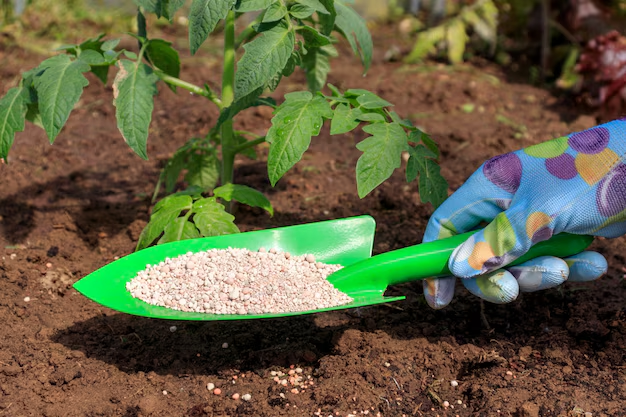
Manure results from the natural breakdown of organic materials such as cattle dung, poultry droppings, and crop waste. It contains a mix of nutrients and humus, enriching the soil gradually. Fertilizers are specially designed to contain large amounts of specific nutrients, like nitrogen (N), phosphorus (P), and potassium (K), which can be quickly absorbed by plants for immediate effect.
For example, adding cow dung manure to a field improves soil structure, water retention, and promotes microbial activity. On the other hand, when urea fertilizer is applied, plants receive a rapid supply of nitrogen, resulting in fast and visible growth.
Breakdown of Biological Principles
- Manure: Acts as a slow-release, organic nutrient source. Microbes decompose manure, releasing nutrients over time, thus supporting long-term soil fertility.
- Fertilizer: Supplies nutrients instantly in available forms, which may boost plant growth quickly but can upset soil balance if used excessively.
Key Definitions
-
Manure:
Organic substance produced by decomposition of organic waste, used to maintain soil health and fertility.
-
Fertilizer:
Chemically manufactured or naturally occurring substances, rich in essential plant nutrients, used to enhance crop yields rapidly.
Scientific Significance
These distinctions are vital for sustainable agriculture. Overuse of fertilizers may lead to soil and water pollution, whereas manure usage enhances soil structure and biodiversity. Knowing when and how to use each helps in maintaining soil productivity and protecting natural resources.
Practice Questions
- Identify two differences between manure and fertilizer.
- Explain why manure is considered better for the environment compared to fertilizer.
- List one example each of manure and fertilizer, and describe their effects on crops.
To summarize, manure and fertilizers both support plant nutrient needs but have different advantages and limitations. Choosing the suitable option depends on crop requirement, environmental safety, and soil condition. For more detailed explanations and practice resources, visit our Vedantu Biology topic pages.


FAQs on Difference Between Manure and Fertilizers in Biology
1. What is the difference between manure and fertilizers?
The main difference between manure and fertilizers is that manure is a natural organic substance, while fertilizers are concentrated nutrients that can be organic or inorganic.
- Manure is made from decomposed plant and animal wastes.
- Fertilizers are manufactured or mineral-based substances rich in specific nutrients like nitrogen (N), phosphorus (P), and potassium (K).
- Manure improves soil structure and adds humus, whereas fertilizers mainly supply targeted nutrients quickly.
2. What is manure in biology?
Manure is an organic substance obtained from the decomposition of plant and animal wastes that enriches soil fertility.
- It contains small amounts of essential nutrients.
- It adds humus to the soil.
- It improves soil texture, water-holding capacity, and microbial activity.
3. What are fertilizers and how do they work?
Fertilizers are chemical or organic substances that supply essential nutrients directly to plants for growth.
- They provide nutrients like nitrogen for leaf growth.
- Phosphorus supports root and flower development.
- Potassium enhances disease resistance and overall health.
4. Why is manure considered better for soil health than fertilizers?
Manure is considered better for long-term soil health because it improves soil structure and increases organic matter content.
- Adds humus to the soil.
- Enhances soil aeration and water retention.
- Supports beneficial soil microorganisms.
5. What are the different types of manure?
The main types of manure are farmyard manure, compost, and green manure.
- Farmyard manure (FYM): Decomposed mixture of cattle dung and urine.
- Compost: Decomposed organic waste like leaves and kitchen waste.
- Green manure: Young plants (e.g., sunhemp) grown and ploughed into the soil.
6. What are the main types of fertilizers?
The main types of fertilizers are nitrogenous, phosphatic, and potassic fertilizers.
- Nitrogenous fertilizers: e.g., urea, ammonium sulfate.
- Phosphatic fertilizers: e.g., superphosphate.
- Potassic fertilizers: e.g., potassium chloride.
7. Can fertilizers replace manure completely?
Fertilizers cannot completely replace manure because they do not improve soil structure or add organic matter.
- Fertilizers mainly supply specific nutrients.
- They do not increase humus content.
- Excess use may lead to soil acidity and reduced microbial activity.
8. How do manure and fertilizers affect the environment?
Manure generally has a lower environmental impact, while excessive fertilizer use can cause pollution.
- Manure improves soil naturally and supports ecosystems.
- Overuse of fertilizers can cause water pollution through runoff.
- Excess nutrients may lead to eutrophication in water bodies.
9. Which provides nutrients faster: manure or fertilizers?
Fertilizers provide nutrients faster than manure because they are readily soluble and concentrated.
- Fertilizers dissolve quickly in water and are rapidly absorbed by roots.
- Manure releases nutrients slowly as it decomposes.
10. What are the advantages and disadvantages of manure and fertilizers?
Manure improves soil health naturally, while fertilizers provide quick and targeted nutrient supply.
- Advantages of manure: Improves soil structure, increases humus, eco-friendly.
- Disadvantages of manure: Low nutrient concentration, bulky to handle.
- Advantages of fertilizers: High nutrient content, fast action, easy to apply.
- Disadvantages of fertilizers: Risk of soil degradation and environmental pollution if overused.



