




What Are the Main Types of Antigen Antibody Reactions
Antigen-antibody reaction is a fundamental process of the immune system in which specific proteins called antibodies bind to foreign substances termed antigens. This reaction protects our bodies by either neutralising or eliminating harmful agents such as viruses, bacteria, and toxins. In antigen-antibody reactions in microbiology, these interactions are widely used for diagnostic tests and research. Below, we will explore the detailed mechanism, properties, and antigen-antibody reaction types, along with unique insights and examples.
What is an Antigen?
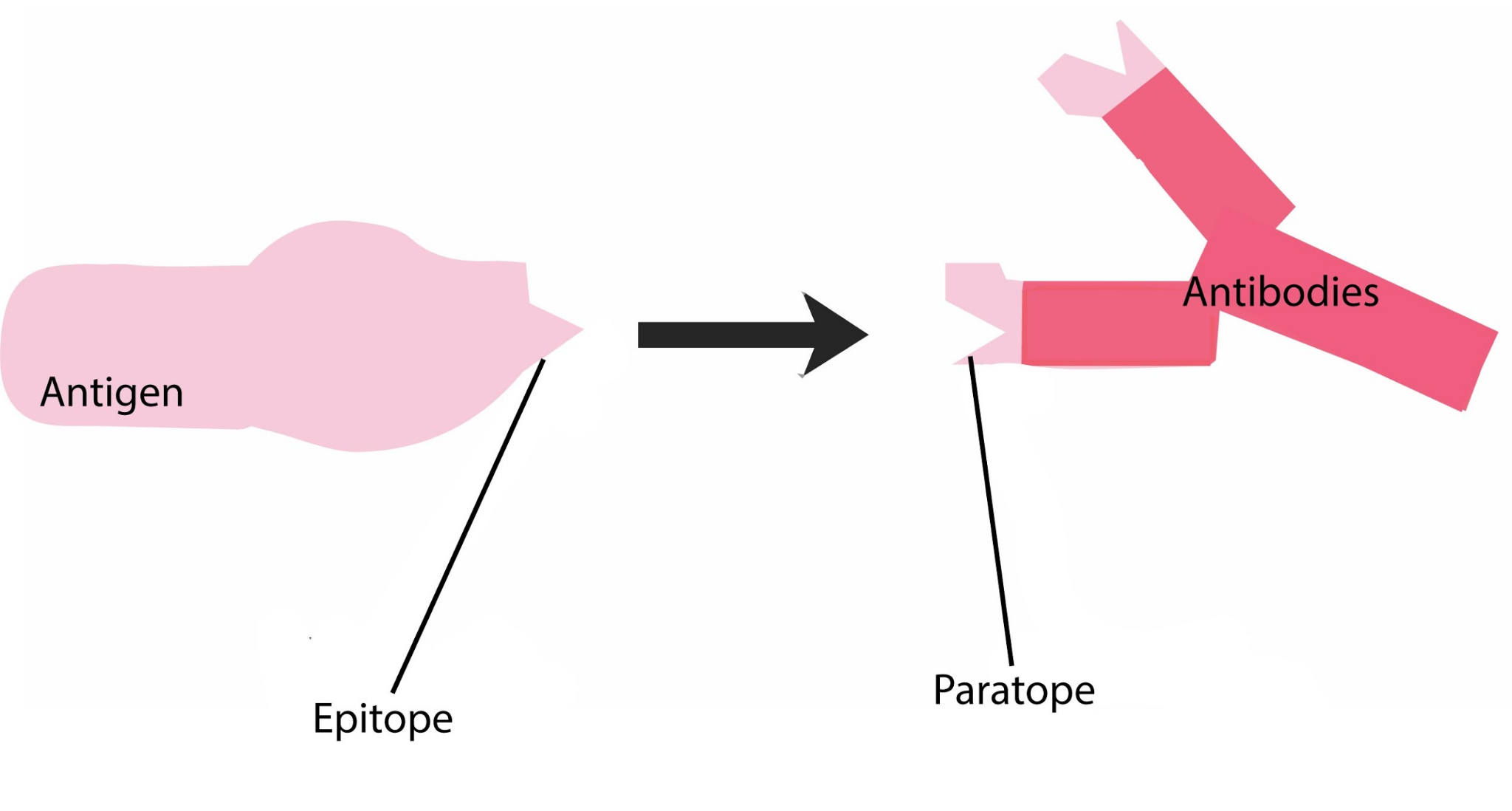
An antigen is any substance (usually foreign to the body) that triggers an immune response. It can be a protein, polysaccharide, lipid, or other molecule capable of being recognised by the immune system. A specific region on the antigen to which an antibody binds is called the epitope.
Key Points
Antigens can be immunogens (capable of eliciting an immune response on their own) or haptens (require a carrier molecule to trigger an immune response).
Common antigenic components include viral coats, bacterial cell walls, toxins, and surface proteins.
Autoantigens are the body’s components, sometimes mistakenly targeted by the immune system (as seen in autoimmune disorders).
What is an Antibody?
An antibody (also called immunoglobulin) is a Y-shaped glycoprotein produced by specialised white blood cells known as B lymphocytes (or B-cells). These antibodies specifically recognise and bind to antigens.
Key Points
Five major classes: IgG, IgA, IgM, IgE, and IgD (a quick mnemonic is “GAMED”).
Each antibody has a unique paratope, which binds to the epitope of an antigen.
Primarily generated by activated B-cells (plasma cells).
Antigen-Antibody Reaction Mechanism
Antigen-antibody reaction is also known as the Ag-Ab reaction or serological reaction. It follows a three-stage mechanism:
Formation of the Ag-Ab Complex:
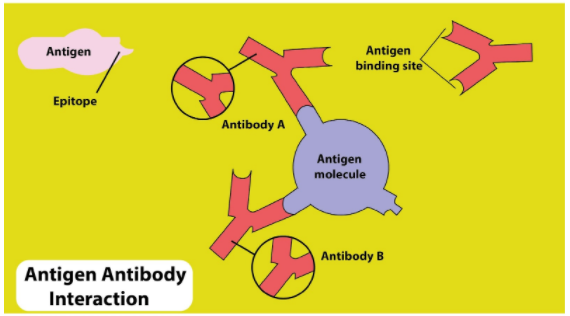
The antigen fits into the antibody’s binding site much like a key in a lock.
This step is highly specific and depends on the precise molecular structure of both antigen and antibody.
Visible Manifestation:
After binding, certain reactions become visibly apparent such as precipitation, agglutination, or colour change (in assays like ELISA).
Elimination or Neutralisation of the Antigen:
The antigen is then neutralised, lysed, or removed by various immune processes (e.g., phagocytosis).
Properties of Antigen-Antibody Reaction
Specificity: Each antibody binds only with the antigen that matches its paratope.
Reversibility: The bonds are non-covalent (e.g., ionic bonds, hydrogen bonds, hydrophobic interactions).
Affinity: Strength of binding between a single epitope and a paratope.
Avidity: Overall strength of binding when an antibody with multiple binding sites interacts with an antigen with multiple epitopes.
Cross-Reactivity: An antibody may bind to antigens with similar epitopes.
Types of Antigen-Antibody Reaction
When you study antigen-antibody reaction notes, you will frequently encounter these antigen-antibody reaction types:
Precipitation Reaction
Occurs when a soluble antigen combines with its specific antibody in the presence of electrolytes at an optimal pH and temperature, forming an insoluble precipitate.
Liquid Precipitation: Varying amounts of antigen are added to a fixed amount of antibody to see where visible precipitate forms.
Gel Precipitation: Antigen and antibody diffuse in a gel medium (like agar), forming precipitation lines where they meet in optimal proportions.
Agglutination Reaction
Involves the clumping (agglutination) of particulate antigens (e.g., RBCs, bacterial cells) by their specific antibodies.
Slide Agglutination: Quick test to check for agglutinating antibodies.
Tube Agglutination: Used to determine antibody titre by serial dilution.
Passive Agglutination: Converts a precipitation reaction into an agglutination reaction by coating soluble antigens onto carrier particles such as latex beads or RBCs.
Antigen-antibody reaction example here is the Widal test for diagnosing typhoid fever.
Complement Fixation
The complement system (a group of proteins) is activated when an antigen-antibody complex forms, leading to lysis of cells or microbes.
Principle: If the antibody is present, it binds the antigen and “fixes” the complement, preventing it from lysing indicator RBCs used in the test.
Immunofluorescence
Antibodies are labelled with fluorescent dyes (e.g., fluorescein) that emit visible light upon exposure to UV light.
Useful for locating or identifying antigens in cells or tissues under a fluorescence microscope.
ELISA (Enzyme-Linked Immunosorbent Assay)
Detects and measures antibodies or antigens in a sample using enzyme-linked markers.
Indirect ELISA: Often used to detect antibodies (e.g., in HIV testing).
Sandwich ELISA: Detects an antigen in a sample by “sandwiching” it between two specific antibodies.
Competitive ELISA: Measures antigen concentration by observing competition between labelled and unlabelled antigens for binding sites on the antibody.
Also Read: ELISA
Antigen-Antibody Reaction in Microbiology
In microbiology, these reactions are crucial for diagnosing infectious diseases. Examples include:
Widal Test: Detects antibodies against Salmonella typhi.
VDRL Test: Used for syphilis detection.
ASO Test: Detects antibodies against Streptococcal bacteria.
These tests highlight how antigen-antibody reaction in microbiology helps identify specific infections quickly and accurately.
Mnemonic for Immunoglobulin Classes
A quick mnemonic to remember the five major antibody (immunoglobulin) classes is GAMED:
G – IgG
A – IgA
M – IgM
E – IgE
D – IgD
Quick Quiz (with Answers)
Which of the following immunoglobulins is the most abundant in human serum?
a) IgM
b) IgG
c) IgA
d) IgEAnswer: b) IgG
What is the specific name of the region on an antigen that binds to an antibody?
a) Paratope
b) Hapten
c) Epitope
d) None of the aboveAnswer: c) Epitope
Which of the following techniques uses enzymes attached to the antibody for detection?
a) Western Blot
b) ELISA
c) Immunofluorescence
d) Complement FixationAnswer: b) ELISA
Antigen-antibody reaction is also known as…
a) Immuno-coagulation
b) Serological reaction
c) Haemolysis
d) Complement cascadeAnswer: b) Serological reaction
Key Takeaways
Antigens are foreign substances that prompt an immune response, while antibodies are specialised proteins that bind to these antigens.
The antigen-antibody reaction involves a three-step process: formation of the complex, visible manifestation (e.g., agglutination), and elimination or neutralisation.
Important antigen-antibody reaction types include precipitation, agglutination, complement fixation, immunofluorescence, and ELISA.
These reactions are pivotal in diagnostic tests in antigen-antibody reactions in microbiology and play a major role in protecting the body against pathogens.
Related Topics


FAQs on Antigen Antibody Reactions and Their Types in Immunology
1. What are antigen-antibody reactions?
Antigen-antibody reactions are specific immune responses in which an antibody binds to its corresponding antigen to form an immune complex. This binding occurs due to structural complementarity between the antigen’s epitope and the antibody’s paratope.
- The interaction is highly specific (lock-and-key model).
- It is reversible and non-covalent.
- It forms the basis of many diagnostic tests like ELISA and agglutination tests.
2. What are the main types of antigen-antibody reactions?
The main types of antigen-antibody reactions are precipitation, agglutination, complement fixation, neutralization, and opsonization.
- Precipitation – soluble antigen + antibody form insoluble precipitate.
- Agglutination – particulate antigens clump together.
- Complement fixation – activates complement system leading to cell lysis.
- Neutralization – antibodies block toxins or viruses.
- Opsonization – antibodies enhance phagocytosis.
3. What is a precipitation reaction in immunology?
A precipitation reaction occurs when a soluble antigen combines with its specific antibody to form an insoluble complex that settles out of solution. This happens when antigen and antibody are present in optimal proportions (zone of equivalence).
- Involves soluble antigens like toxins or serum proteins.
- Forms visible precipitates in gels or solutions.
- Example: Ouchterlony double diffusion test.
4. What is agglutination in antigen-antibody reactions?
Agglutination is an antigen-antibody reaction in which antibodies cause particulate antigens, such as cells or bacteria, to clump together. It occurs because antibodies have at least two binding sites, allowing cross-linking of antigens.
- Common in blood grouping (ABO typing).
- More sensitive than precipitation reactions.
- Can be direct or passive agglutination.
5. How does complement fixation work in antigen-antibody reactions?
Complement fixation occurs when antigen-antibody complexes activate the complement system, leading to cell lysis or enhanced immune response. The process follows these steps:
- Antibody (usually IgG or IgM) binds to antigen.
- The classical complement pathway is activated.
- Complement proteins form a membrane attack complex causing lysis.
6. What is neutralization in antigen-antibody reactions?
Neutralization is an antigen-antibody reaction in which antibodies block the harmful effects of toxins or viruses by preventing their attachment to host cells. Neutralizing antibodies bind to active or binding sites on the antigen.
- Prevents viral entry into cells.
- Inactivates bacterial toxins.
- Important in vaccine-induced immunity.
7. What is opsonization in the immune response?
Opsonization is the process by which antibodies coat a pathogen to enhance its recognition and ingestion by phagocytic cells. The Fc region of antibodies binds to Fc receptors on macrophages and neutrophils.
- Involves mainly IgG antibodies.
- Enhances phagocytosis.
- May work together with complement protein C3b.
8. What is the difference between precipitation and agglutination?
The main difference between precipitation and agglutination is the type of antigen involved and the visible outcome.
- Precipitation: involves soluble antigens and forms an insoluble precipitate.
- Agglutination: involves particulate antigens (cells, bacteria) and causes clumping.
- Agglutination is generally more sensitive than precipitation.
9. Why are antigen-antibody reactions highly specific?
Antigen-antibody reactions are highly specific because the antibody’s antigen-binding site is structurally complementary to a particular epitope on the antigen. This specificity is determined during B-cell development and clonal selection.
- Involves precise molecular fit.
- Based on non-covalent interactions like hydrogen bonds.
- Allows accurate immune recognition.
10. What factors affect antigen-antibody reactions?
The strength and visibility of antigen-antibody reactions are influenced by physical and chemical factors.
- Antigen-antibody ratio (prozone and postzone effects).
- Temperature (optimal usually 37°C).
- pH (near physiological pH).
- Ionic strength of the medium.



