



NCERT Solutions for Class 7 SST Chapter 7 Infrastructure: Engine of India’s Development
The Big Questions (Page 169)
Question 1. What is physical infrastructure, and how has it transformed over the years in India?
Answer:
Physical infrastructure includes the visible systems and facilities that support everyday life and economic activities.
It includes roads, bridges, railways, metro networks, airports, ports, electricity supply, water systems, and communication networks.
India’s physical infrastructure has changed greatly over time. During British rule, roads and railways were developed mainly to transport raw materials, goods, and people for administrative and commercial purposes.
After independence, India expanded its highways, railway lines, bridges, irrigation systems, and electricity networks to connect villages, towns, and cities.
Today, modern infrastructure includes metro rail systems, expressways, upgraded airports, renewable-energy projects, digital communication networks, and high-speed railway projects.
These developments have made travel, trade, and communication faster and more efficient.
Question 2. How has the expansion in infrastructure affected the quality of life for individuals and communities?
Answer: The growth of infrastructure has improved the quality of life in many ways. Better roads, bridges, railways, and public transport make travel faster and safer. They also help people reach schools, hospitals, workplaces, markets, and other essential services more easily.
Reliable electricity and water supply make daily life more comfortable. Internet and mobile networks allow students to attend online classes, people to work remotely, and citizens to access digital government services.
Infrastructure also creates employment, supports businesses, and improves emergency services. During natural disasters or medical emergencies, strong transport and communication networks help rescue teams and essential supplies reach affected communities quickly. Thus, infrastructure makes communities better connected, economically active, and secure.
Question 3. What is the role of infrastructure in the development and economic prosperity of the nation?
Answer: Infrastructure plays a major role in the economic development of a country. Efficient roads, railways, ports, and airports connect farms and factories with markets. This reduces transportation time and costs and encourages domestic and international trade.
Reliable electricity, water, and communication systems help industries operate efficiently and increase production. Infrastructure projects also create direct employment for engineers, labourers, technicians, drivers, and construction workers. They generate indirect employment in tourism, logistics, hospitality, trade, and other services.
Good infrastructure connects remote regions, promotes balanced development, strengthens national security, and improves access to education and healthcare. Therefore, it supports both economic growth and national prosperity.
Let’s Explore
Question 1. Have you or your family members ever taken a train or a metro? What sort of economic activities did you see around the stations? Share the experience with your classmates. (Page 180)
Answer: Yes, my family members and I have travelled by train and metro. We observed many economic activities around the stations.
There were tea stalls, food vendors, fruit sellers, newspaper shops, porters, auto-rickshaw drivers, taxi services, and local bus operators. Outside the railway station, we also noticed hotels, lodges, restaurants, medical shops, and small markets.
These activities show that railway and metro stations create employment and support many local businesses.
Question 2. Create a ‘Community Responsibility Pact’ on the board or as a poster. Come up with ideas on how individuals can develop a sense of responsibility towards public infrastructure? (Page 190)
Answer: Suggested Community Responsibility Pact:
We promise to:
Use public facilities such as parks, benches, toilets, buses, and railway stations carefully.
Avoid writing on walls or damaging public property.
Dispose of waste only in dustbins and never litter public places.
Report damaged roads, leaking pipes, broken streetlights, and unsafe structures to the authorities.
Follow rules while travelling by bus, train, or metro.
Save water and electricity in public places.
Participate in cleanliness drives and public-awareness programmes.
Encourage others to protect and respect public infrastructure.
Public infrastructure belongs to everyone. Therefore, maintaining it is a shared responsibility.
Question 3. Can you think of ways in which infrastructure can become more sustainable around you? For example, what changes would you make to your school to make it more eco-friendly? (Page 190)
Answer:
Infrastructure can become more sustainable by reducing pollution, saving energy and water, using renewable resources, and managing waste responsibly. Solar panels, rainwater-harvesting systems, energy-efficient lights, and eco-friendly building materials can reduce harm to the environment.
To make my school more eco-friendly, I would suggest installing solar panels and rainwater-harvesting systems. Separate dustbins should be provided for recyclable, biodegradable, and non-recyclable waste. More trees and gardens can be developed around the school.
Students should be encouraged to walk, cycle, carpool, or use school buses. Lights, fans, taps, and electronic devices should be switched off when not required. Single-use plastic should also be avoided. These measures would make the school cleaner, greener, and more sustainable.
Question 4. Write down a list of five problems you have observed and their possible solutions on a sheet and discuss in class. (Page 190)
Answer: Five common infrastructure-related problems and their possible solutions are given below:
Think About It
Question 1. What might happen to Satish’s efforts if any part of the infrastructure is missing? (Page 173)
Answer:
Satish’s work as a tomato farmer depends on several interconnected forms of infrastructure. If even one important part is missing, his crop may be wasted, and he may suffer financial loss.
If canals or electric water pumps are unavailable, he may not be able to irrigate his fields properly.
If roads are damaged or unavailable, trucks may not be able to transport tomatoes to the market on time.
Without cold-storage facilities, tomatoes may spoil before they are sold.
Without electricity, irrigation pumps and storage facilities may stop functioning.
Without internet or phone services, Satish may not receive information about weather conditions, farming methods, market prices, or buyers.
Therefore, all parts of the infrastructure must work together for his farming activity to succeed.
Question 2. What happens when a new highway is built near a village? How does it impact the lives of the people living nearby? (Page 173)
Answer: A new highway can improve the connectivity of a village and create several economic and social opportunities.
Farmers can transport crops to markets more quickly, reducing the possibility of fruits and vegetables getting spoiled. Local traders can receive and send goods more easily. New shops, restaurants, petrol pumps, warehouses, and service centres may also develop along the highway, creating employment.
People can reach schools, hospitals, towns, and workplaces in less time. Emergency vehicles can travel more quickly, and tourism may also increase.
However, highways may also create problems such as noise, pollution, road accidents, land acquisition, and the displacement of local families. Proper planning, safe crossings, service roads, and environmental protection are therefore necessary.
Question 3. Imagine if there were no internet or phone services. How would this affect people’s ability to work or learn? (Page 173)
Answer: Without internet or telephone services, communication would become slow and difficult. People would face problems in their work, education, business, and access to government services.
Impact on Work:
Employees would not be able to work remotely or attend online meetings.
Businesses could not easily communicate with customers, suppliers, or workers.
Online buying, selling, banking, and digital payments would be interrupted.
E-governance services such as online applications, document downloads, and complaint portals would become inaccessible.
Farmers and traders would find it difficult to check prices, weather reports, and market information.
Impact on Learning:
Students would lose access to online classes, educational videos, digital libraries, and study materials.
Learners in remote regions would find it harder to connect with teachers and educational institutions.
Communication between schools, students, and parents would become slower.
Students would have fewer opportunities to learn from educational resources available across the world.
Question 4. Which parts of this process do you think are easiest to see in real life, and which are completely invisible? (Page 185)
Answer: When Rani sends a voice note to her cousin, some parts of the communication system are visible, while others cannot be seen directly.
Easiest to See:
The mobile phones used by Rani and her cousin
Mobile towers that receive and transmit signals
Electricity poles and wires that supply power
Roads or areas under which fibre-optic cables may be laid
Buildings containing communication equipment
Completely Invisible:
Radio signals travelling between the mobile phone and tower
Data moving through underground fibre-optic cables
Signals transmitted through satellites
Information being processed by distant data centres and servers
The conversion of Rani’s voice into digital data and back into sound
Infrastructure: Engine of India’s Development Class 7 Questions and Answers Social Science Part 2 Chapter 7
Question 5. In the 1990s, mobile calls in India cost up to 17 per minute, with charges even for incoming calls. Today, India has some of the world’s cheapest mobile and internet rates. How do you think this became possible? (Page 187)
Answer: Mobile and internet services became more affordable because India’s communication infrastructure expanded rapidly. More mobile towers, fibre-optic cables, satellites, data centres, and undersea cables were developed to handle a large number of users.
Advances in technology reduced the cost of providing communication services. Competition among telecom companies also encouraged them to offer cheaper plans and better services.
India’s large number of mobile and internet users further helped companies divide operating costs among millions of customers. As a result, the price of mobile calls and internet data fell considerably.
Question 6. Ask your family or people in the neighbourhood how they sent long distance messages before mobile phones were introduced. What has been their experience of using the first telephone or mobile phone? (Page 187)
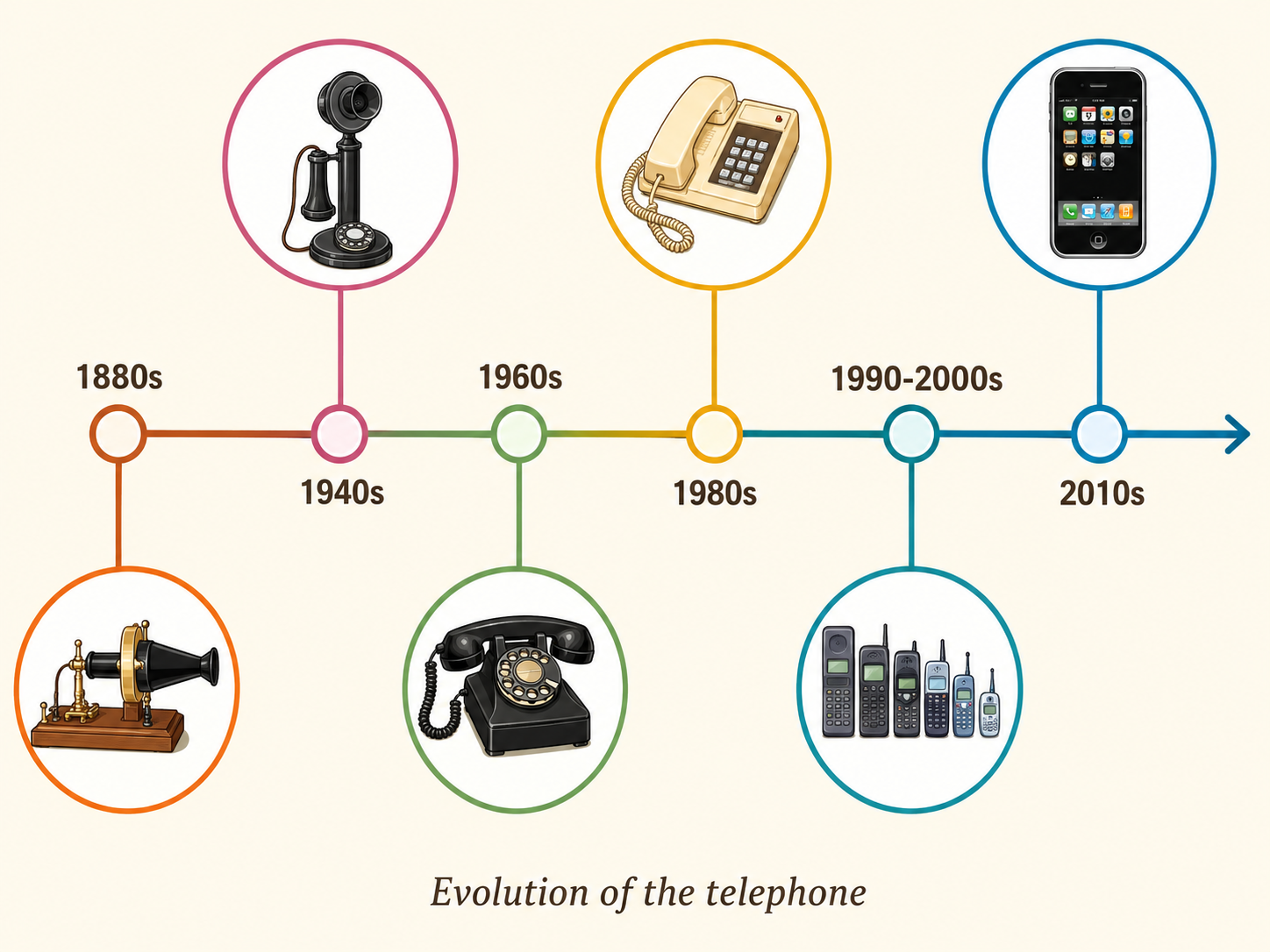
Answer: Before mobile phones became common, people sent long-distance messages through letters, postcards, and telegrams. For urgent communication, they used public telephone booths or trunk-call services. Letters often took several days to reach their destination.
My family members said that using a telephone for the first time was exciting because they could speak directly with relatives living far away. The arrival of mobile phones made communication even easier because people could call or send messages from almost anywhere.
They felt that mobile phones saved time, improved communication during emergencies, and helped families remain connected across cities and countries.
Question 7. Do you see other types of infrastructure around you like schools, colleges, training centres, hospitals, health centres, police stations, fire stations, courts, parks, libraries, community centres and so on? This is known as social infrastructure. How do you think it supports the wellbeing and development of communities and society? (Page 188)
Answer: Yes, social infrastructure includes institutions and public facilities that improve people’s health, education, safety, skills, and overall quality of life.
It supports communities in the following ways:
Health and Wellbeing: Hospitals and health centres provide medical treatment, vaccination, emergency care, and disease-prevention services.
Education and Skills: Schools, colleges, libraries, and training centres provide knowledge, education, and employment-related skills.
Safety and Justice: Police stations, fire stations, and courts maintain law and order, respond to emergencies, and protect people’s rights.
Community Life: Parks, playgrounds, community centres, and libraries offer spaces for recreation, learning, cultural programmes, and social interaction.
Social infrastructure therefore helps create healthier, safer, more educated, and better-connected communities.
Infrastructure: Engine of India’s Development Class 7 Solutions (Exercise)
Question 1. Which form of physical infrastructure has been built in your area in the last decade? How do you think it has benefitted you or your family members? If you could build something for the community, what would it be?
Answer: A new road and bridge network has been constructed in my area during the last decade. It has improved connectivity and reduced the time required to reach schools, offices, markets, and hospitals.
Travel has become safer and more convenient, particularly during the rainy season. Better roads have also supported local businesses by making it easier to transport goods and attract customers.
If I could build something for my community, I would construct a well-equipped community health centre. It would provide affordable medical care, basic tests, vaccination services, and emergency treatment. This would be especially helpful for children, older people, and families living far from major hospitals.
Question 2. How does infrastructure like ports, highways, and airports create jobs in different parts of the country? Can you think of indirect ways people benefit from it?
Answer: Ports, highways, and airports create direct employment during their construction, operation, and maintenance.
Engineers, architects, labourers, machine operators, security staff, technicians, drivers, cleaners, and administrative workers are required to build and manage these facilities. Airports also employ baggage handlers, pilots, ground staff, and air-traffic personnel. Ports require dock workers, shipping agents, and cargo handlers.
Infrastructure also creates indirect benefits. Hotels, restaurants, shops, warehouses, tourism services, vehicle-repair centres, and transport businesses often develop nearby. Farmers and manufacturers can send their goods to distant markets more quickly, increasing their income.
People also benefit from improved access to jobs, healthcare, education, tourism, and commercial opportunities.
Question 3. Why is it important to think about the environment when building new infrastructure like roads or airports? Can infrastructure development and environmental protection go hand in hand? If yes, how?
Answer: It is important to consider the environment because large infrastructure projects may lead to deforestation, habitat destruction, air pollution, noise, soil erosion, and water contamination. These effects can harm wildlife, natural resources, and human health.
Yes, infrastructure development and environmental protection can go hand in hand through careful planning.
Environmental Impact Assessment: Environmental studies should be conducted before construction to identify possible risks and reduce damage.
Sustainable Design: Projects can use energy-efficient designs, recycled materials, natural lighting, and renewable energy.
Protection of Biodiversity: Roads and railway lines can include wildlife crossings, underpasses, and protected green zones.
Pollution Control: Construction dust, noise, wastewater, and emissions should be properly controlled.
Resource Conservation: Rainwater harvesting, solar panels, wastewater recycling, and efficient waste management can reduce the use of natural resources.
Compensatory Plantation: Trees lost during construction should be replaced by planting and maintaining trees in suitable areas.
Question 4. How can better infrastructure (like roads, airports, communication systems) help during natural disasters like floods or earthquakes?
Answer:
Better infrastructure helps authorities prepare for natural disasters and respond more effectively.
Good roads, bridges, and airports allow rescue teams, medicines, food, and other emergency supplies to reach affected areas quickly. Aircraft and helicopters can provide relief in places that cannot be reached by road.
Strong communication networks allow authorities to send warnings, weather updates, evacuation instructions, and emergency alerts through mobile phones, television, radio, and digital applications.
Disaster-resistant buildings, bridges, hospitals, shelters, and drainage systems reduce damage and protect lives. Reliable electricity and communication systems also help hospitals, police, firefighters, and rescue centres continue operating during emergencies.
Question 5. Have you ever noticed people misusing public spaces, like scribbling on walls, breaking streetlights, or damaging benches? What are its consequences? Write your observations and suggest solutions to prevent it.
Answer: Yes, I have seen people littering roads, writing on walls and monuments, damaging benches, and breaking streetlights. Such actions spoil public spaces and make them unsafe or unpleasant for others.
Damaging public infrastructure wastes taxpayers’ money because the government must spend additional funds on repairs. Broken lights may make streets unsafe, damaged benches reduce public comfort, and littering can spread disease and block drains.
Possible solutions include:
Creating awareness about the importance of public property
Installing CCTV cameras in important public places
Imposing fines for deliberate damage and littering
Providing enough dustbins and waste-collection facilities
Reporting damage promptly to the authorities
Organising community cleanliness and maintenance drives
Teaching children to respect public property
Protecting public infrastructure is the responsibility of every citizen.
Question 6. Prepare ‘scenario posters’ for the following situations:
(i) A new factory is planned in an area. What form of infrastructure is required for its smooth operation?
Answer: A factory requires several forms of infrastructure for smooth and efficient operation.
(a) Transportation
Good roads, highways, and railway connections are required to bring raw materials to the factory and transport finished products to markets. Access to ports and cargo airports may be needed for international trade.
(b) Electricity and Water
Factories require a reliable electricity supply to operate machinery. They also need water for production, cleaning, cooling, and workers. Renewable energy sources such as solar power can make operations more sustainable.
(c) Communication
Strong mobile and internet networks are required for communication, online orders, market research, logistics, and coordination with suppliers and customers.
(d) Storage and Waste Management
Warehouses are needed to store raw materials and finished products. Safe systems must also be developed for treating and disposing of industrial waste.
(e) Social Infrastructure
The surrounding area should have housing, hospitals, schools, transport, and safety services for workers and their families.
(ii) Self-cleaning roads, underground highways, and high-speed bullet trains could be part of a futuristic city! Imagine the kind of infrastructure that would be required in the future that could help ease the lives of the people and communities in your city, town or village for various day-to-day functions.
Answer: A futuristic city would use smart, clean, and accessible infrastructure to make daily life easier. High-speed trains, electric buses, underground roads, and safe cycling tracks would reduce travel time and pollution.
Smart traffic signals would control congestion, while self-cleaning roads and automated waste-collection systems would keep public spaces clean. Solar and wind energy could supply electricity to homes and public buildings.
Digital networks would provide fast internet and allow people to access education, healthcare, banking, and government services from home. Smart systems could monitor water supply, electricity use, air quality, and waste disposal.
Buildings, bridges, and communication networks would also be designed to withstand floods, earthquakes, storms, and other emergencies.
(iii) Think about upgrades to the infrastructure near you, considering the terrain of your area, such as coastal, mountainous, plains, etc., and the type of natural calamities your region is prone to.
Answer: Infrastructure should be upgraded according to the terrain and natural disasters that affect each region.
In mountainous areas, stronger roads, tunnels, retaining walls, and all-weather bridges are required. Early-warning systems and emergency shelters can protect people from landslides, heavy snowfall, and earthquakes.
In coastal areas, flood-resistant roads, cyclone shelters, strong drainage systems, sea walls, and reliable evacuation routes are important. Mangroves should also be protected because they reduce the impact of storms and coastal flooding.
In plains and flood-prone regions, raised roads, stronger bridges, improved drainage, embankments, and rainwater-management systems are needed.
In urban areas, infrastructure upgrades should focus on public transport, waste management, pedestrian paths, water supply, drainage, and disaster-resistant buildings.
(iv) If you could design a new railway or metro station, what would it look like and what features would you add to make it more fun and comfortable for the passengers?
Answer:
I would design a modern, safe, accessible, and eco-friendly railway or metro station. The building would use natural light, ventilation, solar energy, and rainwater harvesting.
The station would have wide platforms, comfortable seating, clean toilets, drinking-water facilities, charging points, and free Wi-Fi. Digital boards and clear announcements would provide real-time travel information.
Ramps, lifts, tactile paths, wheelchairs, and accessible toilets would be available for older people and passengers with disabilities. There would also be child-friendly waiting areas, small libraries, food stalls, medical assistance, and secure luggage facilities.
Separate waste bins and an efficient cleaning system would keep the station tidy. CCTV cameras, security staff, fire-safety systems, and emergency exits would ensure passenger safety.
Question 7. Today’s modern infrastructure requires consistent technological innovations. For instance, electric vehicles are increasingly being used by people as a cheaper alternative to polluting fuel like diesel or petrol. Find out about other innovations in infrastructure that can improve ease of living or mobility for communities.
Answer:
Several technological innovations can improve mobility, reduce pollution, and make everyday life easier.
Electrified Railways: Electric trains reduce dependence on diesel and produce less air pollution during operation.
Solar-Powered Transport: Metro stations, railway stations, airports, and public buildings can use solar panels to generate clean electricity.
Smart Traffic Systems: Sensors and artificial intelligence can adjust traffic signals according to road conditions and reduce congestion.
High-Speed Rail: High-speed trains can reduce travel time between major cities and provide an alternative to air and road travel.
Electric Public Transport: Electric buses, taxis, and auto-rickshaws can reduce fuel use, noise, and air pollution.
Intelligent Charging Networks: Fast-charging stations can make electric vehicles more convenient for long-distance travel.
Smart Roads: Roads may use sensors to detect damage, control traffic, and provide warnings about accidents or weather conditions.
Digital Ticketing: Contactless cards, mobile applications, and digital payments can make travel quicker and more convenient.
Green Buildings: Energy-efficient buildings can use solar panels, natural lighting, recycled materials, and water-saving systems.
Sustainable Construction Materials: Recycled plastic, fly ash, and other eco-friendly materials can be used to construct roads and buildings while reducing waste.
These innovations can make infrastructure cleaner, safer, more efficient, and accessible to a larger number of people.
Physical vs Social Infrastructure at a Glance
How This Chapter Connects to Real Life?
What makes Chapter 7 different from the history chapters is that it asks students to look at their own surroundings.
The solutions cover practical, observation-based tasks - spotting economic activity around a metro station, drafting a "Community Responsibility Pact," listing local infrastructure problems and fixes, and designing eco-friendly schools or futuristic stations.
The answers explain how affordable mobile data became possible in India, how a new highway changes village life for better and worse, and why environmental planning has to sit alongside development.
These are the open-ended questions students often find hardest to frame on their own, so each model answer is written to be adapted, not just copied.
CBSE Class 7 Social Science Part 2 Chapter 7 Infrastructure: Engine of India’s Development Study Materials
Explore More NCERT Solutions for Class 7 Social Science Chapters
Related Study Material for Class 7 Social Science
FAQs on NCERT Solutions for Class 7 Social Science: Exploring Society India and Beyond Part 2 Chapter 7 Infrastructure: Engine of India’s Development - 2026-27 Free PDF Download (Login Required)
1. Where can I download the Class 7 Social Science Chapter 7 Infrastructure NCERT Solutions PDF?
The complete NCERT Solutions for Class 7 Social Science Part 2 Chapter 7 Infrastructure: Engine of India's Development are available as a free PDF on this Vedantu page. It includes answers to all the Big Questions, Let's Explore, Think About It, and Exercise questions and can be downloaded for offline study.
2. What is the difference between physical and social infrastructure in Class 7 Chapter 7?
Physical infrastructure is the visible network that supports the economy — roads, railways, ports, electricity, water, and communication systems. Social infrastructure is the institutions that improve people's lives — schools, hospitals, police and fire stations, courts, libraries, and parks. Both are needed for a community to function and grow.
3. Why is infrastructure called the "engine" of India's development from NCERT Solutions for Class 7 SST Part 2 Chapter 7?
Infrastructure is called the engine of development because no economic activity — farming, manufacturing, trade, education, or healthcare — can run without it. Roads and railways connect farms and factories to markets, reliable power and water keep industries running, and communication networks link people and services, all of which drive economic growth and prosperity.
4. How did mobile and internet services in India become so cheap from NCERT Solutions for Class 7 Social Science: Exploring Society India and Beyond Part 2 Chapter 7 Infrastructure: Engine of India’s Development ?
Mobile and internet rates fell sharply because India rapidly expanded its communication infrastructure - more towers, fibre-optic cables, satellites, and data centres. Better technology lowered the cost of providing services, competition among telecom companies pushed prices down, and the huge number of users spread operating costs across millions of customers.
5. How does good infrastructure help during natural disasters NCERT Solutions for Class 7 Social Science Chapter 7 Infrastructure: Engine of India’s Development?
Strong roads, bridges, and airports let rescue teams and supplies reach affected areas quickly, and aircraft can serve places that roads cannot. Reliable communication networks carry warnings, evacuation alerts, and weather updates, while disaster-resistant buildings, shelters, and drainage systems reduce damage and protect lives.
6. What are some examples of infrastructure problems and their solutions covered in this chapter from SST Class 7?
The chapter looks at everyday problems like potholed roads, poor waste management, broken streetlights, leaking water pipes, and traffic congestion. Suggested solutions include regular road inspection and repair, better waste segregation and collection, solar-powered streetlights, pipeline maintenance with rainwater harvesting, and improved public transport with safe footpaths and cycle lanes.
7. Can infrastructure development and environmental protection happen together?
Yes. Through careful planning, the two can go hand in hand — using environmental impact assessments before construction, sustainable and energy-efficient designs, wildlife crossings to protect biodiversity, pollution control during building, and compensatory tree plantation to replace any greenery lost.
8. Are these Chapter 7 Infrastructure Solutions based on the latest CBSE 2026-27 syllabus?
Yes. All answers follow the latest "Exploring Society: India and Beyond" Part 2 textbook and the CBSE 2026-27 syllabus, so every question matches what students will see in their exams, and the free PDF is updated to the current pattern.
