



How to write step-by-step answers and score full marks in Class 4 EVS?
Activity 1 (Page 119)
Make Recycled Paper
1. Collect materials: Old newspapers. some fenugreek seeds (metlu) and water
2. Prepare the paper pulp: Tear the newspapers into small pieces and soak them in water. Put a small quantity of fenugreek seeds in the water and leave it overnight. The fenugreek seeds are used as a binding material.
3. Using a grinder, blend or mash the soaked paper and fenugreek seeds, to create a wet mixture. Soaked paper can also be mashed using hands or any other available tool.
4. Roll out: Spread the paste on a flat base and roll it out into thin sheets.
5. Leave the rolled sheets of paper to dry. Your recycled paper is ready.
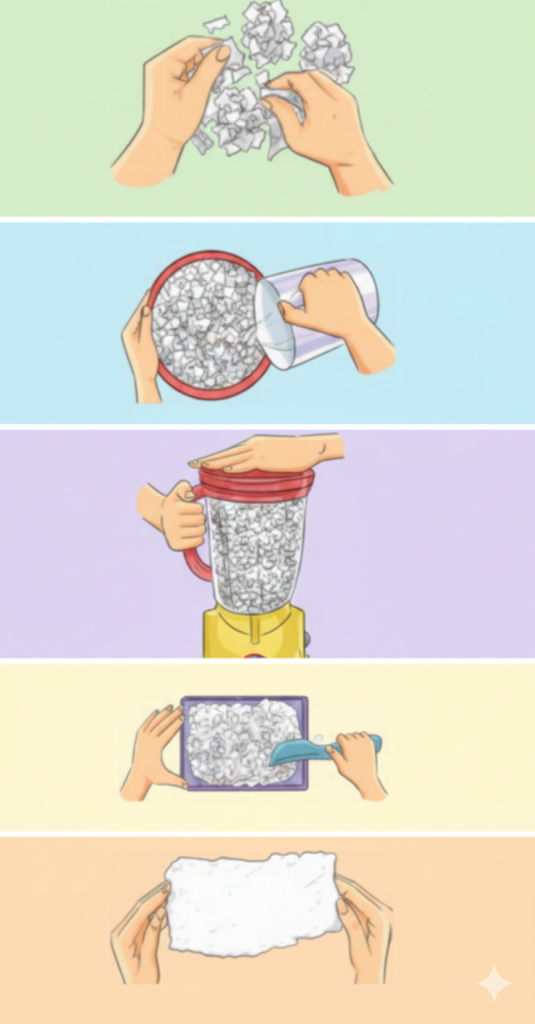
Answer: Follow the steps in order and complete the activity with help from your parents.
Activity 2 (Page 120)
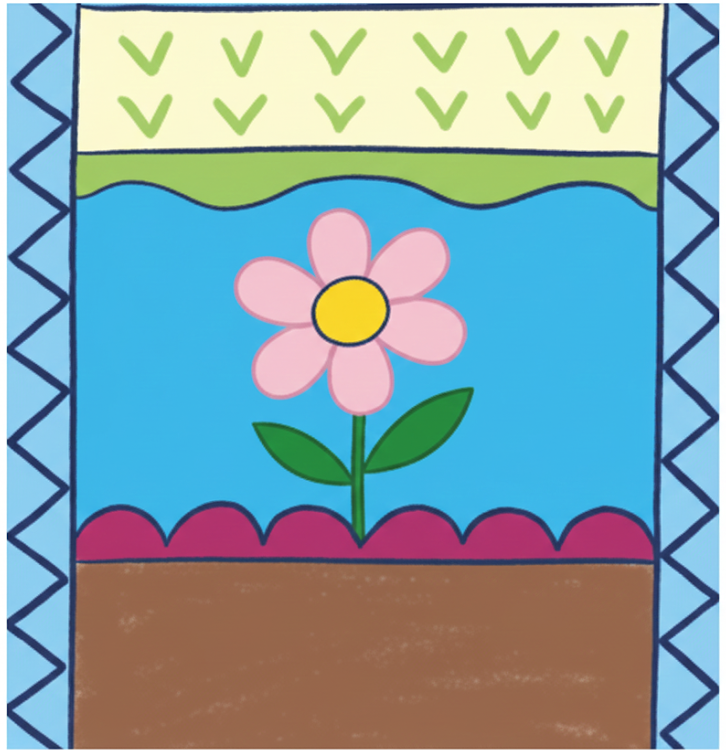
Colour and design the paper you have made.
Natural Colour Experiment Cut the recycled paper into pieces of same size. Colour them using natural ingredients mentioned in the table below.
You can use any other natural ingredients as well. Make sure that the quantity of ingredients used is the same for colouring each piece of paper. Write down your observations in the table below.
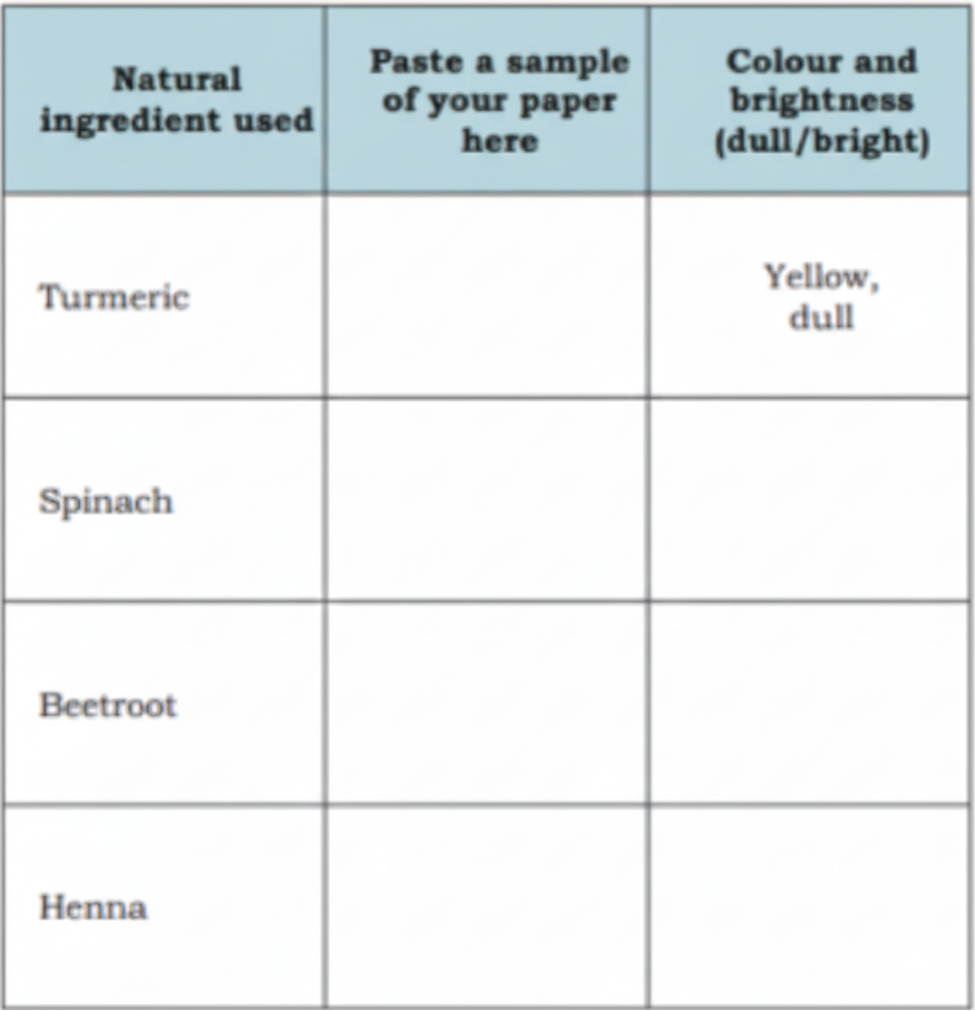
Answer: Hint
Activity 3 (Page 121)
Make a greeting card, paper mask or any such item made of recycled paper.
Answer:

Discuss (Page 122)
Question 1. Do you think that we waste paper?
Answer: Yes, paper is often wasted when we use it carelessly, such as discarding sheets after writing very little, printing unnecessary material, or using only one side of the paper.
Question 2. How can we reduce wastage of paper?
Answer: We can cut down on paper waste by writing on both sides of a sheet, choosing digital reading options, reusing old paper for rough work or creative activities, and recycling paper correctly to produce new items.
Activity 4 (Page 123)
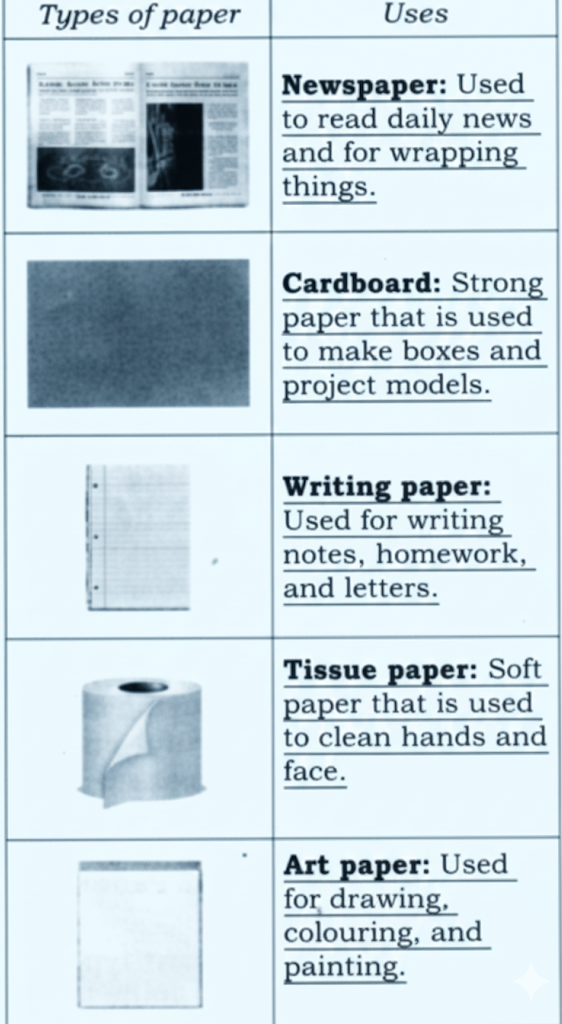
Different Type of Paper and their uses.
Observe the different types of paper that we use in our daily life, such as writing paper, newspaper, art paper, cardboard and tissue paper. Paste small pieces of different types of paper in the space given below and write their uses.
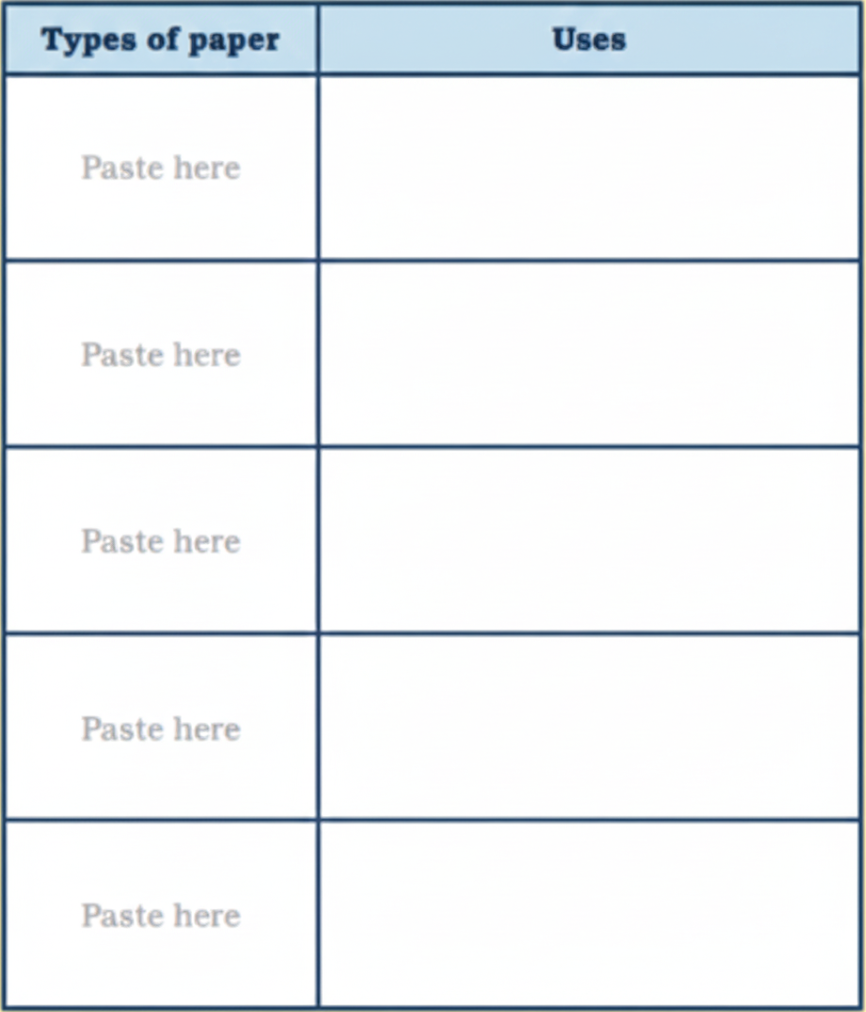
Answer:
Activity 5 (Page 125)
Discuss the following situations with your classmates and write down which of the 5Rs it belongs to:
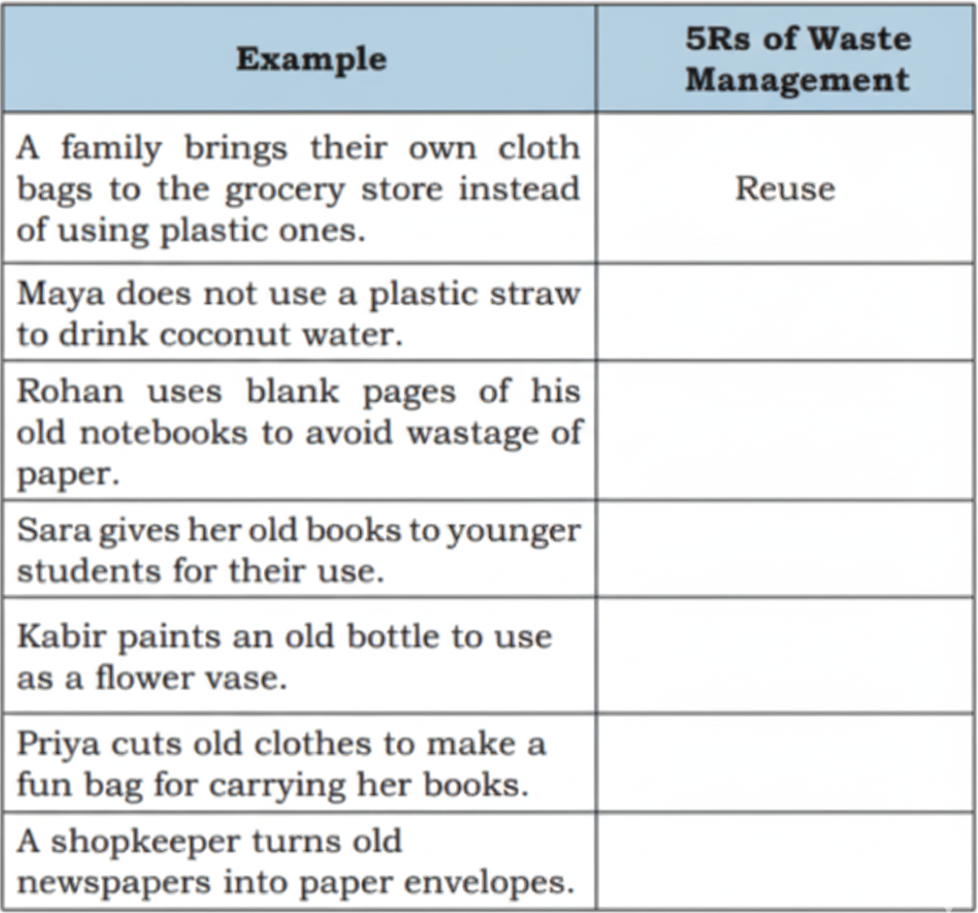
Answer:
Let Us Reflect (Page 127)
Question 1. What are some objects that you can make using paper pulp? Ask your teachers and elders for more ideas.
Answer: Some items that can be created from paper pulp include paper plates or containers, handmade greeting cards, decorative crafts such as paper flowers or photo frames, and recycled paper used to make notebooks.
Question 2. Write down one step you can take for each of the 5Rs in the boxes given below:
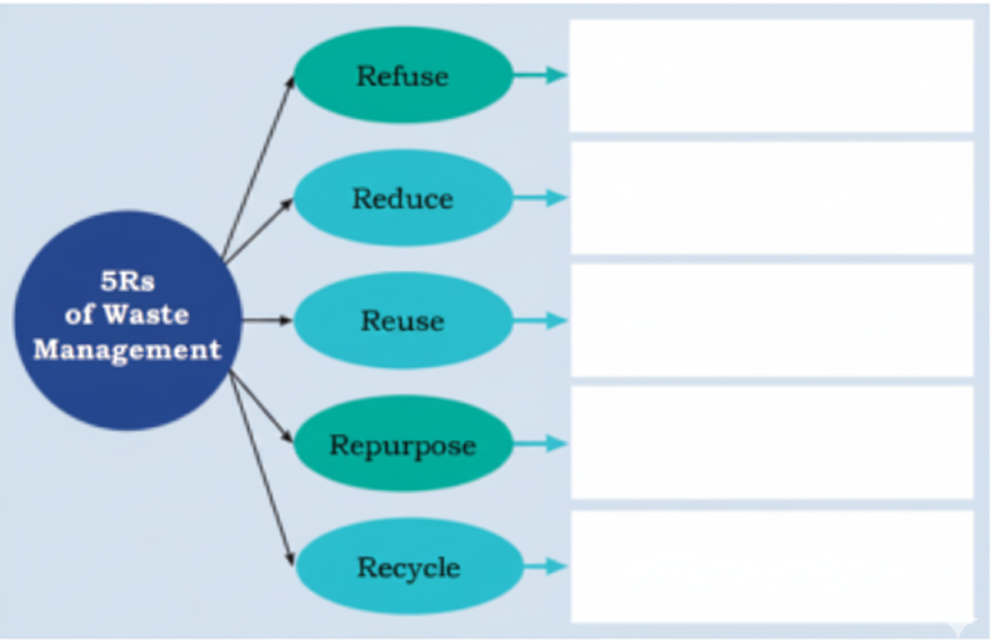
Answer:
Question 3. Discuss the changes you can bring in your daily life by using 5Rs rule to avoid wastage of paper. Complete the table with your ideas for creating these changes.
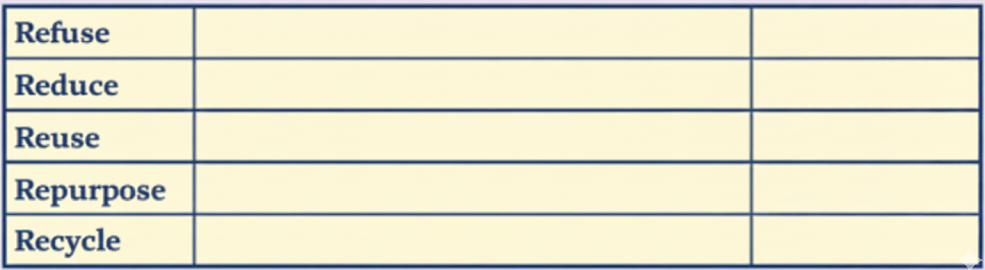
Answer:
Understanding How Paper is Made – Key Concepts for Class 4 EVS
Learning the process of making paper helps students appreciate how daily items are created from natural resources. This chapter explains both regular and recycled paper making, helping you understand why responsible usage is important for our environment.
Following the 5Rs of waste management—Refuse, Reduce, Reuse, Repurpose, Recycle—ensures that we use resources thoughtfully. Understanding these concepts with NCERT Chapter 8 will help you build strong Earth science foundations and score better in exams.
Revise all activities and key differences between various paper types. Practicing examples and exam tips provided in this chapter will sharpen your basics and make answer writing clear and effective during assessments.
FAQs on NCERT Solutions For Class 4 Our Wonderous World Chapter 8 How Things Are Made - 2026-27 Free PDF Download (Login Required)
1. What is included in NCERT Solutions for Class 4 EVS Chapter 8: How Things are Made?
NCERT Solutions for Class 4 EVS Chapter 8: How Things are Made include stepwise answers, key definitions, diagrams, and exam tips. This helps students understand concepts easily and prepare for school exams.
The solutions provide:
- Exercise-wise answers as per the textbook
- Clear stepwise explanations for full marks
- Important diagrams and definitions as per CBSE
- Tips for structuring long answers
- Free downloadable PDF for offline study
2. How do I write stepwise NCERT answers for Class 4 EVS Chapter 8 to score full marks?
To score full marks in Class 4 EVS Chapter 8, always write NCERT answers in clear steps with keywords.
Follow these tips:
- Start with a direct answer using chapter keywords
- Break explanations into numbered or bulleted steps
- Include a relevant definition or diagram if needed
- Write neatly and avoid skipping points
- End answers with a concluding sentence if asked
3. Are diagrams and definitions mandatory in Class 4 EVS Chapter 8 answers?
Including diagrams and definitions is highly recommended for Class 4 EVS Chapter 8 as per the CBSE marking scheme.
- Definitions should be accurate and brief
- Diagrams should be neat, labelled, and directly related to the answer
- You may get extra marks for proper use of both
4. Which questions are important for school exams from Class 4 Our Wonderous Wrold Chapter 8: How Things are Made?
Important exam questions from Class 4 EVS Chapter 8 usually cover materials, processes, and simple diagrams.
Frequently tested topics:
- Materials used to make common objects
- Steps in making any object (stepwise process)
- Fill in the blanks and short definitions
- Labelling diagrams on how things are made
5. How should I structure long answers in Class 4 EVS Chapter 8 for better marks?
For long answers, organize your response clearly and cover all parts of the question.
- Begin with a direct definition or introduction
- Break explanation into 3-5 clear points
- Use numbering or bullet points for steps
- Add a diagram or example if possible
- Conclude by summarizing the key point
6. Where can I download the solutions PDF for Class 4 Our Wonderous Wrold Chapter 8?
You can download the NCERT Solutions PDF for Class 4 EVS Chapter 8 from trusted educational sites that offer free downloads.
- Look for "Free PDF NCERT Solutions Class 4 EVS"
- Check the website's CBSE alignment and academic year (2026–27)
- Ensure all exercises and diagrams are included
7. Are NCERT Solutions enough for Class 4 EVS exams?
NCERT Solutions for Class 4 EVS are usually enough for most school exams, especially if you practise all exercise-wise and diagram-based questions.
- Focus on intext and back exercise solutions
- Revise definitions, diagrams, and important points
- Use revision notes for last-minute preparation
8. How can I quickly revise Class 4 EVS Chapter 8: How Things are Made before exams?
To revise Class 4 EVS Chapter 8 quickly:
- Read the chapter summary and revision notes
- Revise key definitions and diagrams
- Attempt the exercise-wise questions and MCQs
- Practise writing stepwise answers using keywords
- Use a 1-day or 3-day revision plan if available
9. What are the most important topics in How Things are Made for Class 4 EVS?
The most important topics in Class 4 EVS Chapter 8: How Things are Made are:
- Materials used to make objects (wood, metal, plastic, etc.)
- Process of making things stepwise
- Simple labelled diagrams
- Key definitions and uses of each object
- Examples of handmade and machine-made items
10. Do examiners award partial marks for correct steps even if the final answer is wrong?
Yes, CBSE examiners often give step marks for each correct point or step, even if the final answer is partly wrong.
- Write all steps clearly in a logical order
- Even if you forget the last point, you can earn marks for the correct steps written
- Always try to attempt every part of the question for best scores
11. How can I improve my marks in diagram/map labelling for Class 4 EVS Chapter 8?
To score higher in diagram/map labelling, follow these tips:
- Draw neatly and use a pencil
- Label parts clearly with straight lines
- Use correct spellings and standard terms
- Practise common diagrams from NCERT Solutions
- Revise map/diagram conventions like symbols and headings
12. How do I check if my answers match the CBSE marking scheme for Class 4 EVS?
To align your answers with the CBSE marking scheme:
- Use keywords and stepwise points mentioned in NCERT Solutions
- Include definitions or diagrams when required
- Write pointwise rather than in long paragraphs
- Check NCERT Solutions' "marking scheme insights" sections
- Practise sample papers to get familiar with marks allocation
