







Animal sounds list and phonics word examples for kids
Animals and Animal Sounds phonics helps kids connect animal names with the fun sounds they make. When children read words like cow, lion, or duck, they can also remember moo, roar, and quack. This makes reading more exciting and meaningful. Learning animal sounds for kids builds vocabulary, listening skills, and early reading confidence in a playful way.
Quick Facts About Animals and Animal Sounds
| Feature | Details |
|---|---|
| Topic Type | Phonics Vocabulary Theme |
| Focus | Animal names and their sound words |
| Sound Words | Moo, Roar, Woof, Meow, Quack, Neigh |
| Helps With | Reading, spelling, listening, and speaking skills |
What Are Animals and Animal Sounds in Phonics?
In Animals and Animal Sounds phonics, children learn:
- The name of an animal.
- The sound that animal makes.
- How to read and spell both words.
Many animal sounds are called sound words because they sound like the noise the animal makes.
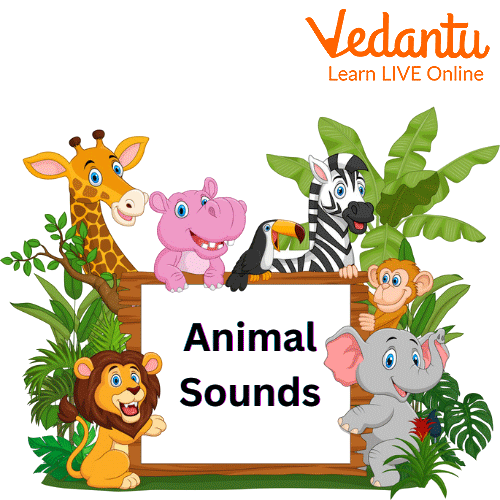
Common Animals and Their Sounds
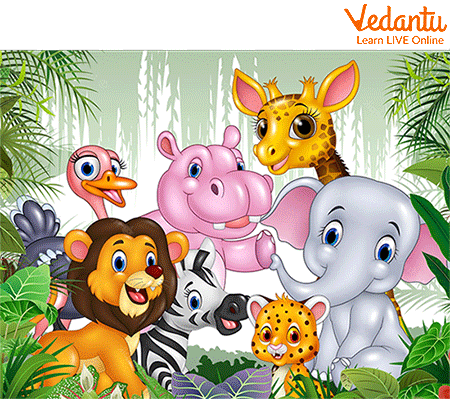
How to Read Animals and Animal Sounds Words
Step 1: Say the animal name slowly. Example: C-O-W → cow.
Step 2: Read the sound word. M-O-O → moo.
Step 3: Say them together: “The cow says moo.”
Simple Reading Practice
- The dog says woof.
- The cat says meow.
- The duck says quack.
- The lion says roar.
Animals and Animal Sounds Words List
Cow – Moo
Pig – Oink
Sheep – Baa
Horse – Neigh
Lion – Roar
Tiger – Growl
Elephant – Trumpet
Wolf – Howl
Dog – Woof
Cat – Meow
Parrot – Squawk
Hamster – Squeak
Frog – Croak
Dolphin – Click
Seal – Bark
Whale – Sing
Fun Phonics Tips
Fun Activity for Kids
Animal Sound Match Game:
- Write animal names on one set of cards.
- Write sound words on another set.
- Mix them up and match the correct pairs.
This Animals and Animal Sounds practice helps kids remember words quickly and easily.
Amazing Facts About Animal Sounds
- Dogs bark differently depending on their mood.
- Cats can make over 100 different sounds.
- Lions can roar so loudly it can be heard far away.
- Dolphins use clicking sounds to talk to each other.
- Some birds can copy human speech.
FAQs on Animals And Animal Sounds Phonics for Early Readers
1. What are animal sounds in phonics?
Animal sounds in phonics are fun sound words that copy the noises animals make and help children learn letters and reading skills.
- These words are called onomatopoeia (sound words).
- Examples include moo (cow), woof (dog), meow (cat), and quack (duck).
- They help kids connect letters and sounds in early reading.
- Learning animal sounds builds phonemic awareness and listening skills.
2. How do you teach animal sounds to early readers?
You can teach animal sounds by saying, hearing, and reading the sound words together.
- Say the animal name and its sound: dog – woof.
- Clap the sounds in words like /m/ /oo/ in moo.
- Match pictures of animals to their sound words.
- Practice blending sounds to read words like c-a-t → cat.
3. What are some common animal sound words for kids?
Common animal sound words are simple, short words that are easy for kids to read and spell.
- Moo – cow
- Woof or bark – dog
- Meow – cat
- Quack – duck
- Oink – pig
- Neigh – horse
4. How do animal sounds help with blending and reading?
Animal sounds help children practice blending letter sounds to read whole words.
- Blend /m/ + /oo/ to read moo.
- Blend /q/ + /ua/ + /ck/ to read quack.
- Listen for beginning sounds like /w/ in woof.
- Identify ending sounds like /k/ in oink.
5. What letters do animal sound words usually start with?
Animal sound words often begin with clear consonant sounds that are easy for young learners to hear.
- M – moo, meow
- W – woof
- Q – quack
- O – oink
- N – neigh
6. Are animal sounds good for rhyming practice?
Yes, animal sounds are great for rhyming and word family practice in phonics lessons.
- Moo rhymes with zoo, boo, too.
- Woof can connect to similar sound patterns like roof.
- Quack rhymes with back, pack, duck (similar ending sound family practice).
7. How can parents make learning animal sounds fun at home?
Parents can turn animal sounds into playful phonics games to boost reading and spelling skills.
- Play “Guess the animal sound” and match it to the word.
- Create flashcards with animals and their sound words.
- Read animal-themed storybooks and point out words like moo and meow.
- Sing songs like “Old MacDonald” to repeat key sounds.
