




Free Easter worksheet activities with puzzles coloring and writing exercises
Easter is a Christian holiday celebrating the revival of Jesus Christ. Easter is one of the principal holidays or feasts of Christianity. Kids search for the candies usually outdoors and eggs they find in their Easter Baskets.
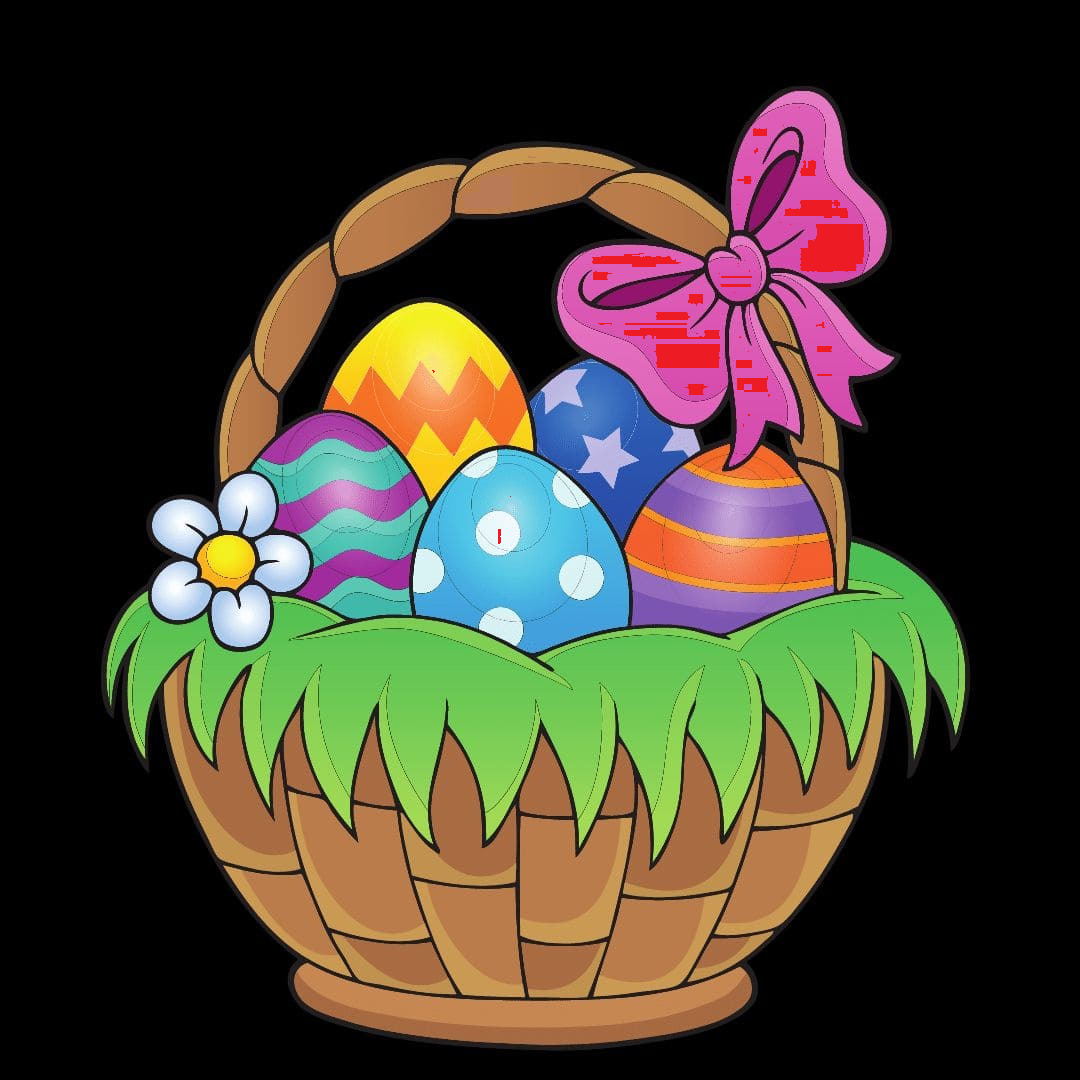
an easter basket
Examples:
1. Write the missing letters.
C_L_B_AT_ON
HO_ID_Y
2. Fill in the blanks –
I have a _____ dress.
We like to _______ books.
They like to go on a ______.
[new, ride, pencil, or read]
Answer:
1. E , E , R , I i.e, CELEBRATION
L , A i.e, HOLIDAY
2. New, i.e, I have a new dress.
Read, i.e, We like to read books.
Ride, i.e, They like to go on a ride.
Questions:
1. How many easter eggs can you see in the following picture?

an image has seven colourful eggs
Seven or eleven
2. Write the missing letters.
CHO_OLA_ES
BA_KE_S
M_TH_R
3. What is in the following picture?

an image of flowers
Sky or flowers
4. Count the candies in the following picture.

an image of four candies
5. Solve the following -
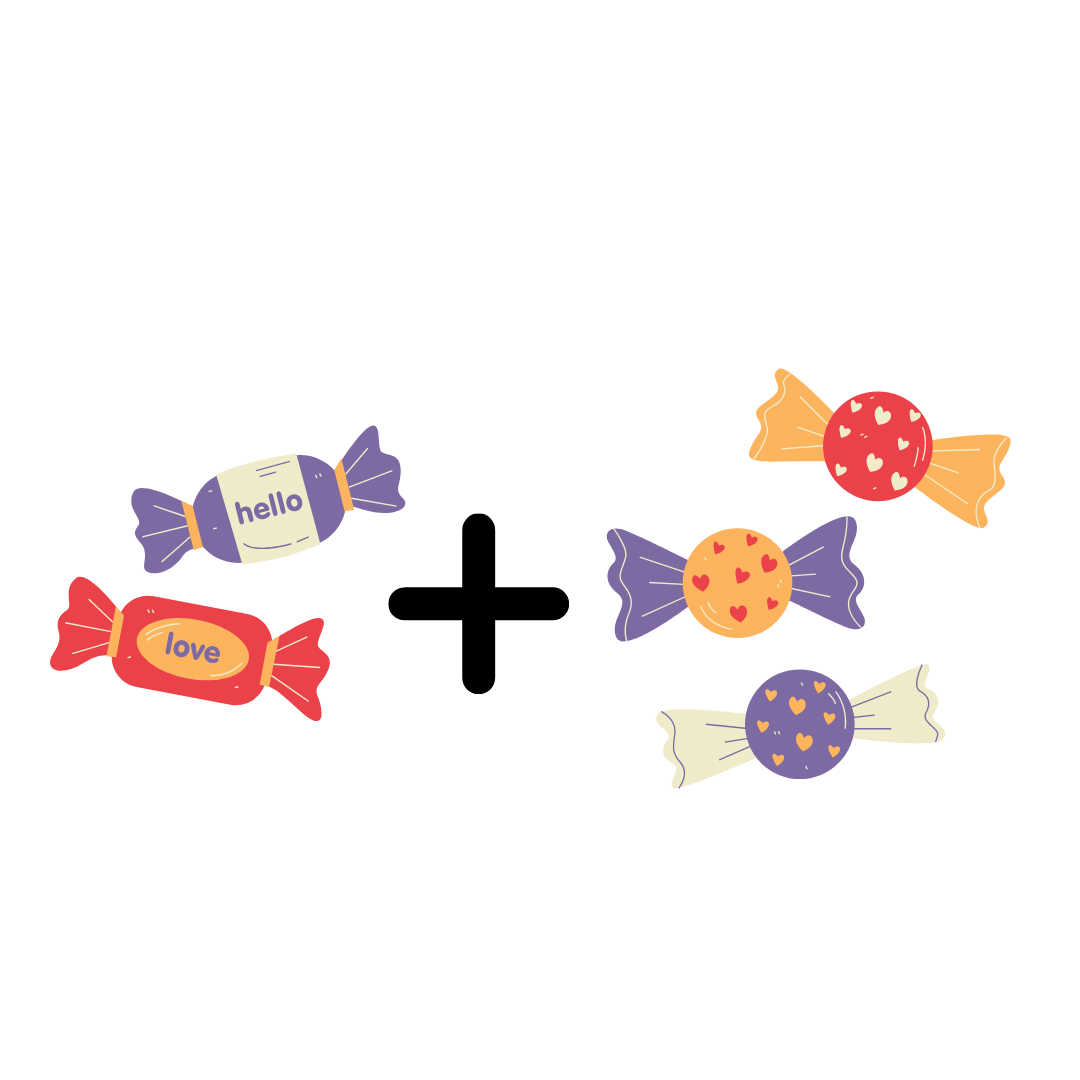
an image of two candies an image of three candies
6. Circle the following Easter words -
Chocolates, fish, flowers, computer, eggs, blanket, candy

an image of animated chocolate

an image of animated laptop
7. Write the missing letters.
W_DN_SDA_
CH_IS_IA_
S_IN_
8. Who is in the following picture?

picture of Jesus Christ
Lord Shiva, Goddess Lakshmi or Jesus Christ
9. Count the baskets in the following picture.
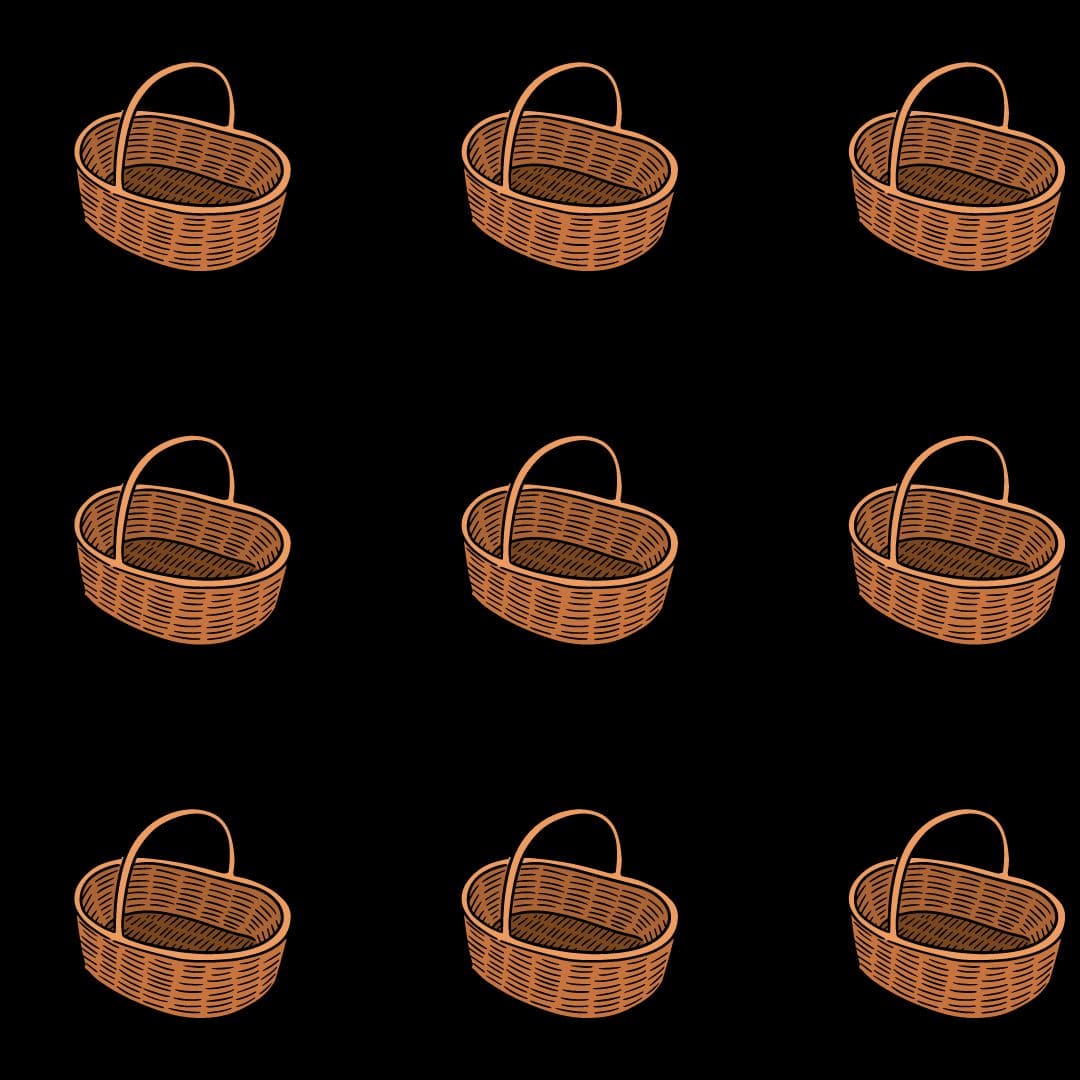
an image of nine baskets
[ Twelve, nine, Five, or one]
10. Fill in the blanks -
John loves to eat ________.
Sarita likes to watch __________.
The dog and the snail ______ for a walk.
[cook, television, pizza, went, or stars]
11. How many children are there playing in the ground in the following picture?
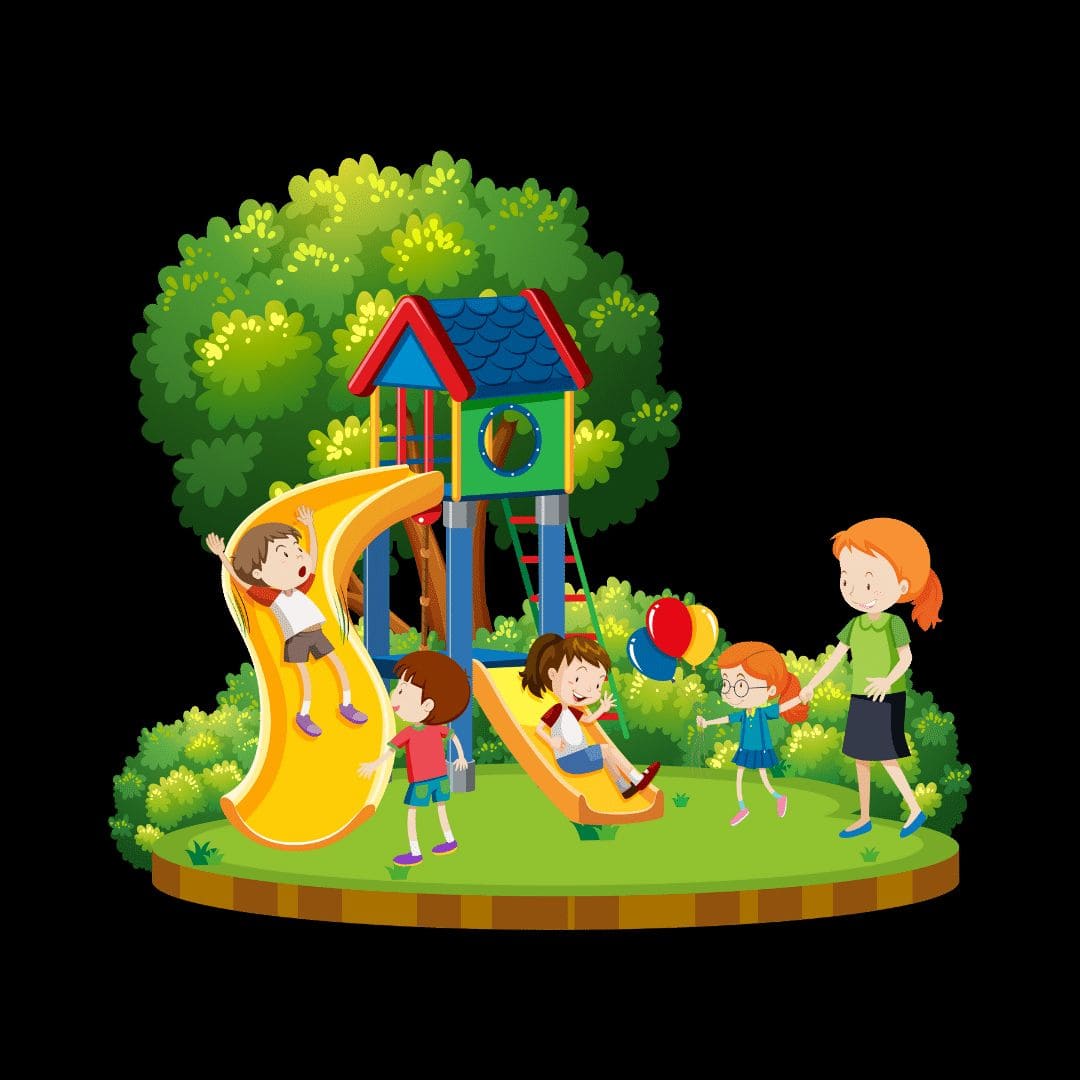
an image of children playing in ground
[Seven, eight, or nine]
12. Match the following.

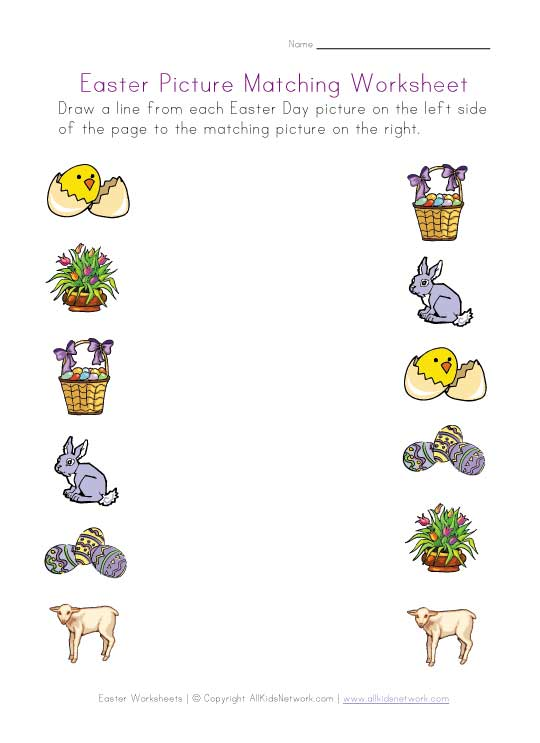
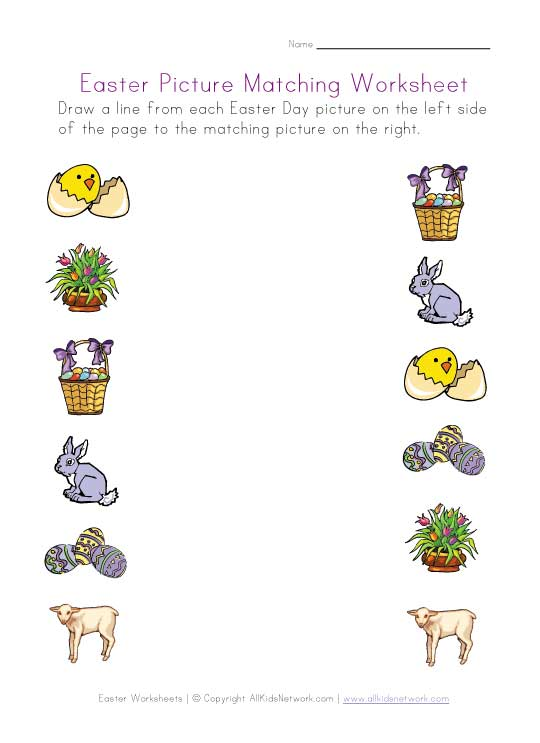

13. What is in the following picture ?
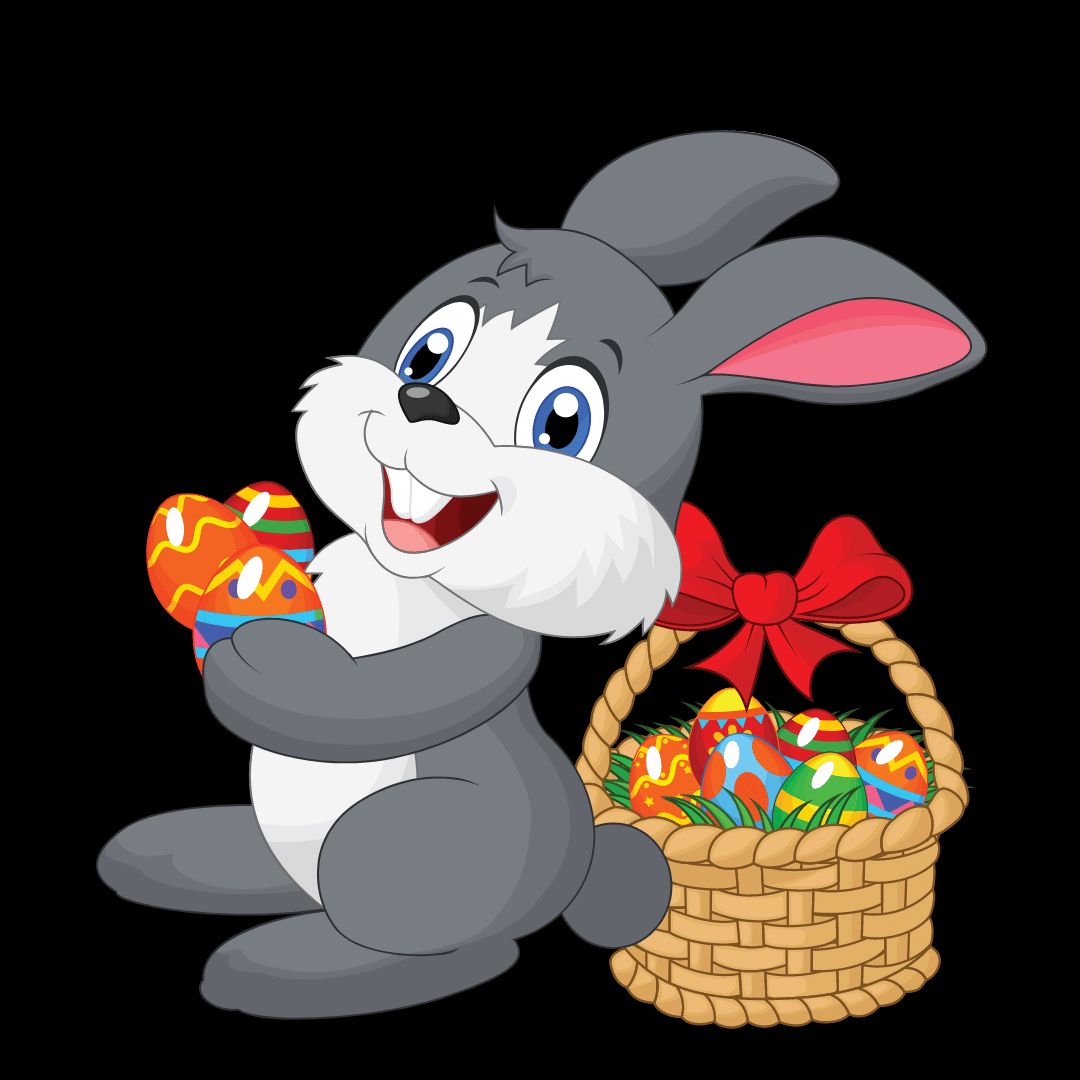
an image of an Easter bunny
[Easter bunny, Monkey or Tiger]
14. Circle the following Easter words -
Church, crocodile, tulip, bunny, table, chick, notebook, Good Friday, toffees

an image of a church

an image of a chick
15. Fill in the blanks -
I play in the park with ___ friends.
These are our neighbours. This is _______ motorcycle.
_____ school closed a month ago.
[their, she, my, our, or her]
Answers:
1. Seven easter eggs, there are seven easter eggs in the picture.
2. C , T i.e,CHOCOLATES
S , T i.e, BASKETS
O , E i.e, MOTHER
3. Flowers, there are flowers in the picture.
4. There are four candies in the picture.
5. Five candies, there are five candies in the picture in total.
6. Chocolates, flowers, eggs, and candy.
7. E , E , Y i.e, WEDNESDAY
R , T , N i.e, CHRISTIAN
A , T i.e, SAINT
8. Jesus Christ, there is Jesus Christ in the picture.
9. Nine baskets, there are nine baskets in the picture.
10. Pizza, i.e, Johan loves to eat pizza.
Television, i.e, Sarita likes to watch Television.
Went, i.e, The dog and the snail went for a walk.
11. Seven children, there are seven children playing in the ground in the picture.
12. a)= ii), b)=iv), c)=i), d)=iii).
13. Easter bunny, there is an Easter bunny in the picture.
14. Church, tulip, bunny, chick, Good Friday, and toffees.
15. I play in the park with my friends.
They are my neighbours. This is their motorcycle.
Our school closed a month ago.
Importance of Easter Worksheets for Children of Class KG-3
The helpful Easter Worksheets for 1st Grade have been formulated by the experts at Vedantu. Easter is a special holiday for Christians as this day marks the resurrection of Jesus Christ after his crucifixion.
The day is celebrated worldwide in different countries to celebrate the return of Jesus Christ. Both adults and children have a lot of fun celebrating Easter and finding the Easter Eggs.
Children are especially overjoyed about the holiday; hence, they should be aware of the importance of this day. Hence, the worksheets for the Easter Holiday have been provided by the experts at Vedantu to provide details about this day to the students.
By downloading the worksheets for Easter, students can practice answering the questions and gain a lot of information about this holiday.
The worksheets have different types of questions, exercises, and activities that will make the learning process a lot more fun and informative for the students. They can learn about this special holiday from these activities and enjoy themselves in the process.
Benefits of Easter Activities Worksheet for the Students
One of the main benefits of referring to the Easter Worksheets PDF is that students can better understand Easter from these study materials.
Vedantu’s experts have explained the details about the Easter holiday in the worksheets. They have used simple language to help the students understand the topics easily.
Students of Class KG-3 can answer different questions to learn the topic. There is a lot of variety in the questions. For instance, Fill in the blanks, Wordsearch, easter sudoku, and many other worksheets are available to test students' knowledge.
They can download the worksheets and practice to prepare for their exams in the best way. These worksheets will allow the students to complete the topic easily and get extra revision time.
Learn About Easter With Proper Easter Worksheets Right Now
This is your chance to download the Easter Activities Worksheet and learn all about the special holiday. Students can practice answering the questions and solving the puzzles in these worksheets to gain more knowledge.


FAQs on Easter Worksheet Printables for Classroom and Home
1. What is an Easter worksheet?
An Easter worksheet is a themed educational activity sheet designed to help students practice English skills using Easter-related vocabulary and topics.
- It may include reading comprehension passages about Easter traditions.
- It often contains vocabulary exercises with words like egg, bunny, and basket.
- It can also feature grammar tasks, writing prompts, or coloring activities for young learners.
2. What skills can students practice with an Easter worksheet?
An Easter worksheet helps students practice reading, writing, vocabulary, grammar, and comprehension skills in a fun, seasonal context.
- Reading: Short passages about Easter traditions.
- Writing: Describing an Easter celebration.
- Grammar: Using past tense verbs in Easter stories.
- Vocabulary: Learning holiday-related words.
3. What vocabulary words are commonly included in an Easter worksheet?
Common Easter worksheet vocabulary includes words related to traditions, symbols, and celebrations.
- Easter bunny
- Easter egg
- Basket
- Chocolate
- Spring
- Church
- Resurrection
These words are often used in spelling exercises, matching tasks, and sentence-writing activities.
4. How do you create an Easter worksheet for English class?
To create an effective Easter worksheet, choose a language skill and design themed activities around it.
- Select a focus area such as grammar or reading comprehension.
- Add Easter-themed content like a short story or dialogue.
- Include practice tasks such as fill-in-the-blanks or multiple-choice questions.
- Provide an answer key for easy assessment.
5. How can an Easter worksheet improve reading comprehension?
An Easter worksheet improves reading comprehension by combining engaging holiday content with structured questions.
- Students read a short Easter-themed passage.
- They answer WH-questions such as “Who,” “What,” and “Why.”
- They identify the main idea and supporting details.
This approach strengthens understanding while keeping learners motivated.
6. What grammar activities can be included in an Easter worksheet?
An Easter worksheet can include grammar exercises that practice key English rules using holiday examples.
- Past simple tense: “The children found eggs in the garden.”
- Adjectives: “She has a colorful basket.”
- Prepositions: “The eggs are under the table.”
- Plural nouns: egg → eggs.
7. Are Easter worksheets suitable for ESL students?
Yes, Easter worksheets are suitable for ESL (English as a Second Language) students because they provide contextual and visual learning opportunities.
- They introduce cultural vocabulary in a simple way.
- They use pictures and matching tasks for better understanding.
- They encourage short, guided writing practice.
Teachers can adjust the difficulty level for beginners, intermediate, or advanced learners.
8. What is an example of an Easter writing prompt?
An Easter writing prompt asks students to write about a holiday-related topic using correct grammar and vocabulary.
- Example prompt: “Describe how you celebrate Easter with your family.”
- Students can include details about food, activities, and traditions.
- Encourage the use of complete sentences and proper punctuation.
9. What is the difference between an Easter worksheet and an Easter activity sheet?
The main difference is that an Easter worksheet usually focuses on academic skills, while an Easter activity sheet may focus more on fun or creative tasks.
- Worksheet: Grammar exercises, reading comprehension, vocabulary practice.
- Activity sheet: Coloring pages, word searches, puzzles.
However, many teachers use both terms interchangeably in classroom settings.
10. Why are themed worksheets like Easter worksheets effective in learning English?
Themed worksheets like Easter worksheets are effective because they increase engagement while reinforcing core English skills.
- They connect language learning to real-world celebrations.
- They improve motivation through seasonal topics.
- They provide meaningful context for vocabulary and grammar practice.
This combination of fun and structure supports better retention and understanding.
