








What Are Trade Unions?
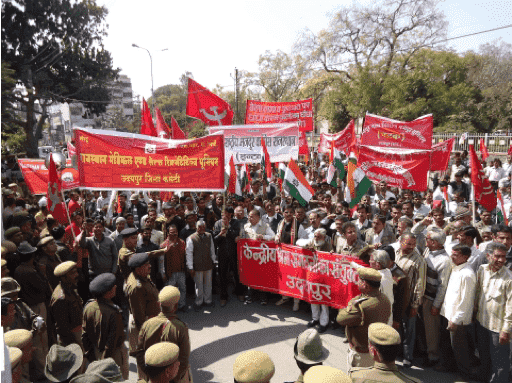
A Protest held by a Trade Union
Trade unions are autonomous, membership-based associations of workers who advocate for and engage in collective bargaining on behalf of the working class. They offer guidance to their members who have issues at work, speak on their behalf when interacting with employers, and negotiate better pay and working conditions.
Additionally, unions support members' educational and learning possibilities, advance equal opportunity at work, combat discrimination, and aid in guaranteeing a safe and healthy atmosphere at work. Unions also ensure that their employees' legal rights are upheld. Numerous unions offer their members services, including welfare benefits, private legal counsel, and financial support.
What is the need for a Trade union?
Engaging in collective agreements with the administration ensures that workers and employees have improved working conditions.
Providing workers with protection and monitoring employee hiring and firing.
Assisting management in the proper level of worker grievance remedies.
Referring a disagreement or issue to arbitration if it is not resolved.
Discuss management issues, including working hours, extra compensation, pay, and access to healthcare and other social programmes.
To foster collaboration with employers.
To stir up support for labour and workers in the general public.
What are the Characteristics of a Trade Union?
Association of Employees: A trade union is simply an organisation of workers who are members of a specific class of job, profession, trade, or business.
Association made Voluntarily: A worker voluntarily joins a union. No one can be forced to join a union.
Permanent: Trade unions are typically considered permanent bodies. Members may join and leave, yet the union is still in place.
Shared Interest: Members of a trade union come together over issues such as job security, better salary and conditions of employment, and other issues of common interest.
Group Action: When a single employee complains about a particular management decision, the trade union will step in to help resolve the issue.
What is the role of Trade Unions?
Employee unions play an important role in an organisation by doing the following -
through aiding in the hiring and choosing of employees.
through encouraging workplace discipline, allowing for the amicable resolution of labour conflicts, and assisting with societal adaptations. The new working environment and the new norms and procedures must be adopted by the workforce. Diverse backgrounds in the workforce may cause disarray, discontentment, and frustration. Unions assist them in making such adjustments.
lowering the incidence of labour disputes and instilling in workers a feeling of corporate social responsibility will promote and maintain national cohesion.
establishing industrial harmony
Significance of Trade Unions
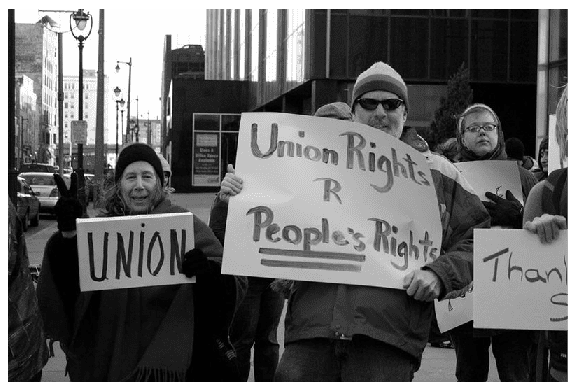
Unions Fighting For People’s Rights
Trade unions give workers a place to connect and get to know one another, which fosters a feeling of cooperation. They allow employees to play, relax, and experience the environment.
Trade unions are crucial in setting up face-to-face talks between employees and employers to resolve employee complaints. Trade unions are a useful tool for improving workplace relations.
To ensure that union workers have improved working conditions: By banding together under trade unions, employees can better demand that their employers provide all basic support for their employees and, if necessary, use agitation to do so.
To defend employees' desires: Trade unions protect workers' rights from mistreatment at the hands of employers.
To advance the interests of employees: Trade unions try to better the financial circumstances and difficulties of the workforce.
To ensure the well-being of their members, trade unions work to secure housing options. They also make arrangements for the union workers' children's schooling. Thus, the trade union works to advance the workers' socioeconomic well-being while also attempting to keep them away from bad practices.
Summary
When a worker is feeling especially helpless, a worker union gives them the chance to accomplish their goals with the aid of their fellow workers. It safeguards the financial interests of the workers and guarantees fair wage rates and wage schedules for them. In addition to receiving higher pay, unions assist their members in obtaining certain benefits. This is why unions are important.


FAQs on Understanding Trade Unions: Roles and Importance
1. What is a trade union and its purpose?
A trade union is an organized association of workers formed to protect and advance their rights and interests in the workplace. The main purpose of a trade union is to negotiate with employers on behalf of its members to improve working conditions, pay, and benefits. Trade unions also play a role in representing employees during disputes and ensuring workplace safety. By giving workers a collective voice, unions aim to promote fair treatment and stronger job security. In summary, a trade union works to protect workers’ rights, secure better pay, and foster safer, fairer workplaces.
2. What are the 5 largest unions in the US?
The United States has several major labor unions representing millions of workers across various sectors. The five largest unions, based on membership numbers, are:
- National Education Association (NEA): Represents educators and school staff.
- Service Employees International Union (SEIU): Focuses on health care, public services, and property services.
- American Federation of State, County, and Municipal Employees (AFSCME): Represents public service employees.
- Teamsters (International Brotherhood of Teamsters): Covers transportation and logistics workers.
- American Federation of Teachers (AFT): Represents teachers and education workers.
3. What are the five trade unions?
The phrase "five trade unions" can refer to prominent labor unions in a region or sector, but there is no universal set of five globally. In the U.S., for instance, common major trade unions include:
- National Education Association (NEA)
- Service Employees International Union (SEIU)
- International Brotherhood of Teamsters (Teamsters)
- United Food and Commercial Workers (UFCW)
- United Auto Workers (UAW)
4. What is an example of a trade union?
An example of a trade union is the Service Employees International Union (SEIU). This union represents workers in industries such as healthcare, public services, and property management. SEIU’s primary role is bargaining for better wages, benefits, and working conditions for its members. Through collective action, SEIU has been able to secure important benefits and protections for workers. Trade unions like SEIU help ensure that worker voices are heard during negotiations with employers, making the workplace fairer for everyone involved.
5. How do trade unions benefit employees?
Trade unions provide employees with several important benefits by acting as a collective voice in the workplace. Employees who join unions often experience:
- Improved wages and benefits through collective bargaining.
- Greater job security and protection against unfair dismissal.
- Better health and safety standards in the workplace.
- Access to legal support and grievance representation.
6. What is the difference between a trade union and a labor union?
Although the terms "trade union" and "labor union" are often used interchangeably, there are subtle differences. A trade union typically refers to an organization representing workers in a specific trade or craft, like electricians or carpenters. In contrast, a labor union can represent a broader mix of employees across multiple industries or professions. Regardless of the name, both aim to protect workers’ rights, negotiate contracts, and address workplace concerns. In the U.S., "labor union" is more common, while "trade union" is frequently used internationally.
7. How do trade unions influence labor laws?
Trade unions play a significant role in shaping labor laws and employment standards. By organizing workers and negotiating with employers, unions identify issues that require legal protections. They lobby governments to create legislation that safeguards workers' rights, such as minimum wage laws, workplace safety regulations, and anti-discrimination policies. Trade unions also monitor and enforce these laws, ensuring compliance. As a result, union activity has led to stronger, more equitable labor standards in many countries, benefiting both union and non-union workers alike.
8. What challenges do trade unions face today?
Modern trade unions confront a variety of challenges as the workforce evolves. Some of these difficulties include:
- Declining membership due to changes in the economy and labor market.
- Increasing prevalence of non-traditional work arrangements, such as gig or freelance jobs.
- Legal and political restrictions that limit union activities.
- Globalization and outsourcing, which weaken local bargaining power.
9. Can anyone join a trade union?
In most cases, anyone who is employed in a sector covered by a specific trade union is eligible to join. Each union sets its own membership requirements, which usually include employment type, industry, or job role. Some unions are open to all workers, while others focus on particular trades, professions, or crafts. Certain legal restrictions may apply, such as for managerial staff or independent contractors. Workers interested in joining should check the union’s eligibility rules, but generally, union membership is widely accessible to those seeking workplace representation and collective bargaining.
10. How does collective bargaining work in trade unions?
Collective bargaining is the process where trade unions negotiate with employers to set terms of employment on behalf of workers. This negotiation can involve pay, working hours, benefits, and workplace policies. The union's representatives meet with management to present members’ demands and reach an agreement that becomes part of the labor contract. If an agreement isn't reached, actions like mediation or strikes may occur. Ultimately, collective bargaining aims to secure better conditions for workers through organized, formal negotiations rather than individual discussions.
11. Why are trade unions important to the economy?
Trade unions contribute to the economy by promoting fair wages, job security, and improved working standards. By advocating for better pay and conditions, unions help increase workers’ purchasing power, stimulating economic growth. Additionally, unions support stable labor relations, which can reduce strikes and workplace disputes. Strong unions may also encourage businesses to invest in workforce training and development. These factors not only benefit individual workers but help build a stronger, more resilient economy overall.
12. What rights do trade union members have?
Trade union members have a set of legal rights designed to protect their interests and participation in union activities. These rights typically include:
- The right to join and participate in union meetings and activities without discrimination.
- The right to ballot and vote in union elections or for industrial action.
- Access to union support in workplace disputes, such as grievance procedures or legal representation.
- Protection from retaliation or unfair treatment by employers for union involvement.
