Courses
Courses for Kids
Free study material
Offline Centres
More
Store Icon
Store

Types Of Dog Sounds And What They Mean For Kids

Reviewed by:
ffImage
hightlight icon
highlight icon
highlight icon
share icon
copy icon

Dog sound examples and phonics word list for early readers

Bow-wow, woof-woof! Let’s learn the fun sounds dogs make! Discover different types of dog sounds in a playful way!
Dogs do not talk like humans, but they make many interesting sounds. Learning about different types of dog sounds helps children understand animal sounds and build listening skills. In this Types Of Dog Sounds phonics topic, kids will explore common dog sounds, what they mean, and see Types Of Dog Sounds examples in simple words. Let’s listen, read, and have fun!
Animal Sounds
Listening Skills
Fun To Learn

Quick Facts About Types Of Dog Sounds

Sound Word How It Sounds What It Means
Bark Woof! Woof! Dog is alert or excited
Growl Grrr... Dog feels angry or scared
Howl Awoooo! Dog is calling or lonely
Whine Whiii... Dog wants attention
Yelp Yip! Dog feels sudden pain or surprise

What Are Types Of Dog Sounds?

Types Of Dog Sounds are the different noises dogs make to show their feelings. Dogs cannot speak in words, but they use sounds to tell us if they are happy, scared, playful, or upset.
  • Bark – The most common dog sound.
  • Growl – A warning sound.
  • Howl – A long and loud sound.
  • Whine – A soft crying sound.
  • Yelp – A short, sharp cry.

How Do Dog Sounds Sound?

Bark – “Woof! Woof!”
Growl – “Grrr…”
Howl – “Awoooo!”
Whine – “Whiii…”
Yelp – “Yip!”
When a dog barks, its mouth opens wide. When it growls, the sound comes from deep in the throat. A howl is long and stretched, while a yelp is quick and short.

Types Of Dog Sounds Examples

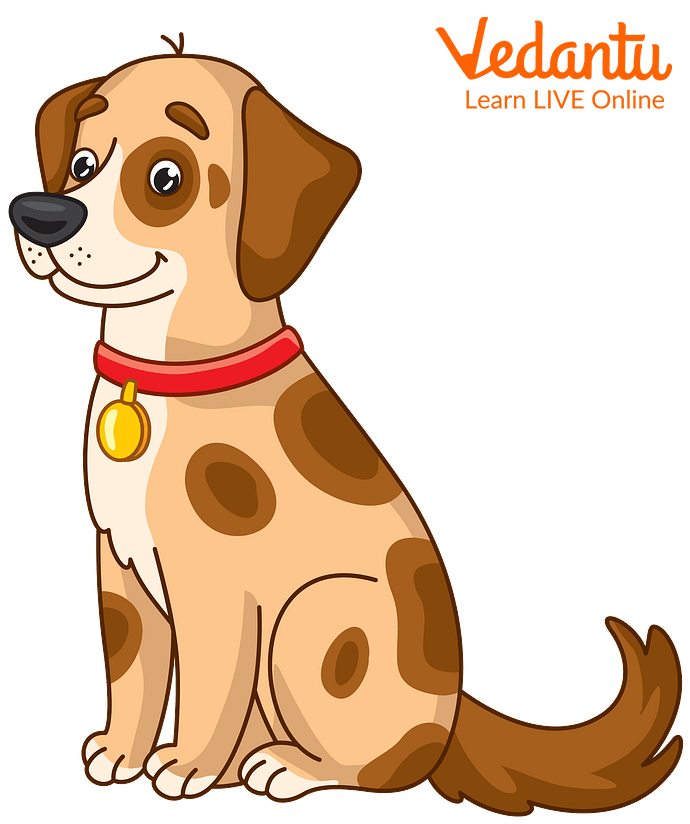
Types Of Dog Sounds happy dog barking example
Bark
Growl
Howl
Whine
Yelp
Woof
Types Of Dog Sounds happy puppy making cute sounds
Did You Know? Puppies often make softer sounds like tiny yelps and whines. As they grow up, their bark becomes louder and stronger!

Fun Phonics Tips For Kids

Say “Woof!” loudly like a big dog and softly like a small puppy.
Stretch the word “Howl” to feel how long the sound is.
Growl gently and feel the vibration in your throat.
Clap once for short sounds like “Yip!” and clap long for “Awoooo!”

Fun Activity – Dog Sound Game

Ask a parent or teacher to say a dog sound like “Woof!” or “Grrr!” Now guess:
  • Is the dog happy?
  • Is the dog angry?
  • Is the dog calling someone?
You can also act like a dog and let others guess the sound!

Amazing Facts About Types Of Dog Sounds

Dogs bark to protect their home.
Wolves and dogs both howl.
Some dogs bark more than others.
Dogs use body language along with sounds.
Did You Know? Dogs can change the pitch of their bark to show different feelings. A high bark may mean excitement, while a low bark may be a warning!
Learning about Types Of Dog Sounds for kids is fun and exciting. These sounds help us understand what dogs are feeling. By listening carefully and practising these sound words, children improve their listening and vocabulary skills. Keep exploring animal sounds and enjoy learning with fun phonics practice!

FAQs on Types Of Dog Sounds And What They Mean For Kids

1. What are the different types of dog sounds?

Dogs make different sounds to communicate feelings and needs.

  • Bark – a loud “woof woof” sound
  • Growl – a low “grrr” sound
  • Howl – a long “awoo” sound
  • Whine – a soft “eee” or “whiii” sound
  • Yelp – a short, high “yip” sound
Learning these types of dog sounds helps kids connect sounds to words while building phonics and listening skills.

2. How does a dog bark sound in phonics?

A dog’s bark usually sounds like “woof” or “bow-wow.”

  • The word woof begins with the /w/ sound
  • Bow-wow helps children hear repeated sounds
  • It is an example of an onomatopoeia (a word that sounds like the noise it makes)
Practicing the /w/ sound in woof supports early reading and spelling skills.

3. What is the difference between a bark and a growl?

A bark is loud and sharp, while a growl is low and rumbling.

  • Bark – “woof!” (short and strong sound)
  • Growl – “grrr” (long and deep sound)
  • Growl begins with the gr blend
  • Bark ends with the strong /k/ sound
Listening to these dog sound words helps children practice consonant sounds and blends.

4. What sound does a dog make when it howls?

A dog howls with a long sound like “awoo.”

  • Howl starts with the /h/ sound
  • The word has the ow vowel team
  • It rhymes with owl
Practicing the word howl helps kids learn vowel teams and rhyming words in phonics.

5. Are dog sounds examples of onomatopoeia?

Yes, many dog sounds are onomatopoeia, meaning the word sounds like the noise it makes.

  • Woof
  • Bow-wow
  • Yip
  • Grrr
These fun sound words help early readers connect letters to real-life sounds, improving phonemic awareness and vocabulary.

6. How can kids practice reading dog sound words?

Kids can practice dog sounds by reading, spelling, and saying them aloud.

  • Clap out the sounds in woof (/w/ /oo/ /f/)
  • Blend the sounds in growl (gr + owl)
  • Find rhyming words like howl and owl
  • Act out the sound while reading the word
These playful phonics activities make learning dog sound words fun and memorable.

7. Why is learning animal sounds like dog sounds important for early reading?

Learning animal sounds helps children build strong phonics and listening skills.

  • Improves phonemic awareness
  • Teaches letter-sound connections
  • Builds vocabulary with fun sound words
  • Encourages expressive reading
Understanding types of dog sounds supports early literacy and makes reading practice exciting for young learners.