




Resonance energy per benzene ring decreases in the order
A . Naphthalene > benzene > Anthracene > Phenanthrene
B . Benzene > Naphthalene > Anthracene > Phenanthrene
C . Benzene > Naphthalene > Phenanthrene > Anthracene
D . All have equal resonance energy
Answer
 Verified
299.1k+ views
Hint: For polycyclic aromatic hydrocarbons stability can be said to be proportional to resonance energy per benzene rings. So knowing the number of benzene rings each of the mentioned options are having, we can figure out the stability.
Complete step-by-step answer:
> The theoretical difference in molecular energy between resonance hybrid and the most stable resonance contributor is ( if the resonance contributor existed as a real molecule) is known as the resonance energy. We can also say that the stability gained by electron delocalization due to resonance versus the absence of such delocalization.
> Greater the resonance energy more will be the stability of the compound. This is because of the following two reasons:
- The contributing structures are all equivalent.
The number of contributing structures of roughly compatible energy is greater.
1) Here is the structure of Benzene :
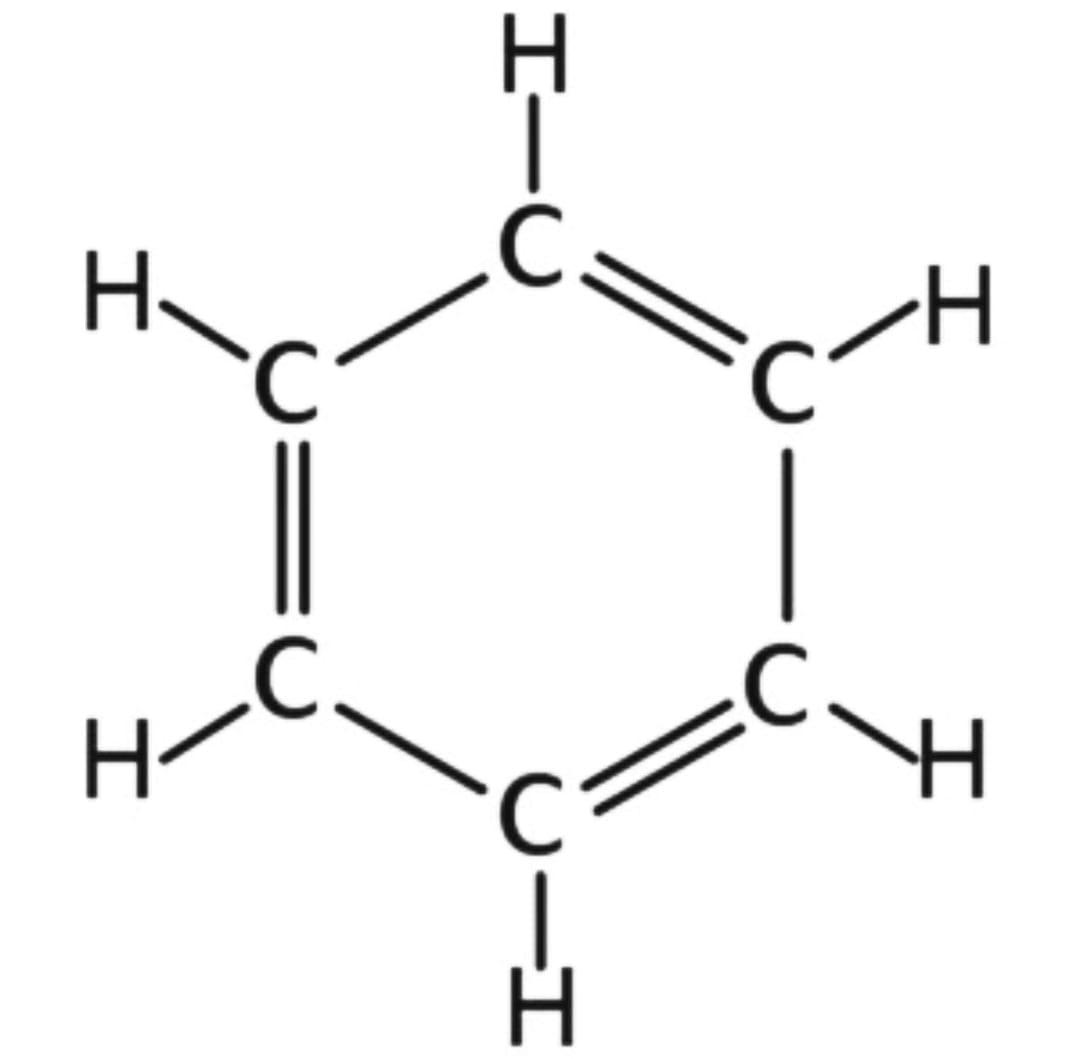
The resonance energy of benzene is 36 Kcal/mol, because there is one benzene ring.
2) Here is the structure of Naphthalene :
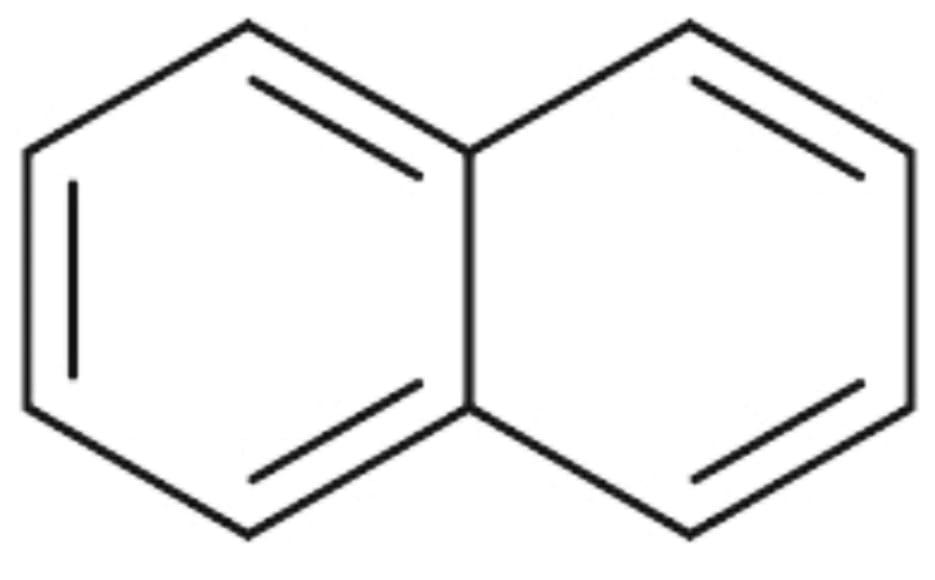
The resonance energy of Naphthalene is 30.5 Kcal/mol. There are two aromatic rings in Naphthalene.
3) The structure of Phenanthrene :
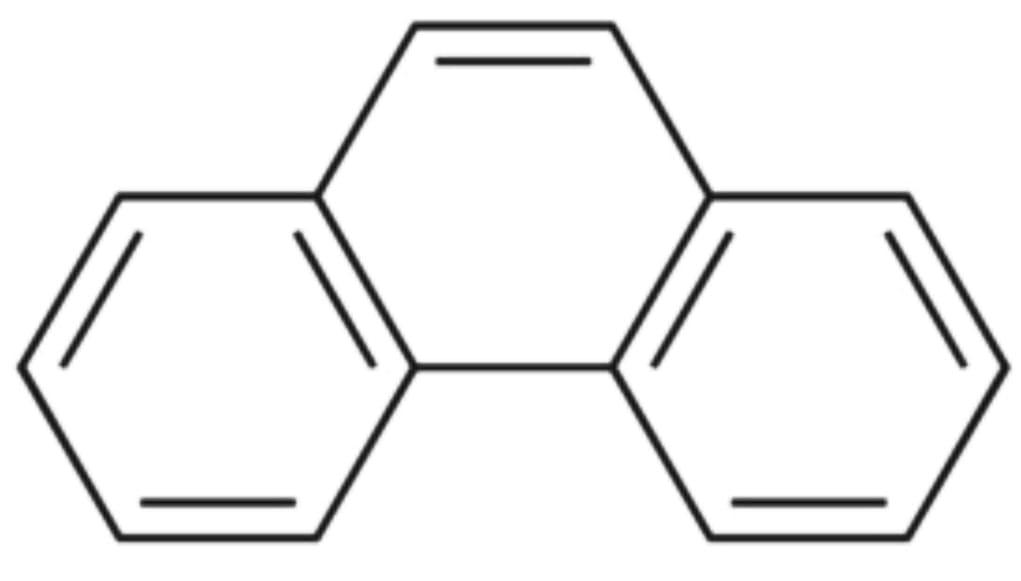
The resonance energy of Phenanthrene is 30.3 Kcal/mol. There are three aromatic rings in Phenanthrene.
4) The structure of Anthracene :
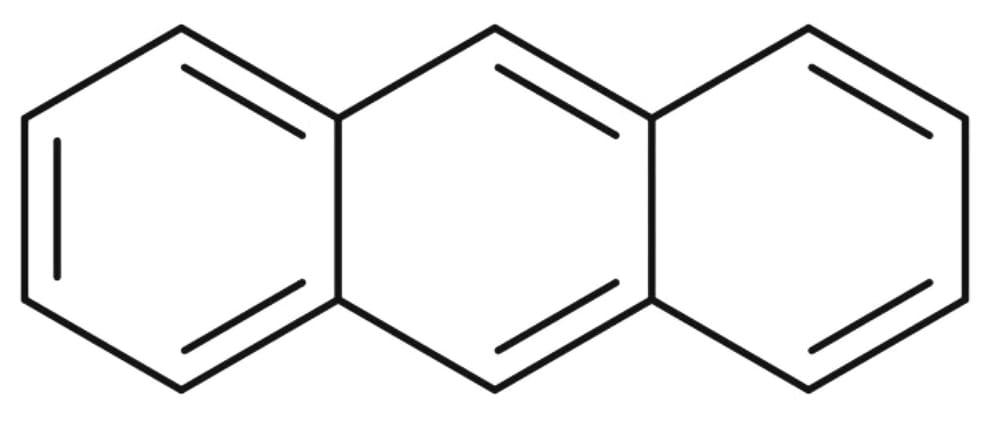
The resonance energy of Anthracene is 28 Kcal/mol. There are three aromatic rings in Anthracene.
Therefore the order of resonance energy as per the benzene ring in the decreasing order is : Benzene > Naphthalene > Phenanthrene > Anthracene. So the correct answer is Option C.
Additional Information:
The resonance energy of a compound is a measure of the extra stability of the conjugated system compared to the bonding number of isolated double bonds.
Note: We know that stability can be compared only for isomeric or related compounds. In case of unsaturated hydrocarbons, it is compared only when they give the same hydrogenated products.
Complete step-by-step answer:
> The theoretical difference in molecular energy between resonance hybrid and the most stable resonance contributor is ( if the resonance contributor existed as a real molecule) is known as the resonance energy. We can also say that the stability gained by electron delocalization due to resonance versus the absence of such delocalization.
> Greater the resonance energy more will be the stability of the compound. This is because of the following two reasons:
- The contributing structures are all equivalent.
The number of contributing structures of roughly compatible energy is greater.
1) Here is the structure of Benzene :
The resonance energy of benzene is 36 Kcal/mol, because there is one benzene ring.
2) Here is the structure of Naphthalene :
The resonance energy of Naphthalene is 30.5 Kcal/mol. There are two aromatic rings in Naphthalene.
3) The structure of Phenanthrene :
The resonance energy of Phenanthrene is 30.3 Kcal/mol. There are three aromatic rings in Phenanthrene.
4) The structure of Anthracene :
The resonance energy of Anthracene is 28 Kcal/mol. There are three aromatic rings in Anthracene.
Therefore the order of resonance energy as per the benzene ring in the decreasing order is : Benzene > Naphthalene > Phenanthrene > Anthracene. So the correct answer is Option C.
Additional Information:
The resonance energy of a compound is a measure of the extra stability of the conjugated system compared to the bonding number of isolated double bonds.
Note: We know that stability can be compared only for isomeric or related compounds. In case of unsaturated hydrocarbons, it is compared only when they give the same hydrogenated products.
Recently Updated Pages
Normality of 03 M phosphorus acid H3PO3 is A 05 B 06 class 11 chemistry JEE_Main

A molecule with highest bond energy A Fluorine B Chlorine class 11 chemistry JEE_Main
A 30 solution of H2O2 is marketed as 100 volume hydrogen class 11 chemistry JEE_Main
Covalent compounds generally have low melting and boiling class 11 chemistry JEE_Main
When an acid reacts with a metal carbonate or metal class 11 chemistry JEE_Main
The degeneracy of hydrogen atom that has equal energy class 11 chemistry JEE_Main
Trending doubts
JEE Main 2026: Exam Dates, Session 2 Updates, City Slip, Admit Card & Latest News
Understanding the Electric Field of a Uniformly Charged Ring
Understanding Atomic Structure for Beginners
Electron Gain Enthalpy and Electron Affinity Explained
Derivation of Equation of Trajectory Explained for Students
How to Convert a Galvanometer into an Ammeter or Voltmeter
Other Pages
JEE Advanced Percentile vs Marks 2026: JEE Main Cutoff, AIR & IIT Admission Guide
NCERT Solutions For Class 11 Chemistry In Hindi Chapter 1 Some Basic Concepts Of Chemistry - 2026-27 Free PDF Download (Sign-in Required)
What Are Current and Potential Difference in Electricity?
Hybridisation in Chemistry – Concept, Types & Applications
Understanding Geostationary and Geosynchronous Satellites
CBSE Notes Class 11 Chemistry Chapter 5 - Thermodynamics - 2026-27 PDF Download (Login Required)