






Functions and Types of Development Finance Institutions (DFIs) in Emerging Economies
A Development Finance Institution DFI is a specialized financial institution that provides long-term finance for sectors crucial to economic growth such as infrastructure, industry, agriculture, and small enterprises. These institutions are usually supported or backed by the government and aim to promote sustainable development rather than focusing only on profit. Development Finance Institutions play a vital role in bridging the gap between commercial banking and developmental needs, especially in emerging and developing economies.
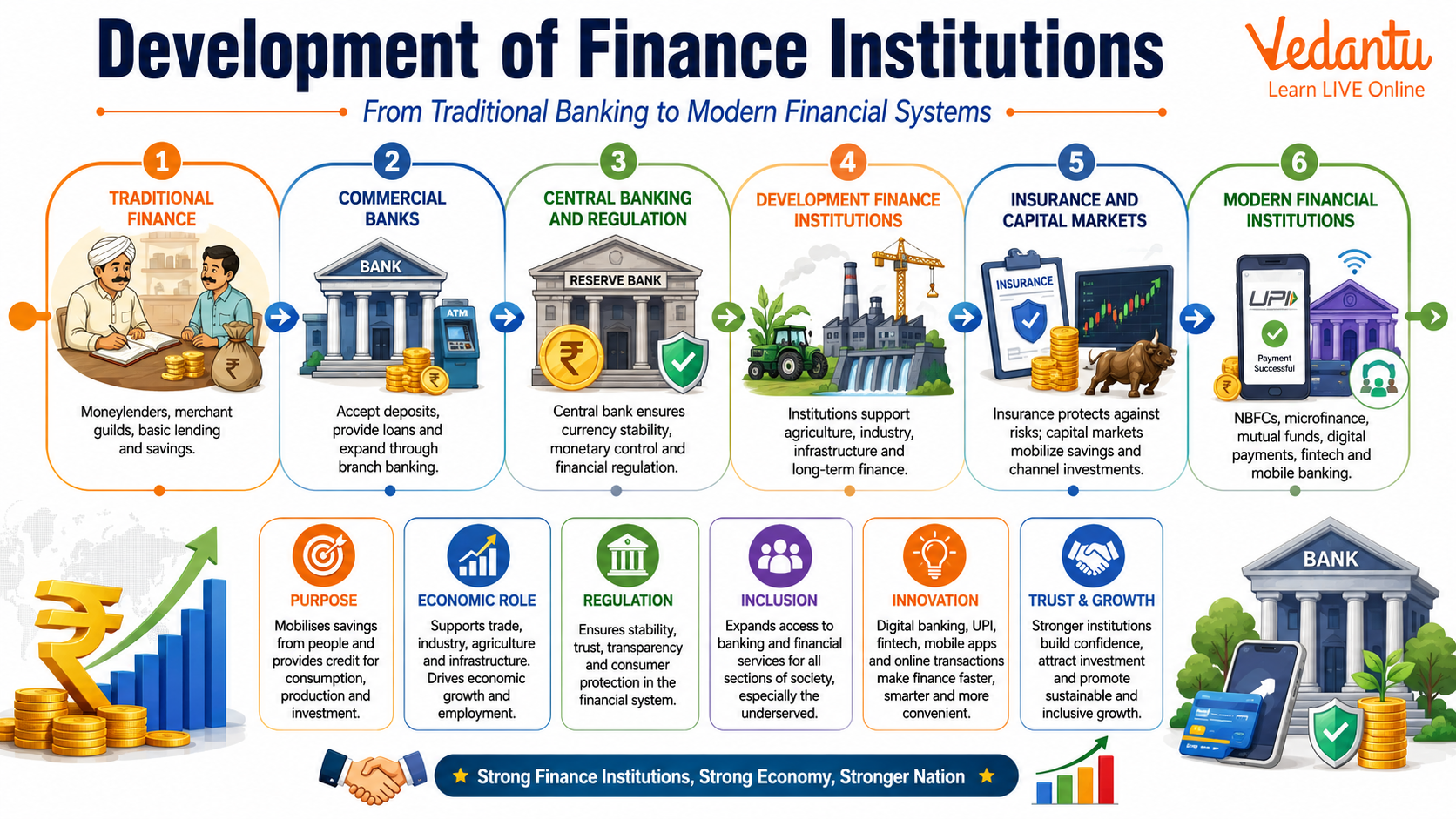
What is a Development Finance Institution DFI?
A Development Finance Institution DFI is a financial organization established to provide long-term capital for projects that contribute to national development. Unlike commercial banks that focus on short-term lending and profitability, DFIs focus on economic growth, infrastructure creation, industrial development, and social welfare.
DFIs are particularly important in developing countries where private investment may be insufficient for large-scale development projects.
Objectives of Development Finance Institutions
- Provide long-term finance for infrastructure and industrial projects.
- Promote balanced regional development.
- Support small and medium enterprises SMEs.
- Encourage innovation and sustainable development.
- Mobilize domestic and international capital for development projects.
Key Features of Development Finance Institutions
- Provide long-term loans and project financing.
- Often government-owned or government-supported.
- Focus on priority sectors like infrastructure, agriculture, and manufacturing.
- Offer technical assistance and advisory services.
- Accept moderate returns to achieve developmental goals.
Types of Development Finance Institutions
1. National Development Finance Institutions
These operate within a country and finance domestic development projects. They support sectors aligned with national economic policies.
2. Regional Development Finance Institutions
These institutions operate across multiple countries within a region. They finance cross-border infrastructure and regional integration projects.
3. International Development Finance Institutions
These operate globally and provide funding to developing countries for poverty reduction, climate change mitigation, and sustainable growth.
Examples of Major Development Finance Institutions
| Name of Institution | Country or Region | Main Focus Area |
|---|---|---|
| World Bank | Global | Poverty reduction and infrastructure development |
| Asian Development Bank ADB | Asia Pacific | Regional economic growth and cooperation |
| Industrial Development Bank of India IDBI | India | Industrial and infrastructure finance |
These institutions provide long-term financing and technical support to governments and private sector entities for development-oriented projects.
Functions of Development Finance Institutions
- Provide project loans and refinancing facilities.
- Underwrite shares and debentures of companies.
- Offer guarantees for loans raised from other sources.
- Promote entrepreneurship and skill development.
- Support public private partnership projects.
Importance of DFIs in Economic Development
Development Finance Institutions play a critical role in accelerating economic growth. They fund large-scale projects that require heavy capital investment and long gestation periods, which commercial banks may avoid due to higher risks. DFIs help create employment, build infrastructure such as roads, power plants, and ports, and strengthen industrial capacity.
They also promote financial inclusion by supporting small enterprises and rural development projects.
Difference Between Commercial Banks and DFIs
| Basis | Development Finance Institution | Commercial Bank |
|---|---|---|
| Objective | Development oriented | Profit oriented |
| Loan Tenure | Long-term finance | Short and medium-term finance |
| Risk Appetite | Higher for development projects | Lower and commercially viable projects |
The main distinction lies in their purpose. DFIs focus on nation-building activities, while commercial banks primarily aim at earning profits through lending and deposit services.
Challenges Faced by Development Finance Institutions
- High risk associated with long-term projects.
- Dependence on government support and funding.
- Political interference in decision making.
- Rising competition from private financial institutions.
Conclusion
Development Finance Institutions DFI are essential pillars of economic development. They provide long-term capital and technical expertise for projects that shape the future of a nation. By financing infrastructure, supporting industries, and promoting sustainable growth, DFIs help bridge the gap between economic potential and actual development. Understanding the role and functions of DFIs is important for students preparing for competitive exams and for anyone interested in economic growth and public finance.
FAQs on Development Finance Institutions: Meaning, Role and Importance in Economic Growth
1. What is a Development Finance Institution (DFI)?
A Development Finance Institution (DFI) is a specialized financial institution that provides long-term funding for economic development projects.
• Focuses on infrastructure financing, industrial growth, and priority sectors
• Offers long-term loans, equity support, and credit guarantees
• Supports sectors like power, transport, MSMEs, and agriculture
• Acts as a catalyst for sustainable economic development and nation-building
• Also known as development banks or development financial institutions (People Also Ask: What is DFI in banking? What is development finance?)
2. What are the main objectives of Development Finance Institutions?
The primary objective of DFIs is to promote balanced economic growth through long-term financial assistance.
• Provide capital for infrastructure projects and industrial expansion
• Promote regional and sectoral development
• Support small-scale industries and MSMEs
• Encourage private sector participation
• Reduce dependence on foreign financial aid (PAS: objectives of development banks, role of DFI in economic growth)
3. Why were Development Finance Institutions established in India?
Development Finance Institutions were established in India to address the shortage of long-term industrial finance after independence.
• Lack of private capital for heavy industries
• Need for planned economic development under Five-Year Plans
• Support for public sector and infrastructure projects
• Promotion of self-reliant economic growth
• Key institutions included IDBI (1964), IFCI (1948), and ICICI (1955) (People Also Ask: Why was IDBI formed?)
4. What are the functions of Development Finance Institutions?
The main functions of Development Finance Institutions include providing financial and technical support for development projects.
• Grant long-term loans and advances
• Underwrite and subscribe to shares and debentures
• Provide guarantees for loans
• Offer project appraisal and advisory services
• Promote entrepreneurship and industrialization (PAS: functions of development banks, role of DFI in India)
5. What is the difference between a DFI and a commercial bank?
The key difference between a DFI and a commercial bank lies in their purpose and lending pattern.
• DFIs provide long-term project finance; banks mainly give short-term loans
• DFIs focus on development goals; banks focus on profit maximization
• DFIs finance infrastructure and heavy industries
• Commercial banks accept public deposits; traditional DFIs generally do not
• DFIs support nation-building and economic planning (People Also Ask: DFI vs commercial bank difference)
6. What are some examples of Development Finance Institutions in India?
India has established several important Development Finance Institutions to support economic growth.
• IFCI (Industrial Finance Corporation of India) – 1948
• IDBI (Industrial Development Bank of India) – 1964
• NABARD – for agriculture and rural development
• SIDBI – for MSME development
• NaBFID (2021) – National Bank for Financing Infrastructure and Development (PAS: list of DFIs in India)
7. What is NaBFID and why is it important?
The National Bank for Financing Infrastructure and Development (NaBFID) is a new DFI established in 2021 to boost infrastructure financing in India.
• Focuses on long-term infrastructure projects
• Provides loans, guarantees, and investment support
• Reduces burden on commercial banks
• Supports India’s goal of becoming a $5 trillion economy
• Strengthens public-private partnerships (People Also Search: NaBFID functions, infrastructure DFI India)
8. How do Development Finance Institutions promote economic development?
Development Finance Institutions promote economic development by financing critical sectors that drive growth.
• Fund infrastructure like roads, power, and railways
• Encourage industrialization and job creation
• Support innovation and entrepreneurship
• Reduce regional economic disparities
• Mobilize domestic and international capital for development (PAS: role of DFIs in economic development)
9. What are the advantages of Development Finance Institutions?
The main advantages of Development Finance Institutions include long-term capital support and strategic economic planning.
• Provide stable and patient capital
• Reduce infrastructure financing gap
• Promote balanced regional growth
• Offer technical and managerial expertise
• Strengthen industrial and agricultural sectors (People Also Ask: benefits of development banks)
10. What challenges do Development Finance Institutions face?
Development Finance Institutions face several operational and financial challenges despite their importance.
• High risk in long-term infrastructure projects
• Asset-liability mismatch issues
• Dependence on government support
• Political and policy uncertainties
• Competition from commercial banks and capital markets (PAS: problems of DFIs, challenges of development banks)
