




Free printable spring word search with answers for kids
A spring word search contains hidden words for the kids to find and circle, making their minds sharp. Most of the words are simple 3 or 4 letter spring themed words.
Questions:
1. Mark and rewrite the words from the box below:
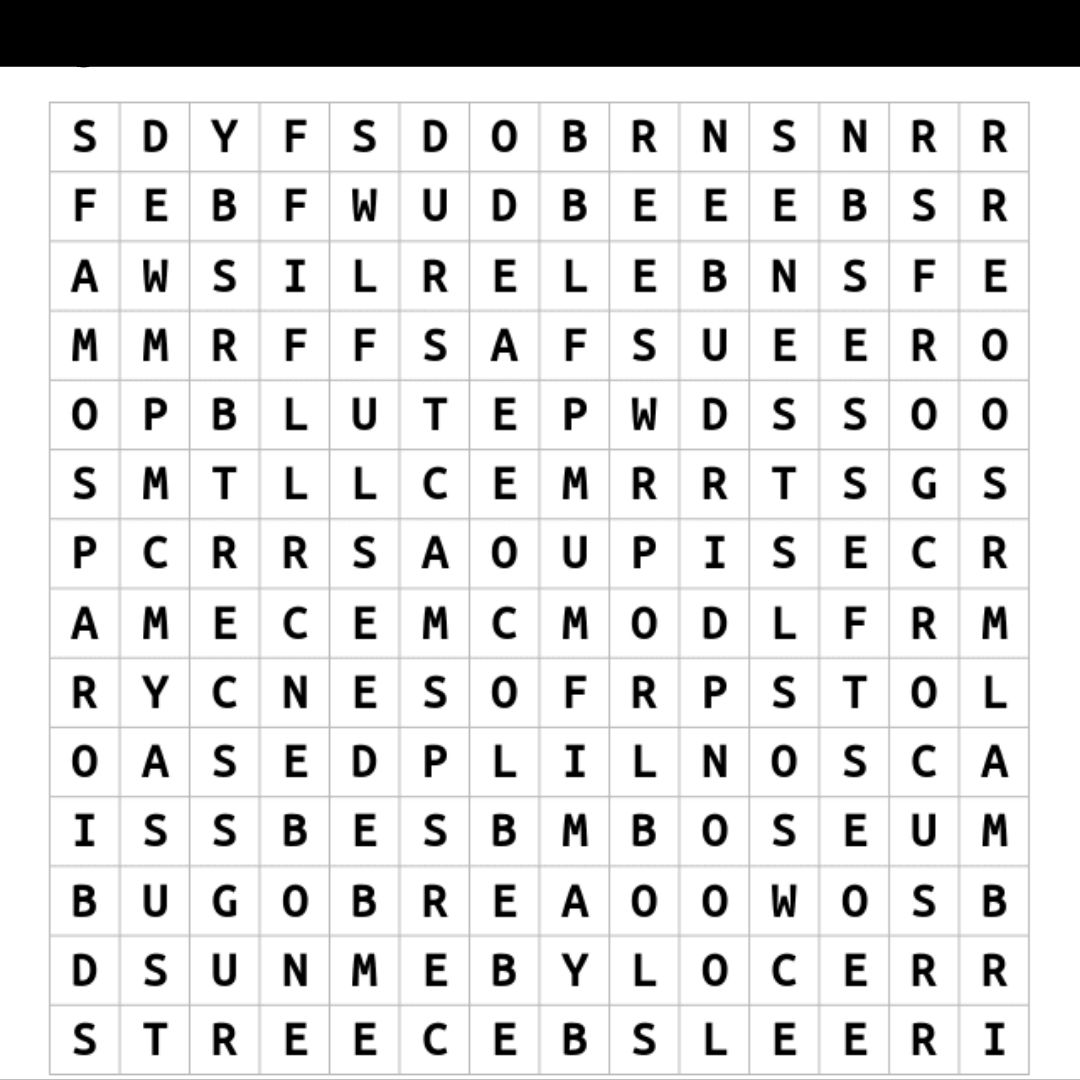
a box containing random alphabets with hidden words.
2. Mark and rewrite the words from the box below:
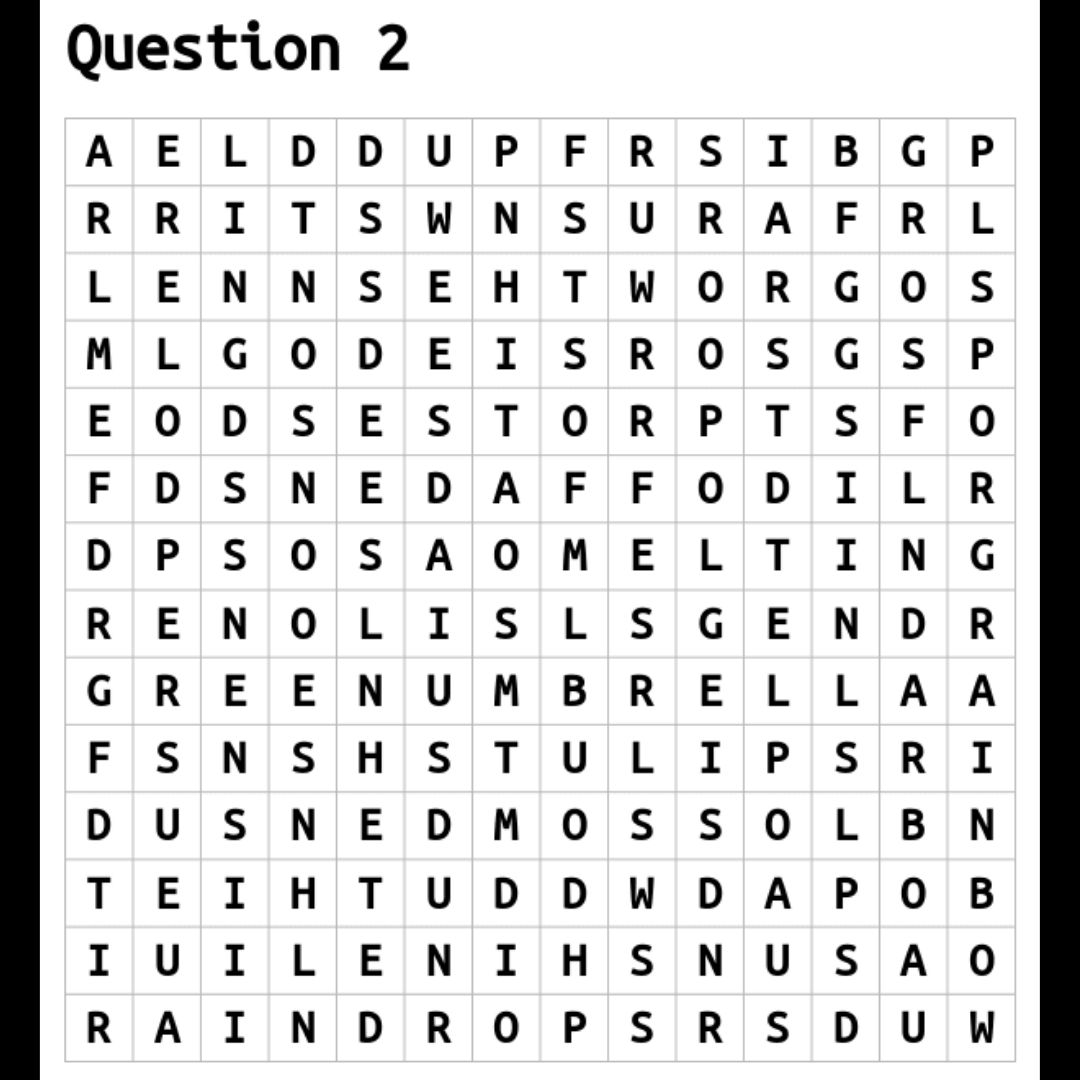
a box containing random alphabets with hidden words.
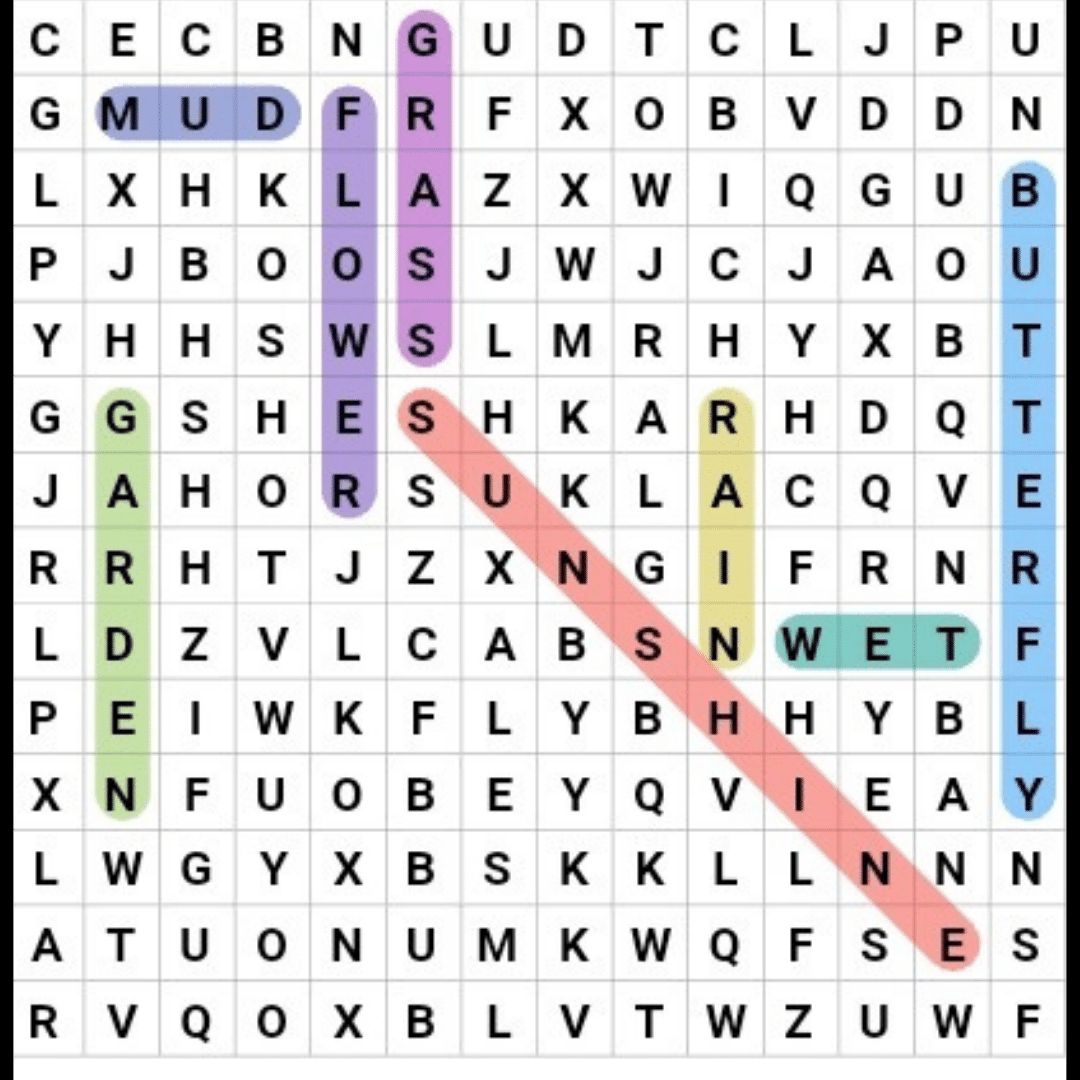
3. Find and mark the following words in the box:
Rain, mud, butterfly, garden, flower, grass, sunshine, wet.
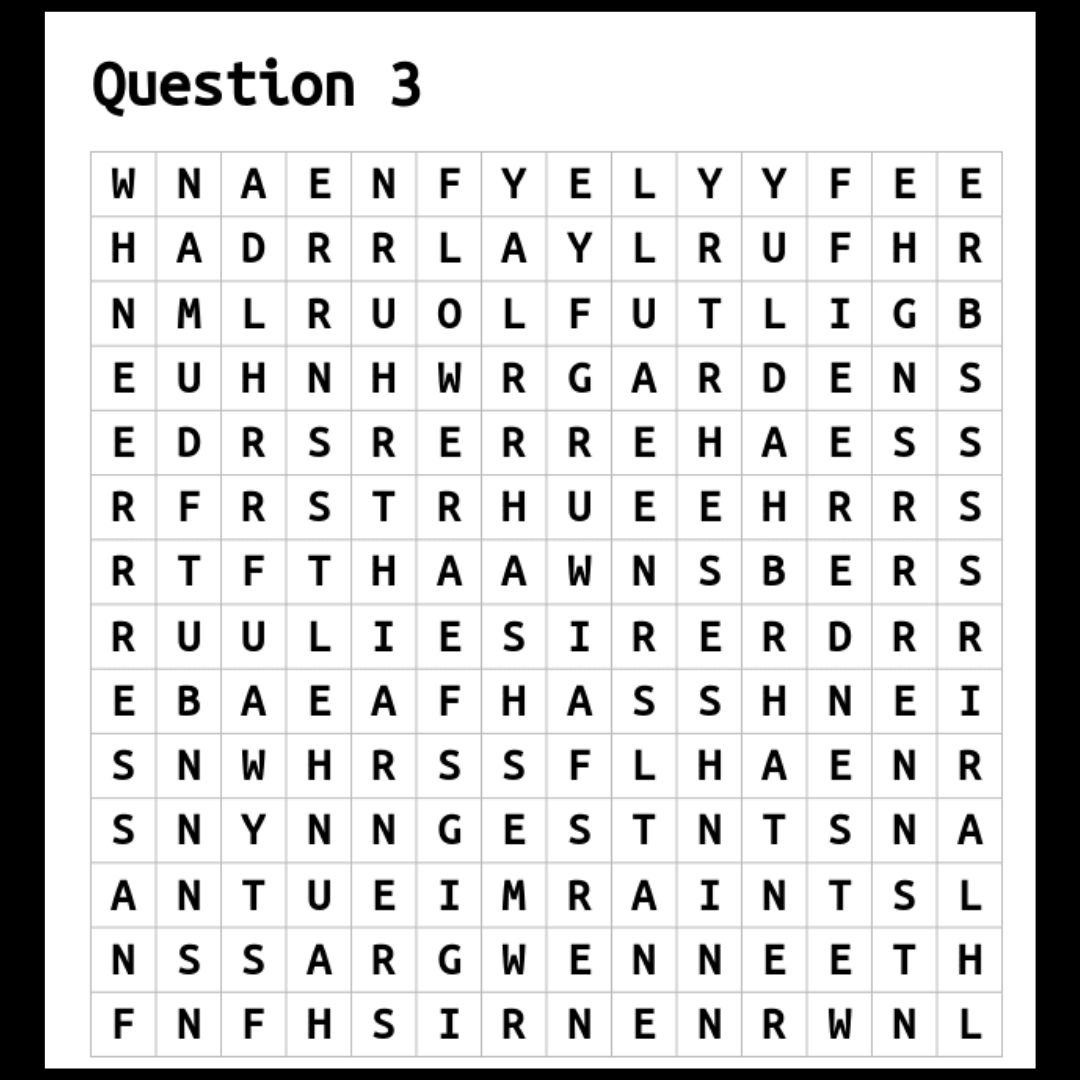
a box containing random alphabets with hidden words.
4. Find and mark the given words in the box:
Spring, flowers, green, birds, sunshine, butterfly, rainbow, warm.
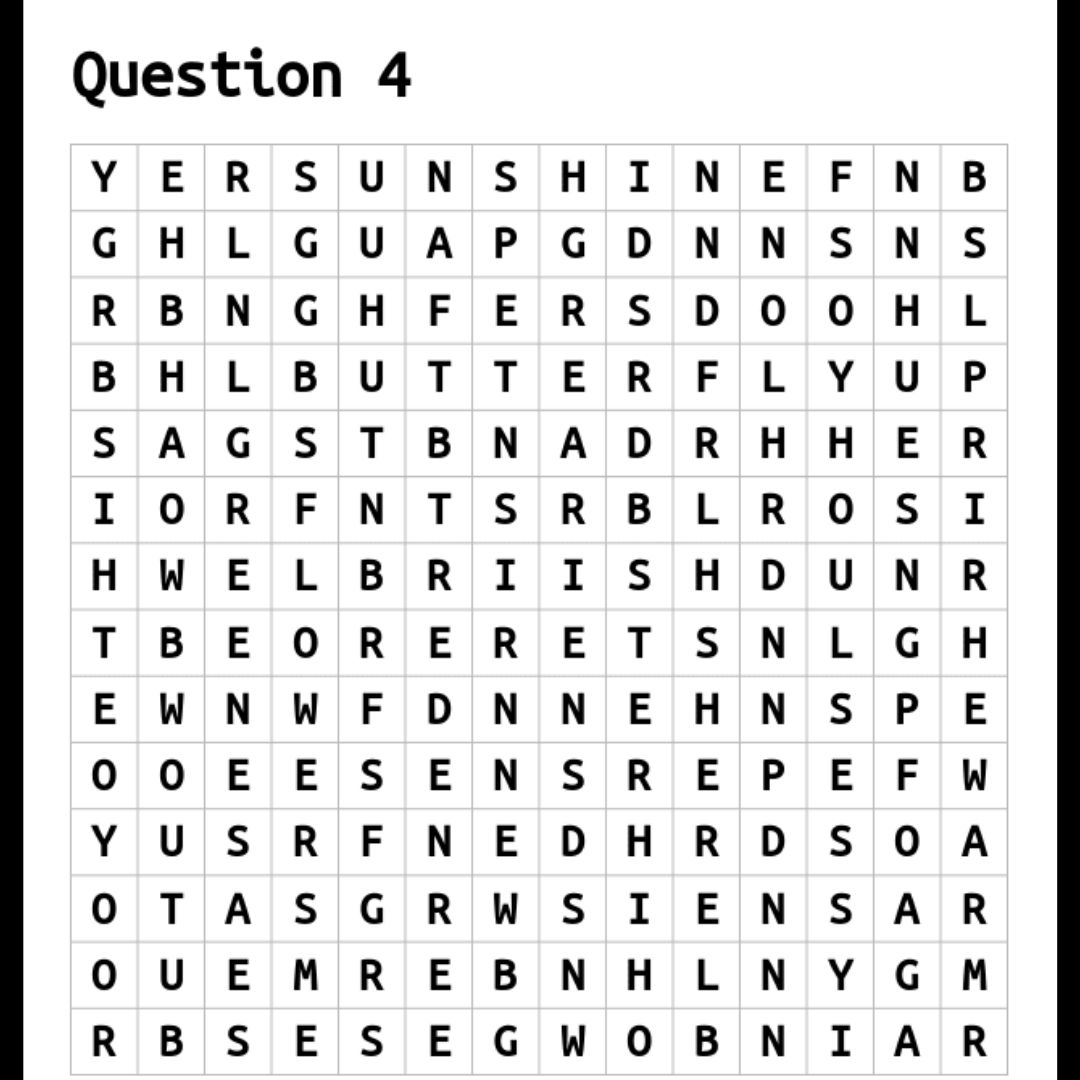
a box containing random alphabets with hidden words.
5. Search and mark any six meaningful words from the word search box given below:
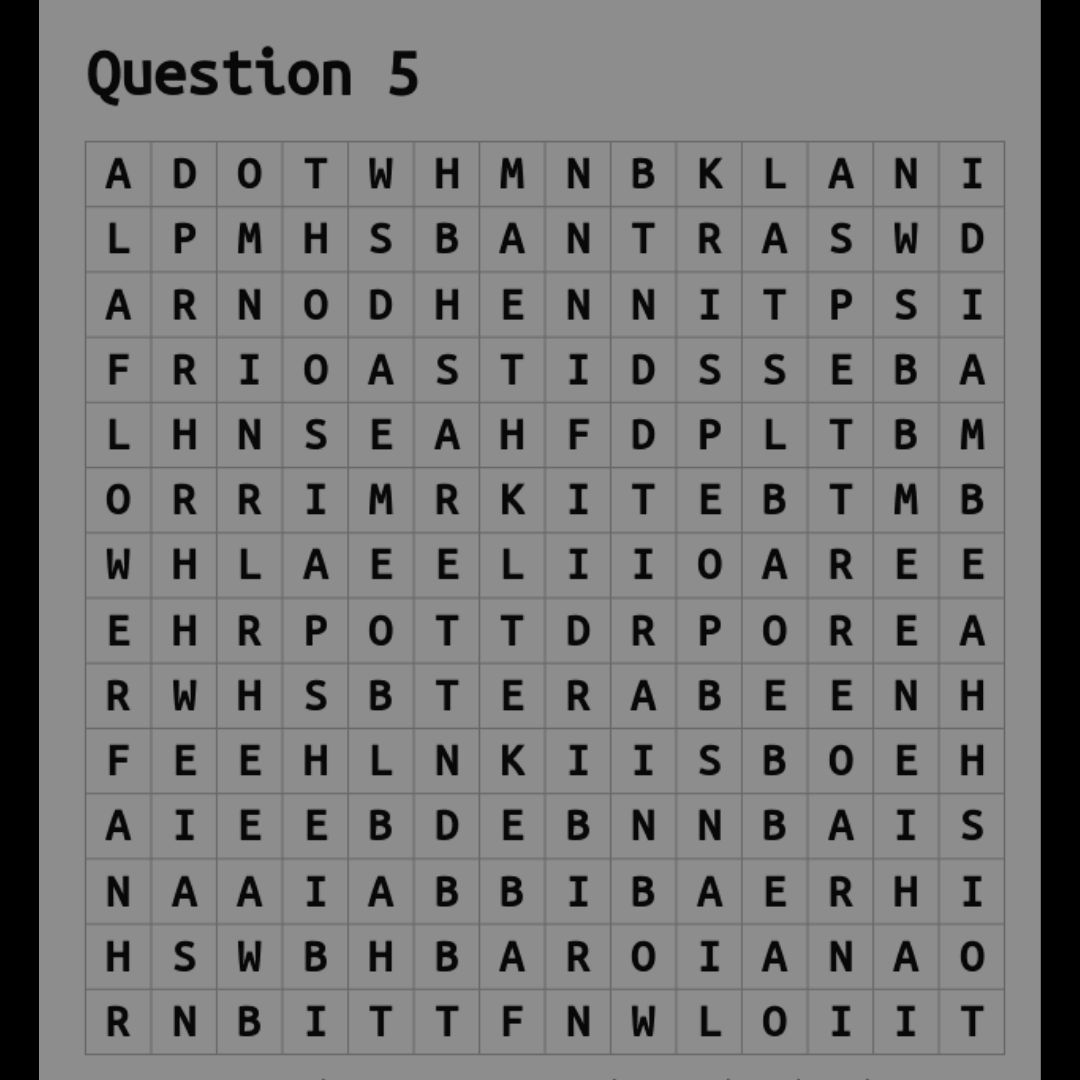
a box containing random alphabets with hidden words.
6. Search and mark the given words in the word search box given below:
Bunny, egg, garden, green, puddle, growing
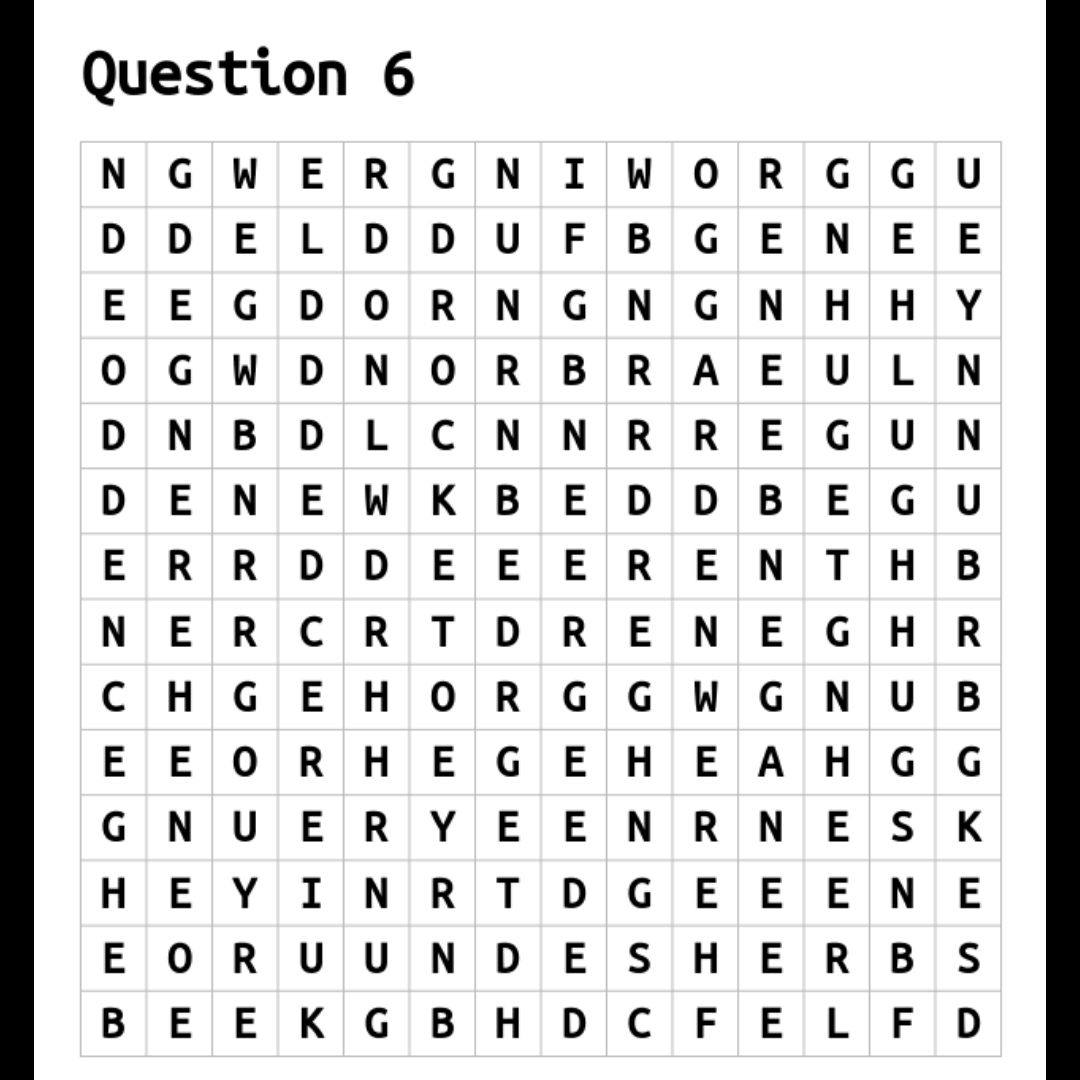
a box containing random alphabets with hidden words.
7. Find out the following words from the box:
Egg, snail, bee, frog, caterpillar, lamb, ladybug, butterfly, owl, nun
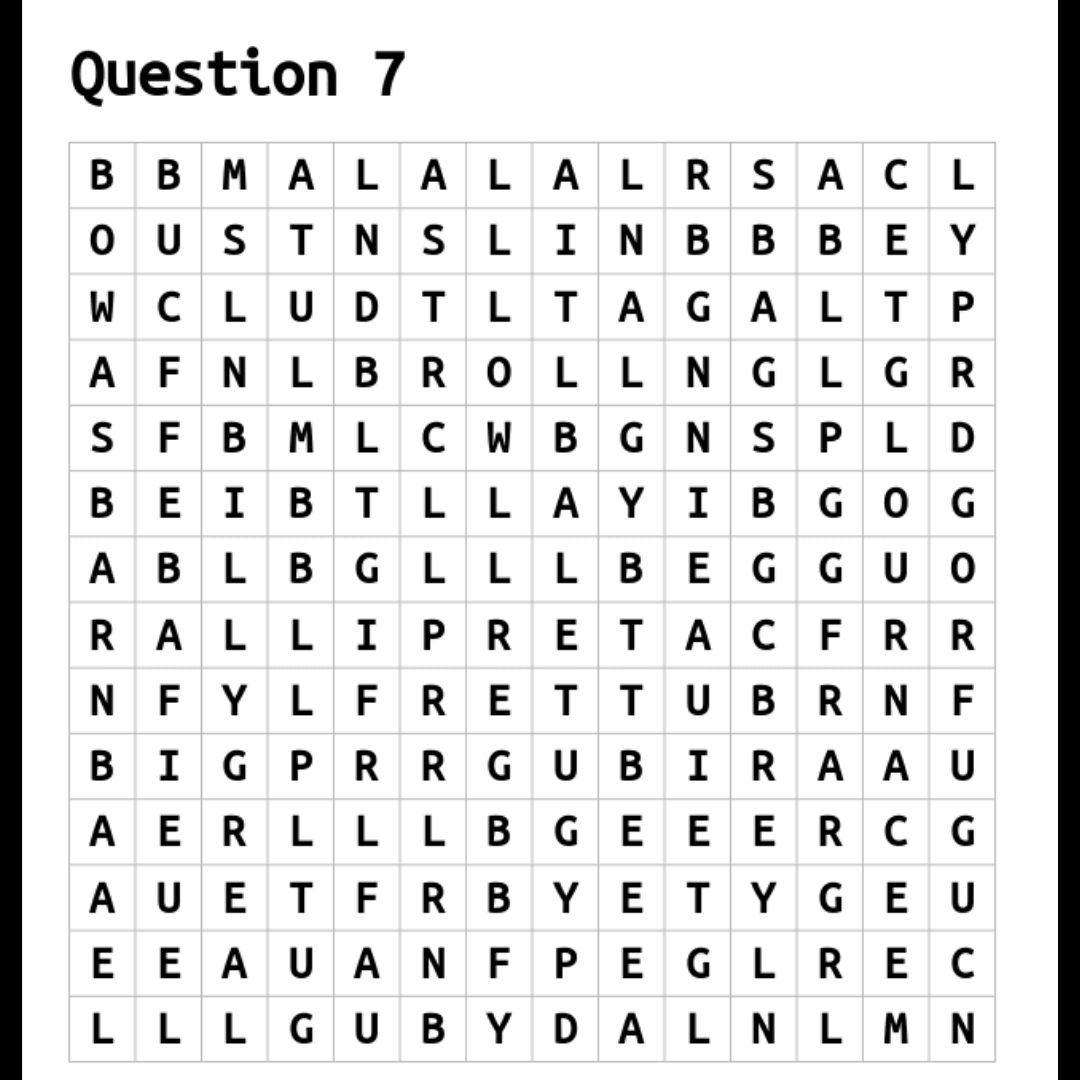
a box containing random alphabets with hidden words.
8. Find out the following words from the box:
Bird, bud, egg, flower, lamb, net, rain, spring
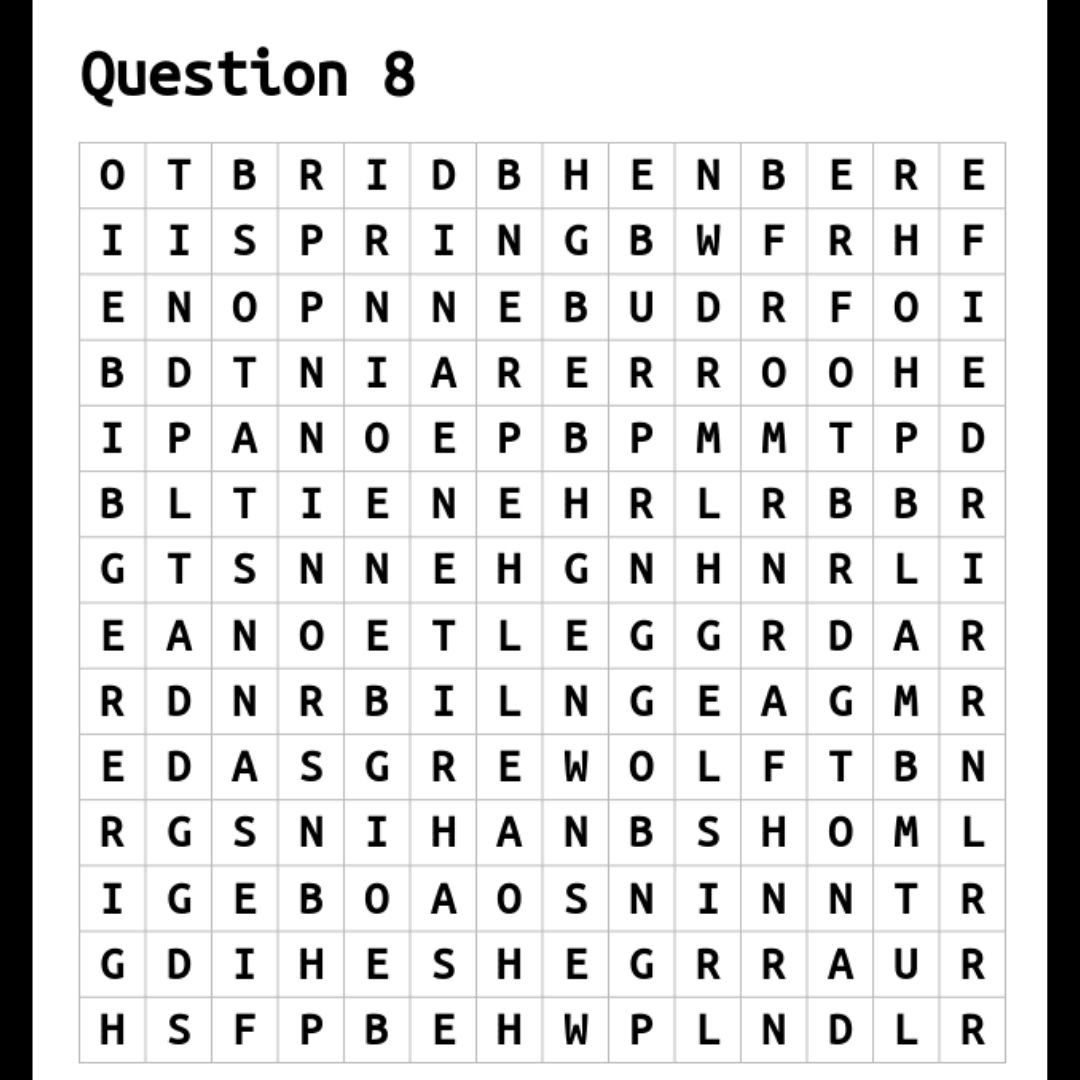
a box containing random alphabets with hidden words.
9. Find out the following words from the box:
Nest, bird, flower, frog, bee
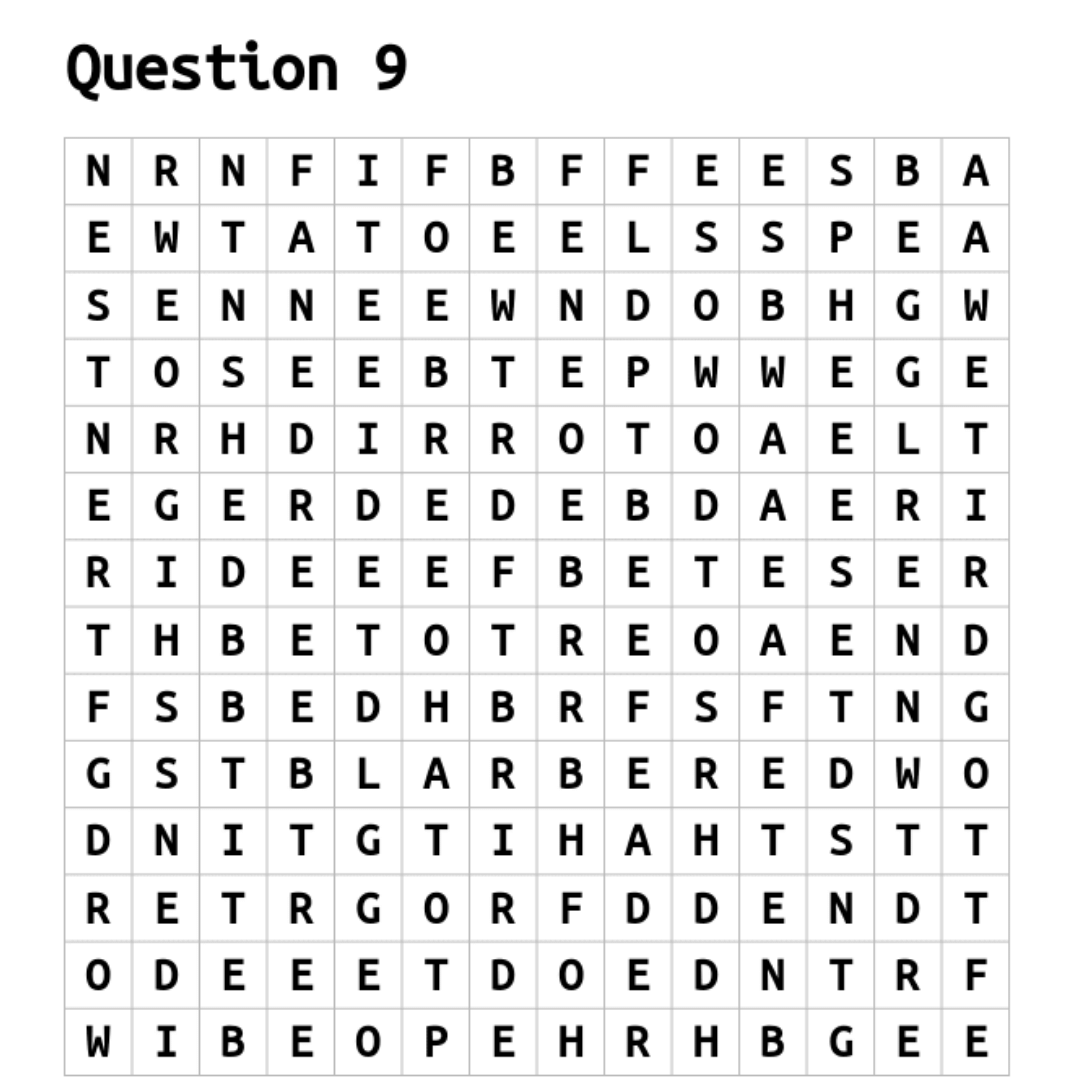
a box containing random alphabets with hidden words.
10. Find out the following words from the box:
Spring, march, April, may, butterfly, growing, easter, flower, bees, bird, rain, tree
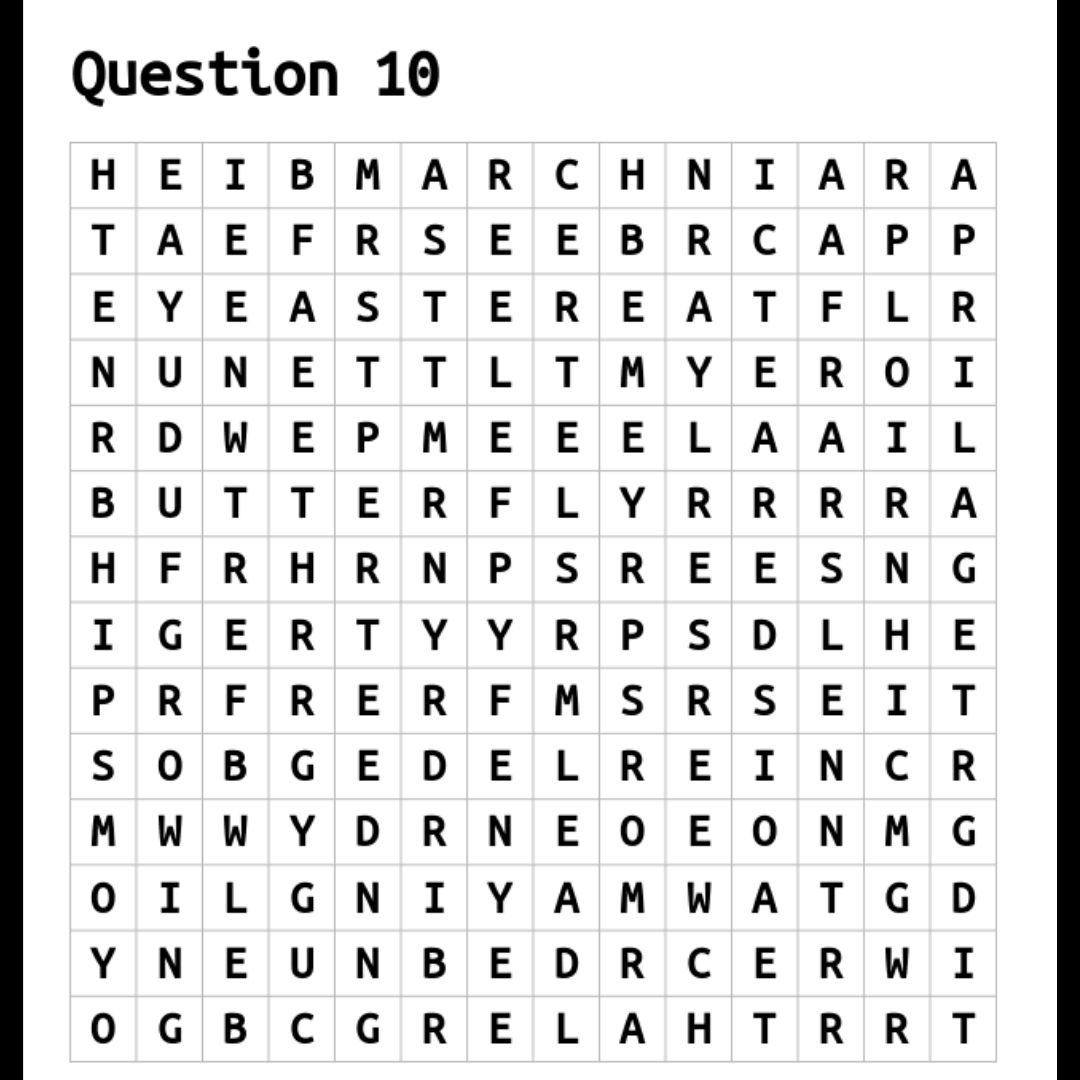
a box containing random alphabets with hidden words.
11. Find out the following words from the box:
Belt, bear, shoe, hand, ball, mice, toys, bat, dog, top, hat, cow, zap, cat, gal, eat
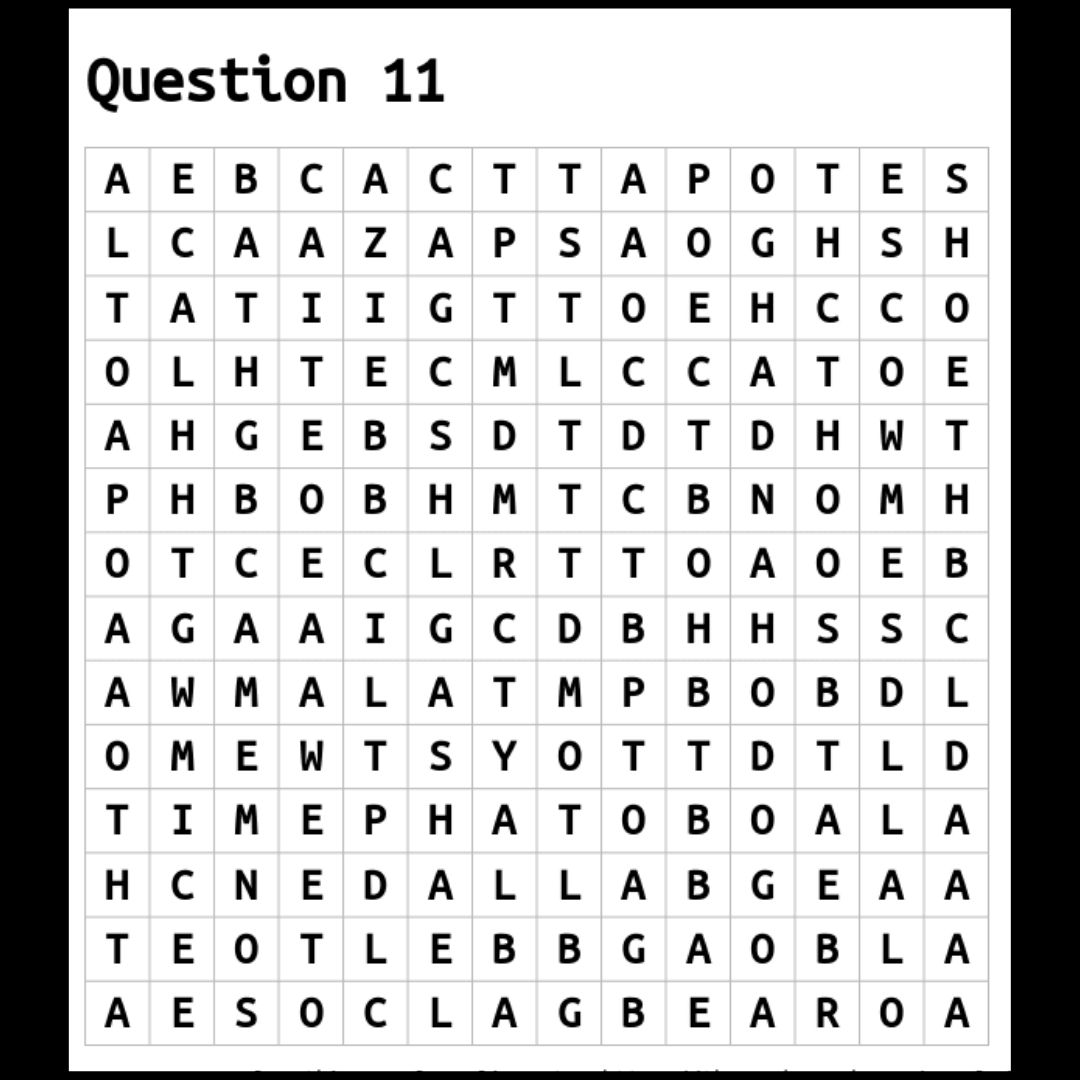
a box containing random alphabets with hidden words.
12. Find and mark the word “leaves” in the box below:
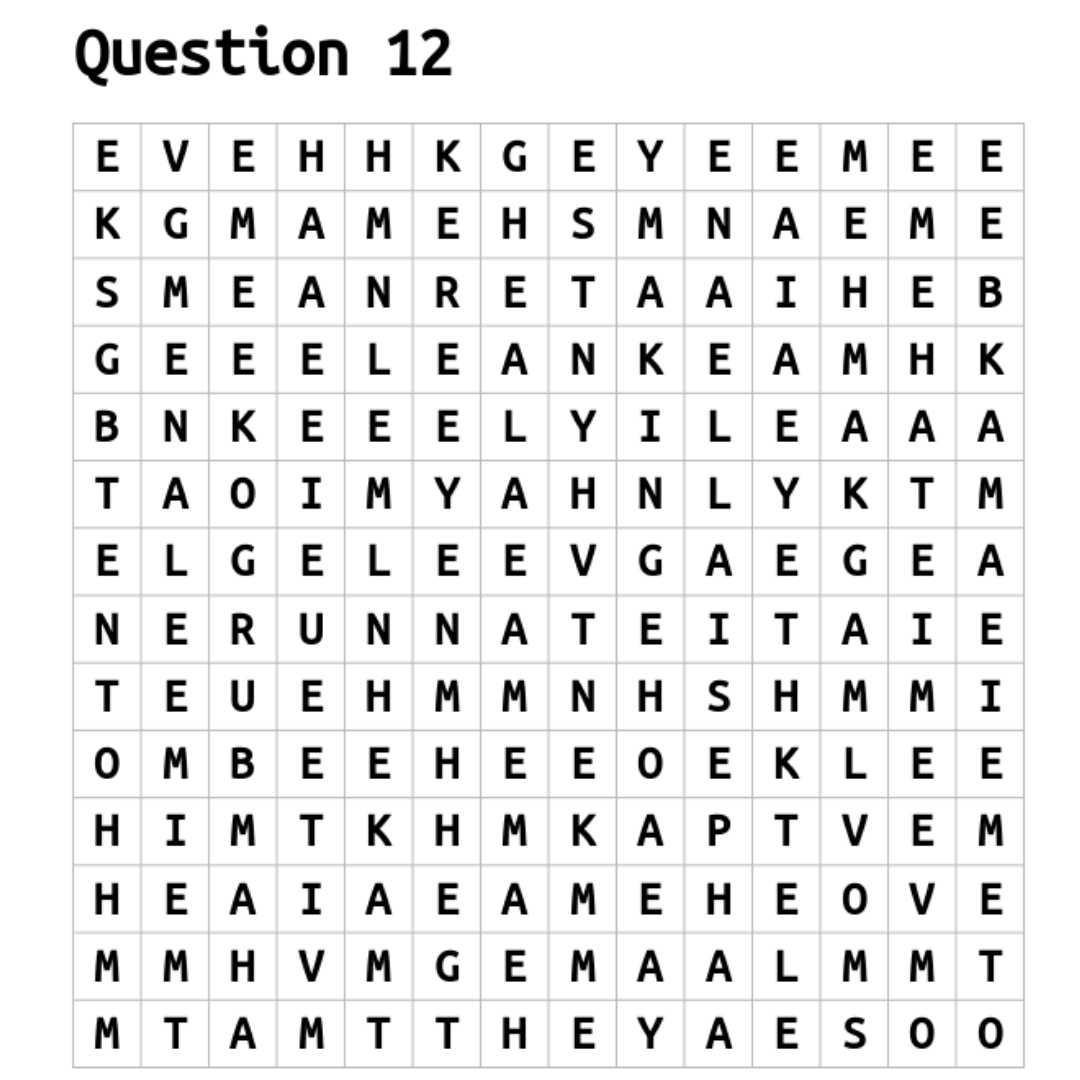
a box containing random alphabets with hidden words.
13. Find and mark the words “all” and “ate” in the box given below:
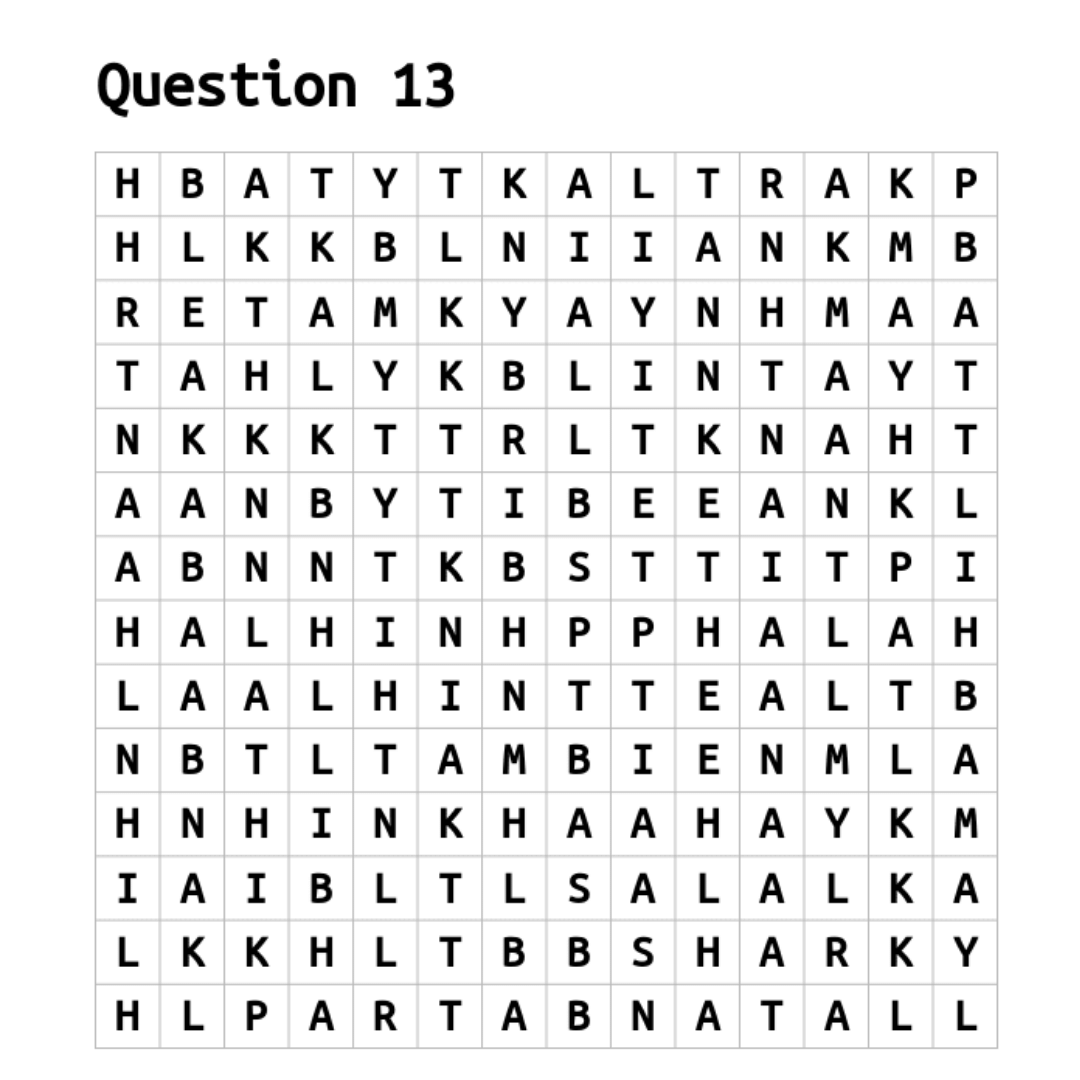
a box containing random alphabets with hidden words.
14. Find and mark the words, “spring”, “animal”, and “chick” from the box below:
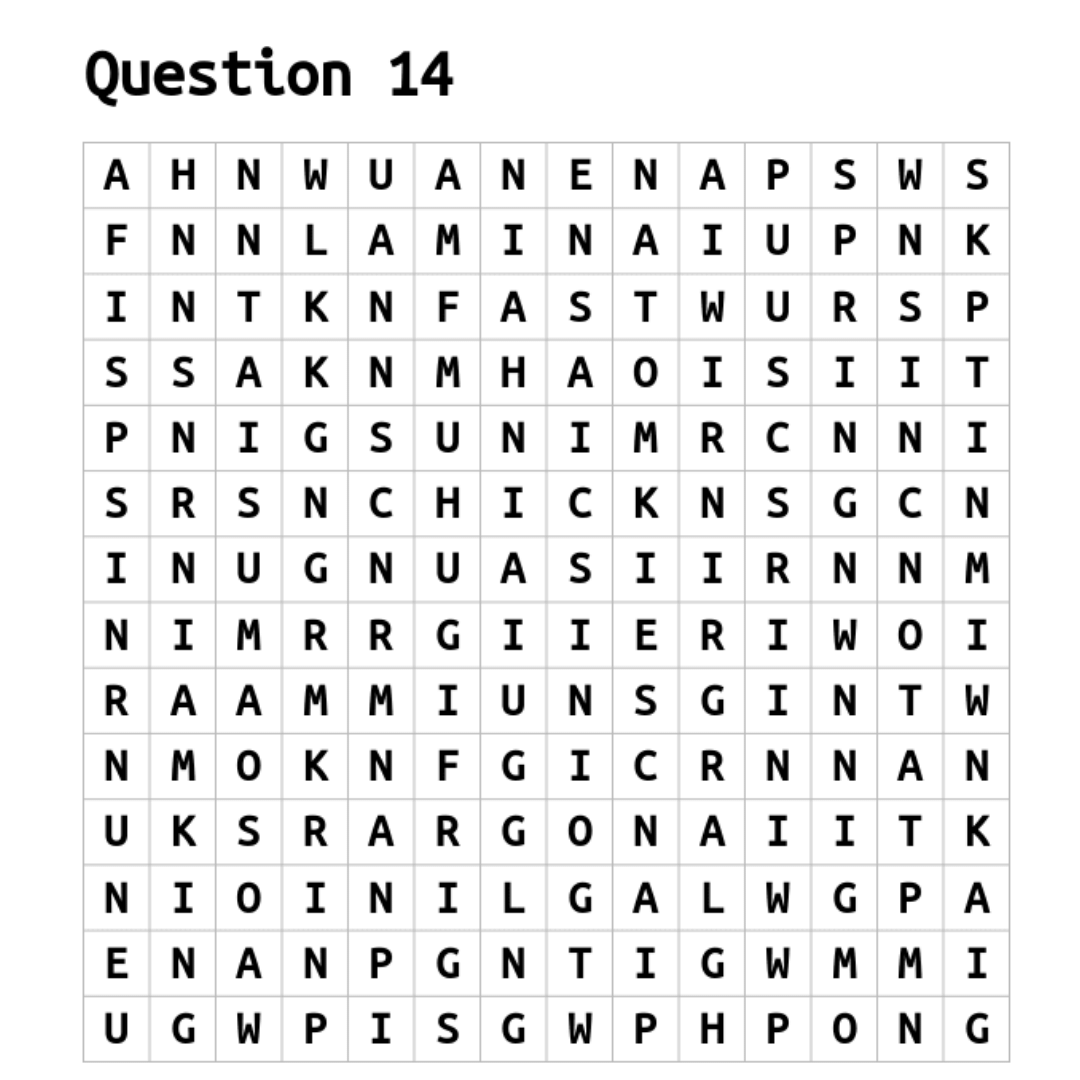
a box containing random alphabets with hidden words.
15. Find and write the names of any five fruits from the word search box given below:
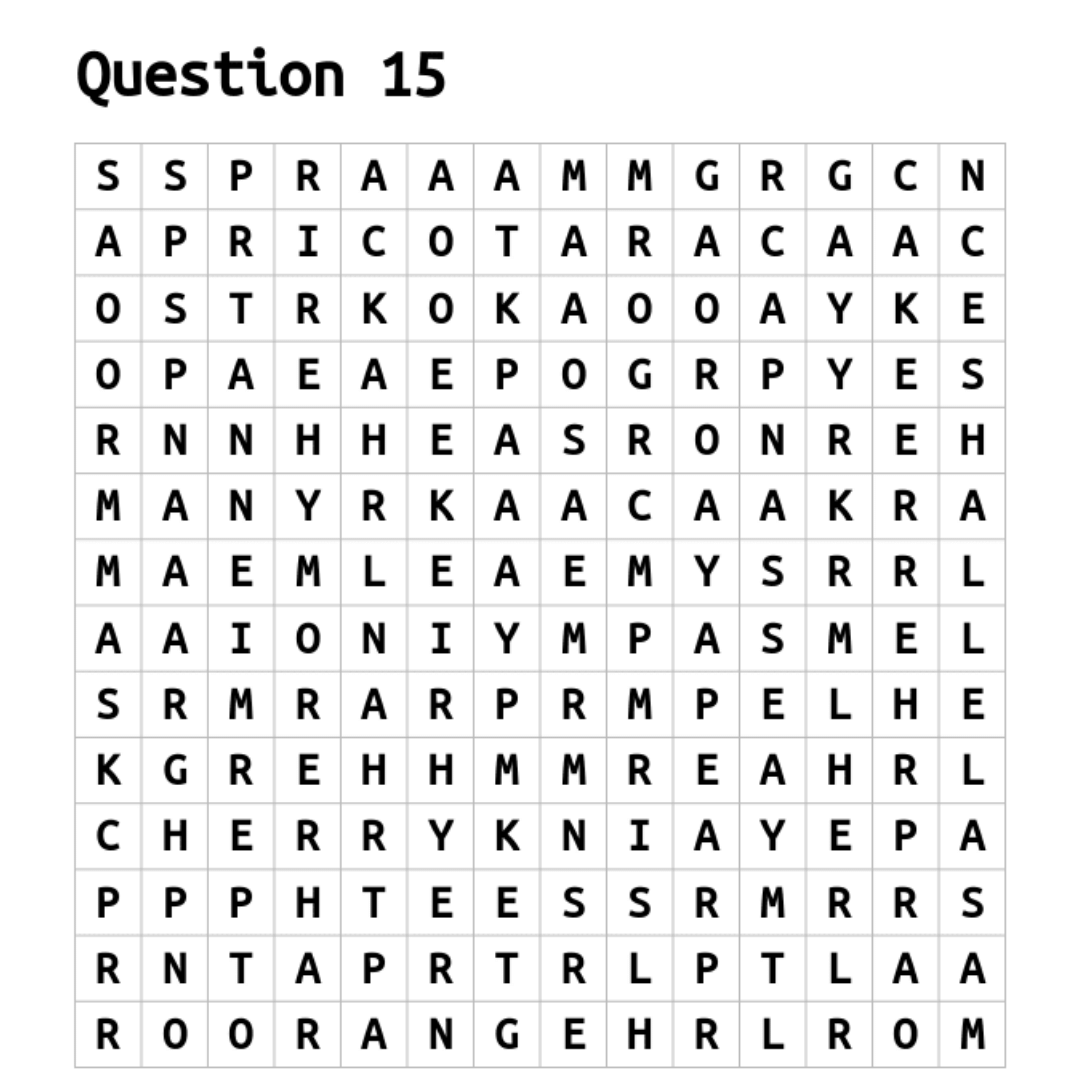
a box containing random alphabets with hidden words.
Answers:
1. The words which can be found in the box are as follows:
Flower, April, may, lamb, blossom, tree, birds, bee, nest, sun, seed, frog and crocus.
a box containing random alphabets with hidden words.
2. The words which can be found in the box are as follows:
Blossom, daffodil, green, growth, melting, puddle, rainbow, raindrops, seeds, sunshine, tulips and umbrella.
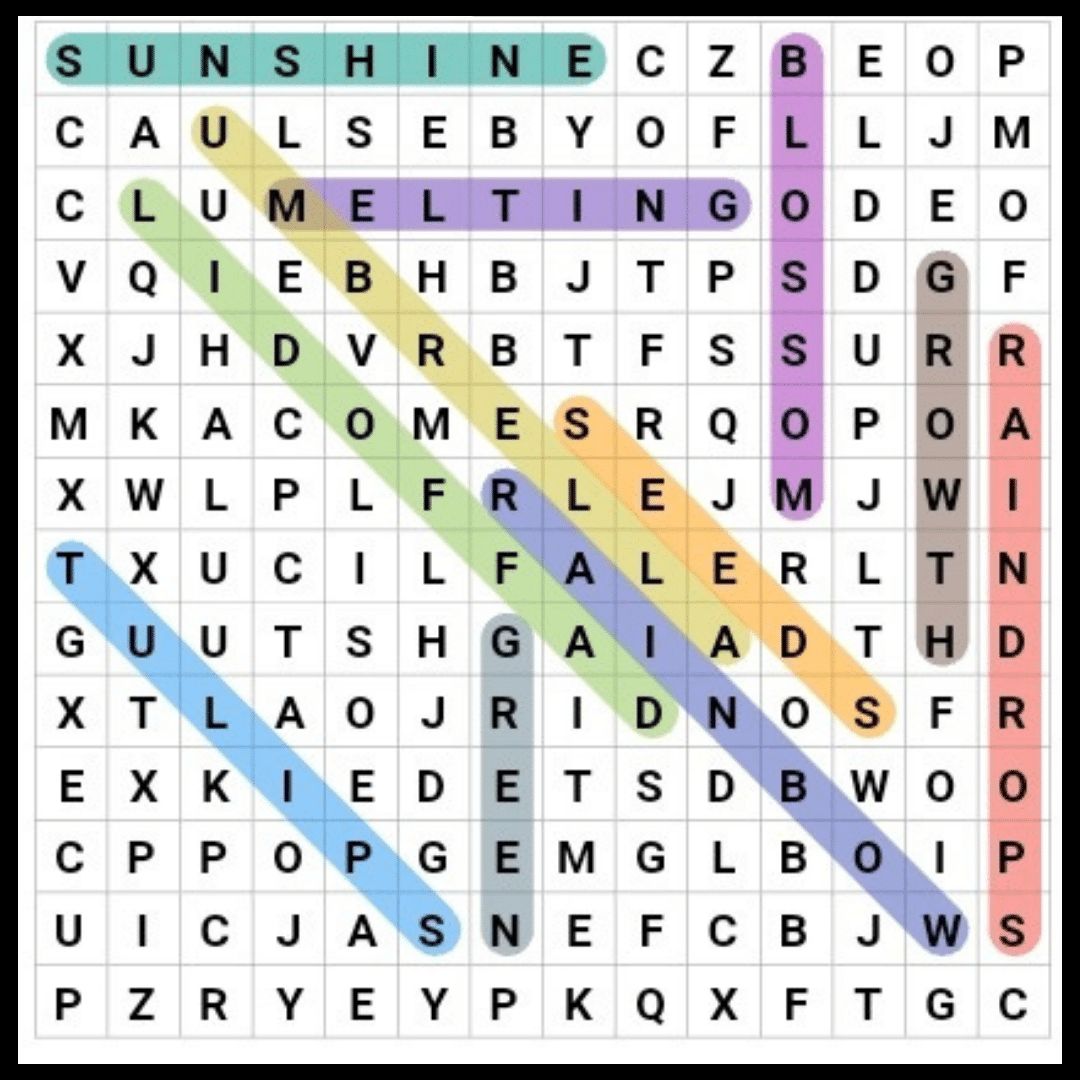
a box containing random alphabets with hidden words.
3. The given words are marked in the box below:
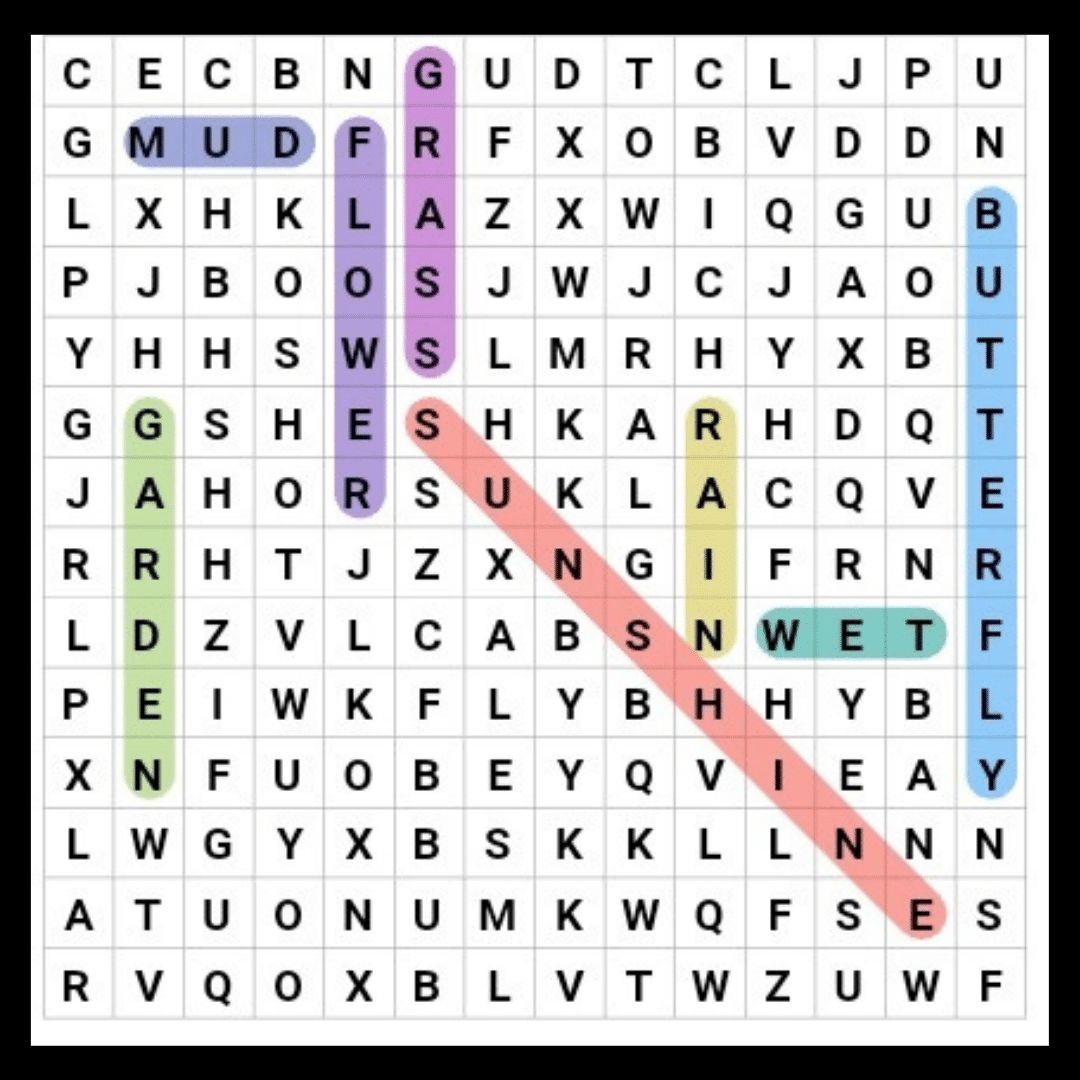
a box containing random alphabets with hidden words.
4. The given words are marked in the box below:
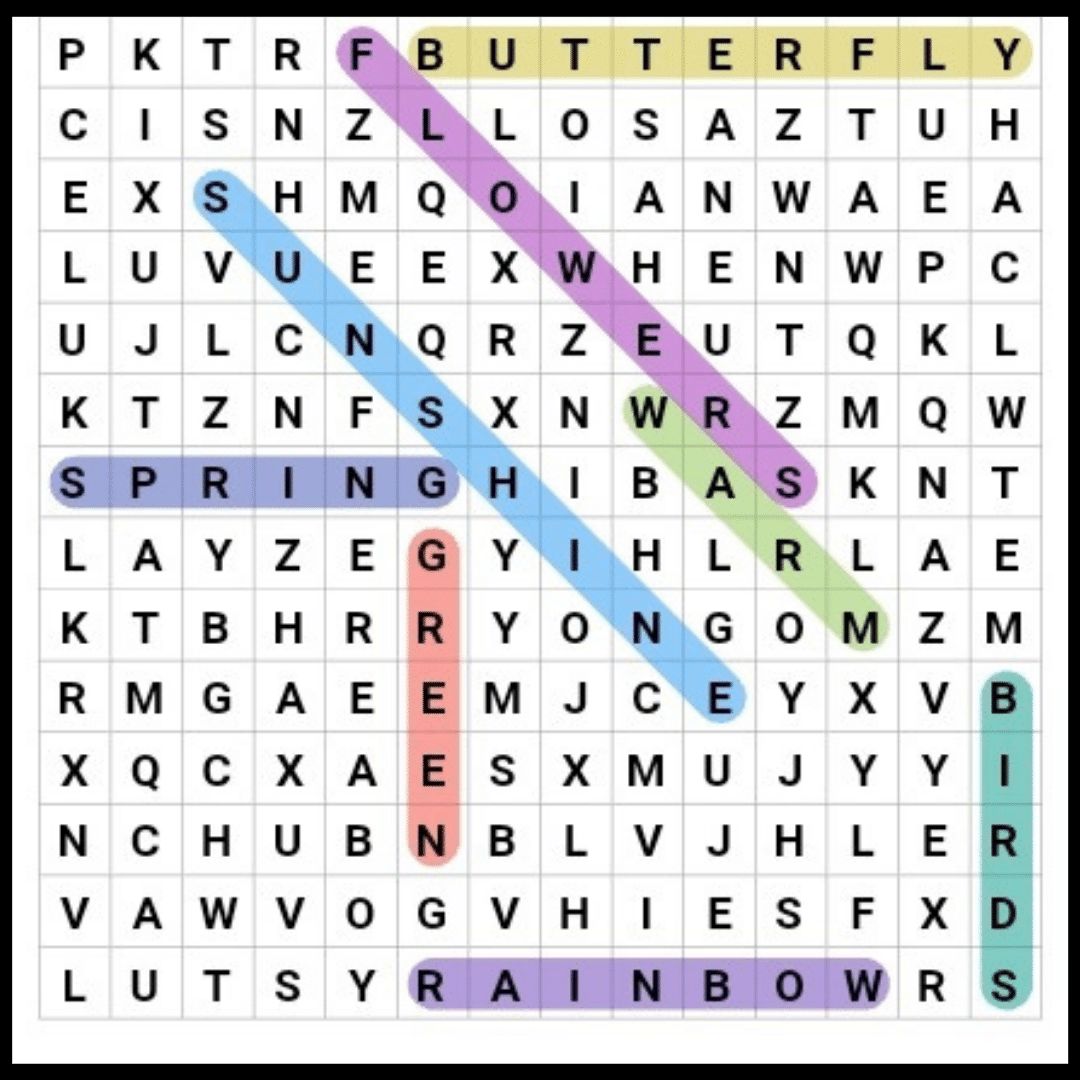
a box containing random alphabets with hidden words.
5. Any six words found from the word search box are as follows:
Snail, flower, mat, kite, bird and rainbow.
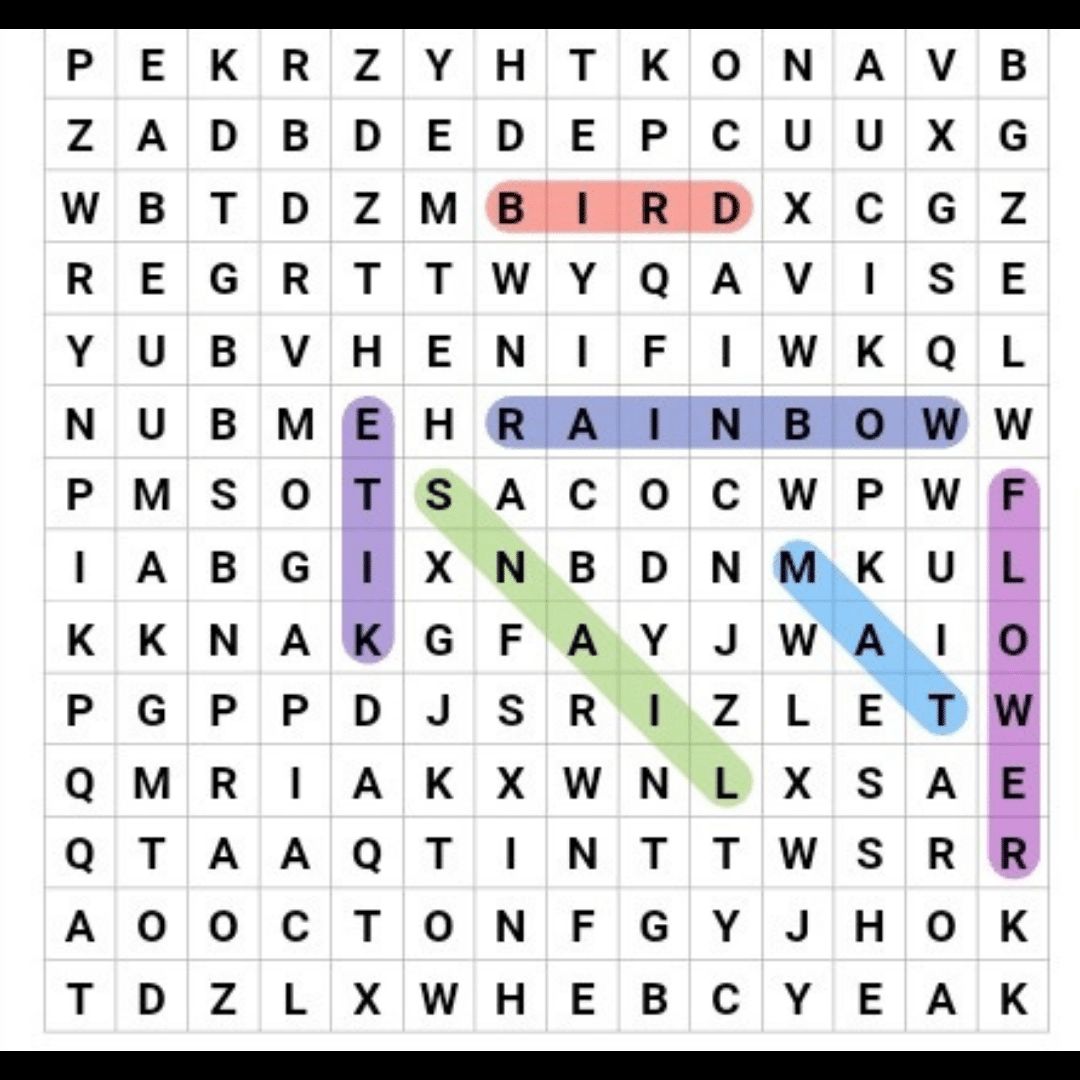
a box containing random alphabets with hidden words.
6. The given words are marked in the box below:
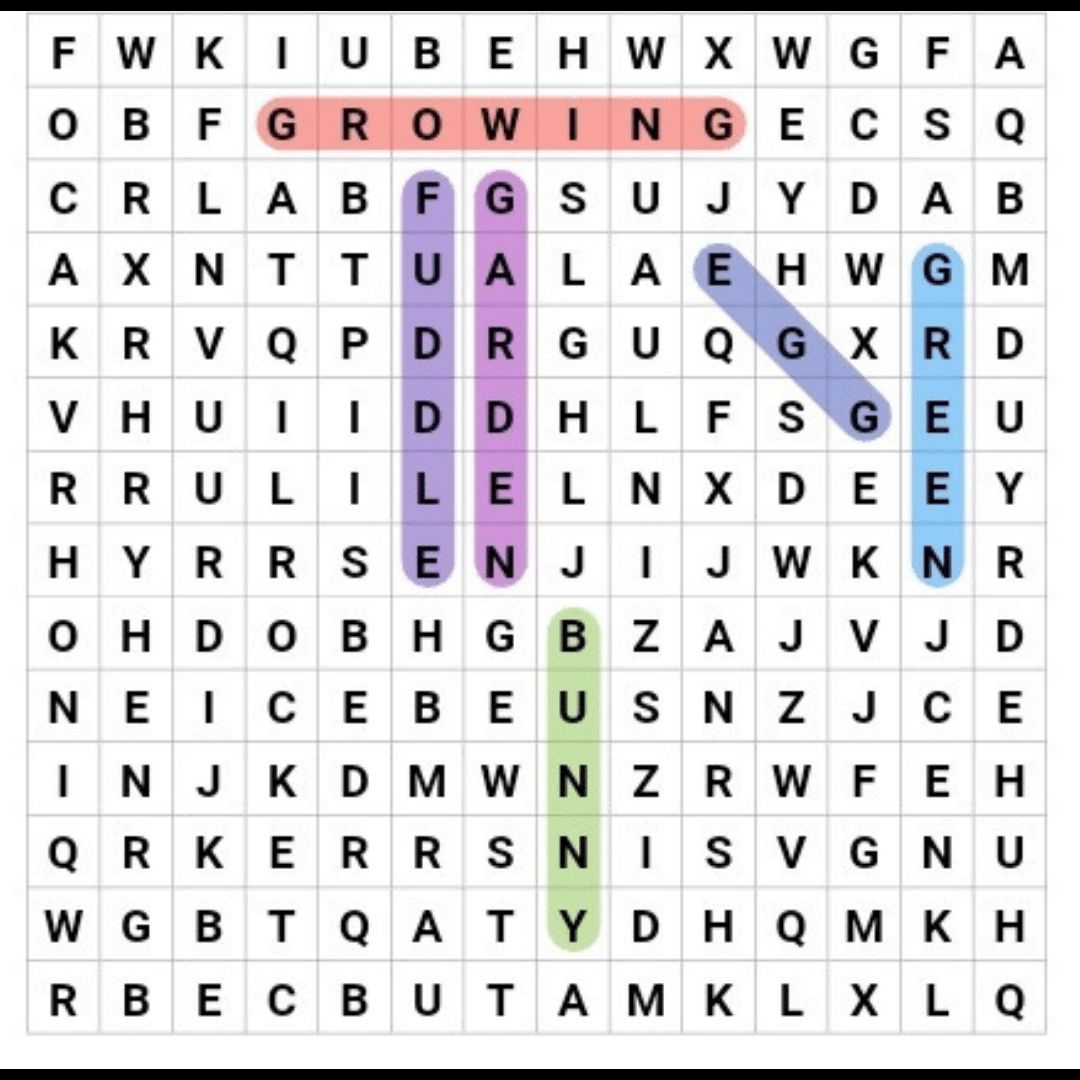
a box containing random alphabets with hidden words.
7. The given words are marked in the box below:
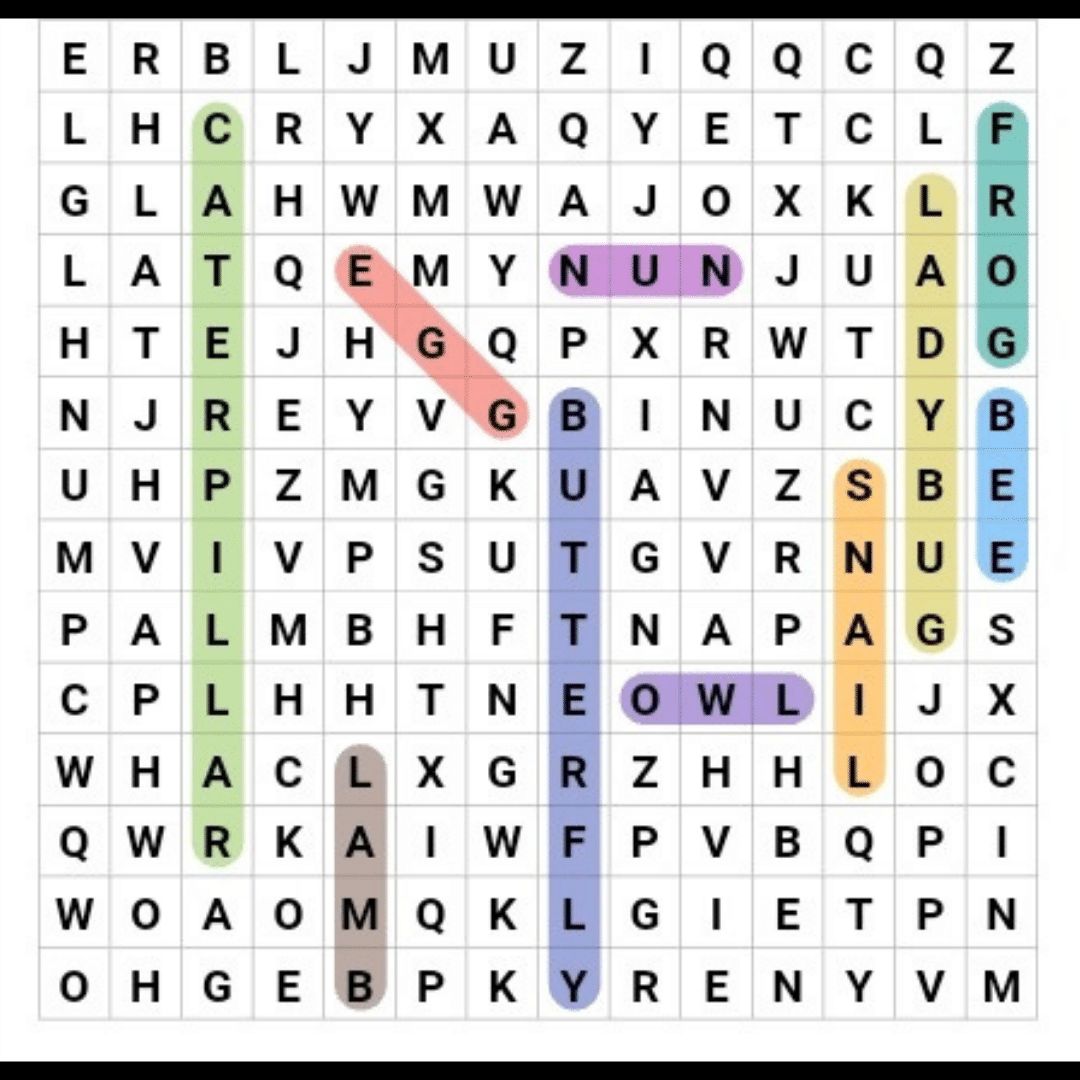
a box containing random alphabets with hidden words.
8. The given words are marked in the box below:
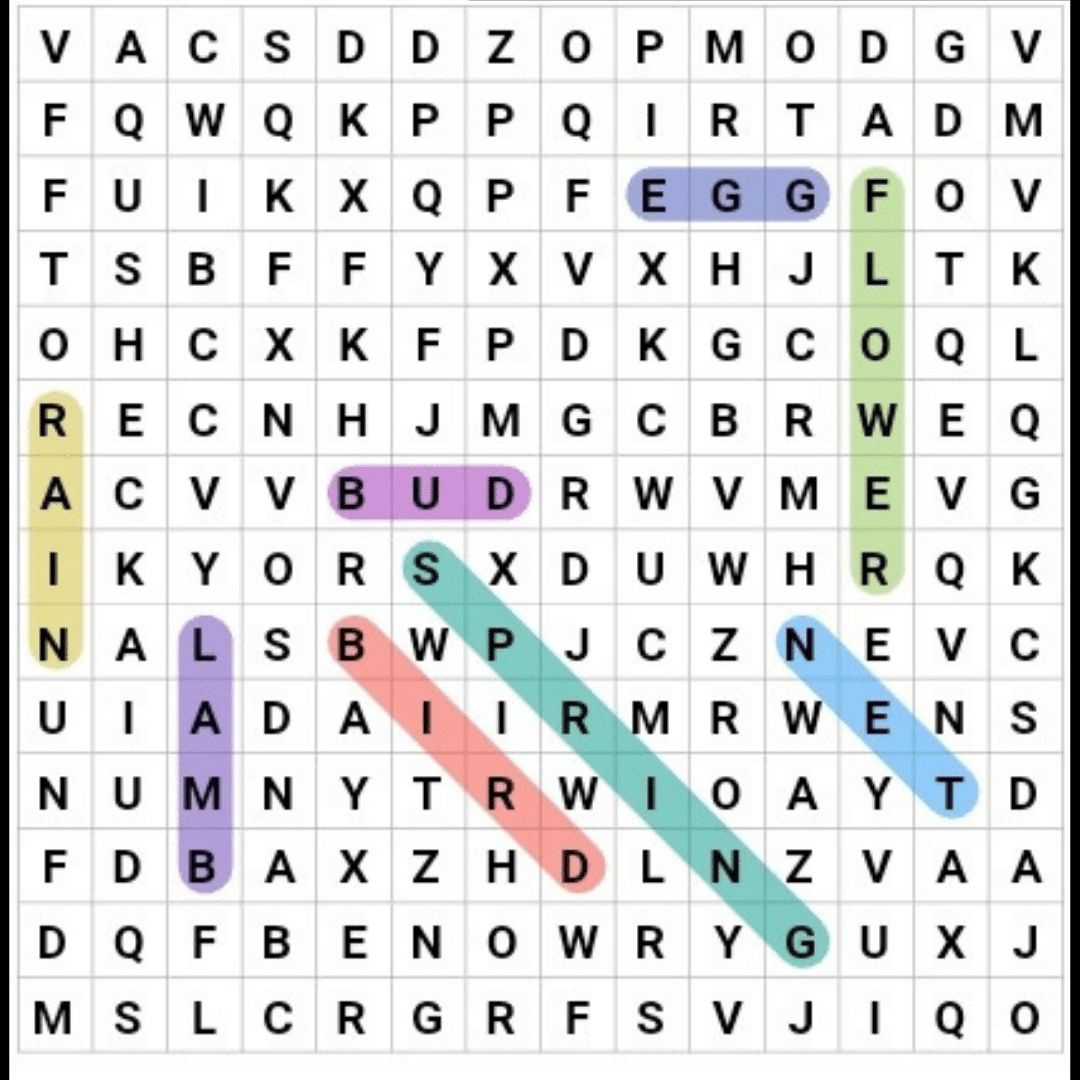
a box containing random alphabets with hidden words.
9. The given words are marked in the box below:
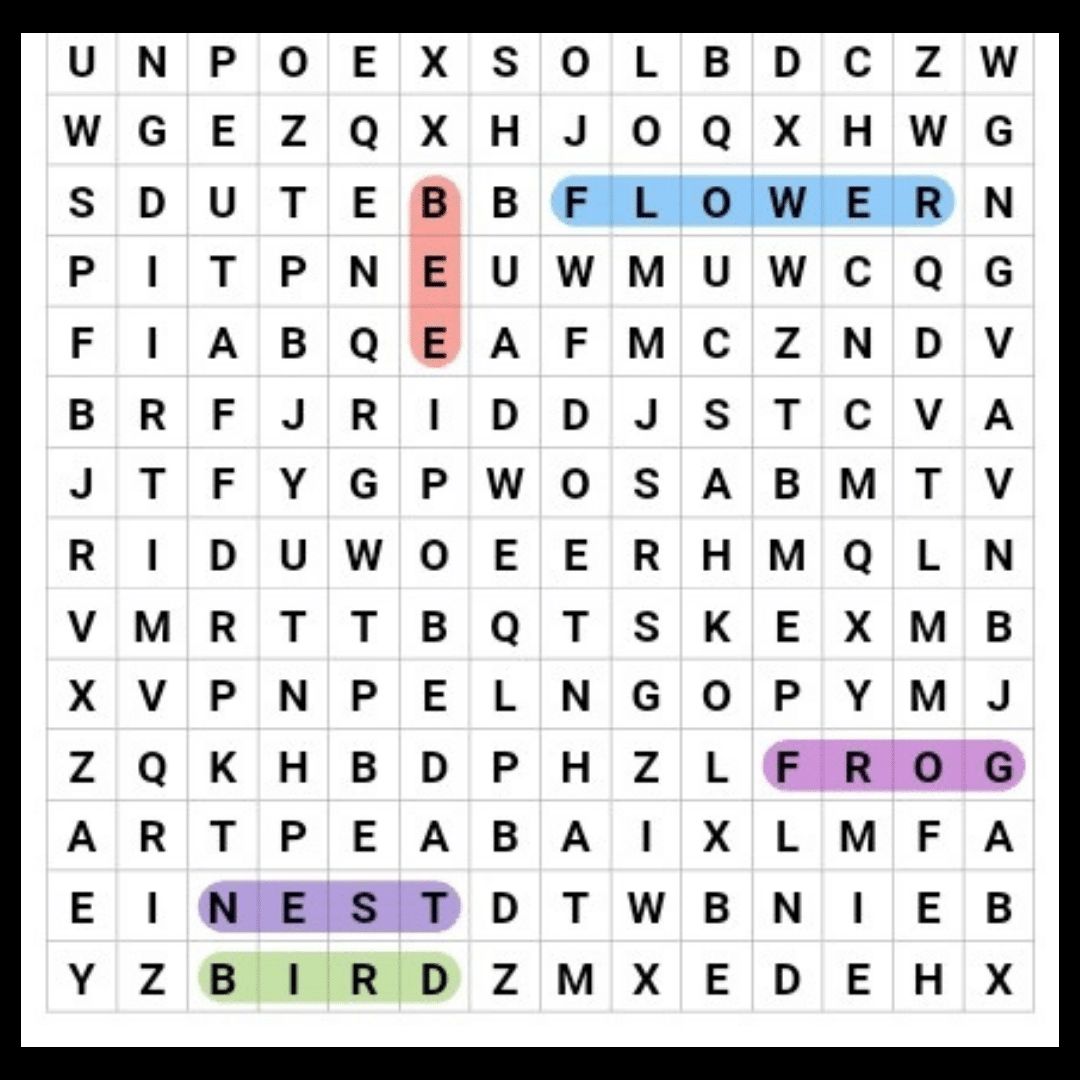
a box containing random alphabets with hidden words.
10.
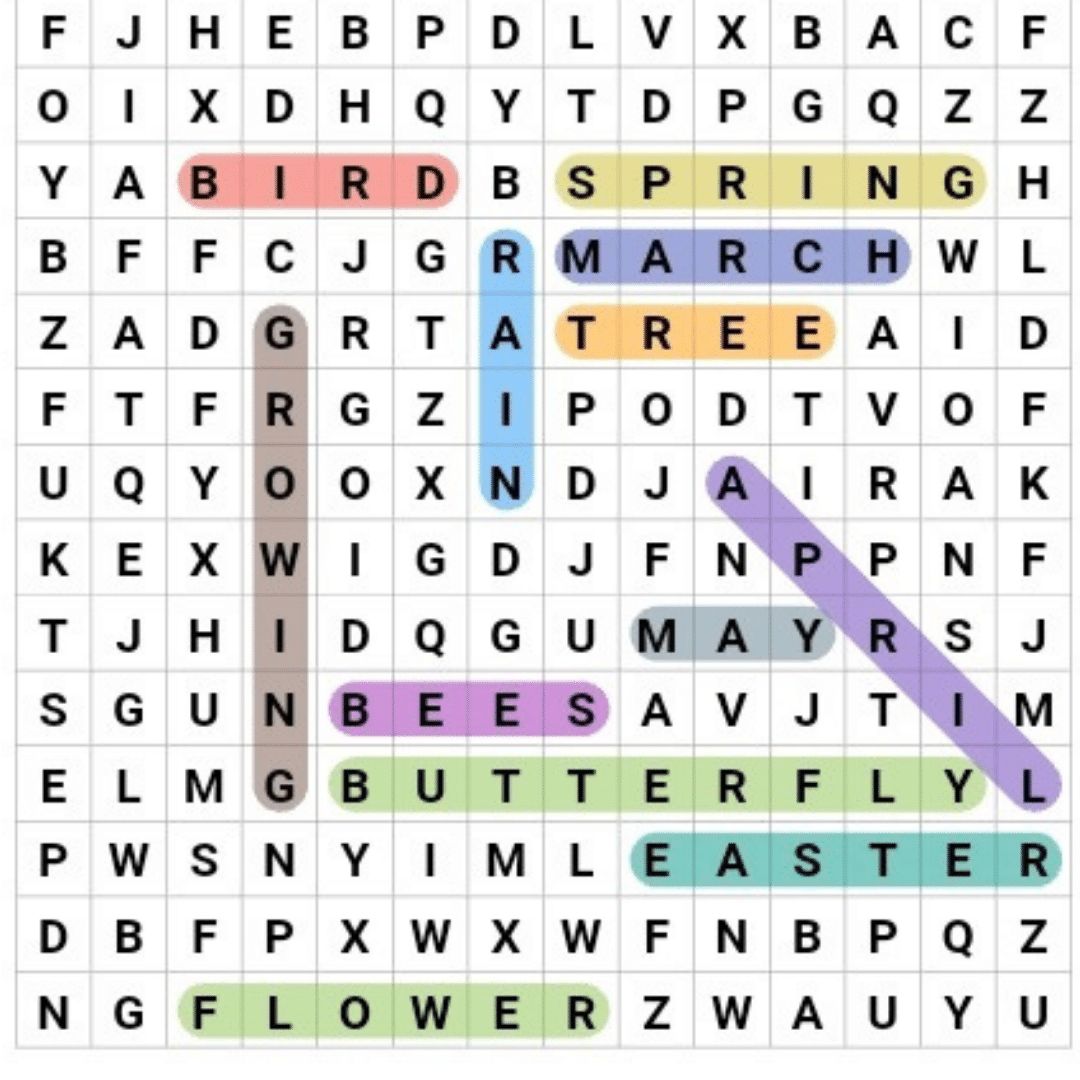
a box containing random alphabets with hidden words.
11.
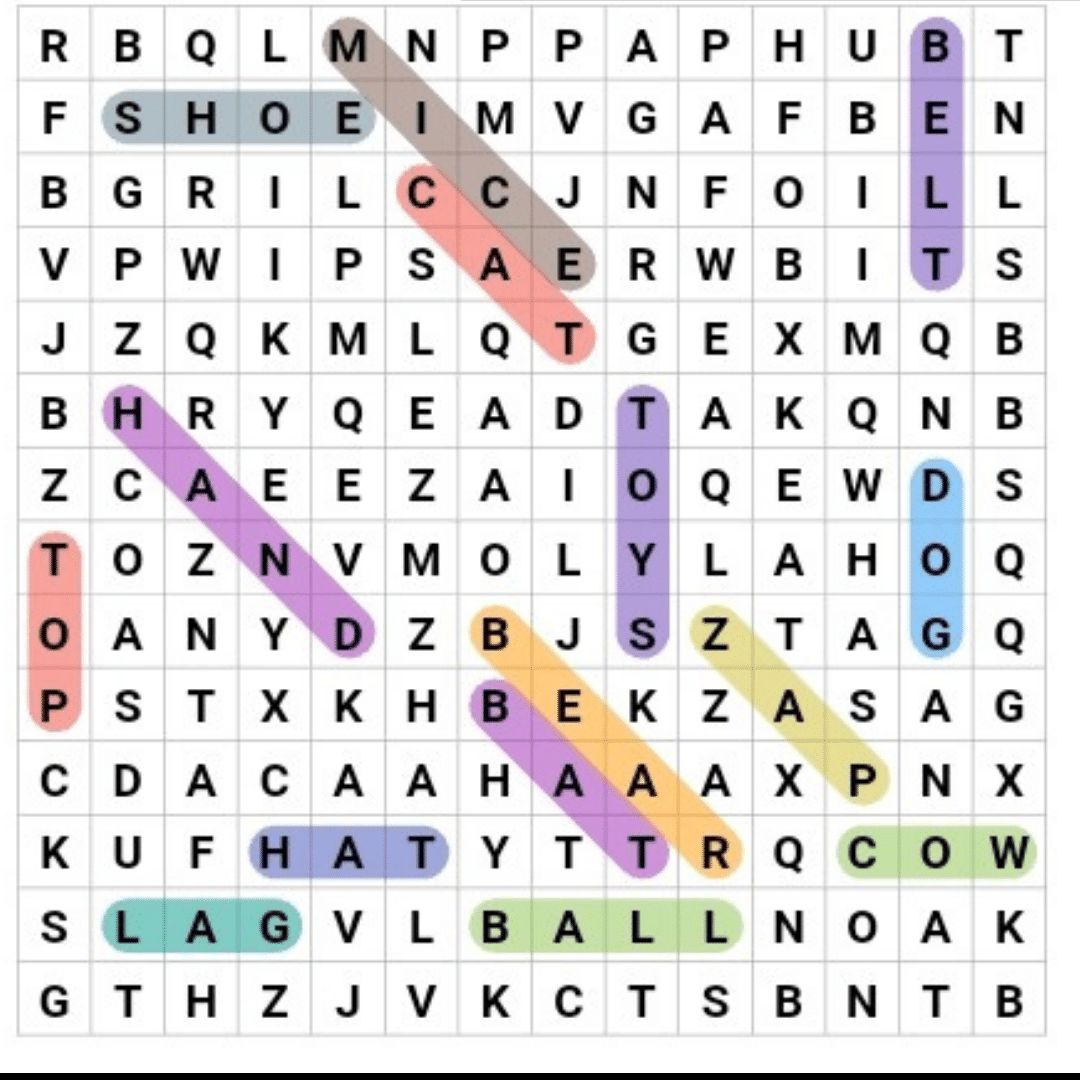
a box containing random alphabets with hidden words.
12.
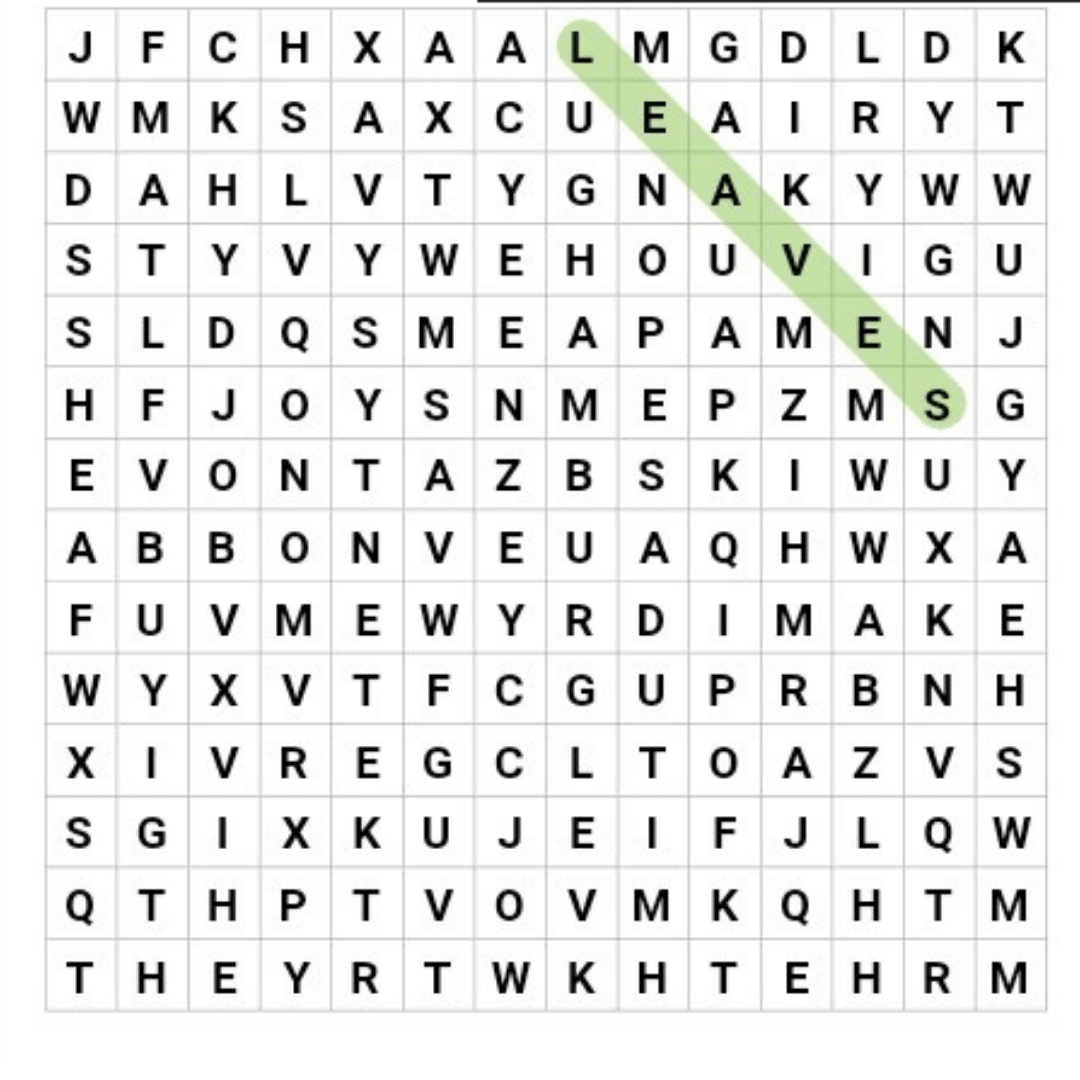
a box containing random alphabets with hidden words.
13.
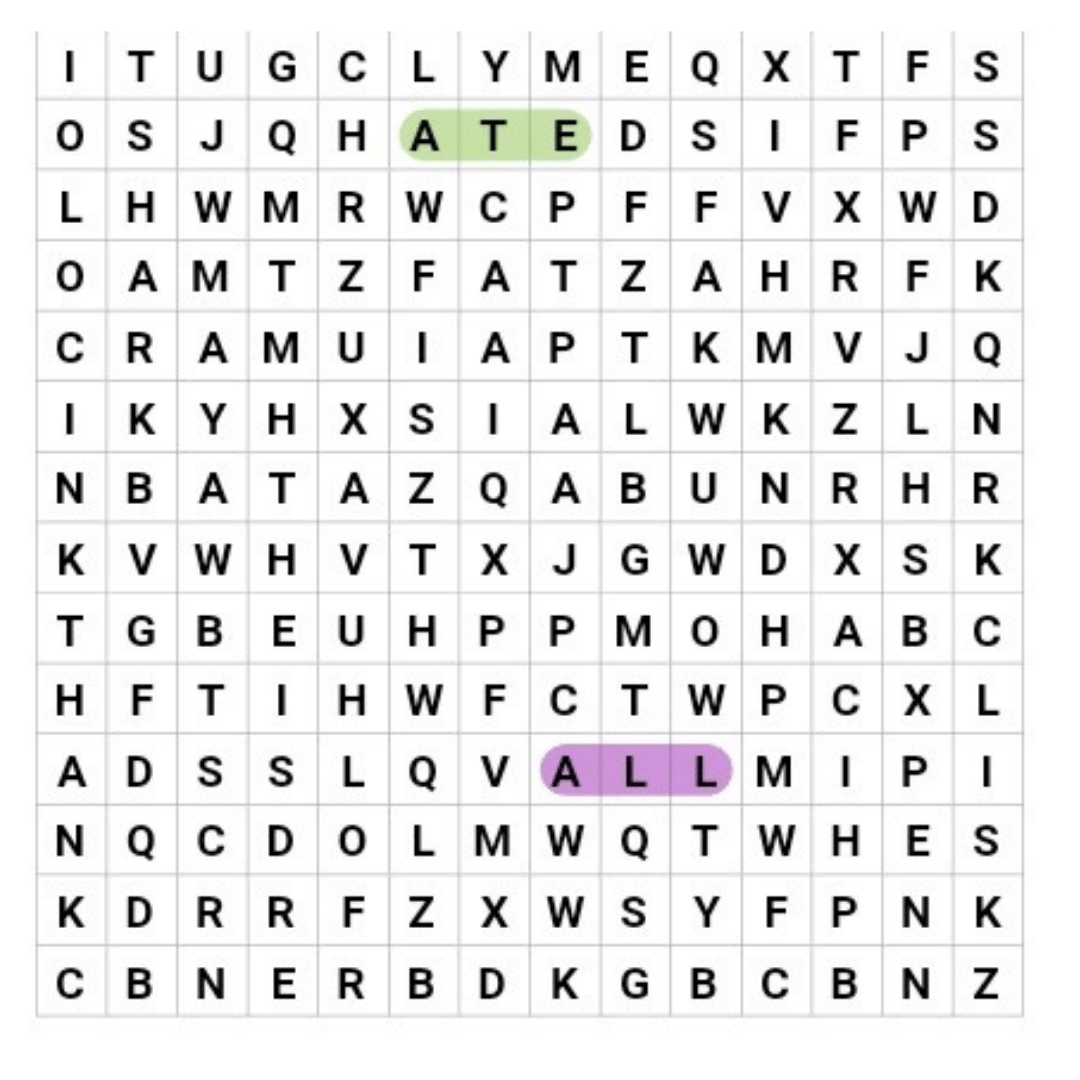
a box containing random alphabets with hidden words.
14.
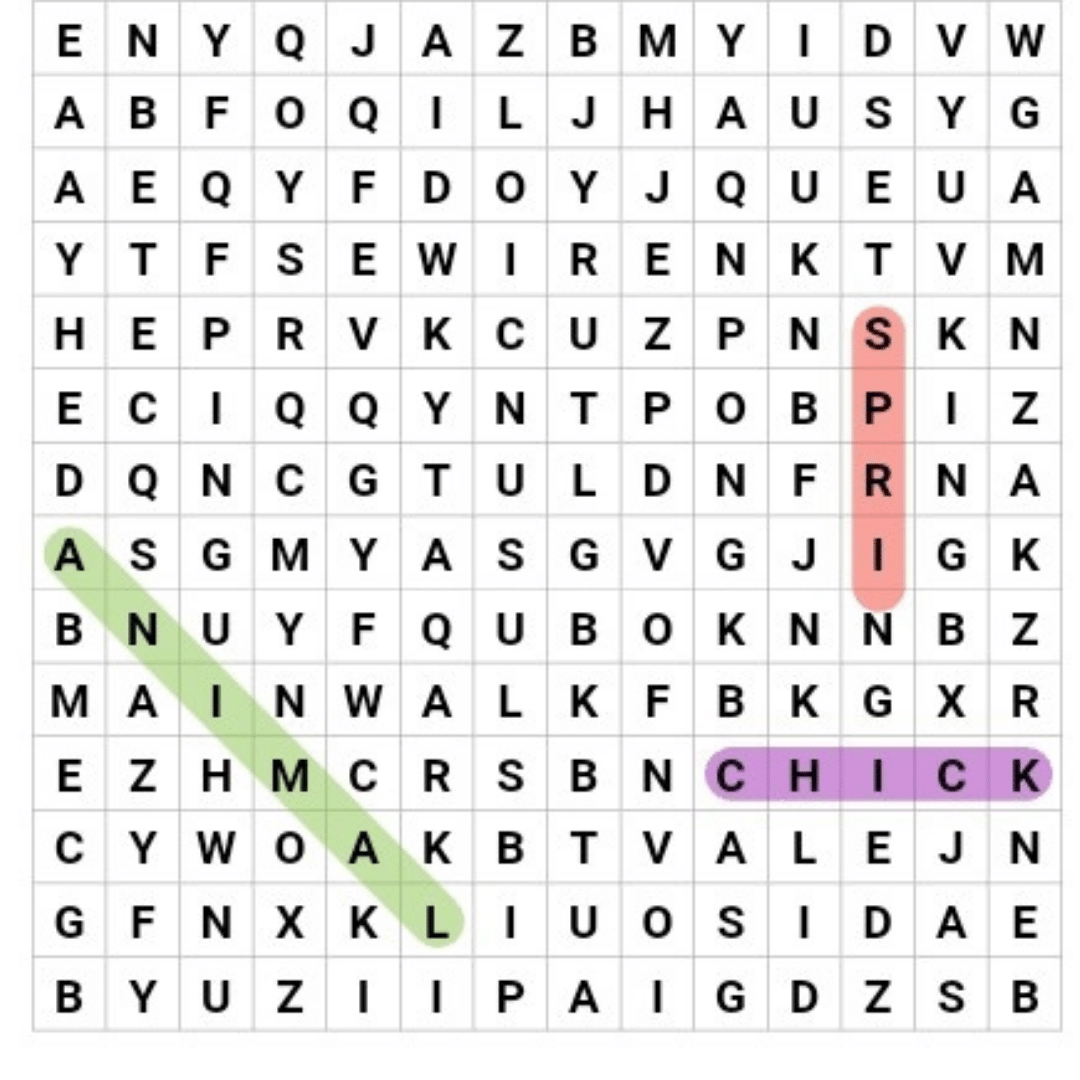
a box containing random alphabets with hidden words.
15. The names of any five fruits found in the word search box are as follows:
Orange, grape, pear, apricot and cherry.
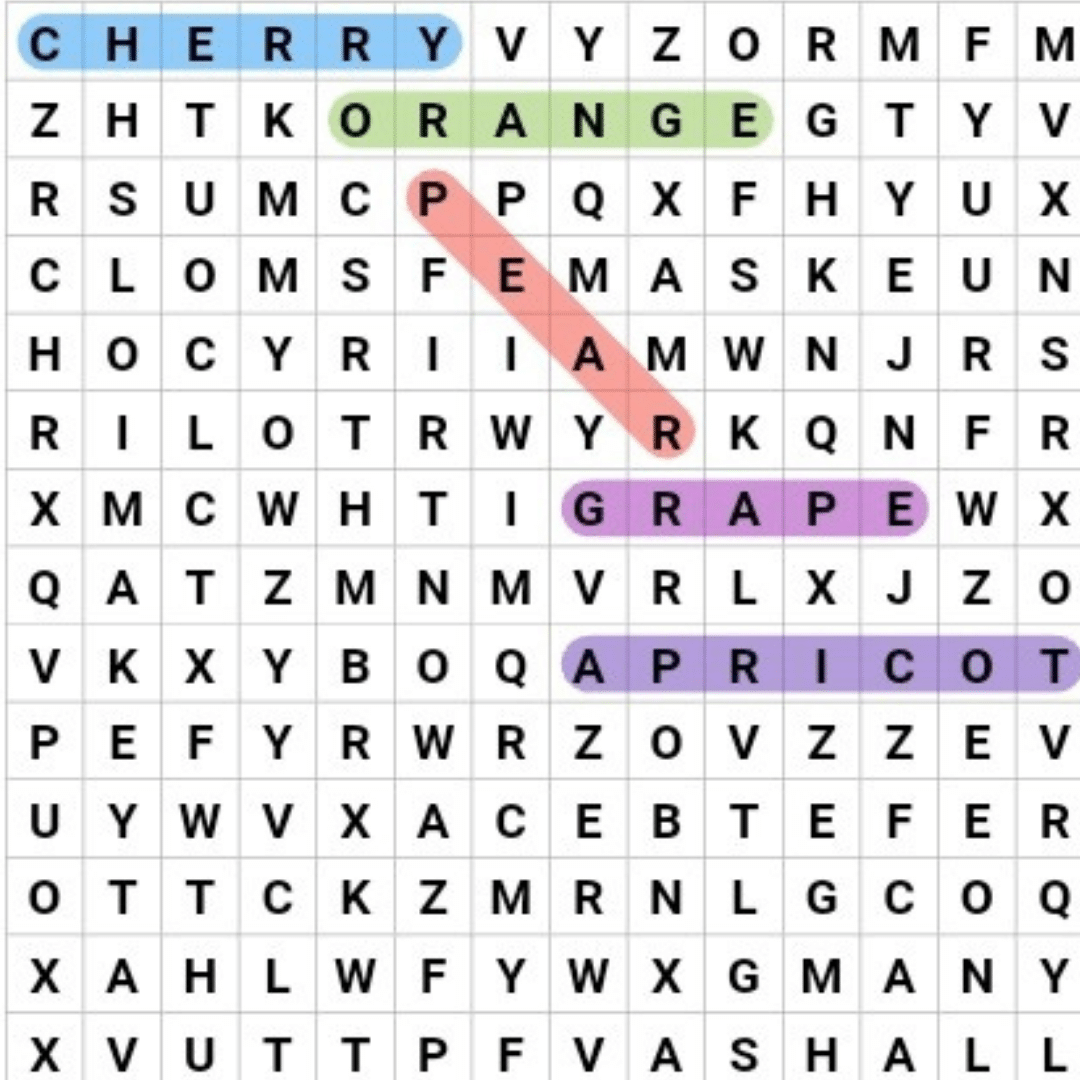
a box containing random alphabets with hidden words.
Importance of Worksheets for Spring Break Word Search Class KG-3
The worksheets of Spring Wordsearch for Kids have been created by the experts at Vedantu to help them learn new words in a fun and interesting manner.
Students will get puzzle-solving skills when they follow the worksheet and try to find the new words. This will help them increase their focus.
The worksheets contain different words related to Spring so that students can understand the related words properly.
Parents can teach the children these word meanings to increase their vocabulary.
Students that learn new words will also develop an interest in reading and writing. They can also improve their spelling from these worksheets.
Benefits of Spring Word Search Worksheets for KG-3 Students
The main aim of the word search experts at Vedantu is to make sure that children have a fun experience while learning from the best study materials. Students can download the worksheets and practice learning new and interesting words.
The experts at Vedantu have a responsibility to make sure that children are learning new words daily. That is why there are many different words in the puzzle that students need to find out.
With proper practice, students will take less and less time to figure out the words in the puzzle. With the help of these worksheets, they can ensure that they aren’t making any mistakes in finding the words.
Students will be able to download the worksheets for free and can access them anywhere offline. This will make it easier for them to learn, no matter where they are.
Worksheets For Spring Word Search Will Make Learning English Easy
Download the worksheets for Spring Word Search and learn the new words easily. The experts have formulated these worksheets, including the words that are related to spring. This will enable the kids to learn about the spring season as well.


FAQs on Spring Word Search Worksheet for Kids and Classrooms
1. What is a Spring word search worksheet?
A Spring word search worksheet is a printable or digital puzzle that asks students to find spring-related vocabulary hidden in a grid of letters. It is commonly used in English classes to build vocabulary recognition and spelling skills.
- Words are placed horizontally, vertically, or diagonally.
- Common spring words include flowers, rain, sunshine, and butterfly.
- It supports reading, spelling, and word identification practice.
2. How does a Spring word search help improve vocabulary?
A Spring word search improves vocabulary by reinforcing the spelling and visual recognition of seasonal words. When learners search for target words, they repeatedly scan and identify correct letter patterns.
- Strengthens word recognition skills.
- Improves spelling accuracy through repetition.
- Introduces new spring-themed vocabulary in context.
3. What types of words are included in a Spring word search worksheet?
A Spring word search worksheet typically includes seasonal nouns, descriptive adjectives, and nature-related terms. These words are chosen to match spring themes in English lessons.
- Nouns: rainbow, garden, blossom
- Adjectives: bright, fresh, warm
- Nature words: bee, cloud, nest
4. How do you create a Spring word search worksheet?
To create a Spring word search worksheet, you choose spring vocabulary and place the words inside a letter grid in different directions. The remaining spaces are filled with random letters.
- Step 1: Select 10–20 spring-themed words.
- Step 2: Arrange them horizontally, vertically, or diagonally.
- Step 3: Fill empty boxes with random letters.
- Step 4: Add a word list below the puzzle.
5. What skills does a Spring word search worksheet develop?
A Spring word search worksheet develops spelling, reading fluency, and visual scanning skills. It also improves concentration and attention to detail.
- Enhances pattern recognition.
- Builds topic-specific vocabulary knowledge.
- Encourages independent learning practice.
6. Can a Spring word search worksheet be used for ESL students?
Yes, a Spring word search worksheet is effective for ESL (English as a Second Language) students because it reinforces basic vocabulary in an engaging way. It supports learners at beginner and elementary levels.
- Introduces common seasonal vocabulary.
- Provides low-pressure reading practice.
- Encourages pronunciation practice after finding each word.
7. What is the difference between a word search and a crossword puzzle?
The main difference is that a word search requires students to find given words in a letter grid, while a crossword puzzle requires answering clues to fill in missing words. Both are vocabulary-building activities but use different thinking skills.
- Word search: Focuses on recognition and spelling.
- Crossword: Focuses on meaning and recall.
- Crossword puzzles require clues and definitions.
8. Are Spring word search worksheets suitable for kids?
Yes, Spring word search worksheets are highly suitable for kids because they combine fun with educational vocabulary practice. They are commonly used in elementary classrooms.
- Improves early reading skills.
- Makes learning seasonal words interactive.
- Can be adjusted for different grade levels.
9. How can teachers use a Spring word search in the classroom?
Teachers can use a Spring word search as a warm-up, review activity, or homework assignment to reinforce seasonal vocabulary. It fits well into reading and vocabulary lessons.
- Use as a bell-ringer activity at the start of class.
- Pair students for collaborative learning.
- Follow up with sentence-writing using found words.
10. How difficult should a Spring word search worksheet be?
A Spring word search worksheet should match the learner’s age and English level, with simpler grids for beginners and more complex layouts for advanced students. Difficulty depends on word length and grid size.
- Beginner: Short words, horizontal placement only.
- Intermediate: Diagonal and vertical words included.
- Advanced: Larger grids with longer vocabulary words.
