




How to Use Lowercase Letter Worksheets for Tracing Writing and Recognition
Lower–case is basically an alphabet written in small form. A lowercase alphabet lowercase not used at the starting of a noun.
For example: Write an uppercase alphabet and a lowercase alphabet.
Answers: uppercase alphabet A
lowercase alphabet a.
Questions:
1. Colour the balls with lowercase letters.

an image of some balls with B,D and C written on it using uppercase letters and a and r is written on it using the lower letters
2. Write the lowercase letters for the following uppercase letters.
i. A
ii. U
iii. Y
iv. U
3. Write a word starting with the following lowercase letters:
i. f
ii. u
iii. e
iv. g
4. Write the missing lowercase letters.
___, b, c, d, __, f, __, h, i, j, ___, ___, m, n, o, __, q, r, __, __, u, v, w, x, ___, z.
5. Match the following lowercase letters with the uppercase letters:
6. Write the following words using all lowercase alphabets:
i. CAT
ii. DOG
iii. PIN
iv. MAT
7. Circle the word which doesn’t start with a lowercase letter:

an image showing Mother, dog, ball, flower, circle, colors, using the upper and lower case alphabets written in it.
8. Identify by writing yes or no if the following alphabets are in lowercase or not:
i. C
ii. b
iii. A
iv. f
v. y
9. Identify the shapes given below and write their names using lowercase letters only:
i.

an image of a star
ii.

an image of a circle
iii.

an image of a rectangle
10. Write the lowercase letter which comes “After” the given letter:
i. D
ii. V
iii. T
iv. O
11. Identify the lowercase letter and write it in uppercase:
i. t
ii. y
iii. j
iv. s
12. Match the same lowercase letters:
13. Write the following sentences using the lowercase alphabets:
i. MY NAME IS SAMIPTA CHAWLA AND I AM A STUDENT.
ii. I AM 18 YEARS OLD.
iii. I CAN SPEAK IN THREE LANGUAGES WHICH ARE HINDI, ENGLISH, AND SPANISH.
14. Match the given lower case alphabets with their upper case alphabets:
15. Write the following words using lowercase letters only.
i. MATTRESS
ii. DEODORANT
iii. SLEEPOVER
iv. BEDROOM
v. BREAKFAST
vi. DRESSING ROOM
vii. MOBILE PHONE
viii. BLANKET
ix. WINTERS
x. SUMMERS
Answers:
1.
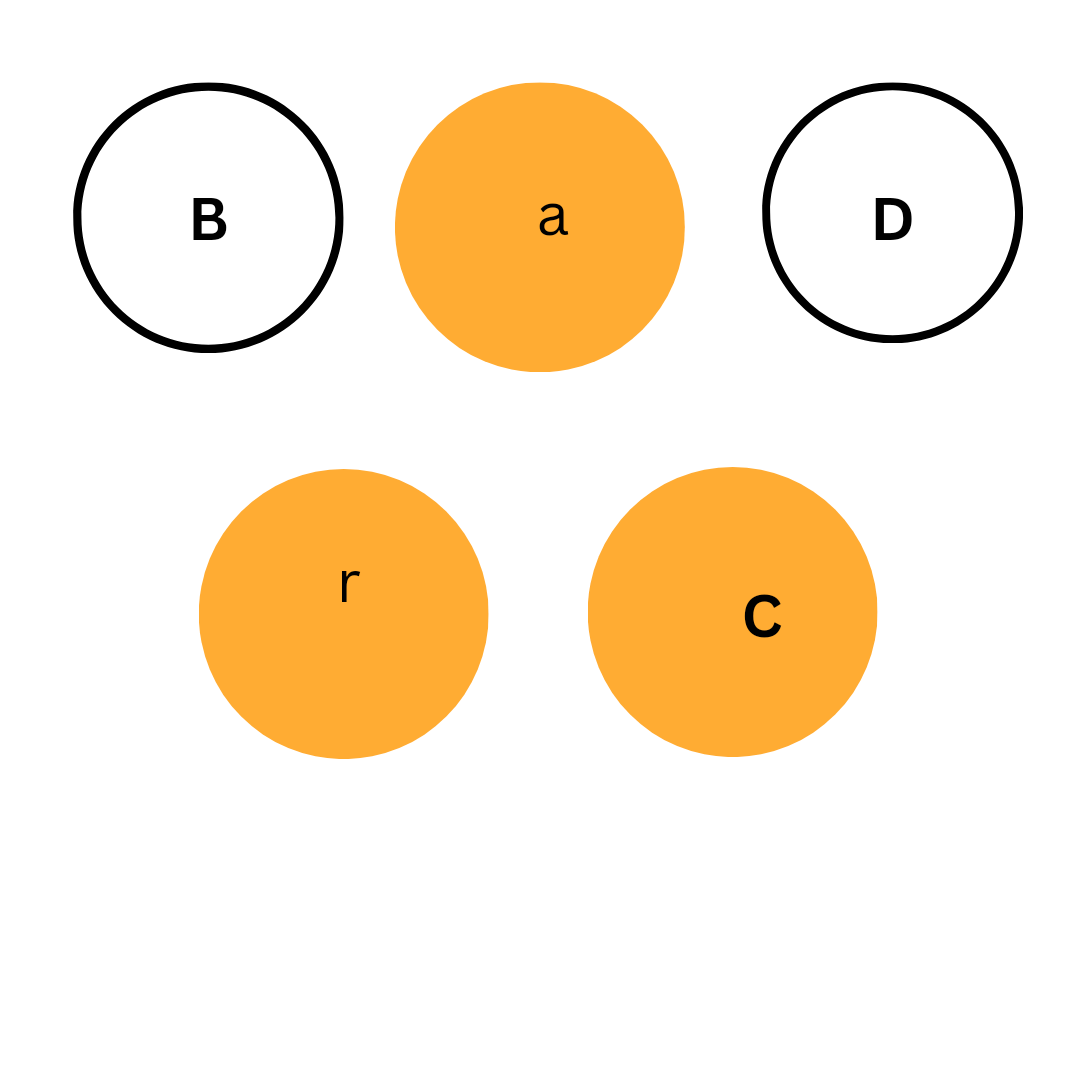
an image of some balls with B, and D written on it using uppercase letters and a, c, and r is written on it using the lower letters. a, r and c is colored with orange colour.
2.
i. a
ii. g
iii. y
iv. u
3.
i. frog
ii. uniform
iii. grass
iv. elephant
4. a, b, c, d, e , f, g, h, i, j, k, l, m, n, o, p , q, r, s , t ,u, v, w, x, y , z.
5.
6.
i. cat
ii. dog
iii. pin
iv. mat
7.

an image showing Mother, dog, ball, flower, Circle, Colours, using the upper and lower case alphabets written in it. The words Mother, Circle and Colours are circled.
8.
i. No
ii. Yes
iii. No
iv. Yes
v. Yes
9.
i. star
ii. circle
iii. rectangle
10.
i. e
ii. w
iii. u
iv. p
11.
i. T
ii. Y
iii. J
iv. S
12.
13.
i. my name is samipta chawla and i am a student.
ii. i am 18 years old.
iii. i can speak in three languages which are, hindi, english, and spanish.
14.
15. Writing the given words in lowercase:
i. mattress
ii. deodorant
iii. sleepover
iv. bedroom
v. breakfast
vi. dressing room
vii. mobile phone
viii. blanket
ix. winters
x. summers
Importance of Lowercase Alphabet Worksheet for Students
The alphabet writing worksheet contains different exercises for students who are interested in learning. Students can improve their knowledge about the Lowercase Alphabet series. The students can follow the worksheets and gain more understanding of the use of lowercase letters.
It is important thing that students learn how to write these letters because it is going to form a significant part of their higher studies.
Students will not only learn to write the letters, but will also understand their pronunciation as well. Practising the worksheet in an effective manner will help students improve their spelling and English writing skills in the best way.
For KG-3 students, the small letter worksheet is a helpful study resource that can teach them a lot. From the letter a to z, all the alphabets have been included in the worksheets.
Benefits of Letter Writing Worksheet for Students
These worksheets for the lower-case letters have been formulated by experts at Vedantu in order to make the learning process fun and interesting for KG-3 students. They will be able to learn the letters and also understand their importance.
Learning how to properly write lowercase letters will help students improve their spelling in the best way. They will be able to learn new words and their pronunciation by writing the letters.
Students can practice the worksheets in order to gain proper knowledge and practice to score good marks in the examinations. They will be able to prepare the topic a lot faster for their exams.
The worksheets are completely free to download and students can access the sheets offline as well. Thus, they can practice writing the letter no matter where they are.
Download Lowercase Letters Worksheet to Make Learning Fun
Students can download the worksheet for small letters from Vedantu and practice all they want. With these worksheets, they will easily be able to learn the letters and how to write them.


FAQs on Lowercase Letter Worksheet for Tracing and Writing Practice
1. What is a lowercase letter worksheet?
A lowercase letter worksheet is a printable or digital practice sheet designed to help learners recognize, trace, and write small letters from a to z. It is commonly used in preschool and kindergarten to build early literacy skills. These worksheets usually include:
- Letter tracing activities (e.g., tracing a, b, c)
- Letter recognition exercises
- Matching uppercase and lowercase letters
- Simple words that begin with the target lowercase letter
2. Why are lowercase letters important for early reading and writing?
Lowercase letters are important because they appear more frequently than uppercase letters in everyday reading and writing. In most English texts, over 90% of letters are lowercase letters. Learning them helps children:
- Recognize words more easily
- Develop fluent reading skills
- Write simple sentences correctly
- Understand basic capitalization rules
3. What is the difference between uppercase and lowercase letters?
The difference between uppercase letters and lowercase letters is their size and usage in writing. Uppercase letters (A, B, C) are also called capital letters and are used at the beginning of sentences and proper nouns, while lowercase letters (a, b, c) are used in most other cases. For example:
- Uppercase: Sarah lives in Canada.
- Lowercase: The dog is playing in the park.
4. How do you teach lowercase letters to kindergarten students?
You teach lowercase letters by combining letter recognition, tracing, and writing practice in a structured way. Effective steps include:
- Introduce one lowercase letter at a time
- Practice tracing with guided arrows
- Say the letter name and sound aloud
- Use pictures (e.g., a – apple)
- Reinforce learning with a lowercase letter worksheet
5. What are the best activities in a lowercase letter worksheet?
The best lowercase letter worksheet activities focus on tracing, identifying, and writing letters correctly. Popular activities include:
- Tracing dotted lowercase letters
- Coloring the target letter
- Circling the correct lowercase form
- Matching uppercase to lowercase letters
- Writing simple CVC words like cat or dog
6. At what age should a child learn lowercase letters?
Most children begin learning lowercase letters between ages 3 and 5 during preschool or kindergarten. At this stage, they typically:
- Recognize some letters visually
- Start tracing and copying letters
- Connect letters with sounds (phonics)
7. How do you practice writing lowercase letters correctly?
You practice writing lowercase letters correctly by following proper letter formation and consistent stroke order. Key steps include:
- Start at the correct point (top or middle line)
- Follow directional arrows when tracing
- Keep letters within writing lines
- Repeat each lowercase letter several times
8. What are common mistakes when learning lowercase letters?
Common mistakes when learning lowercase letters include letter reversals, incorrect sizing, and confusing similar letters. Typical errors are:
- Reversing b and d
- Mixing up p and q
- Writing letters too large or too small
- Incorrect stroke order
9. How can lowercase letter worksheets improve handwriting skills?
Lowercase letter worksheets improve handwriting skills by reinforcing proper letter formation and fine motor control. They help learners:
- Develop pencil grip and hand coordination
- Maintain consistent letter size
- Practice spacing between letters
- Build muscle memory for a–z lowercase letters
10. Can you give an example of a lowercase letter worksheet exercise?
An example of a lowercase letter worksheet exercise is tracing and writing the letter m with related word practice. A typical activity may include:
- Trace the dotted letter: m m m
- Write the letter independently on blank lines
- Circle pictures that begin with m (e.g., moon, mouse)
- Write a simple word like man
