







Why Is Water Vital for the Human Body?
Have you ever wondered what our body is made up of? Our body is mainly made up of water and other compounds like proteins, carbohydrates, and nucleic acids. But the human body consists of at least 70% of water. Water helps our body to carry out daily functions. Water is indeed an essential element for all living organisms.
There are a lot of things that make water necessary for our bodies. Water does everything from cellular functions to the digestion process to help improve concentration levels. The article below will lighten everything we need to know about water. Like, why we need to drink water and some interesting facts about water. Keep reading to find out what portion of your body is water.

Water-an Essential for the Human Body
Water and the Human Body
Drinking water regularly is much more than just quenching one’s thirst, it is a requirement to keep our body functioning properly and keeping healthy. All our systems within the body depend upon water for their proper functioning and survival.
The water we drink is absorbed and circulated throughout the body in the form of bodily fluids like blood. The body, in turn, performs numerous functions to keep us alive.
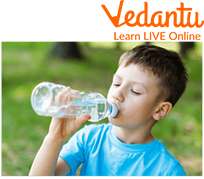
Drink Water Regularly
Ways in Which Water Works
You will be amazed to know what staying hydrated can do for the body. Following are certain ways in which water does wonder to your body and ways in which it works and helps our body:
It helps dissolve the nutrients and minerals in our body to make them more available to our bodies.
Water lubricates your joints, which helps us to function better.
It protects our body's organs and tissues by keeping them hydrated. This helps the organs to retain their normal level of moisture. For example, water helps to transport nutrients and oxygen to the cells, removes waste products, and regulates body temperature.
Water helps create saliva.
It acts as a shock absorber for the spinal cord, foetus as well for brain.
It controls our body temperature through perspiration and sweating.
It helps moisten the tissues in the eyes, mouth, and nose.
It helps us to avoid constipation.

Water: Stay Hydrated!
Interesting Facts about Water in the Human Body
Some interesting facts about water include:
Water consists of one oxygen atom and two hydrogen atoms.
The amount of water required by our body depends upon gender, age, muscle fat, body fat, climate, and how active or lazy we are.
An adult male needs 130 ounces of water, and a female needs 91 ounces of water daily.
Daily fluid intake: It is the amount of water we consume in a single day.
One glass of tap water has no calories, no fats, no proteins, and no carbohydrates, but it contains about 12 milligrams of sodium.

Benefits of Drinking Water
Functions of Water in the Body
We are quite often told to drink plenty of water. , but why is water an important source for our body? Below are some of the important functions or ways in which water works in our bodies.
Water helps the body in getting rid of waste through urine and sweat.
It helps the body in retaining normal body temperature.
It softens the food in our stomach, which gets easier to digest.
It acts as a medium for the transportation of substances in the body.
Human Body Water Percentage
Different parts of the body consist of different percentages of water. Let’s have a look at the percentage of water in the human body chart.
Brain: 75%
Blood: 83%
Kidneys: 83%
Liver: 85%
Bones: 22%
Heart: 79%
Muscles: 75%
Lungs: 78%
Teeth: 10%
Skin: 75%
Fun Facts for Kids
It is important to know how and why to stay hydrated with water. Let’s see some fun facts about it.
Our body requires a minimum of two litres of water daily to stay healthy.
Did you know that the weight of our body contains at least 60% water?
We also get water from the food that we eat.
Did you know that 90% of water is in the fruits and vegetables we eat?
Every day our mouth produces one litre of saliva.
Our body loses water in many forms, like when we sweat, pass urine, also when we cry in the form of tears and the form of blood as well.
Kids and babies have more water than adults.
We can only survive for three days without water, after which our body parts will stop functioning properly.
Summary
From this article, we have learnt that Water is an essential nutrient required for the human body. As our bodies cannot create water, we need to drink water to add it to our bodies. Drinking the minimum requirement of water can help our body function better and improve our health overall. Even though the percentage of water varied with age, sex, and body type but should maintain a level of 60%. Water is pivotal to keeping the body working correctly.
FAQs on Facts About Water in the Human Body
1. What percentage of the human body is made of water?
Up to 60% of an adult human body is made of water. For children, the percentage is even higher, often around 75%. This water isn't just in our stomach; it's a key part of our cells, tissues, and organs. For instance, vital organs like the brain and heart are about 73% water, while our lungs are approximately 83% water.
2. What is the importance of water for the human body?
Water is crucial for survival and plays many important roles in the body. Some of its key functions include:
- Transporting Nutrients: It carries essential nutrients and oxygen to all our cells.
- Regulating Temperature: It helps maintain a stable body temperature through sweating and respiration.
- Protecting Organs: It acts as a shock absorber for the brain, spinal cord, and other vital organs.
- Aiding Digestion: Water helps break down food and prevents constipation.
- Flushing Waste: It is essential for the kidneys to filter waste from the blood and excrete it as urine.
- Lubricating Joints: It keeps our joints moving smoothly.
3. What happens if we do not drink enough water?
If we do not drink enough water, our body can become dehydrated. Dehydration can cause several problems, such as headaches, tiredness, and difficulty concentrating. It can also lead to more serious issues like constipation, as there isn't enough water to help move waste through our digestive system. In severe cases, it can affect how our kidneys and other organs function.
4. What makes our body feel thirsty?
Our brain has a control centre that constantly monitors the body's water level. When the body loses water and the concentration of salt in our blood increases, this control centre triggers the sensation of thirst. This feeling is a crucial signal from our body telling us that we need to replenish our water supply to stay healthy and hydrated.
5. How does drinking water help keep our body cool?
Water is the body’s natural cooling system. When our body temperature rises, whether from exercise or hot weather, our glands release sweat onto the skin. This sweat is made mostly of water. As the sweat evaporates from our skin's surface, it takes heat away from the body, which effectively lowers our overall body temperature and helps us cool down.
6. Besides drinking plain water, what are other sources of water for our body?
While drinking water is the best source of hydration, we also get water from the food we eat. Many fruits and vegetables have a high water content. For example, watermelon and cucumber are over 90% water. Other good sources include soups, juices, milk, and other beverages, which all contribute to our daily fluid intake.
7. In what ways does our body lose water throughout the day?
Our body naturally loses water every day, even when we're resting. The primary ways we lose water are:
- Through Urine: The kidneys use water to flush out toxins and waste products.
- Through Sweat: To regulate and cool our body temperature.
- Through Breathing: We lose a small amount of water vapour every time we exhale.
- Through Digestion: Water is used in bodily processes and is lost in bowel movements.
8. Why is staying hydrated so important for our brain and concentration?
Since the brain is mostly water, staying hydrated is essential for it to function correctly. Proper hydration ensures that the brain receives the oxygen and nutrients it needs to work efficiently. This directly impacts our ability to think clearly. Even mild dehydration can lead to a loss of focus, reduced memory function, and feeling tired, making it harder to learn and concentrate in school.
