







Essential Human Body Parts and Their Functions Explained
We all perform different activities throughout the day. Have you ever thought about how we are able to perform work in a good manner? Our body helps us to do various things. Different body parts help us to do things properly. Let's study in detail human body parts. The human body is made up of all different parts. Different parts together constitute the whole body. Different organs work together to perform common functions. The whole system together as a unit is known as the human body.
Human Body Parts Name with Picture
Human Eye
The human eye is an organ that helps us to look around. The human eye provides us with vision and is a very sensitive organ.
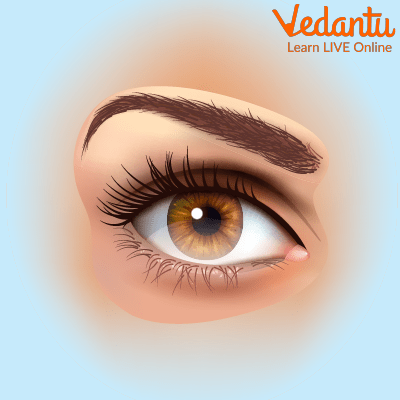
Human Eye
Human Mouth
The mouth helps us to eat food. The digestion of food begins from the mouth. The mouth helps us to chew the food.
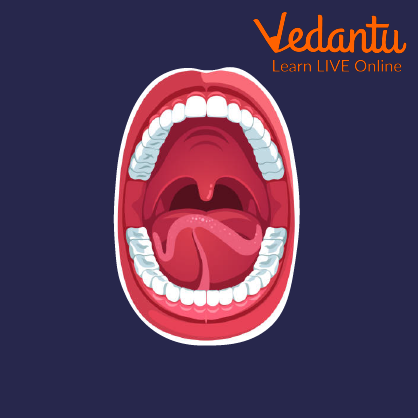
Human Mouth
Human Nose
It is an organ that helps us to smell. It helps us to breathe. The nose also helps us to keep the dust particles away.
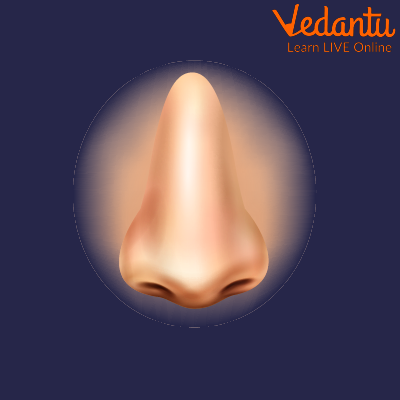
Nose
Shoulder
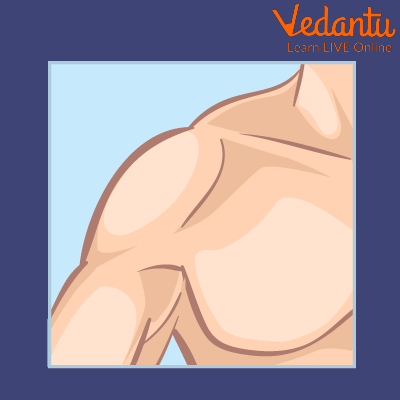
Shoulder
The human shoulder is made up of three bones. The shoulder gives support to the arms.
Knee
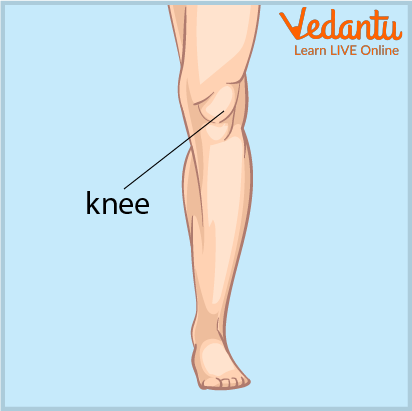
knee
The knee is the joint between the thigh and the lower leg in humans. Knees help us to bend our legs and are round in shape.
Neck
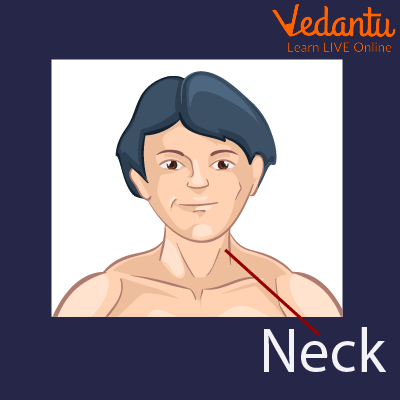
Neck
The neck is present below the head and above the shoulder, it helps in turning around and looking around. It also gives messages from the brain to the rest of the body.
Arms
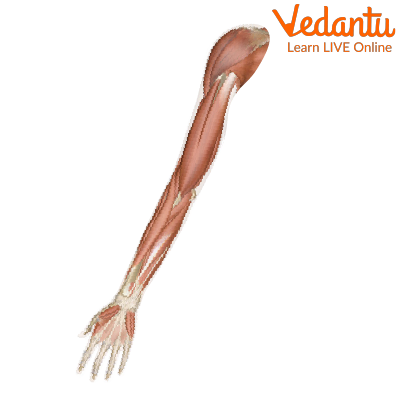
Arm
Arms help us to experience the sense of touch. Arms also help us to bend from the mid portion of the arm which makes it easy to perform activities.
Chest
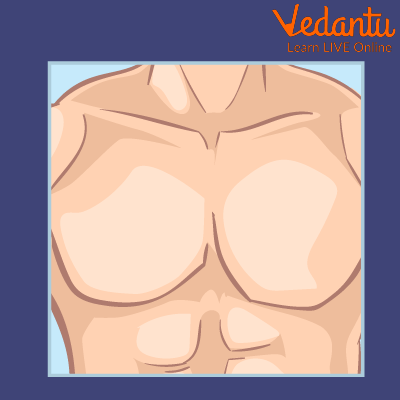
Chest
The chest is present below the neck and above the stomach, it helps in protecting the lungs and heart.
Tongue
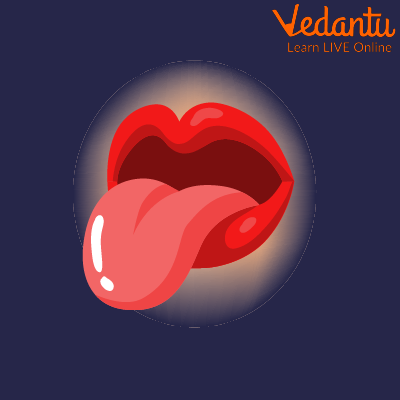
Tongue
The tongue is present inside the mouth, it has a sense of taste and helps in talking.
Stomach
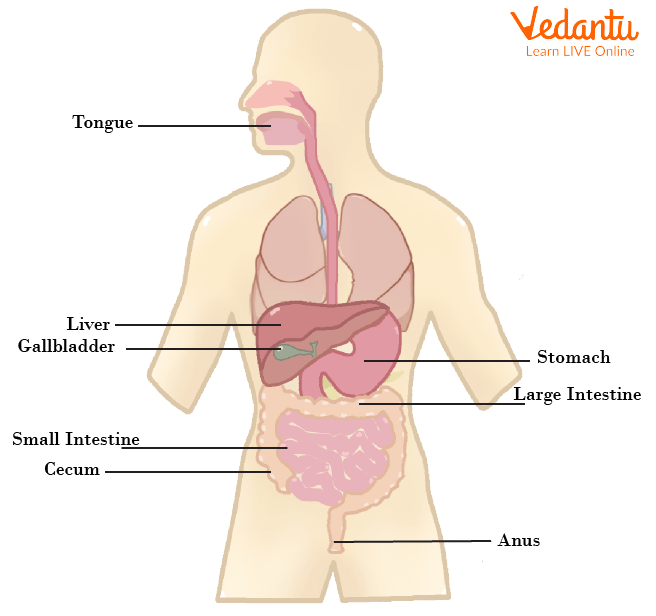
Stomach
The stomach plays an important role in the human body and it contains different organs around it. The stomach receives food from the esophagus. The stomach helps in the digestion of food.
Human Leg
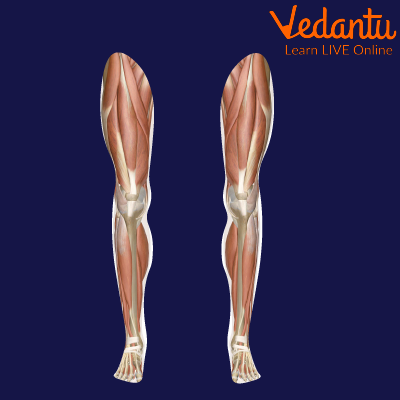
Human Leg
Human legs are differentiated into different parts and are very important organs of the human body. Human legs help us to move from one place to another as the main function of legs is to walk and also to help the body to maintain balance.
Jaw

Jaw
The top and bottom of the mouth are called the jaw. It helps in chewing the food.
Ear
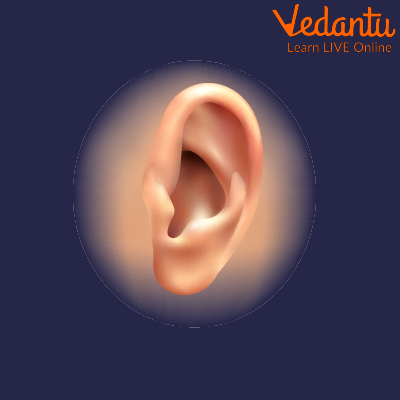
Ear
Ears are present on the sides of the head. Ears are the senses of hearing.
Other human body parts are :
Ankle
Armpit
Chin
Calf
Eyeball
Eyelash
Elbow
Ear
Foot
Hand
Jaw
Lips
Navel
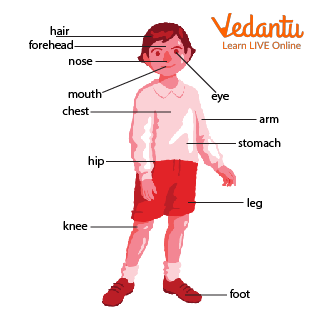
Human Body Parts
Interesting Facts
Ears never stop growing.
The Femur is the longest bone in the human body.
The human eye is about 576 megapixels.
Only 2% of human eyes have green eyes.
Summary
All body parts help the body to do many important things and each and every organ, as well as the body part, is very important. If any single body part is damaged we face difficulties performing different activities.
FAQs on Human Body Parts Name with Pictures: Complete Guide
1. What are the main external parts of the human body?
The human body's main external parts are the head, neck, torso (the central part of the body), arms, and legs. Each of these larger sections contains smaller, more specific parts, such as the eyes and nose on the head, or the hands and fingers on the arms.
2. What are the different parts of our arms and legs?
Our arms and legs are our limbs, which help us move and interact with our surroundings.
- An arm includes the shoulder, upper arm, elbow, forearm, wrist, and hand.
- A leg is composed of the thigh, knee, shin, ankle, and foot.
3. What is the difference between an external and an internal body part?
The difference is based on whether we can see them from the outside.
- External body parts are on the surface of our body and are visible, such as our skin, hair, ears, and feet.
- Internal body parts, or organs, are located inside our body and are not visible from the outside. Examples include the heart, lungs, brain, and stomach.
4. Why are our five sense organs so important for daily life?
Our five sense organs are our connection to the world around us. The eyes (sight), ears (hearing), nose (smell), tongue (taste), and skin (touch) are crucial for survival and enjoyment. They help us gather information, learn new things, enjoy food and music, and also protect us from danger by alerting us to potential threats, like a hot surface or a strange smell.
5. Why is it helpful to learn about the human body using pictures and diagrams?
Using pictures and diagrams makes understanding the human body much simpler and more effective. Visual aids help you see the exact location, size, and shape of different body parts, like where the liver is or how bones connect at a joint. This visual context makes it easier to remember the names and functions of body parts, which is especially helpful for schoolwork and projects.
6. What are some of the most important internal organs and what do they do?
Internal organs are vital parts inside our body that perform specific jobs to keep us alive. Some of the most important ones include:
- The Brain: Controls our thoughts, movements, and feelings.
- The Heart: Pumps blood throughout the body.
- The Lungs: Allow us to breathe in oxygen and breathe out carbon dioxide.
- The Stomach: Helps digest the food we eat.
7. Which is the strongest and longest bone in the human body?
The femur, which is the thigh bone, holds the title for being both the longest and the strongest bone in the human body. It runs from the hip to the knee and is incredibly strong because it needs to support our body weight during activities like standing, walking, and running.
