







Types of Shape Games for Kids with Examples and Benefits
It is crucial for toddlers to learn different shapes as it is a foremost step for further learning of alphabets and Mathematical concepts. So, we have provided fun shape games for kids to learn different shapes.
With these fun games based on shapes, children will be able to identify the difference and similarities between the shapes. Read on to know 6 different fun games for kids to make them learn the different shapes.
1. Shape Patterns Sequencing Games
Shape patterns is a type of sequence game in which children are asked to complete the pattern of different shapes. This game is excellent at recognizing the different shapes and developing problem-solving skills. The game comes with two levels of difficulty. On an easier level, you just have to ask the children to complete the given pattern. But in the more challenging level, you are presented with a sequence with the missing level in a different position. Ask children to fill the missing position. This level increases the problem-solving skills of a child.
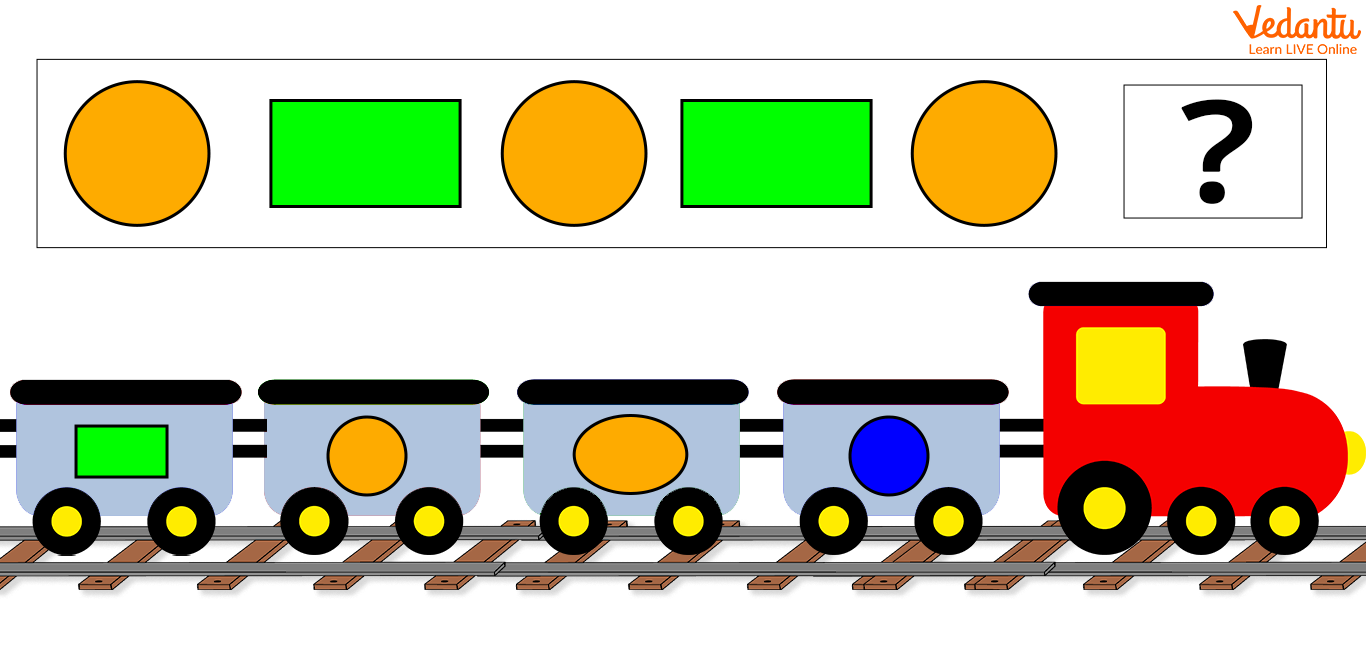
Complete the pattern
2. Shape Passing Game
In this game, take a bag and fill it with the different geometric shapes or identical objects. Ask children to sit in a circle. Here, the kids have to pass the bag as the music starts and stop passing as the music stops. As the music stops, the lucky child will open the bag and the child or group shout out the shape. Repeat the game till all the shapes in the bag are called out by the group.
Note: The shape which is once picked by the child will remain outside the bag. The children will continue to play with leftover shapes in the bag.
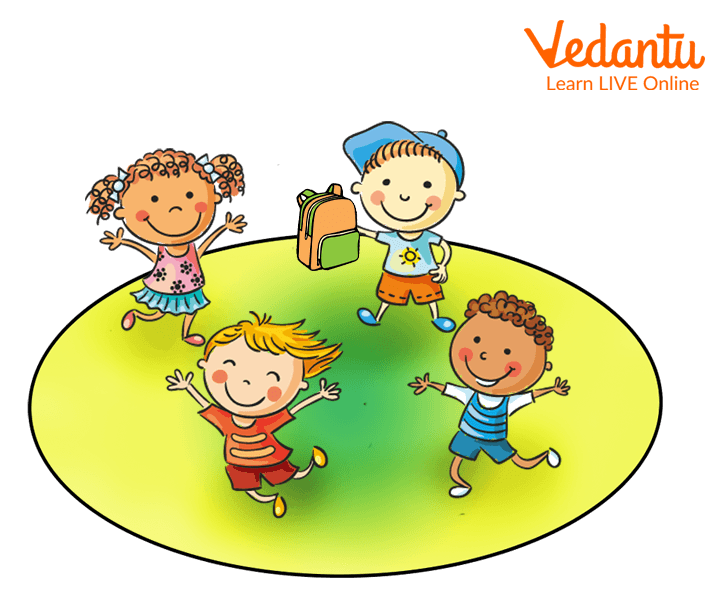
Passing bag game
3. Identify Shapes Through Magazine
In this game, the teacher has to divide the class into a team of 2-5 students and hand over magazines to each team. As the teacher calls out a shape, the students start searching for the shapes in the magazine.
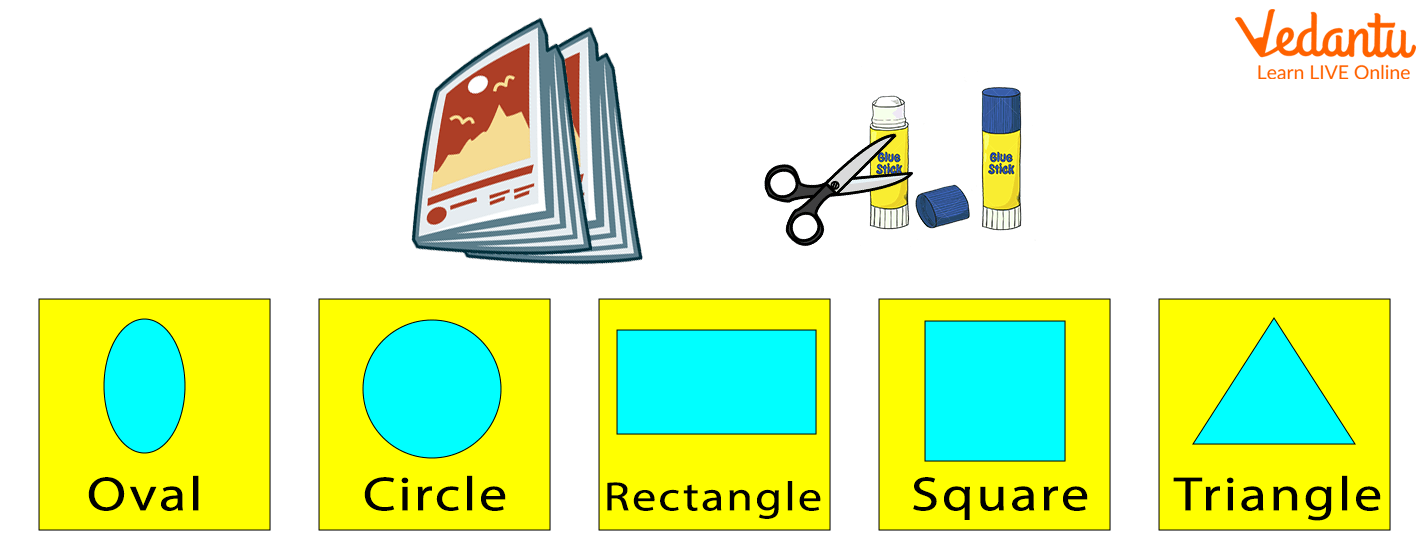
Identifying shape with magazine
3. Learn and Find Shapes for Kids
This game comes with two different gaming modes: Learn Shapes and Find Shapes. In the learning shape mode, spread out all the shapes on one table. Now, call out each shape one by one. As you call out the different shapes, ask the children to find real-life examples based on this shape.
In the finding shape mode, the teacher will call out the name of a shape and children have to pick the correct shape. If they pick an incorrect shape, then the teacher will give an explanation about that incorrect shape, so that children do not repeat the same mistake in future.
4. Connecting Dots
In this game, the kids have to connect all the dots drawn on a piece of paper in the correct sequence to make a shape. This game can only be played among kids who know counting.
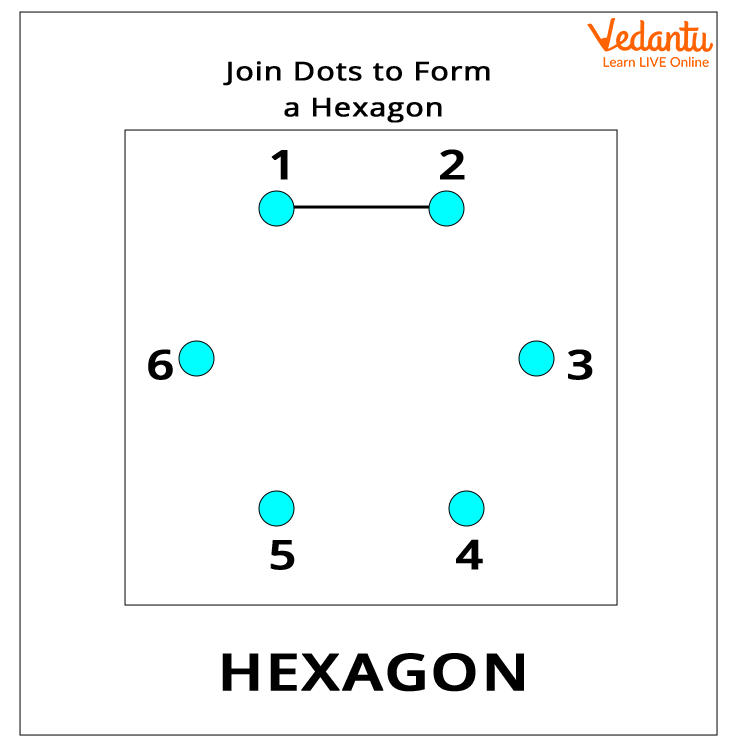
Connect the dots
5. Tracing Game to Learn Shapes
In this game, the kids have to trace the dots to complete a shape. After tracing the dots, the child will be able to draw a specific shape.

Tracing games
Conclusion
Kids always take more interest in learning through imaginative games and active involvement. So, if you are planning to introduce different shapes to your kids, we suggest you to follow the activities given in this article as this will not only help you to just introduce shapes to your kids but also help them to classify different objects and draw different shapes on their own.
FAQs on Shape Games for Kids That Make Learning Fun
1. What are shape games for kids?
Shape games for kids are fun learning activities that help children recognize, identify, and understand different geometric shapes. These games combine play with early math skills and visual learning.
- Teach basic shapes like circle, square, triangle, and rectangle
- Improve shape recognition and sorting skills
- Support early geometry and spatial awareness
- Encourage hands-on and interactive learning
2. Why are shape games important for preschoolers?
Shape games are important for preschoolers because they build foundational early math and cognitive skills. Learning shapes helps children understand patterns, structure, and spatial relationships.
- Develop problem-solving skills
- Improve hand-eye coordination
- Strengthen visual discrimination
- Prepare children for early geometry concepts
3. What are some fun shape games for kindergarten kids?
Some fun shape games for kindergarten kids include interactive activities that focus on identifying and matching 2D and 3D shapes. These games make learning enjoyable and memorable.
- Shape scavenger hunt – Find shapes around the classroom or home
- Shape sorting game – Group objects by shape
- Shape bingo – Match called-out shapes to a board
- Building block challenges – Create structures using specific shapes
4. How do you teach shapes to kids through games?
You can teach shapes to kids through games by combining visual examples, hands-on activities, and repetition of shape names and properties. Learning becomes more effective when children actively participate.
- Introduce one shape at a time
- Use everyday objects as real-life examples
- Play matching and memory games
- Encourage drawing and coloring specific shapes
5. What are examples of 2D and 3D shape games?
Examples of 2D and 3D shape games include activities that help children understand the difference between flat shapes and solid shapes. These games build spatial understanding.
- 2D shape puzzles – Matching circles, squares, triangles
- 3D shape box – Identifying cube, sphere, cylinder by touch
- Sorting flat vs solid objects
- Building 3D models with blocks
6. At what age should kids learn shapes?
Most children begin learning basic shapes between the ages of 2 and 4 years old. Early exposure through play helps strengthen recognition skills.
- Ages 2–3: Identify simple shapes like circle and square
- Ages 3–4: Recognize more shapes like rectangle and oval
- Ages 4–5: Understand basic properties of shapes
7. How do shape games improve cognitive development?
Shape games improve cognitive development by enhancing memory, attention, and spatial reasoning. These skills are essential for math and problem-solving later in life.
- Boost pattern recognition
- Improve classification and sorting skills
- Encourage logical thinking
- Strengthen concentration
8. What materials are needed for shape games at home?
Shape games at home require simple materials like everyday objects and basic craft supplies to teach shape recognition. Expensive tools are not necessary.
- Paper and colored markers
- Building blocks or LEGO
- Flashcards with shapes
- Household items like plates (circle) or books (rectangle)
9. What are online shape games for kids?
Online shape games for kids are interactive digital activities that teach shape identification and matching through animations and quizzes. They make learning engaging and self-paced.
- Drag-and-drop shape matching
- Interactive shape puzzles
- Shape tracing activities
- Educational apps focused on early geometry
10. How can parents make shape learning fun and engaging?
Parents can make shape learning fun and engaging by turning everyday moments into playful shape recognition activities. Consistent practice through games helps children learn naturally.
- Play "I spy" with shapes
- Cook using cookie cutters of different shapes
- Create shape art projects
- Read picture books focused on shapes
