



How to Write Stepwise Answers and Draw Diagrams for Symmetry (Class 4 Maths)
NCERT Textbook Pages 164-167 – Let Us Do
Question 1.
Ink Design
Step 1: Take a sheet of paper and fold it in half.
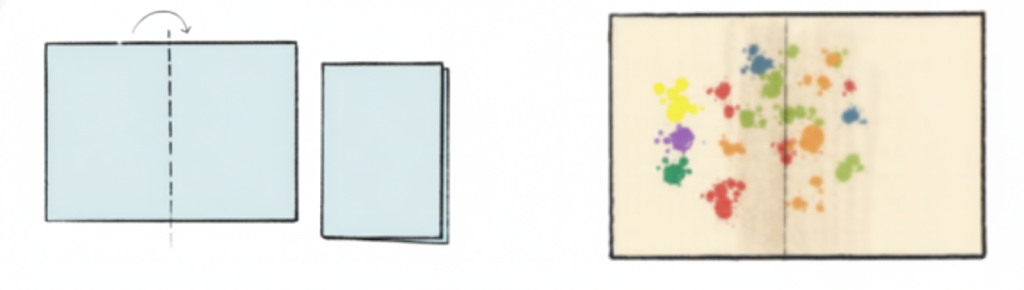
Step 2: Open it and sprinkle some drops of water colours in the centre of the fold.
Step 3: Press it to spread the colour evenly.
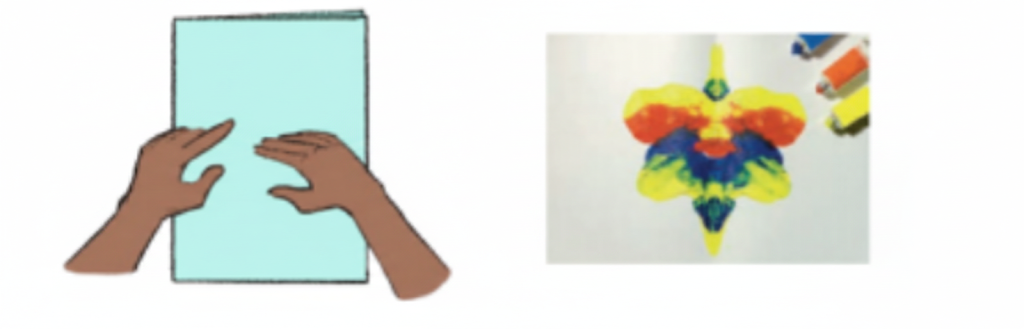
Step 4: Look what you made!
Is it a symmetrical pattern?
Solution:
Yes.
Where would you draw the line that divides this design into two equal halves?
Solution:
The line will be drawn along the fold's crease.
Question 2.
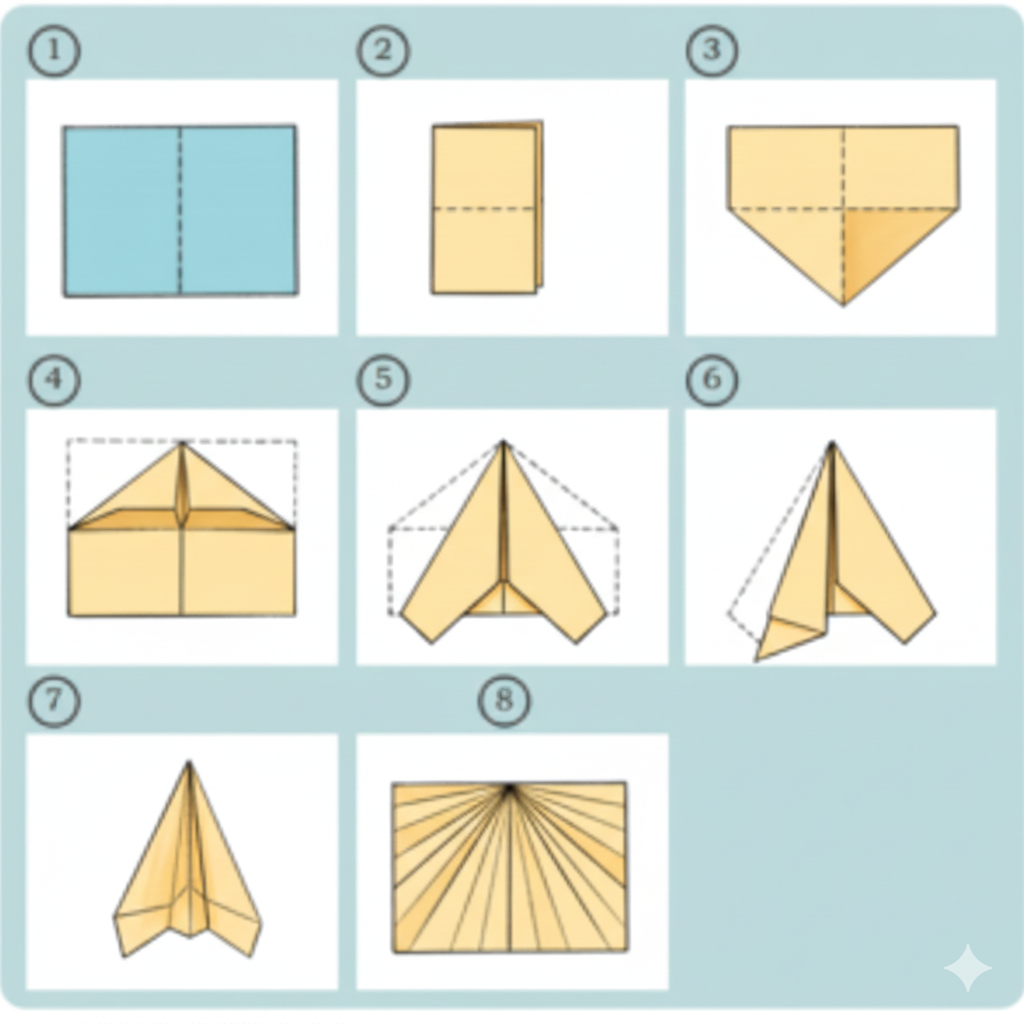
Making a paper airplane.
Follow the steps.
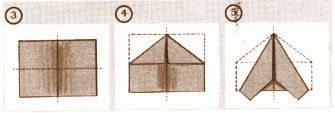
(a) Mark the line of symmetry in Fig. 3, Fig. 4, and Fig. 5.
Solution:
(b) How many lines of symmetry can you see in Fig. 8?
Solution:
There is only 1 line of symmetry.
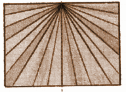
(c) Where will you place a mirror to see the reflection of the right half side of Fig. 8? Will it look the same as the left half side?
Solution:
We will place the mirror at the center of the figure, dividing it into two equal halves.
(d) Fly the plane.
Solution:
Students should do it by themselves.
(e) Will the plane fly if there is no line of symmetry?
Solution:
No, if the line of symmetry does not divide the plane into two equal halves, it will not fly.
(f) Try to make an asymmetrical plane.
Solution:
Students should do it by themselves.
(g) Fly both the planes and see which plane flies for a longer time.
Solution:
Students should do it by themselves.
(h) Share your observations with your friends.
Solution:
Students should do it by themselves.
Question 3.
Holes and Cuts
Mini has made this design by folding and cutting paper.
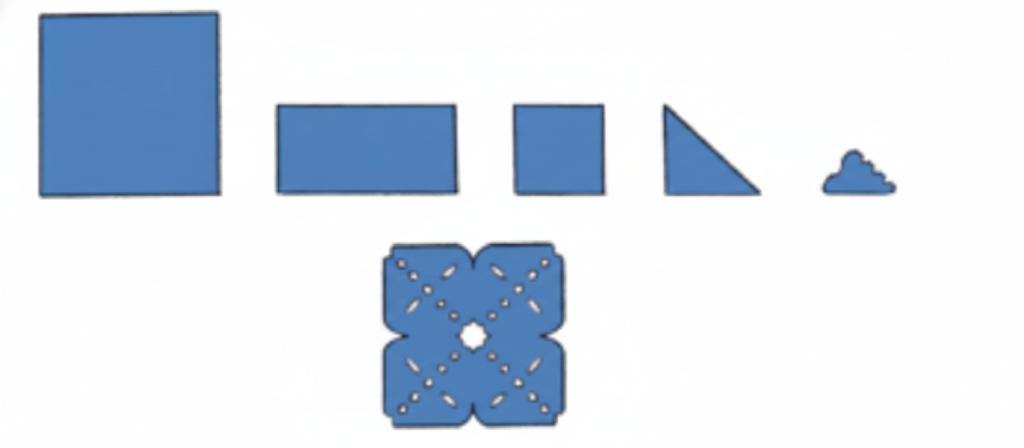
Now it’s your turn! Take a square sheet of paper. Do as instructed below.
Let us see what Rani is making. Rani takes a piece of paper and folds it twice.
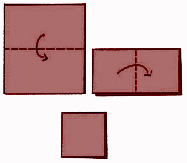
She makes a straight cut at the corner and cuts out two squares on two sides as shown in the picture.
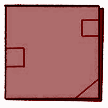
Challenge 1: Where would the hole and cut appear when you open the paper?

Solution:
When the paper will open, the hole and cut appear as follows:
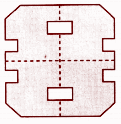
Challenge 2: Fold a piece of paper once; put two cuts in the middle as shown. How many sides will this shape have when you open the folded paper?
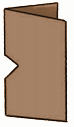
Solution: 4 sides
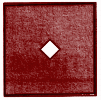
Challenge 3: Fold a paper twice. Where would you cut to make a square hole in the center of the paper? How many cuts are required?
Solution:
Students should do it by themselves.
Question 4.
Complete the designs below.
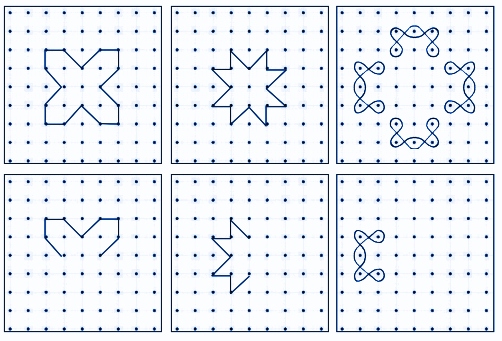
Solution:
Students should do it by themselves.
NCERT Textbook Pages 167-170 – Let Us Do Symmetry in shapes
Question 1.
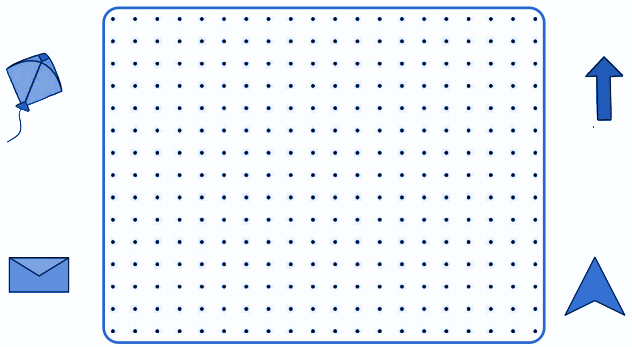
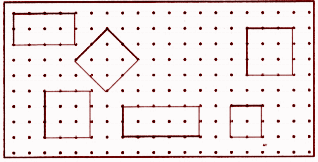
Look at the shapes given along the border. Draw these shapes on the dot grid. Which of the shapes are symmetrical? Draw the lines of symmetry.
Solution:
Students should do it by themselves.
Question 2.
Game with a Mirror
(a) Where should we place the mirror in shape A to get shapes given below?
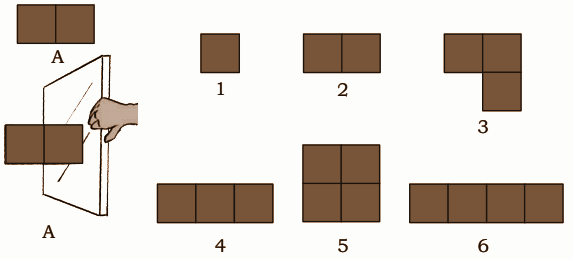
Solution:
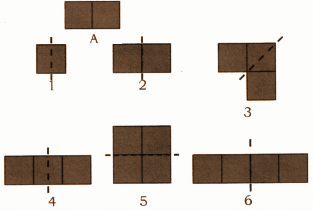
(b) Circle the numbers whose mirror image is the same number.

Solution:

Which digits from 0 to 9 have the same mirror image?
Solution:
The digits 0, 1, and 8 have identical mirror images.
Make some 4-digit numbers such that the mirror image is the same number. Where would you keep the mirror in each case. How many such numbers can you make?
Solution: Some examples of 4-digit numbers that have identical mirror images are: 1881, 8118, 1001, 8008, and so on. In each case, we will place the mirror either to the left or right side of the number.
(c) Make similar questions and ask1 your friends to guess the numbers.
Solution:
Students should do it by themselves.
Question 3.
What do you notice about the letters written on the ambulance? Why are they written this way? Discuss.
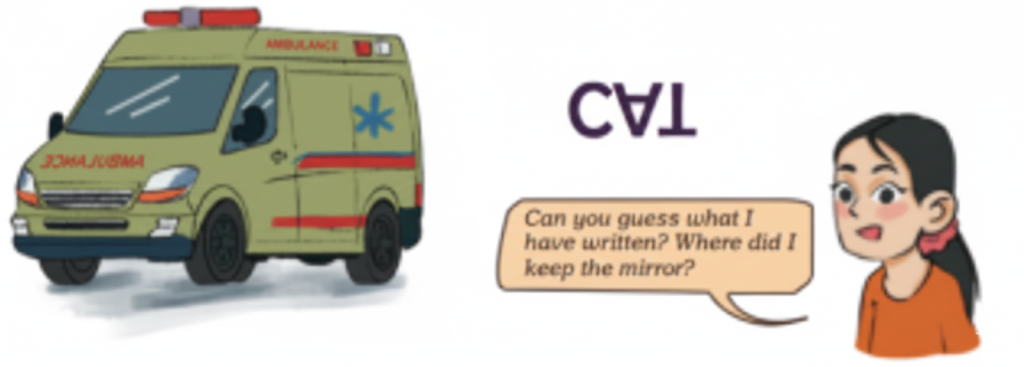
Solution:
Students should do it by themselves.
Can you guess what I have written? Where did I keep the mirror?
Solution:

It is written CAT and the mirror has been kept horizontally below the word.
Can you identify these words? Where will you place mirror to read the following words correctly?

Solution:

Now, you try to write some words/names in this way and challenge your friends to guess them.
Solution:
Students should do it by themselves.
Can you also try doing this with the script of your own language?
Solution:
Students should do it by themselves.
Question 4.
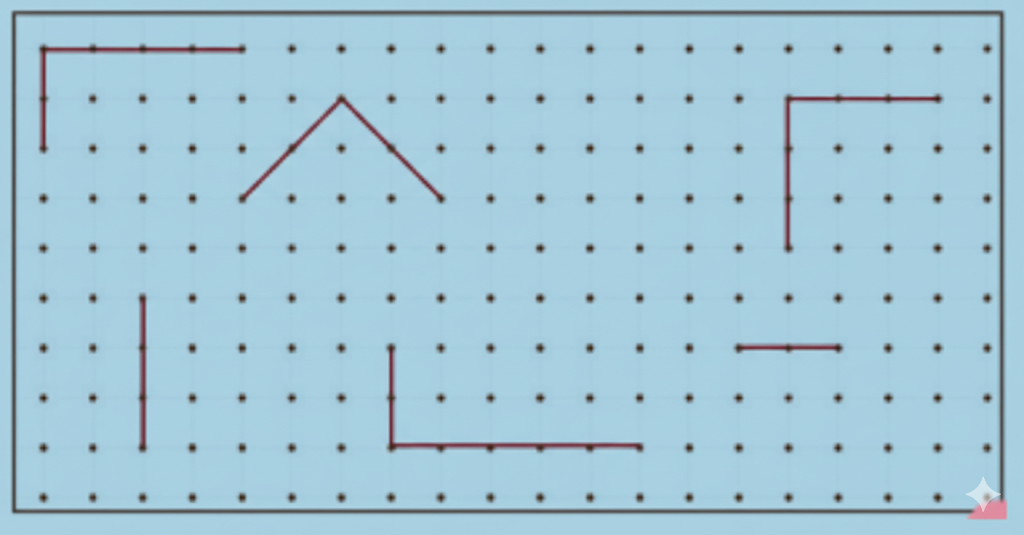
Complete the following to make symmetrical shapes.
Solution:
Question 5.
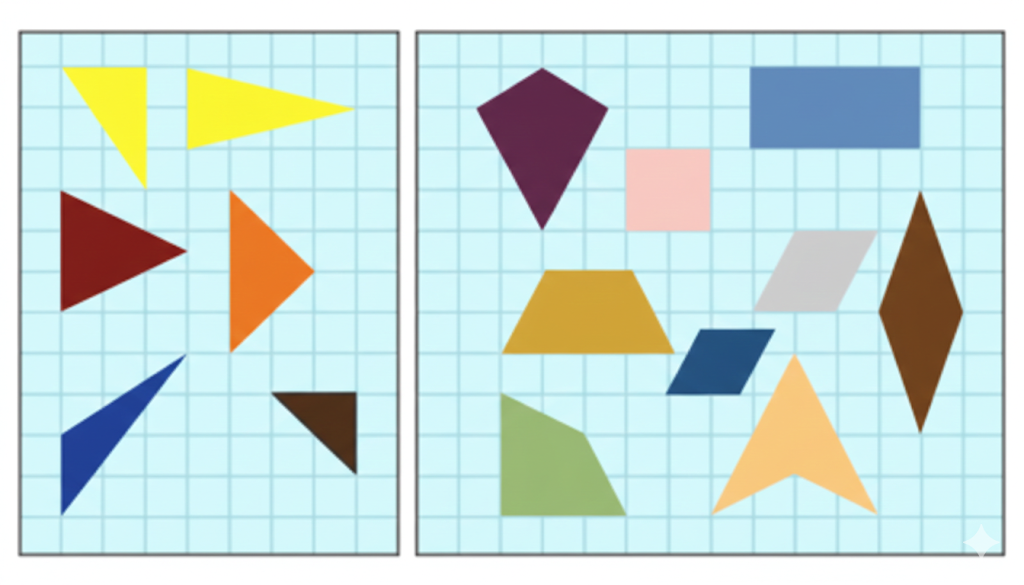
Observe the shapes. How many sides does each shape have?
How many lines of symmetry does each shape have? You may trace these shapes and check the lines of symmetry by folding the shapes.
Solution:
Students should do it by themselves.
NCERT Textbook Pages 171-172 – Tiles at the Tile Shop
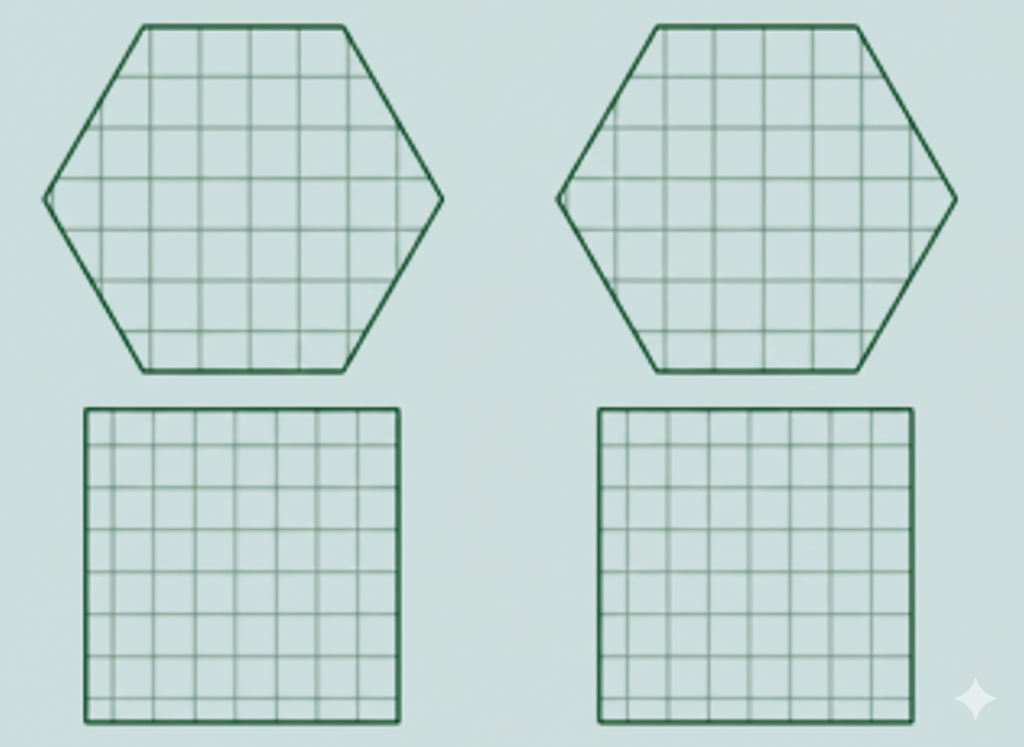
Bablu Chacha makes beautiful tiles of the kinds shown below. Design creative tiles of your own in the spaces given below. You may use a rangometry kit or shape cutouts.

Question 1.
Which shapes have you used to make the tiles?
Solution:
Students should do it by themselves.
Question 2.
Which of the shapes are symmetrical? Draw the lines of symmetry (if any).
Solution:
Students should do it by themselves.
Question 3.
Make more tiles by joining two or more shapes. Trace them in your notebook to create paths with no gaps or overlaps.
Solution:
Students should do it by themselves.
Question 4.
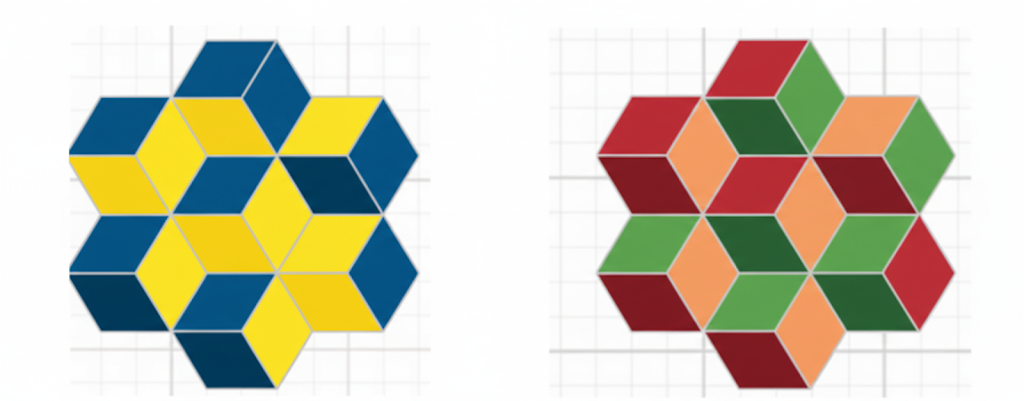
Look at the following shapes. What do you notice? Discuss.
Solution:
Students should do it by themselves.
NCERT Textbook Pages 172-174 – Let Us Do
Question 1.
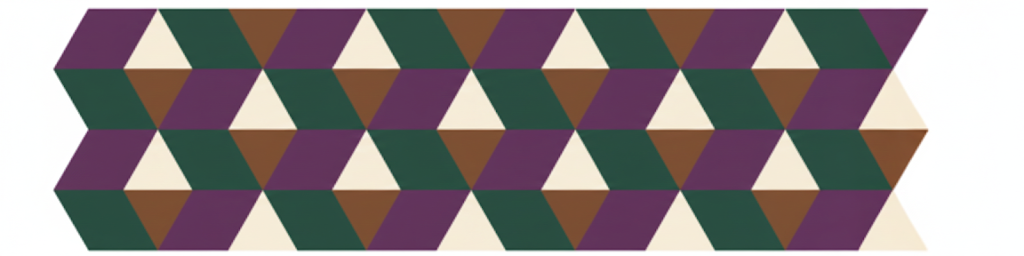
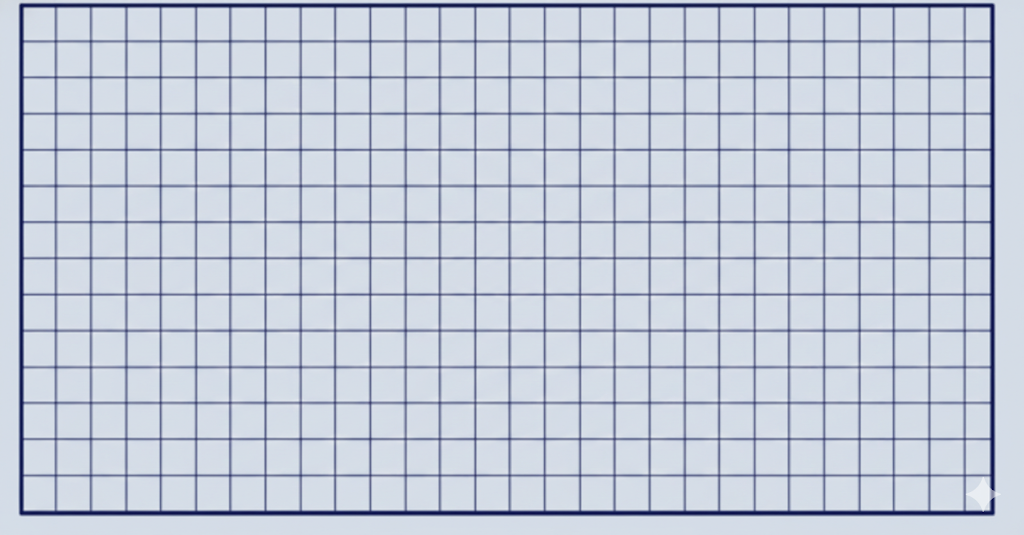
Make floor patterns with your tile. Mini has made a floor pattern, as shown below. Remember, there should be no overlaps and no gaps.
Solution:
Students should do it by themselves.
Question 2.
Making a Catty Wall!
Step 1: Take a square piece of paper. Mark as shown to make the cat’s head and ears.
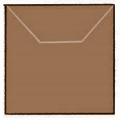
Step 2: Now, cut along the outline and slide the top piece down to align with the larger piece.
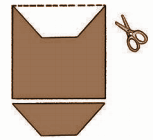
Step 3: Tape the pieces together. Your wall is ready.
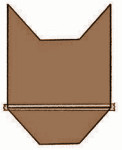
Step 4: Now the real fun begins! Trace the outline of the cat pattern on a large piece of paper and make its face.
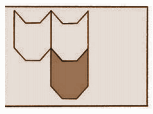
Create more of these tiles. Some ideas to make creative wall patterns are given below.
Isn’t it fun? Just cut, slide, and paste. Your tile is ready to make a creative wall.
Solution:
Students should do it by themselves.
Question 3.
Let us go on a nature walk (Project time)
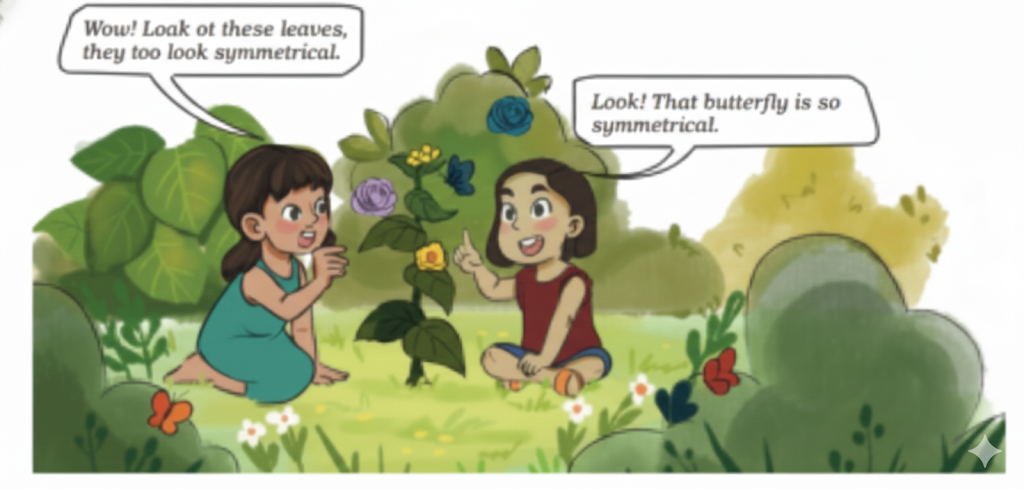
Go for a nature walk to a nearby park or around your school with your teacher or your parents. Observe the patterns, designs, or symmetry around you carefully. Collect leaves, petals, and flowers that have fallen on the ground.
In your project file:
Categorise the leaves into symmetrical and non-symmetrical.
Make different designs and patterns with leaves and flowers.
Make a greeting card using imprints of leaves or dry flowers.
Create animals or designs using leaves and flowers.
Solution:
Students should do it by themselves.
NCERT Solutions Class 4 Maths Chapter 11 Fun With Symmetry – Study & Exam Help
Class 4 students learn the basics of symmetry, mirror line, and patterns in NCERT Solutions Class 4 Maths Chapter 11 Fun With Symmetry (2026-27). By folding, cutting, and drawing, you understand how shapes look the same on both sides of a line of symmetry.
This chapter also connects symmetry to real life—rangolis, masks, tiles, butterflies, and leaves. Practising these NCERT Class 4 Maths activities improves visual thinking and helps you recognise symmetrical designs quickly during exams and in everyday objects around you.
To score well, redo each activity at home, check which shapes have equal halves, and draw clear lines of symmetry. Regular revision of Fun With Symmetry Class 4 ideas will build strong geometry basics for higher classes and make maths more enjoyable.
FAQs on NCERT Solutions For Class 4 Maths Chapter 11 Fun With Symmetry - 2026-27 Free PDF Download (Sign-in Required)
1. What are NCERT Solutions for Class 4 Maths Chapter 11 Fun With Symmetry?
NCERT Solutions for Class 4 Maths Chapter 11 Fun With Symmetry are step-by-step textbook answers provided to help students understand symmetry concepts easily and boost exam scores.
- Includes: All exercise-wise, exam-aligned answers
- Focus: Symmetry, patterns, lines of symmetry
- Benefits: Improved accuracy, better CBSE marks, and conceptual clarity
- Format: Stepwise solutions, diagrams, and definitions for 2026–27 CBSE syllabus
2. How can I score full marks in Class 4 Maths Chapter 11 Fun With Symmetry?
Scoring full marks in Chapter 11 requires accurate, stepwise answers and neat diagrams as per the CBSE marking scheme.
- Write all steps clearly for each solution
- Include labelled diagrams for questions on symmetry
- Use correct definitions of symmetry-related terms
- Avoid skipping important keywords or steps
- Refer to NCERT Solutions for step marks guidance
3. What is symmetry in maths for Class 4?
Symmetry in Class 4 Maths refers to the property by which a shape or figure can be divided into two identical halves that match exactly.
- Line of Symmetry: The line that divides the figure into two equal parts
- Types of symmetry: Mainly line symmetry in the Class 4 syllabus
- Symmetrical shapes look the same on both sides of the line
4. Are diagrams and definitions compulsory in Class 4 Maths symmetry chapter answers?
Yes, neat diagrams and clear definitions are important for full marks in CBSE exams, especially in Chapter 11 Fun With Symmetry.
- Label all symmetry lines carefully
- Use ruler for neatness
- Write short, correct definitions for terms like symmetry, mirror image, etc.
- Refer to NCERT and CBSE guidelines for examples
5. Where can I download the free PDF for NCERT Solutions Class 4 Maths Chapter 11?
You can download the free PDF of NCERT Solutions for Class 4 Maths Chapter 11 Fun With Symmetry from trusted educational sites that align with the CBSE syllabus.
- Check for latest (2026–27) edition
- Ensure answers match textbook exercises
- PDFs offer offline access and easy revision
6. What types of questions come from Chapter 11 Fun With Symmetry in school exams?
CBSE exams on this chapter include questions on identifying symmetry lines, drawing symmetrical shapes, and defining terms.
- Identify lines of symmetry in given figures
- Draw mirror images correctly
- Write definitions for symmetry, line symmetry
- Label diagrams as per CBSE rules
7. How should I structure long answers in Class 4 Maths Chapter 11 for better marks?
Structure long answers in Fun With Symmetry with clear steps, labelled diagrams, and relevant keywords for best marks.
- Begin with a definition
- Present each step or reasoning clearly
- Add neat, labelled diagrams
- Highlight important keywords (e.g., symmetry, mirror line)
- End with a short conclusion if required
8. Are NCERT Solutions enough for Class 4 Maths exams?
NCERT Solutions are sufficient for most Class 4 Maths exams as they strictly follow the CBSE syllabus and exam pattern.
- Cover all textbook exercises and intext questions
- Provide stepwise explanations and diagrams
- Recommended for scoring full marks
9. What are the most important topics in Class 4 Maths Chapter 11 Fun With Symmetry?
The most important topics in Chapter 11 include identifying symmetry, drawing lines of symmetry, and definitions.
- Line of symmetry in basic shapes
- Drawing and recognizing symmetrical and non-symmetrical figures
- Mirror image activities
- Exam-oriented definitions and diagram labelling
10. Do examiners award partial marks for correct steps even if the final answer is wrong in CBSE Class 4 Maths?
Yes, CBSE examiners often award partial marks if correct steps and diagrams are shown, even if the final answer is incorrect.
- Follow the NCERT Solutions' stepwise approach
- Attempt the question with proper working and diagrams
- Using correct definitions can also fetch partial marks
