







What Are The Best Recycling Activities For Kids At Home And School
Recycling has become one of the basic duties that everybody follows. In this context of recycling activities for kids, we are going to share recycling activities that can be easily done by the kids. In this manner, they will understand the need for recycling and will be able to serve society with their little hands!
What Is Recycling?
Recycling is the action or the process in which the waste products are being recycled into useful, reusable materials. This involves the process of collecting the waste materials which would otherwise be thrown away and utilising them to make a new useful product. With the help of this process, one can benefit the environment as well as society at large.
So, kids, would you like to do this honourable work of recycling? Let us know how you can do it.
13 Recycling Activities Ideas for Kids
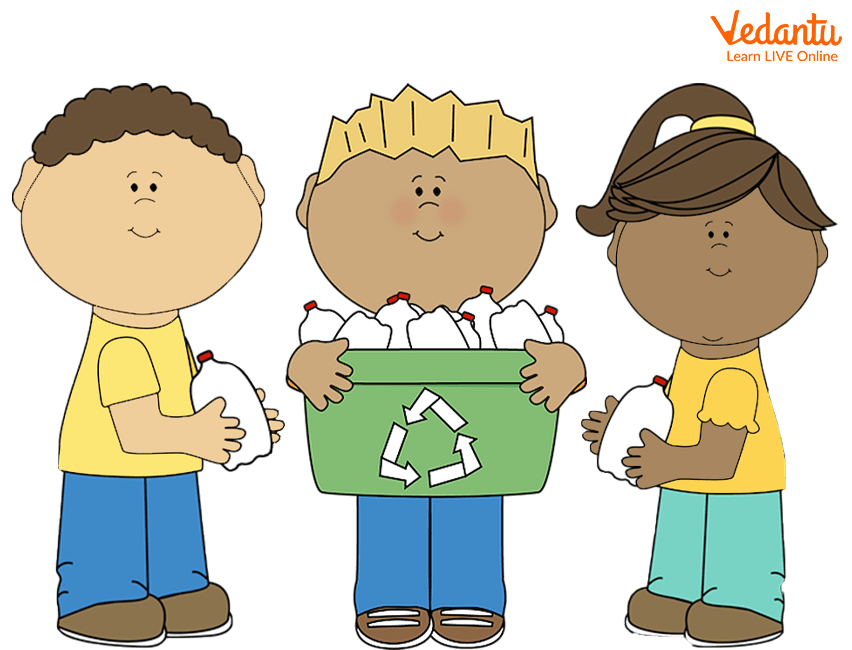
Recycling activities for kids
In this section, we will be sharing the 13 recycling activities which the kids can do easily in a fun manner.
1. Building a Robot
Did you get cardboard boxes and other tin containers? Why not build a robot out of it? Shape out the cardboard in different shapes of a robot. You can create a circle for the head, square for his upper body, legs and hands likewise in rectangular shapes that can be cut out. They assemble the parts, stick with glue and you will have your own robot man.
2. Making a Seed Paper
Without throwing away the shredded paper in the dustbin, try creating a seed paper out of those. You can select the clean white papers and cut them into squares. This will function as seed paper where you can pin down notes.
3. Play a Game Related to Recycling
You can play games with your kids to make them practice which item is to be recycled and which item is to be thrown away.
4. Making a Bird Feeder
We all love bird feeders! Isn’t it? Let’s make one out of the waste. If you have unwanted plastic, you can place that on the bird perch with some hay beneath it, or you can put it in your birdcage, this will act as a bird feeder.
5. Paint the Symbol of Recycling
This will help the kids to learn in which bin they should keep the recycled materials. This way they can distinguish between the bins.
6. Attempt to Keep a Recycling Bin at Home
It is a good habit to keep a recycling bin at home. This will make sure that the items to be recycled are stored in that bin for some future uses.
7. Online Game for Recycling
Play online recycling games which will make the children aware of the benefits of recycling and what cool products they can make from recycling waste items.
8. Pack a Waste-free Picnic Lunch
Take the initiative to pack a lunch which will be done by using all the recycled products like containers and bags for the picnic day.
9. Recycle By Donating Unused Toys and Clothes
Donation of excess is not only a sign of charity but also a sign of recycling the unused materials. Thus, donate the unused toys and clothes which are no longer used by you. But make sure while donating, that the clothes are cleaned properly and the toys can be played with.
10. Make Beautiful Homemade Chimes
You can use the old tins, paint them and make a nice set of homemade chimes for your door or window
Spread Awareness of a Clean Toxic-free Environment
Let your kids get involved in the cleaning and recycling activities. For this you can encourage your kids to do the following:
1. Share the Good Facts about Recycling
Make your kid as well as yourself aware of the recycling facts. This will pull you automatically towards the habit of recycling. Facts like - recycling 1 ton of paper will save around 17 trees, 7000 gallons of water, 2 barrels of oil, and 4000 kW of electricity!
2. Watch a Recycling Video
You can also encourage your child by watching a good recycling video, this will make them aware of the good deed done to society.
3. Recycling Scavenger Hunt
Make the kids race and find recycling goods, the one who collects as many recycling items wins the race.
4. Share Contextual Knowledge about the Three Types of Recycling
Recycling is three types - Mechanical, Energy, and Chemical. In these types of recycling activities waste is being converted into useful material, the different processes involved here can be discussed with the children.
Thus, we can see that there are many ways of recycling. The ones we have mentioned above are definitely easy and fun for your kids. These activities will make the kids feel empowered to positively work on the cause of the health of the environment and also encourage others to follow them in this good cause.
FAQs on Recycling Activities For Kids That Make Learning About Waste Fun
1. What are recycling activities for kids?
Recycling activities for kids are hands-on projects and games that teach children how to reuse and recycle materials to reduce waste. These activities combine environmental education with creativity and fun.
- Sorting paper, plastic, and metal into recycling bins
- Making crafts from old bottles or cardboard
- Creating DIY recycled art projects
- Participating in classroom recycling drives
2. Why are recycling activities important for children?
Recycling activities are important because they teach children environmental responsibility and sustainable habits at an early age. Kids learn how waste affects the planet and how they can make a difference.
- Encourages eco-friendly behavior
- Builds awareness of waste management
- Promotes responsibility and teamwork
- Supports long-term sustainability education
3. What are some easy recycling crafts for kids?
Easy recycling crafts for kids include simple DIY projects using recycled materials found at home. These crafts are safe, creative, and educational.
- Turning plastic bottles into bird feeders
- Making pencil holders from tin cans
- Creating art from old magazines
- Building robots from cardboard boxes
4. How do you teach recycling to preschoolers?
You teach recycling to preschoolers by using simple language, visuals, and hands-on sorting games. Young children learn best through play and repetition.
- Use color-coded recycling bins
- Read picture books about recycling
- Practice sorting paper, plastic, and glass
- Sing recycling-themed songs
5. What materials can kids recycle at home?
Kids can recycle common household materials such as paper, plastic, glass, and metal. Learning what can be recycled builds practical environmental awareness.
- Newspapers and cardboard
- Plastic bottles and containers
- Glass jars
- Aluminum cans
6. What are fun recycling games for the classroom?
Fun recycling games for the classroom include interactive activities that teach waste sorting and environmental care. Games make sustainability lessons more engaging.
- Recycling relay race
- Sorting challenge with timed rounds
- Trash-to-treasure craft competition
- Recycling trivia quiz
7. How can recycling activities help develop creativity in kids?
Recycling activities develop creativity by encouraging children to turn used materials into new creations. This process strengthens imagination and problem-solving skills.
- Designing art from scrap materials
- Building structures from boxes
- Inventing toys from reusable items
8. What is the difference between recycling and reusing for kids?
The difference is that recycling turns waste into new materials, while reusing means using an item again without changing its form. Both reduce waste and protect the environment.
- Recycling example: melting plastic bottles to make new products
- Reusing example: using a glass jar for storage
9. How do recycling activities support environmental education?
Recycling activities support environmental education by teaching children about conservation, waste reduction, and sustainability. These lessons connect daily actions to global environmental impact.
- Explains how landfills affect nature
- Shows how recycling saves energy
- Encourages eco-friendly decision-making
10. What are simple steps kids can follow to start recycling?
Kids can start recycling by following a few easy recycling steps at home or school. Simple routines make the habit consistent and effective.
- Identify recyclable materials
- Separate items into correct bins
- Rinse containers before recycling
- Reduce and reuse whenever possible
