









What are the types of software classification and their features
Software Classification in computer science refers to the systematic grouping of computer software based on its purpose, functionality, and working environment. As computers perform a wide range of tasks, different types of software are designed to manage hardware, run applications, and assist users in completing specific activities. Understanding software classification helps students clearly differentiate between system-level programs and user-oriented applications. It also explains how various software components interact to make a computer system functional, efficient, and user-friendly in daily life and professional environments.
Definition and Meaning
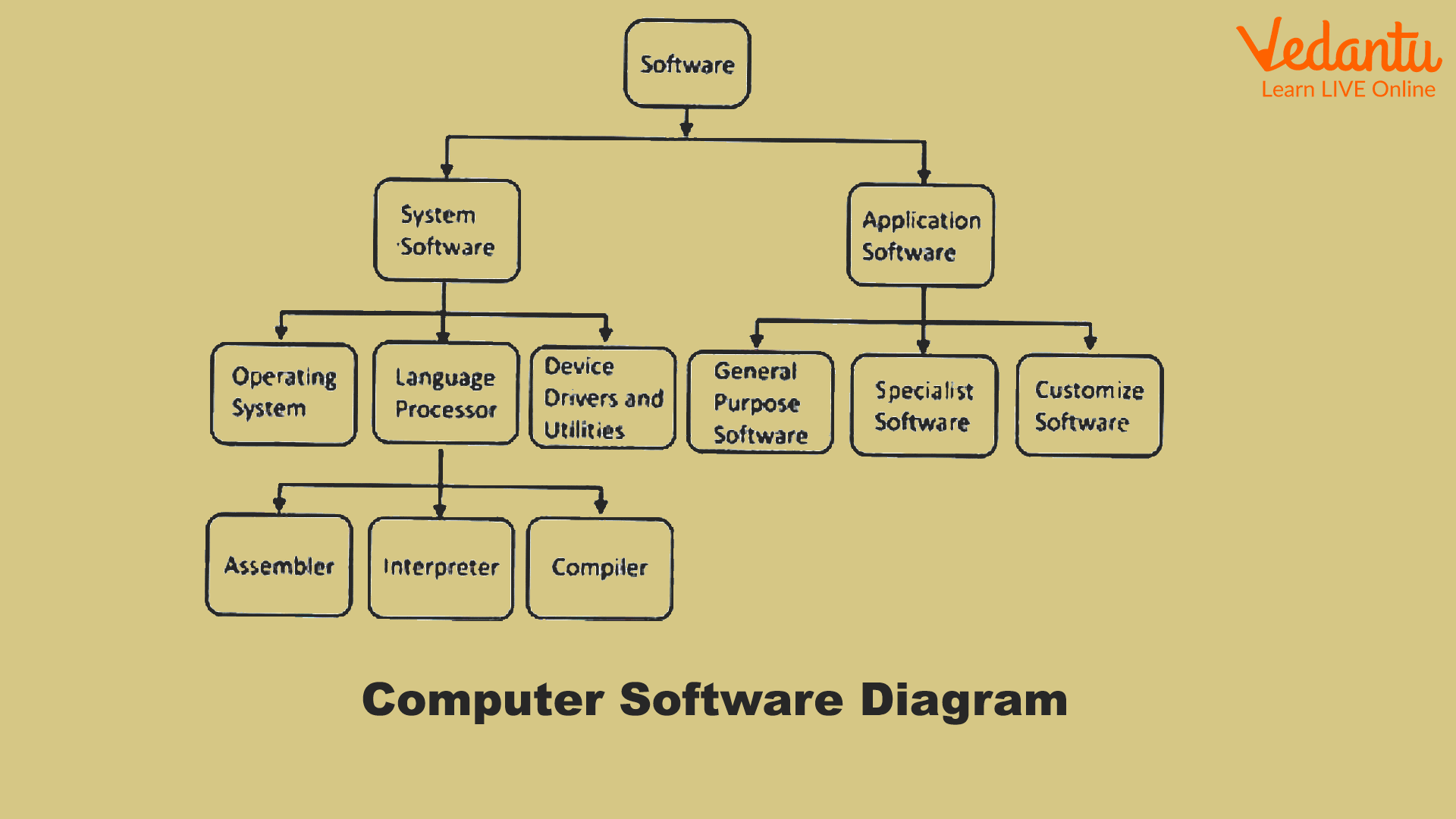
Software Classification definition refers to the process of categorizing software into different groups based on its function and role in a computer system.
- Software - A set of programs and instructions that tell a computer what to do.
- System Software - Software that manages hardware and system resources.
- Application Software - Software designed to help users perform specific tasks.
- Utility Software - Programs that maintain and optimize system performance.
How It Works / Working Principle
Software Classification working explains how different categories of software interact within a computer system to perform tasks efficiently. Each category has a specific role that supports overall system functionality.
- When a computer starts, system software such as the operating system loads into memory.
- The operating system manages hardware components like CPU, memory, and storage.
- Users open application software to perform tasks such as writing documents or playing media.
- Utility software runs in the background to protect, maintain, and optimize system performance.
- All software works together through instructions and data exchange to deliver the required output.
Types and Classification
The main types of Software Classification in computer science are described below.
Major Types of Software
| Type | Description | Examples |
|---|---|---|
| System Software | Controls hardware and provides a platform for applications | Windows, Linux, macOS |
| Application Software | Helps users perform specific tasks | MS Word, VLC Media Player |
| Utility Software | Maintains and optimizes system performance | Antivirus, Disk Cleanup |
| Programming Software | Used to develop other software | Compiler, Interpreter, IDE |
These categories clearly explain how software is organized based on functionality and usage.
Computer Software Example:
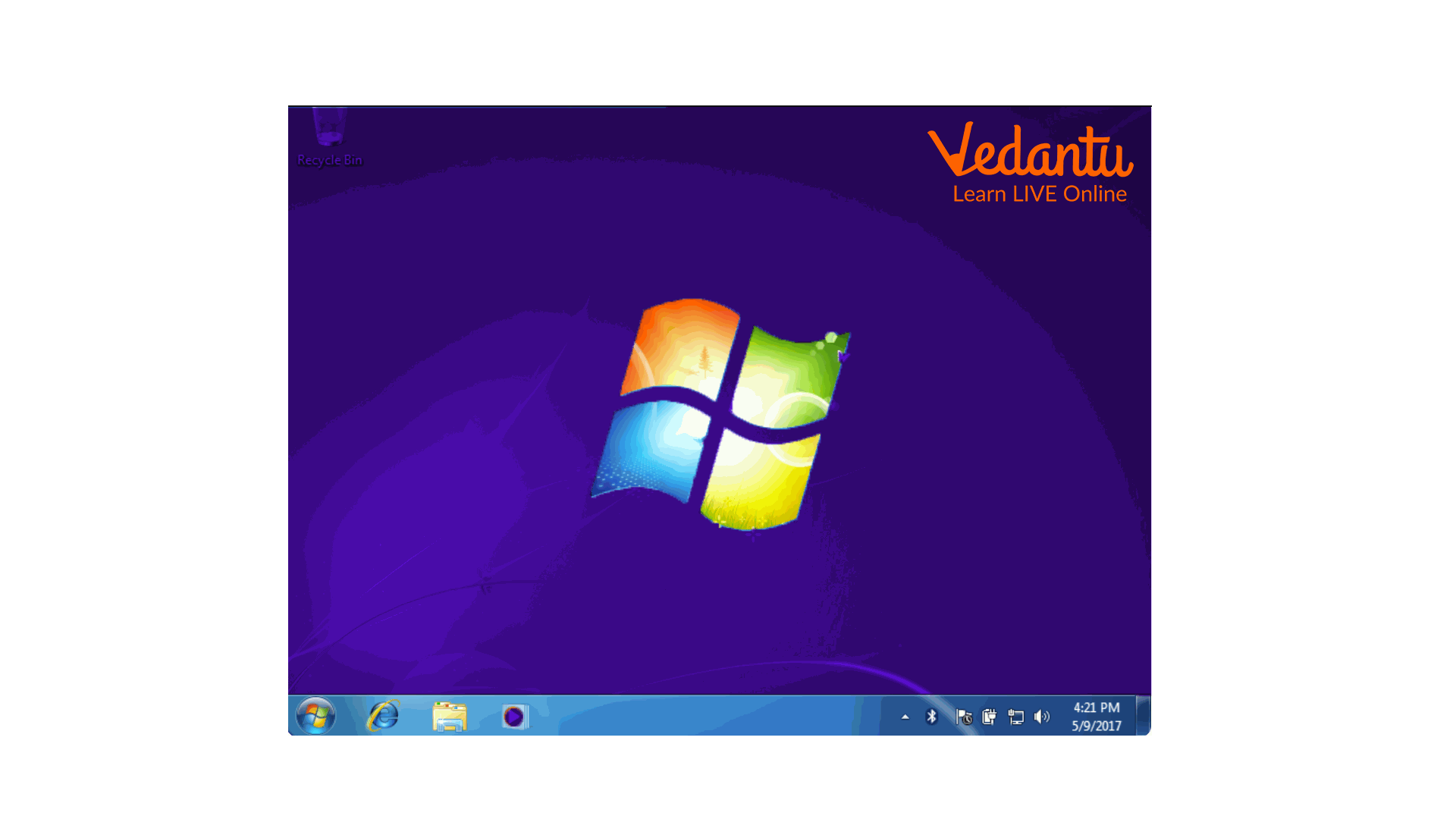
Windows Operating System Example:
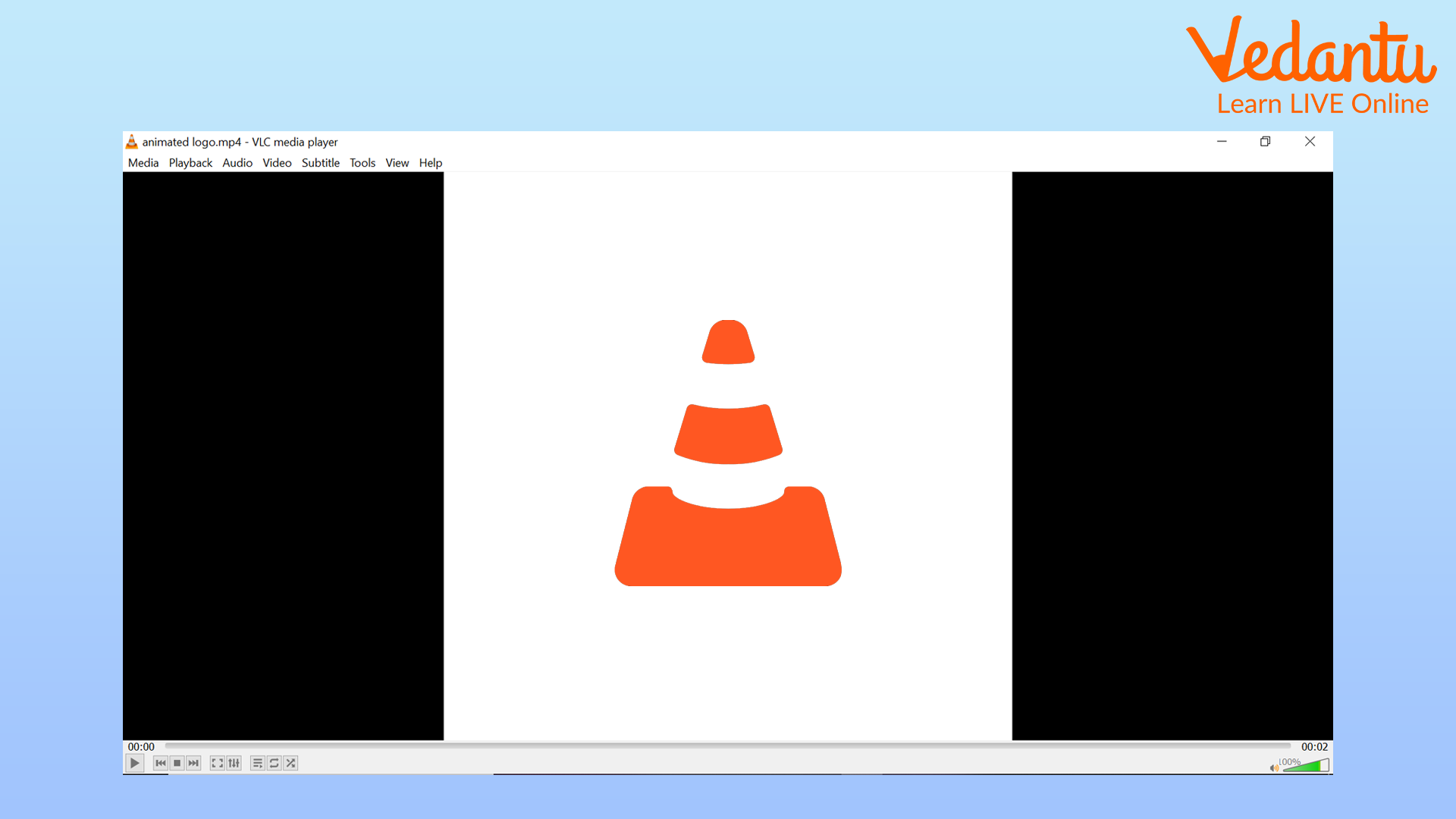
Application Software Example - VLC Media Player:
Features and Characteristics
- Divides software based on function and purpose.
- Clearly separates system-level and user-level programs.
- Helps in better software management and understanding.
- Supports structured learning in computer science.
- Improves system efficiency by organizing responsibilities.
Advantages
- Makes it easier to understand different software types.
- Helps developers design better systems.
- Improves troubleshooting and maintenance.
- Clarifies the role of each software category.
Disadvantages / Limitations
- Some software may fall into multiple categories.
- Rapid technological changes may blur classifications.
- Hybrid applications combine system and application features.
Applications and Use Cases
- Education - Understanding basic computer fundamentals.
- Business - Using application software for accounting and documentation.
- Entertainment - Media players and gaming applications.
- System Management - Operating systems and antivirus tools.
- Software Development - Programming tools and compilers.
Quick Facts About Software Classification
| Category | Details |
|---|---|
| Field | Computer Science |
| Main Types | System, Application, Utility, Programming |
| Purpose | Organize software based on function |
| Used For | Learning, development, system design |
These quick facts summarize the core idea of Software Classification in computer science.
System Software vs Application Software
| System Software | Application Software |
|---|---|
| Manages hardware resources | Performs user specific tasks |
| Runs in the background | Runs when user opens it |
| Example - Windows OS | Example - MS Word, VLC |
This comparison highlights the functional difference between the two most important categories of software.
Interesting Facts About Software Classification
- Every computer system requires both system and application software to function.
- Operating systems are the backbone of all modern computing devices.
- Some applications like web browsers act as both application and platform software.
- Utility software improves system speed and security.
- Programming software enables developers to build new applications.
- Cloud based applications are changing traditional software classification models.
Conclusion
Software Classification plays a vital role in understanding how computer systems operate. By dividing software into system, application, utility, and programming categories, it becomes easier to study their functions and interactions. This classification improves system organization, enhances learning, and supports efficient software development. A clear understanding of software classification in computer science helps students build a strong foundation in computing concepts and prepares them for advanced topics in technology and software engineering.
FAQs on Software Classification in Computer Science Explained
1. What is Software Classification in Computer Science?
Software classification is the process of categorizing software based on its functionality, usage, and working environment in a computer system.
- Divides software into logical groups such as system software, application software, and utility software
- Helps in understanding software roles in operating systems, programming, and application development
- Important for exams, interviews, and basic Computer Science concepts
2. What are the main types of software classification?
The main types of software classification include system software, application software, and programming software.
- System Software: Operating systems like Windows, Linux
- Application Software: MS Word, Web browsers, Database systems
- Programming Software: Compilers, Interpreters, IDEs
3. What is System Software and what are its functions?
System software is software that manages hardware components and provides a platform for running application programs.
- Includes Operating Systems, Device Drivers, and Utility Programs
- Controls CPU, memory, storage, and input-output devices
- Acts as an interface between hardware and user applications
4. What is Application Software with examples?
Application software is designed to help users perform specific tasks such as document creation, web browsing, or database management.
- Examples: Microsoft Word, Google Chrome, Tally
- Can be general-purpose or customized business software
- Runs on top of system software like an operating system
5. What is Programming Software in software classification?
Programming software provides tools to develop, test, and maintain computer programs using programming languages.
- Includes Compilers, Interpreters, Assemblers, and IDEs
- Supports languages like C, Java, Python
- Essential for software development and coding practice
6. How is software classified based on licensing?
Software can also be classified based on licensing terms and source code availability.
- Open Source Software: Source code is publicly available (e.g., Linux)
- Proprietary Software: Source code is restricted (e.g., Windows)
- Freeware and Shareware: Free to use with limitations
7. What is the difference between System Software and Application Software?
The key difference is that system software manages hardware, while application software performs user-specific tasks.
- System Software: Runs in the background and controls system operations
- Application Software: Runs on user demand for specific tasks
- Example: Windows (system) vs MS Excel (application)
8. What are the advantages of software classification?
Software classification helps organize and understand different types of software based on their purpose and functionality.
- Improves clarity in Computer Science fundamentals
- Helps in exam preparation and interview questions
- Assists in software selection for business and development
9. How is software classified based on deployment and environment?
Software can be classified based on where and how it is deployed in computing environments.
- Desktop Software: Installed on personal computers
- Web-Based Software: Runs on web browsers using internet
- Cloud Computing Software: Hosted on remote servers and accessed online
10. Why is software classification important for exams and interviews?
Software classification is a fundamental Computer Science topic frequently asked in school exams, competitive exams, and technical interviews.
- Common theoretical question in operating system and software engineering subjects
- Helps in understanding real-world applications and development tools
- Forms the base for advanced topics like database systems, web development, and cybersecurity
