








Evolution And Generations Of Computing Hardware With Key Components And Examples
The History Of Computing Hardware explains how humans developed machines to perform calculations and process information over time. From simple counting tools like the abacus to powerful electromechanical computers, computing hardware has evolved significantly. Understanding this evolution helps students see how modern computers are built upon centuries of innovation. The development of computing hardware in computer science reflects human efforts to improve speed, accuracy, and automation in calculations. Each invention introduced new ideas that shaped today’s digital world and modern computer systems.
Definition and Meaning
History Of Computing Hardware definition refers to the chronological development of physical devices used for computation, calculation, and data processing.
- Computing hardware means the physical components or machines used to perform calculations.
- It includes mechanical, electromechanical, and electronic devices.
- Early hardware focused on arithmetic operations, while later devices introduced programmability and automation.
- These inventions laid the foundation for modern computers.
How It Works - Working Principle of Early Computing Hardware
The History Of Computing Hardware working shows a gradual shift from manual tools to automated machines. Early devices relied on mechanical movement, while later systems used punched cards and electrical circuits.
- Input was provided manually or through punched cards.
- Mechanical parts such as gears, wheels, and levers performed calculations.
- Electromechanical systems used electrical signals to automate processes.
- Output was displayed mechanically, printed, or recorded on cards.
Over time, hardware evolved from manual counting tools to programmable machines capable of complex mathematical computations.
Types and Classification of Early Computing Hardware
The History Of Computing Hardware types can be classified based on technological development stages.
1. Mechanical Computing Devices
These devices used gears, rods, and mechanical movements to perform calculations.
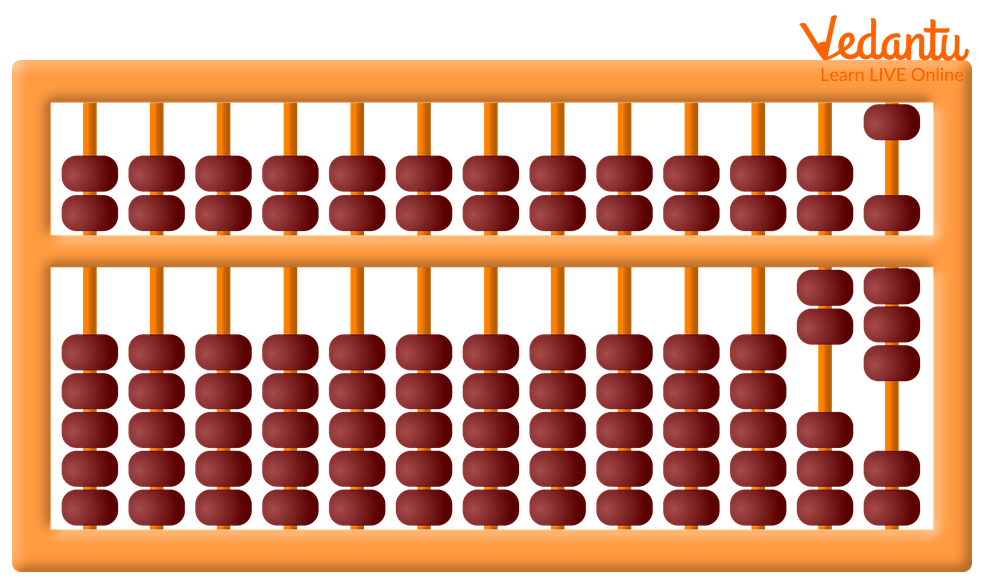
Abacus - One of the earliest calculating tools used for arithmetic operations.
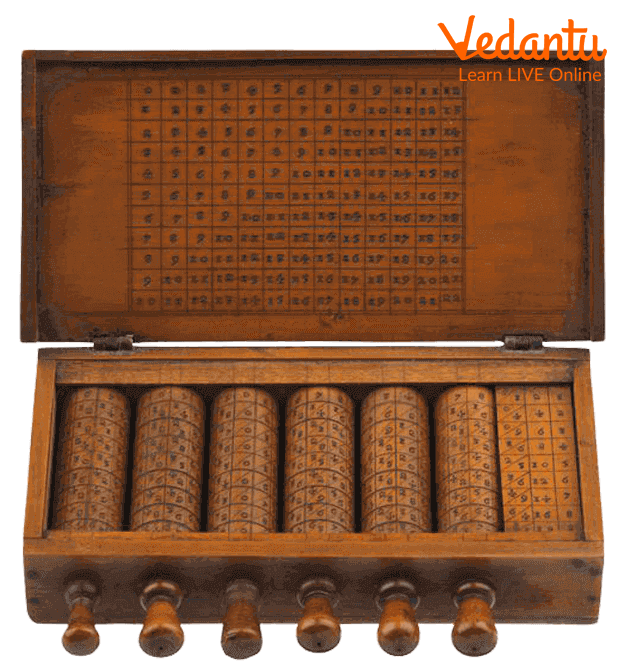
Napier’s Bones - Invented by John Napier to simplify multiplication and division.
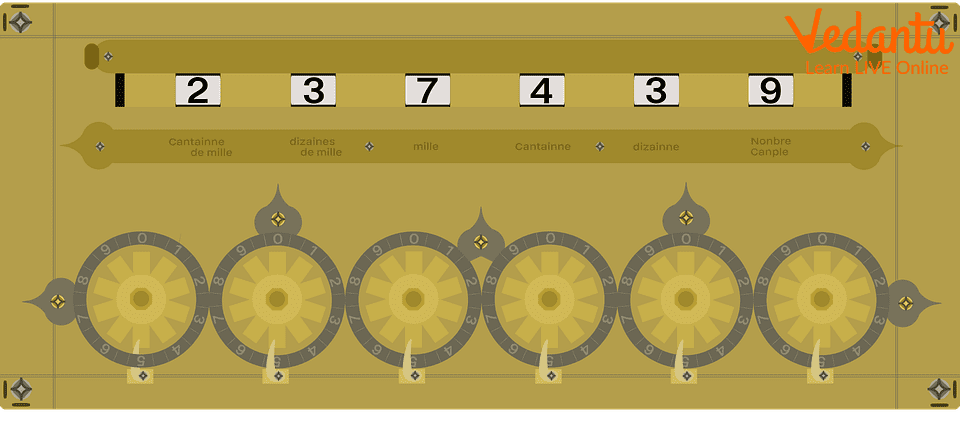
The Pascaline - Created by Blaise Pascal for addition and subtraction.
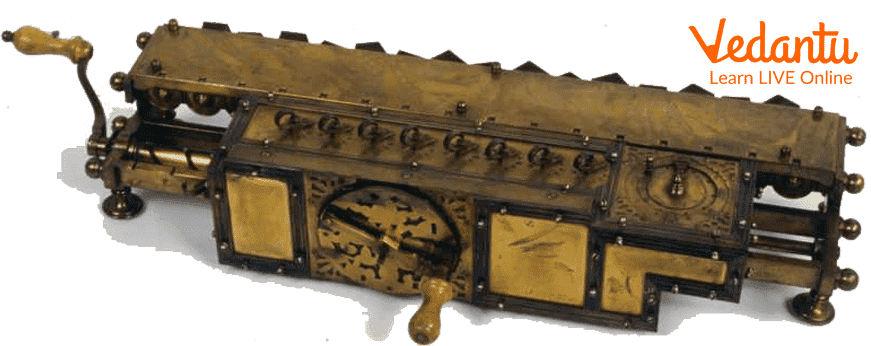
The Leibniz Calculator - Improved mechanical calculator capable of multiplication and division.
2. Programmable Mechanical Devices
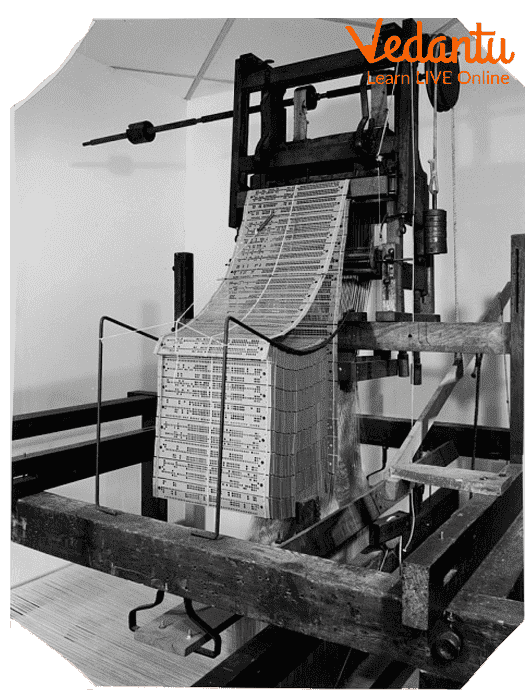
Jacquard Loom - Used punched cards to control weaving patterns, introducing programmability.
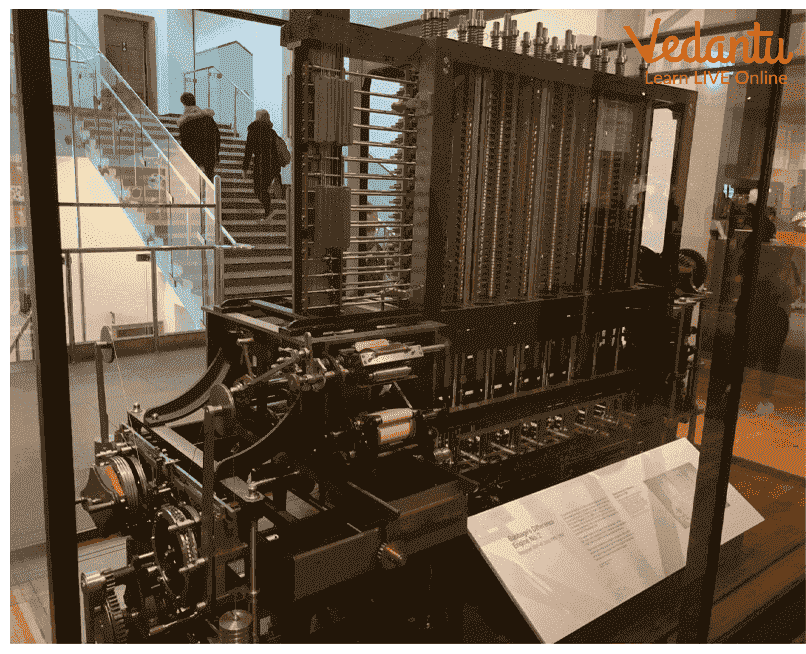
Difference Engine - Designed by Charles Babbage to compute polynomial functions.
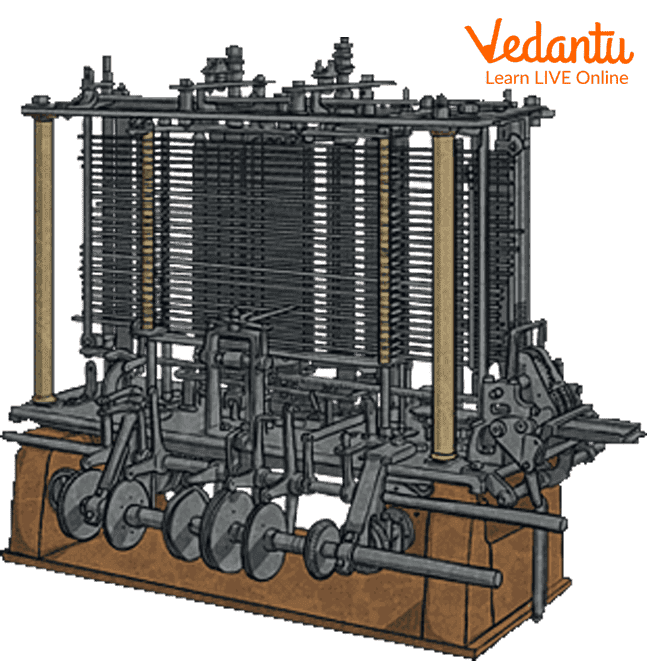
Analytical Engine - Considered the first general-purpose mechanical computer with memory and processing unit.
3. Electromechanical Devices
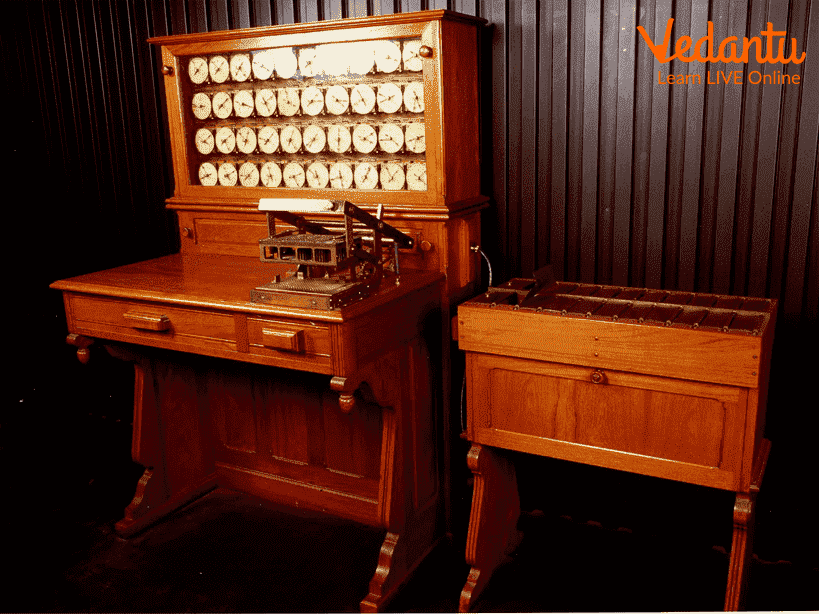
The Hollerith Machine - Used punched cards for data tabulation in the US Census.
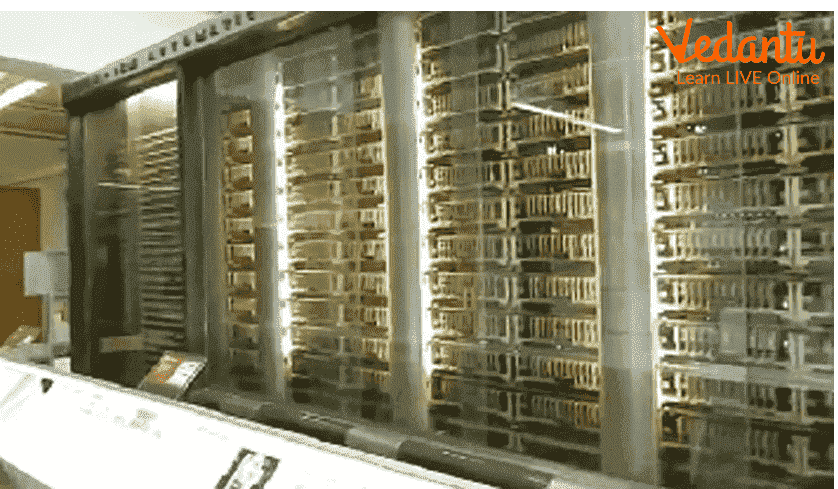
Electromechanical Computers - Combined mechanical parts with electrical components for improved speed and automation.
Features and Characteristics
- Initially manual and mechanical in operation.
- Gradual introduction of automation using punched cards.
- Limited memory and processing speed in early stages.
- Shift from calculation-only devices to programmable machines.
- Foundation for modern digital computing systems.
Advantages
- Improved accuracy in mathematical calculations.
- Reduced human effort in repetitive tasks.
- Introduced the concept of programmability.
- Laid the groundwork for modern computers.
Disadvantages and Limitations
- Slow processing speed compared to modern systems.
- Large physical size of machines.
- Limited memory and storage capacity.
- Mechanical wear and maintenance issues.
Applications and Use Cases
- Mathematical calculations in trade and commerce.
- Astronomical and scientific computations.
- Census data processing using punched cards.
- Industrial automation through programmable looms.
Quick Facts About History Of Computing Hardware
| Device | Inventor | Year |
|---|---|---|
| Abacus | Unknown | c. 3000 BC |
| Pascaline | Blaise Pascal | 1642 |
| Analytical Engine | Charles Babbage | 1837 |
| Hollerith Machine | Herman Hollerith | 1890 |
These devices mark important milestones in the History Of Computing Hardware in computer science.
Interesting Facts About History Of Computing Hardware
- The abacus is still used in some parts of the world for teaching arithmetic.
- Ada Lovelace wrote the first algorithm for the Analytical Engine.
- The Jacquard Loom inspired modern computer programming concepts.
- Hollerith’s company later became IBM.
- Early machines were entirely mechanical before electricity was introduced.
- The Analytical Engine had components similar to a modern CPU and memory.
Conclusion
The History Of Computing Hardware shows how human innovation transformed simple counting tools into programmable machines. Each invention contributed to the growth of computer science and modern technology. By understanding this evolution, students can appreciate how present-day computers are built on mechanical and electromechanical foundations. Studying the History Of Computing Hardware in computer science helps in understanding the development of speed, automation, and programmability that define today’s digital world.
FAQs on History Of Computing Hardware From Early Machines To Modern Computers
1. What is the History of Computing Hardware?
The History of Computing Hardware refers to the evolution of physical computer components from early mechanical devices to modern microprocessors and advanced computing systems.
- Includes mechanical calculators, vacuum tube computers, transistor-based systems, and microprocessors
- Focuses on hardware components like CPU, memory, storage, and input/output devices
- Important for understanding modern computer architecture and system design
2. What are the five generations of computer hardware?
The five generations of computer hardware classify computers based on major technological advancements in processing components.
- First Generation (1940s–1950s): Vacuum tubes
- Second Generation: Transistors
- Third Generation: Integrated Circuits (ICs)
- Fourth Generation: Microprocessors
- Fifth Generation: AI-based and parallel processing systems
3. How did vacuum tubes impact early computer hardware?
Vacuum tubes were the primary electronic switching devices used in first-generation computers.
- Used in computers like ENIAC (1945)
- Large size, high power consumption, and heat generation
- Laid the foundation for modern electronic computing hardware
4. Why were transistors important in the evolution of computing hardware?
The invention of the transistor replaced vacuum tubes and made computers smaller, faster, and more reliable.
- Invented in 1947 at Bell Labs
- Reduced power consumption and hardware failure
- Enabled development of second-generation computer systems
5. What role did integrated circuits (ICs) play in computer hardware development?
Integrated Circuits (ICs) combined multiple transistors into a single chip, increasing efficiency and reducing size.
- Used in third-generation computers
- Improved processing speed and reliability
- Enabled development of modern operating systems and software
6. What is a microprocessor and why is it important in computer history?
A microprocessor is a CPU integrated onto a single chip and is a key milestone in fourth-generation computers.
- Example: Intel 4004 (1971)
- Led to personal computers (PCs)
- Forms the core of modern devices like laptops, smartphones, and embedded systems
7. How has storage hardware evolved over time?
Computer storage hardware has evolved from magnetic and mechanical devices to high-speed solid-state technology.
- Punch cards and magnetic tapes in early systems
- Hard Disk Drives (HDDs) for secondary storage
- Solid State Drives (SSDs) and cloud storage in modern computing
8. What are the advantages and disadvantages of early computer hardware?
Early computer hardware enabled automated computation but had significant limitations compared to modern systems.
- Advantages: Automated complex calculations, foundation of digital computing
- Disadvantages: Large size, high cost, low speed, limited memory, high maintenance
9. How is the history of computing hardware important for exams and interviews?
Understanding the history of computing hardware helps in exams, competitive tests, and technical interviews.
- Common topic in Computer Science fundamentals
- Helps explain evolution of CPU, memory, and storage
- Supports concepts in computer architecture and system design
10. How does modern computing hardware differ from early computer systems?
Modern computing hardware is smaller, faster, more energy-efficient, and supports advanced technologies like AI and cloud computing.
- Uses multi-core processors and parallel processing
- Supports artificial intelligence, machine learning, and big data applications
- Integrated with networking, cybersecurity, and cloud computing systems
