









What is MS Paint and How It Works with Tools and Applications
MS Paint is a simple graphics editing program included with Microsoft Windows. It is widely used by beginners to create drawings, edit images, and perform basic graphic design tasks. In computer science, MS Paint helps students understand fundamental concepts of digital images, drawing tools, shapes, colors, and file formats. Because of its easy interface and basic features, it is often the first drawing software introduced to school students. Learning MS Paint builds confidence in using graphical user interfaces and supports creativity in digital environments.
Definition and Meaning
MS Paint definition: MS Paint, also known as Microsoft Paint, is a basic raster graphics editor developed by Microsoft. It allows users to create, edit, and save images using drawing tools, shapes, and colors.
- Raster Graphics - Images made of pixels arranged in a grid.
- Canvas - The drawing area where users create pictures.
- Toolbox - A collection of drawing and editing tools.
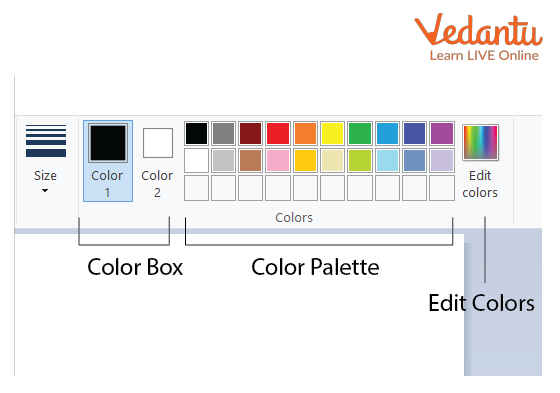
- Color Palette - A set of colors used for drawing and filling shapes.
How MS Paint Works
The MS Paint working process is based on selecting tools and applying them on a digital canvas. It uses pixel-based editing, where each action changes the color of individual pixels on the screen.
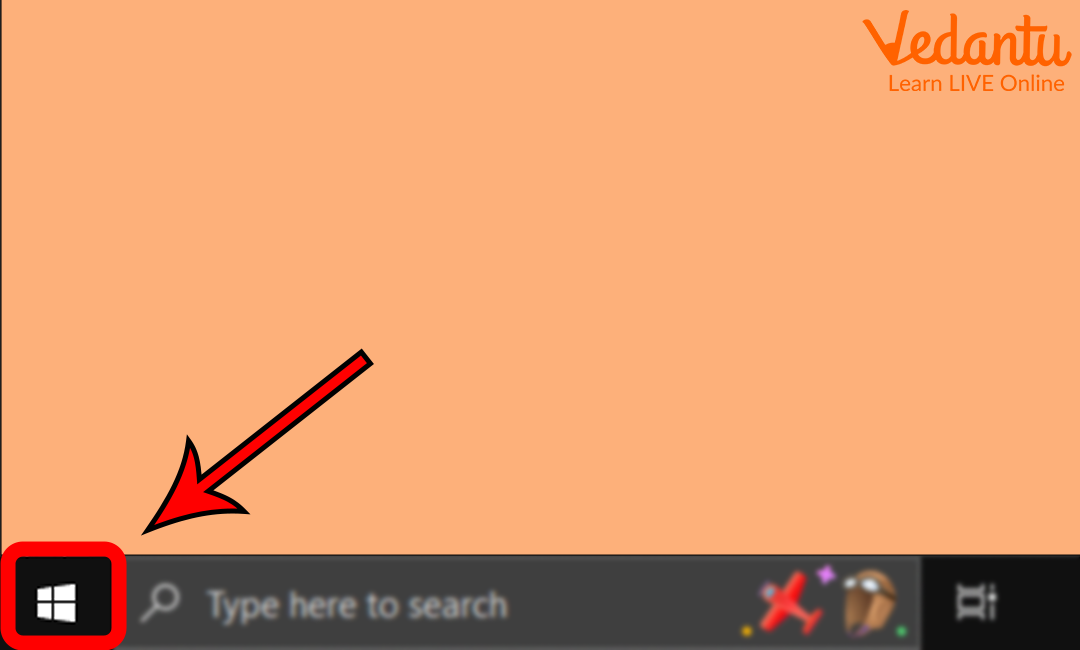
- Open MS Paint from the Start menu.
- Select a drawing tool such as Pencil, Brush, or Shape.
- Choose a color from the Color Palette.
- Draw or edit the image on the canvas.
- Save the file in formats such as JPEG, PNG, or BMP.
Steps to Open MS Paint
- Click the Start Menu.
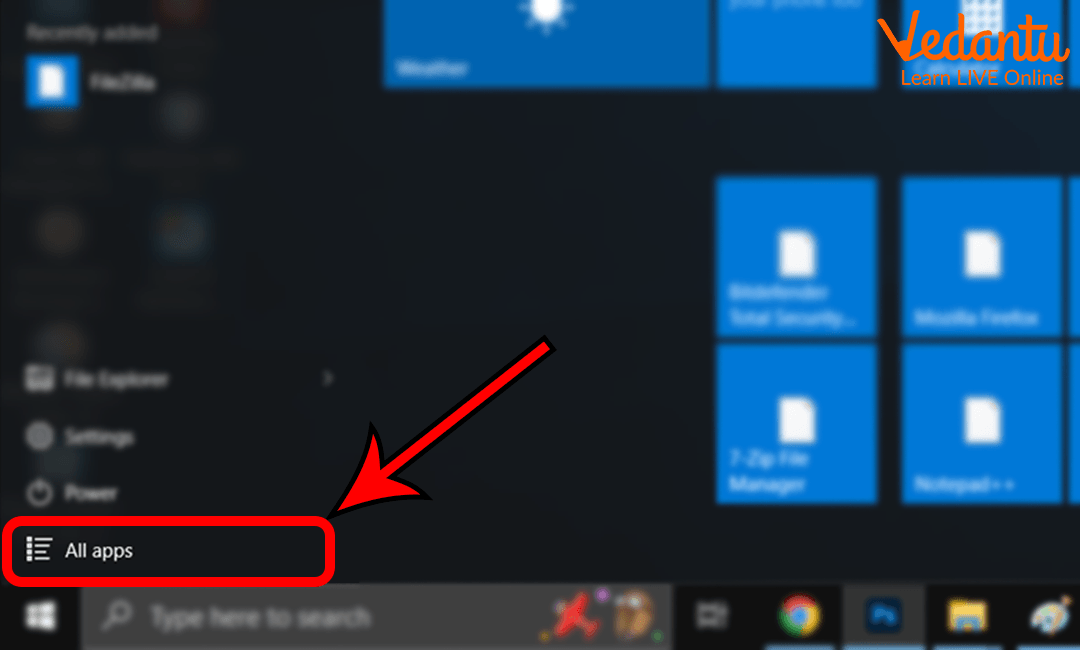
- Select All Apps.
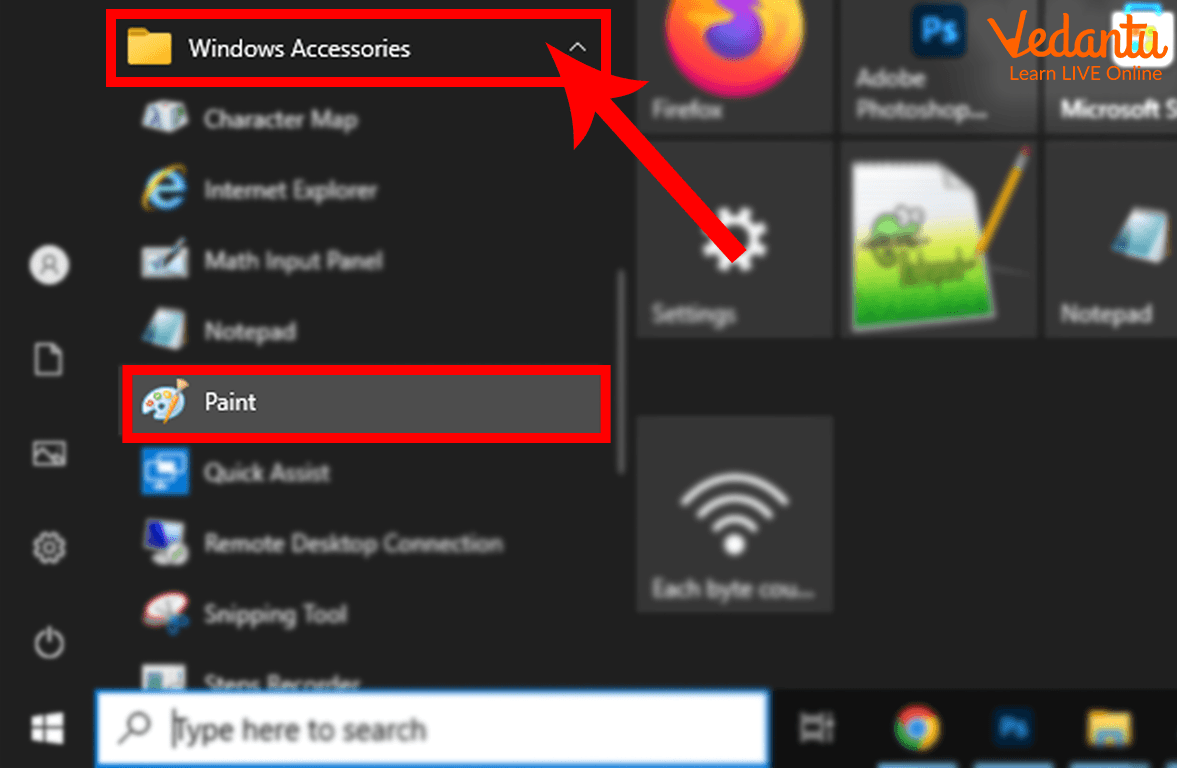
- Open Windows Accessories folder.
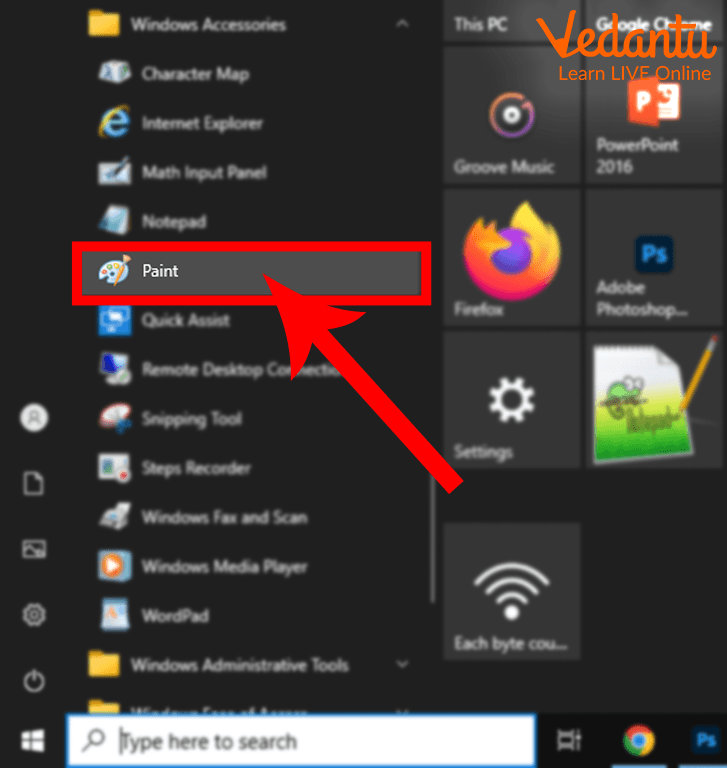
- Click on MS Paint.
Components and Structure
The MS Paint window consists of several important components that help users create and edit images efficiently.
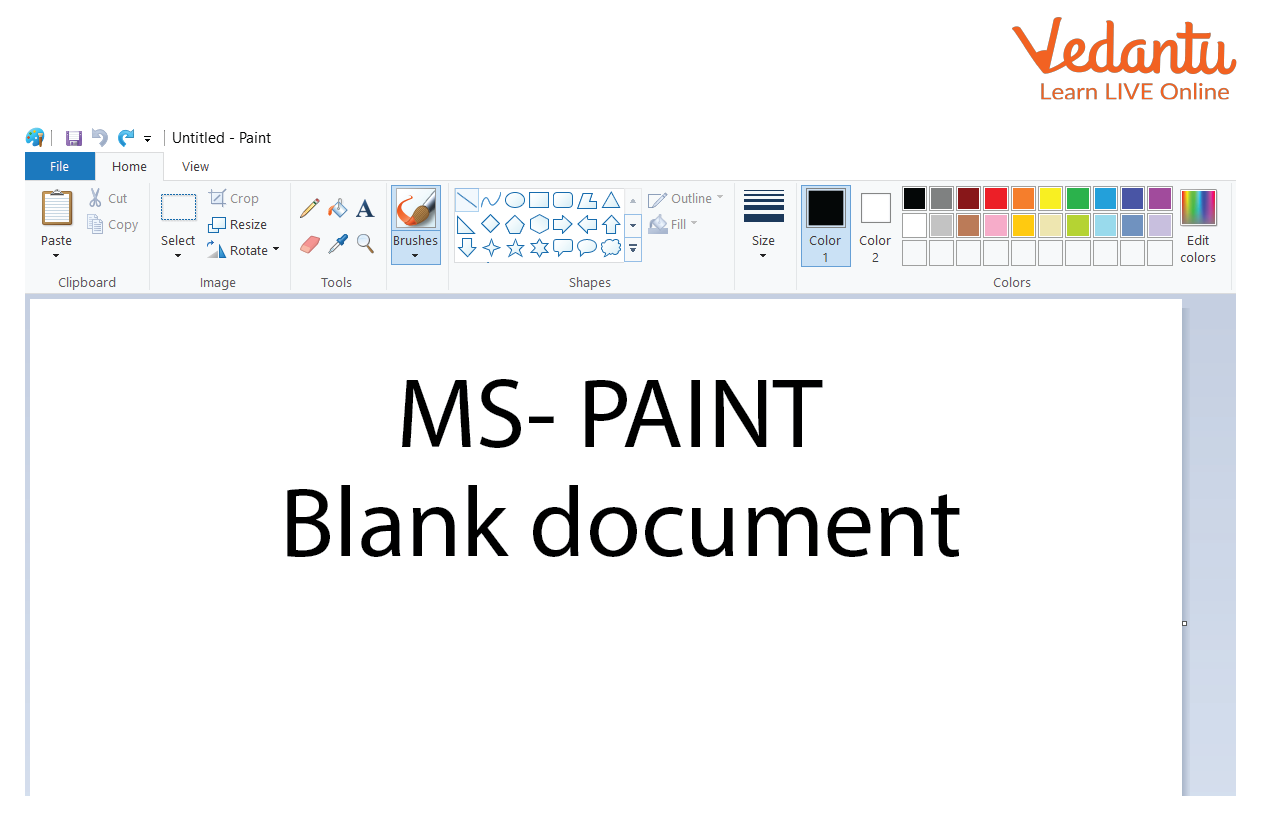
- Title Bar - Displays the file name and application name.
- Ribbon - Contains tabs like Home and View.
- Canvas - The drawing area.
- Status Bar - Shows image size and cursor position.
Home Tab
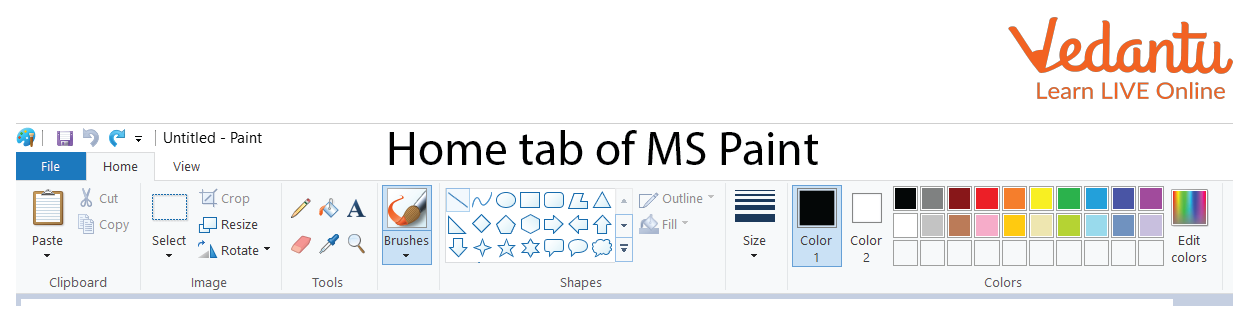
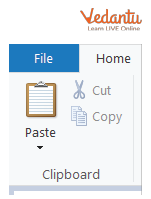
- Clipboard - Cut, Copy, Paste options.
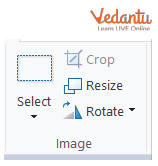
- Image Group - Resize, Rotate, Select.
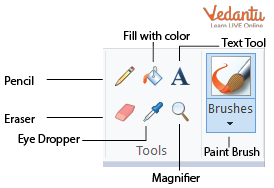
- Tools - Pencil, Eraser, Fill, Text, Magnifier.
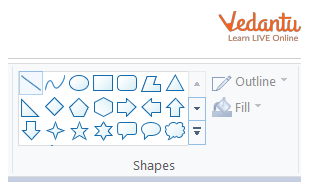
- Shapes - Line, Curve, Rectangle, Circle.
- Colours - Foreground and background colors.
Features and Characteristics
- Simple and user friendly interface.
- Supports multiple file formats such as BMP, PNG, JPEG, and GIF.
- Basic drawing tools like Pencil, Brush, Airbrush, and Eraser.
- Predefined shapes and text insertion option.
- Zoom in and zoom out using Magnifier.
Advantages
- Free and pre installed in Windows.
- Easy for beginners and school students.
- Quick image editing and resizing.
- Low system requirements.
Disadvantages
- Limited advanced editing features.
- No support for layers.
- Basic color correction tools only.
- Not suitable for professional graphic design.
Applications and Use Cases
- Drawing and coloring pictures.
- Editing screenshots.
- Creating simple diagrams and charts.
- Teaching computer basics in schools.
- Resizing and cropping images.
Quick Facts About MS Paint
| Feature | Details |
|---|---|
| Type | Raster Graphics Editor |
| Developed By | Microsoft |
| Initial Release | 1985 |
| Platform | Microsoft Windows |
| File Formats | BMP, JPEG, PNG, GIF |
These quick facts highlight important information about MS Paint in computer science and its basic technical background.
Interesting Facts About MS Paint
- MS Paint was first introduced with Windows 1.0.
- It was originally called Paintbrush.
- Many digital artists started learning drawing using MS Paint.
- It supports basic image resizing and rotation.
- It remains one of the simplest graphic editors available.
- It helps beginners understand pixel based graphics.
Conclusion
MS Paint is a beginner friendly graphics editing tool that plays an important role in computer education. It introduces students to digital drawing, image editing, and graphical user interfaces in a simple way. Although it has limited advanced features, it remains useful for basic design tasks and learning purposes. Understanding MS Paint in computer science builds a strong foundation for exploring more advanced graphic design software and digital creativity tools.
FAQs on MS Paint Basics Features and Uses in Computer Science
1. What is MS Paint in Computer Science?
MS Paint is a basic raster graphics editor developed by Microsoft that allows users to create, edit, and save digital images on the Windows operating system.
- Pre-installed software in Windows
- Used for drawing, coloring, and simple image editing
- Supports bitmap-based image processing
- Commonly used in school-level Computer Science learning
2. What are the main features of MS Paint?
MS Paint features include basic drawing tools, image editing options, and simple file management functions for beginners.
- Tools like Pencil, Brush, Eraser, Fill, and Text
- Shapes such as rectangle, circle, line, and polygon
- Resize, crop, rotate, and flip options
- Color palette customization
- Support for formats like BMP, PNG, JPEG, and GIF
3. How does MS Paint work?
MS Paint works by manipulating pixels in a raster image using graphical tools provided in its user interface.
- Each image is stored as a grid of pixels
- Drawing tools modify pixel color values
- Images are saved in bitmap or compressed formats
- Operates as a lightweight graphics software without advanced layers
4. What are the components of the MS Paint interface?
The MS Paint interface consists of toolbars, canvas area, and menus that help users perform graphic editing tasks.
- Title Bar and Quick Access Toolbar
- Ribbon with Home and View tabs
- Tools group (drawing and editing tools)
- Color palette section
- Canvas or drawing area
5. What file formats are supported by MS Paint?
MS Paint supports multiple image file formats for saving and editing digital graphics.
- BMP (Bitmap Image)
- JPEG or JPG
- PNG (Portable Network Graphics)
- GIF (Graphics Interchange Format)
- TIFF in newer Windows versions
6. What are the advantages and disadvantages of MS Paint?
MS Paint has simple usability advantages but limited advanced features compared to professional graphic design software.
- Advantages: Easy to use, lightweight, free with Windows, beginner-friendly
- Disadvantages: No layer support, limited editing tools, not suitable for advanced graphic design
7. What is the difference between MS Paint and Paint 3D?
MS Paint is a 2D raster graphics editor, while Paint 3D supports 3D modeling and advanced design features.
- MS Paint focuses on 2D image editing
- Paint 3D allows 3D objects and effects
- Paint 3D includes modern UI and 3D tools
- MS Paint is simpler and more lightweight
8. What are the common uses and applications of MS Paint?
MS Paint is commonly used for basic image editing, drawing, and educational purposes in Computer Science classes.
- Creating simple drawings and diagrams
- Editing screenshots
- Resizing and cropping images
- Teaching basic computer graphics concepts
- Quick image annotations
9. Is MS Paint important for exams and interviews?
MS Paint is important for basic computer literacy exams and school-level Computer Science assessments.
- Frequently asked in basic computer awareness exams
- Questions on features, tools, and file formats
- Useful for practical lab exams in schools
- Rarely asked in advanced software engineering interviews
10. Can MS Paint be used for professional graphic design?
MS Paint is not suitable for professional graphic design due to limited tools and lack of advanced features.
- No support for layers and advanced filters
- Limited typography and color management
- Better alternatives include Adobe Photoshop, GIMP, and CorelDRAW
- Best suited for beginners and simple tasks
