









NEET Blood Components and Their Functions Explained
Blood is a vital connective tissue that plays a key role in the survival and functioning of all living organisms. For NEET aspirants, understanding the concept of blood is crucial, as it forms the basis of many topics in human physiology and frequently appears in NEET exam questions. Mastering this topic helps in building a strong conceptual foundation for related chapters and boosts performance in the biology section of NEET.
What Is Blood? Understanding the Basics
Blood is a specialized fluid connective tissue that circulates throughout the human body, delivering oxygen and nutrients to cells and carrying away waste products. It consists of a liquid matrix called plasma and different types of cells known as formed elements. Blood maintains homeostasis, defends against infections, and regulates vital processes, making it essential for life.
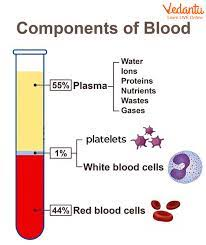
The image above shows the composition of blood, highlighting both the plasma and the formed elements.
Core Ideas and Fundamentals of Blood
Composition of Blood
Blood is made up of two main components - plasma (the fluid part) and formed elements (the cellular components). Approximately 55% of blood is plasma and 45% are formed elements. This balance is vital for the various functions of blood.
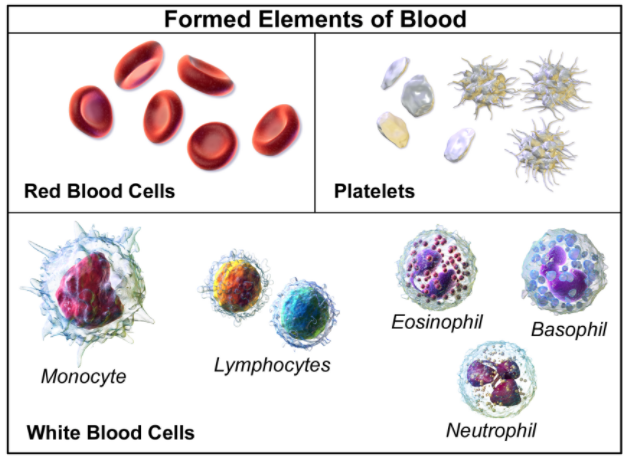
This image gives insight into the types and proportions of formed elements in blood: RBCs, WBCs, and platelets.
- Plasma: A pale yellow, slightly alkaline liquid that acts as a transport medium for nutrients, hormones, and wastes. It is about 90-92% water with important solutes like proteins (albumin, globulin, fibrinogen), electrolytes, and gases.
- Formed Elements: The cellular portions of blood, which include red blood cells (erythrocytes), white blood cells (leukocytes), and platelets (thrombocytes).
Functions of Blood
- Transportation of oxygen, carbon dioxide, nutrients, hormones, and waste products
- Regulation of body temperature and pH
- Protection against pathogens through immune cells
- Clotting of blood to prevent excessive bleeding
Key Sub-Concepts in Blood
Red Blood Cells (RBCs) - Structure and Role
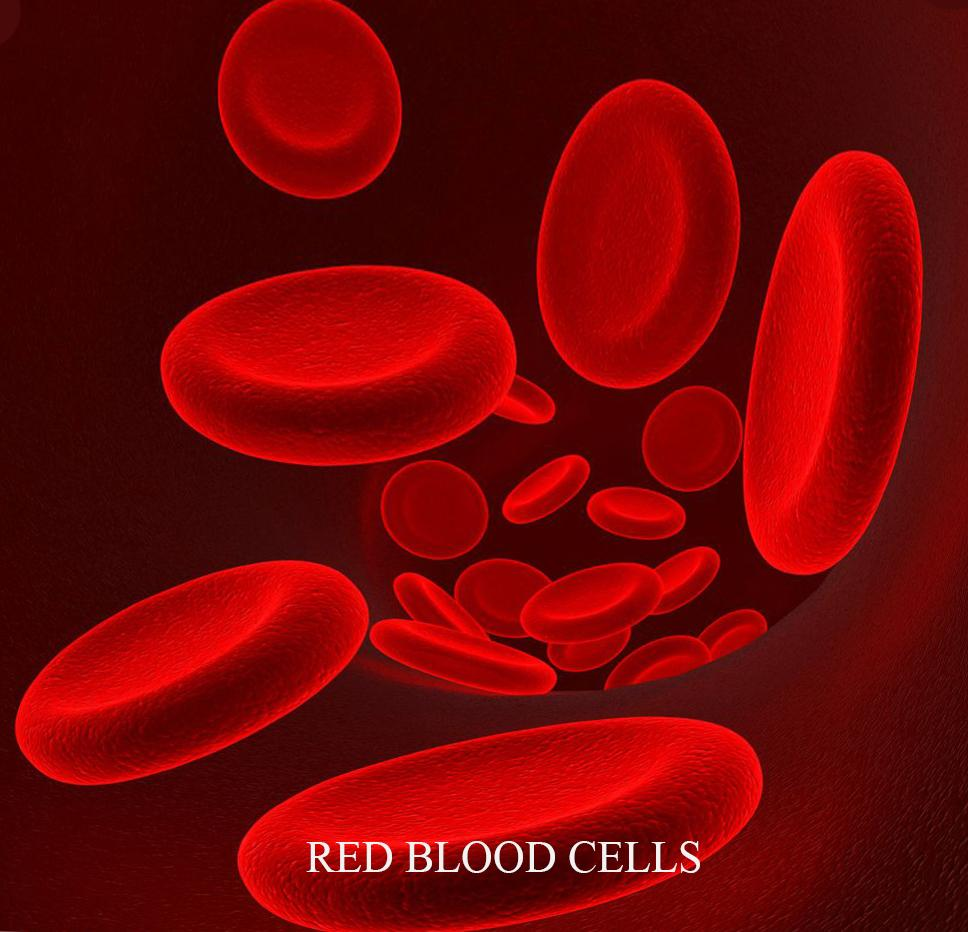
Red blood cells are biconcave, disc-shaped cells lacking nuclei in mature form. They are rich in hemoglobin, which binds to oxygen and facilitates its transport from the lungs to tissues. The unique shape increases the surface area for gas exchange. Understanding their role is critical for interpreting concepts of respiration, anemia, and oxygen transport.
White Blood Cells (WBCs) - Types and Functions
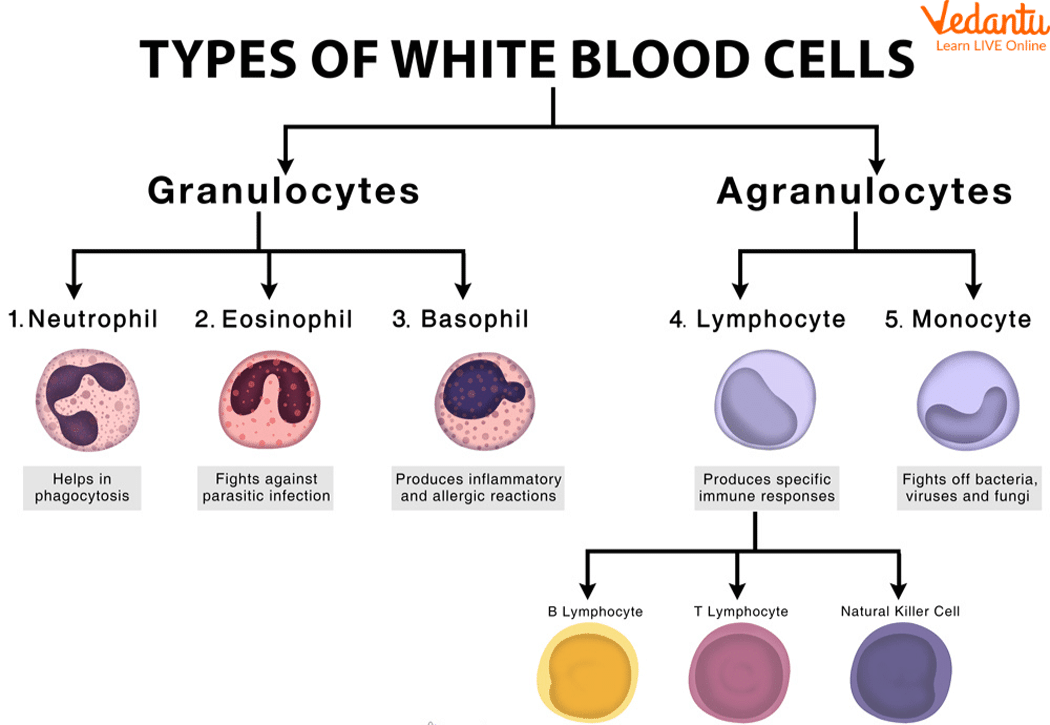
White blood cells are the body's defense cells, fighting infections and playing roles in immunity. There are different types, including neutrophils, eosinophils, basophils (granulocytes), and lymphocytes, monocytes (agranulocytes). Each type has a specific immunological function relevant in both health and disease.
Platelets
Platelets (thrombocytes) are small, irregularly shaped cell fragments that help in blood clotting. They prevent blood loss from injuries by forming a plug at the site of a wound and are key to understanding clotting disorders.
Blood Vessels
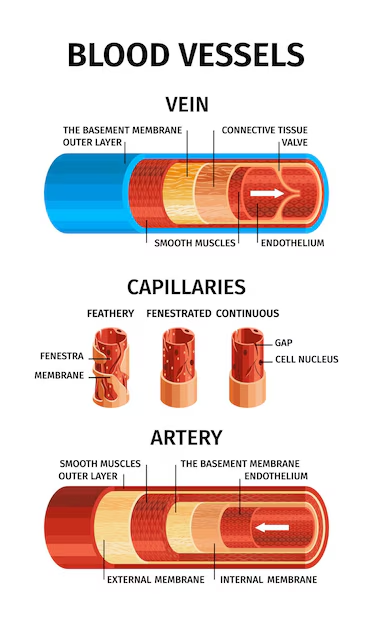
Blood flows through an extensive network of blood vessels - arteries, veins, and capillaries. Each type of vessel has structural and functional differences that affect blood pressure, flow, and exchange of substances.
Key Principles and Relationships in Blood
While blood itself does not have numerical formulas like physics or chemistry, understanding certain relationships is important. For example, students should learn the approximate percentages of blood components, normal ranges for counts, and relate these to physiological health.
Table of Main Blood Components and Their Functions
| Component | Percentage in Blood | Main Function |
|---|---|---|
| Plasma | ~55% | Transports nutrients, hormones, and waste; maintains blood volume |
| Red Blood Cells (RBCs) | ~45% | Transports oxygen and carbon dioxide via hemoglobin |
| White Blood Cells (WBCs) | <1% | Defense against pathogens, immune response |
| Platelets | <1% | Clot formation and prevention of blood loss |
This table summarizes the vital components of blood and what each contributes to the functioning of the human body. Knowing these details aids quick recall during MCQs.
Importance of Blood in NEET
Blood is fundamental to several NEET biology chapters, especially in Human Physiology. Questions often test the understanding of blood composition, functions of different cells, blood groups, immunity, clotting, and disorders such as anemia and leukemia. A clear understanding of blood helps students solve MCQs based on scenarios, match the following, and application-based questions. It also creates a base for related concepts, like circulation and immunity, that frequently appear in NEET.
How to Study the Blood Concept Effectively for NEET
- Begin with the structure and composition of blood, using diagrams to visualize each component.
- Study the characteristics and functions of RBCs, WBCs (along with their types), and platelets in detail.
- Learn the differences between arteries, veins, and capillaries, and relate them to how blood functions in the body.
- Revise important protein components in plasma and their roles, especially albumin, globulin, and fibrinogen.
- Practice with NEET MCQs covering blood functions, types, and disorders to test conceptual clarity.
- Make short notes or flashcards of key points for quick revision before exams, especially normal test values and differentiating features.
- Regularly review images and diagrams for visual memory, as NEET often tests diagram-based understanding.
Common Mistakes Students Make in Blood Concept
- Confusing the functions of RBCs and WBCs or forgetting the different types of WBCs
- Mixing up plasma with serum (plasma minus clotting factors is serum)
- Forgetting the normal counts of blood cells, which can lead to errors in data-based questions
- Not revising the sequence and components of the blood clotting process
- Neglecting diagram and table-based revision, which is essential for quick recall in exams
Quick Revision Points for Blood
- Blood = plasma (55%) + formed elements (45%)
- Plasma contains water, proteins (albumin, globulin, fibrinogen), hormones, nutrients, and wastes
- RBCs transport oxygen (via hemoglobin), lack nuclei, and have a biconcave shape
- WBCs provide immunity; neutrophils are most numerous
- Platelets are essential for clotting and preventing blood loss
- Blood vessels: arteries carry blood away from heart, veins towards heart, capillaries enable exchange
- Practice diagram-based questions and revise normal values for easy scoring
FAQs on Biology Blood: Essential Guide for NEET Aspirants
1. What is blood and what are its main components in NEET Biology?
Blood is a specialized connective tissue that plays a vital role in transporting nutrients, gases, and waste in the human body.
Key components of blood include:
- Plasma: Fluid part, containing water, proteins, hormones, and waste products
- Red Blood Cells (RBCs): Transport oxygen using hemoglobin
- White Blood Cells (WBCs): Provide immunity and fight infections
- Platelets: Aid in blood clotting and prevent excessive bleeding
2. What are the functions of blood according to the NEET syllabus?
Blood performs multiple vital functions essential for survival and homeostasis.
Main functions include:
- Transportation of oxygen, carbon dioxide, nutrients, hormones, and waste products
- Regulation of body temperature and pH balance
- Protection against pathogens through WBCs and immune response
- Clotting of blood to prevent bleeding via platelets
3. What is the difference between plasma and serum in blood?
Plasma is the liquid, cell-free part of blood containing clotting factors, while serum is plasma without the clotting factors.
Differences:
- Plasma has fibrinogen and is used in blood transfusions
- Serum lacks fibrinogen, remains after clotting, and is useful for diagnostic tests
4. Which cell in the blood carries oxygen and why is it important for NEET?
Red Blood Cells (Erythrocytes) carry oxygen using the protein hemoglobin.
Key points:
- Hemoglobin binds to oxygen in the lungs
- Delivers oxygen to tissues throughout the body
- Gives blood its red color
5. What are the different types of blood groups and their significance in NEET?
Blood groups are classified based on antigens present on RBCs, mainly as the ABO system and Rh factor.
Blood group types:
- A, B, AB, O types (based on A and B antigens)
- Rh-positive and Rh-negative (based on Rh antigen presence)
6. Why is blood called a connective tissue?
Blood is categorized as a connective tissue because it connects different body systems by transporting nutrients, gases, and waste products.
Key features:
- Consists of cells (RBCs, WBCs, Platelets) submerged in plasma
- Originates from mesenchymal cells
- Maintains homeostasis and internal communication
7. What are the different types of white blood cells and their functions?
There are several types of white blood cells (WBCs), each with unique roles in immunity.
Major WBC types:
- Neutrophils: First responders to infection, perform phagocytosis
- Lymphocytes: Produce antibodies, key for specific immunity (B and T cells)
- Monocytes: Develop into macrophages for engulfing pathogens
- Eosinophils: Counteract parasites and allergens
- Basophils: Release histamine in allergic responses
8. What is the function of platelets in blood clotting?
Platelets (Thrombocytes) are essential for the clotting mechanism to prevent blood loss after injury.
Main points:
- Release chemicals initiating clot formation
- Interact with coagulation factors to form a fibrin clot
- Reduce bleeding risk after vessel injury
9. What is the normal composition and volume of blood in adults?
An adult human has about 5-6 liters of blood, typically making up 7-8% of total body weight.
Normal blood composition:
- Plasma: ~55%
- Cells (RBCs, WBCs, Platelets): ~45%
10. Name the types of WBCs present in blood.
The two main types of white blood cells (WBCs) are granulocytes and agranulocytes.
Granulocytes:
- Neutrophils
- Eosinophils
- Basophils
- Lymphocytes
- Monocytes
11. Write the functions of blood.
Blood serves multiple functions vital to the body:
- Transports nutrients, oxygen, hormones, and waste products
- Regulates pH, temperature, and water balance
- Defends against infection via WBCs and antibodies
- Prevents blood loss via clotting mechanisms
12. What is blood plasma?
Blood plasma is the liquid portion of blood, comprising about 55% of total blood volume.
Main contents:
- Water (about 90-92%)
- Proteins (albumin, globulins, fibrinogen)
- Nutrients, hormones, waste products, ions
