






How to Solve Division Using Repeated Subtraction Step by Step
A technique called repeated subtraction, commonly referred to as division, removes an equal amount of items from a group. With this approach, the same number is continually subtracted from a larger number, and so on, until the remainder is zero or less.
Questions:
1. Fill in the spaces below.
16/4=____
16-4=____
___-4=___
____ - 4=___
_____ - 4=___
2. Fill in the spaces below.
10/2=_______
____ – 2= _____
_____ – 2= ____
_____ –2 = ____
_____ – 2=______
_____ – 2= _____
3. Fill in the spaces below.
6/2=_______
____ – 2= _____
_____ – 2= ____
_____ –2 = ____
4. Fill in the spaces below.
10/5=_______
____ – 5= _____
_____ – 5= ____
How many times was 5 removed from 10?
What will come if we divide 10 by 5?
5. Tim had 10 cars, 3 of them were lost. How many toy cars does he have now?
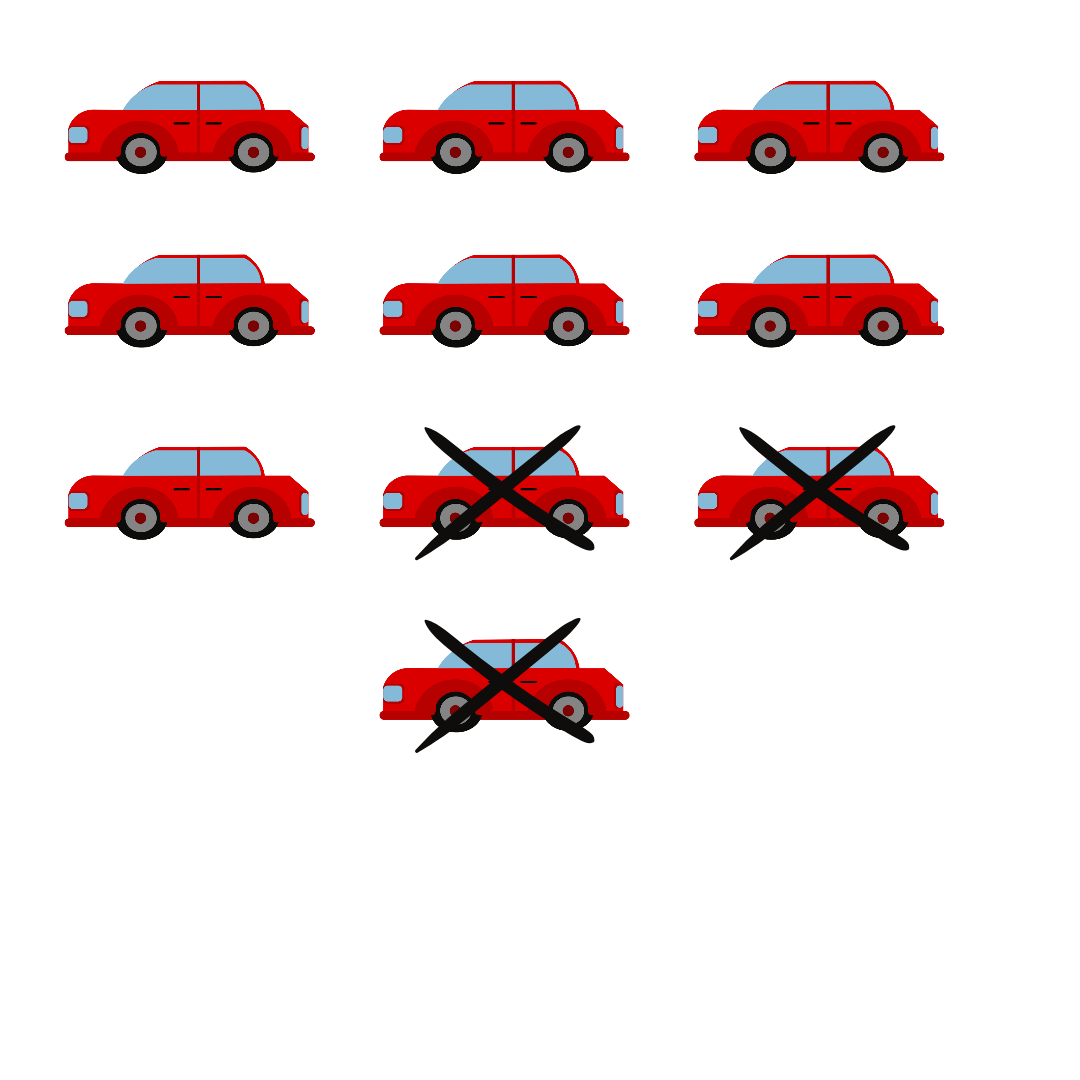
10 images of toy cars and 3 are crossed
6.

colour balls
Count the number of balls and divide by 5.
7. Charles had 8 marbles, and his brother took 3. How many marbles are left?
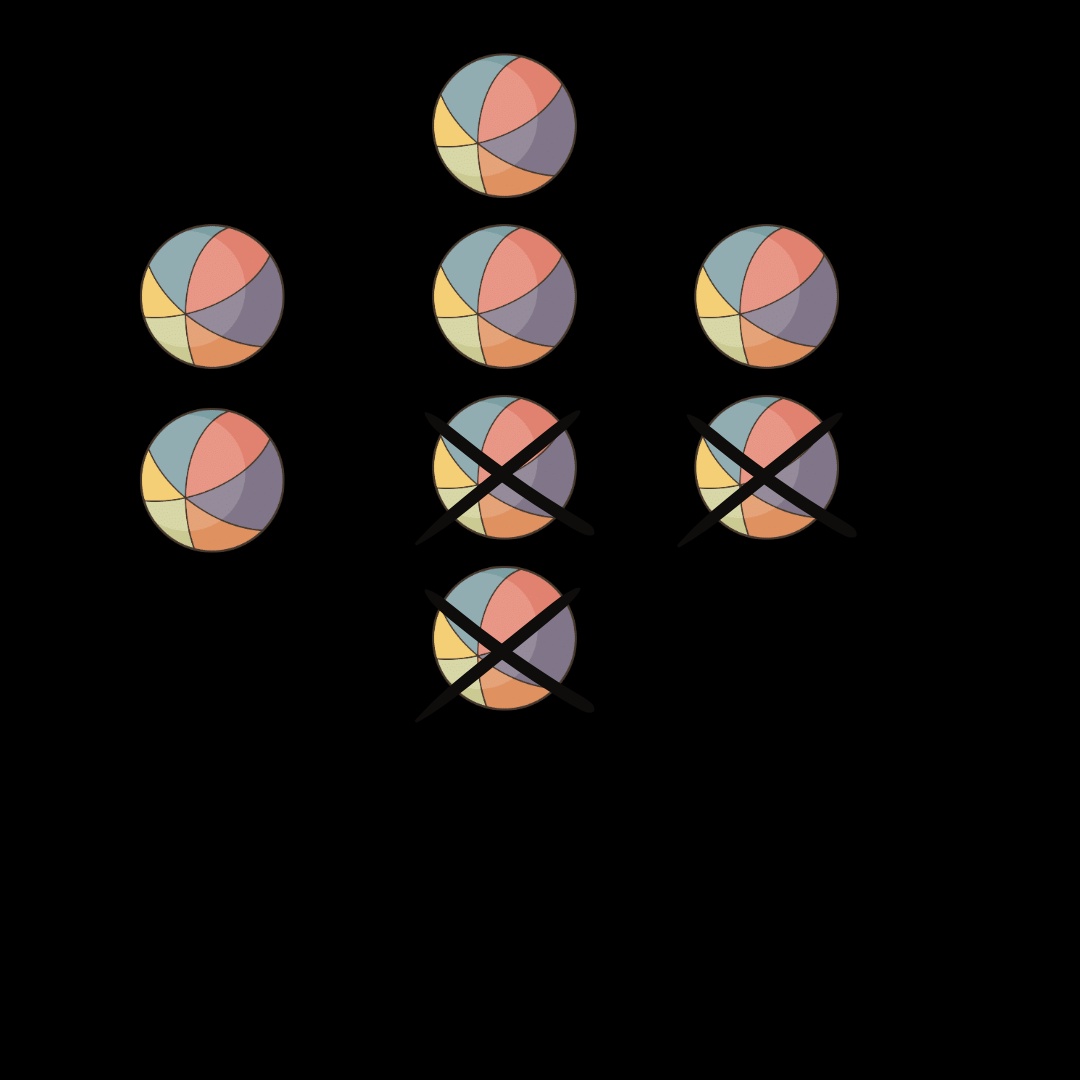
8 circles 3 are crossed
8. Fill in the spaces below.
30/6=_______
____ – 6= _____
_____ – 6= ____
_____ –6 = ____
_____ – 6=______
_____ – 6= _____
9.

children playing with the ball Count the number of balls.
10. Fill in the spaces below.
28/7=_______
____ – 7= _____
_____ – 7= ____
_____ –7= ____
_____ – 7=______
11. Fill in the spaces below.
20/4=_______
____ – 4= _____
_____ – 4= ____
_____ –4 = ____
_____ – 4=______
_____ – 4= _____
How many times was 4 removed from 20?
And what will come if we divide 20 by 4?
12. Fill in the spaces below.
15/3=_______
____ – 3= _____
_____ – 3= ____
_____ –3= ____
_____ – 3=______
_____ – 3= _____
How many times was 3 removed from 15?
And what will come if we divide 15 by 3?
13. Fill in the spaces below.
9/3=_______
____ – 3= _____
_____ – 3= ____
_____ –3 = ____
How many times was 3 removed from 9?
And what will come if we divide 9 by 3?
14. Fill in the spaces below.
8/2=_______
____ – 2= _____
_____ – 2= ____
_____ –2 = ____
_____ – 2=______
_____ – 2= _____
How many times was 2 removed from 8?
And what will come if we divide 8 by 2?
15.
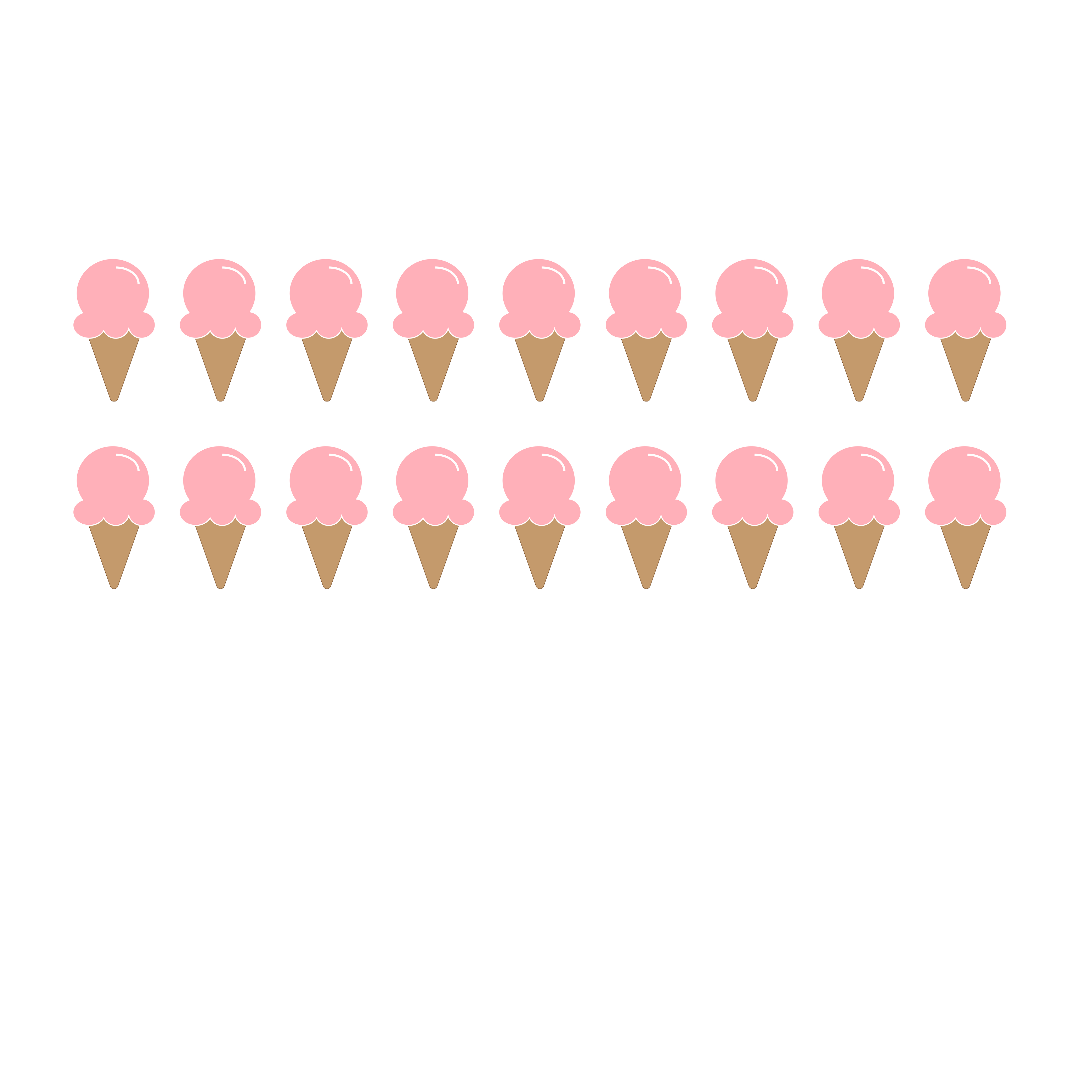
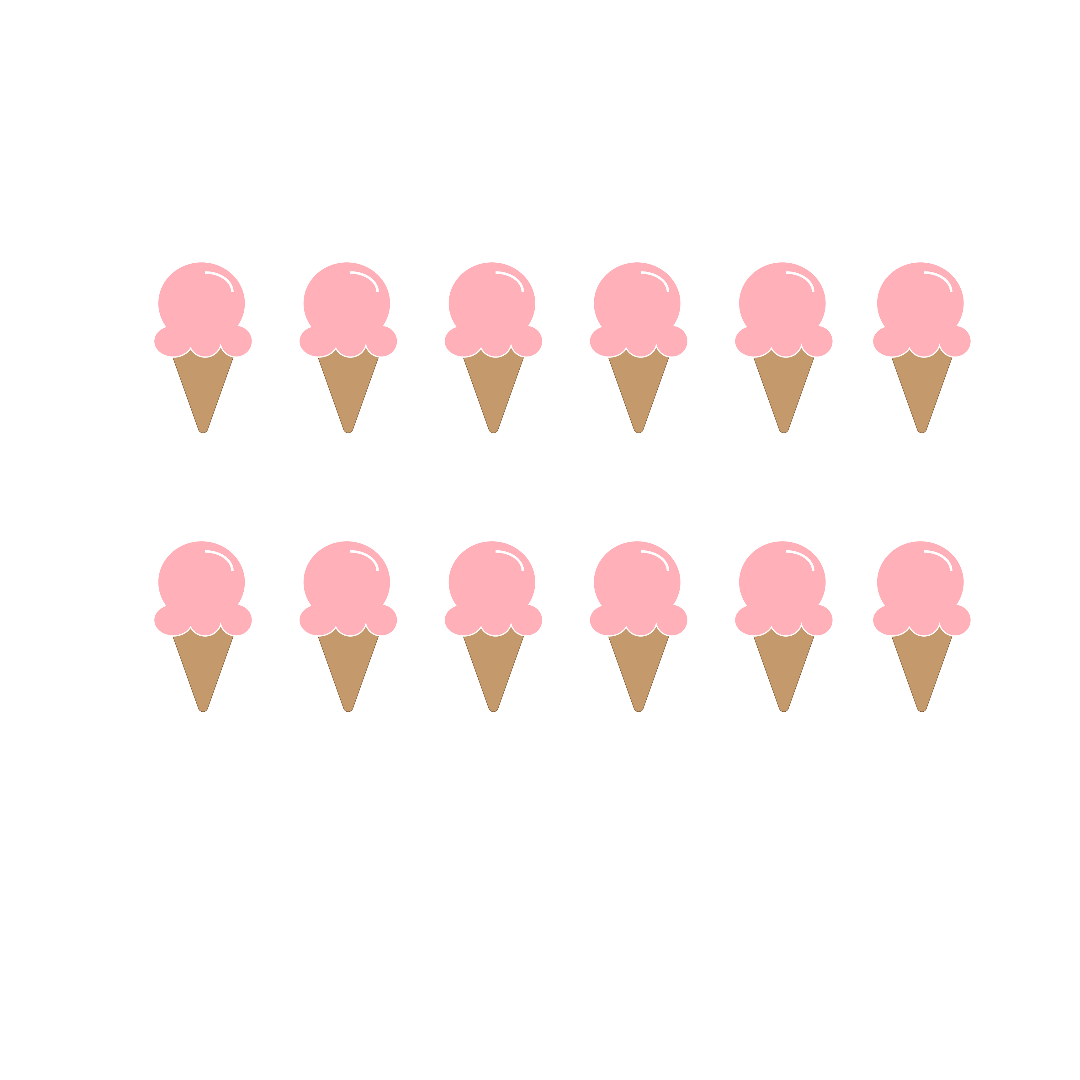
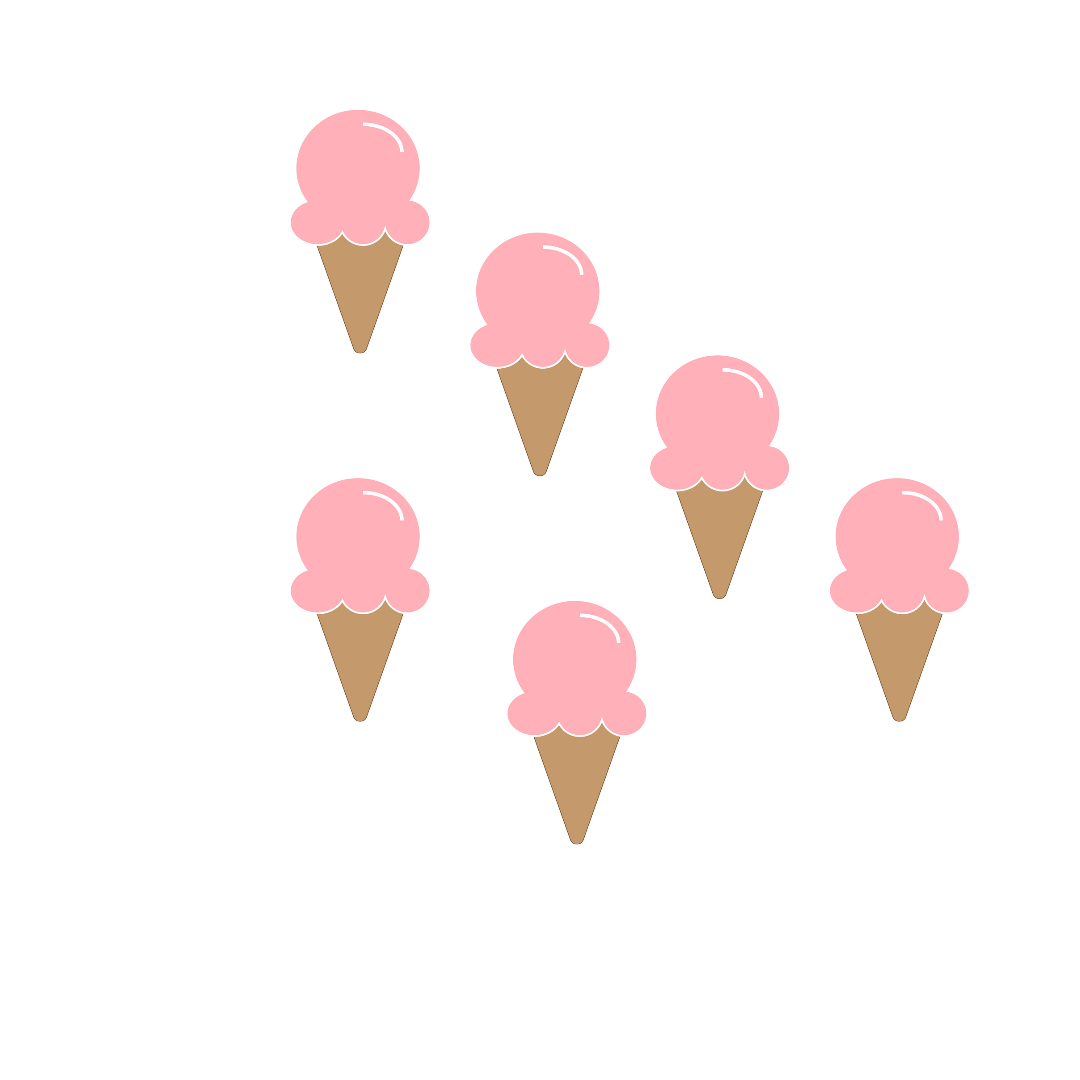
ice-creams
1st- 18
2nd-12
3rd- 6
Count the total number of ice creams and divide by 3.
Answers:
1.
16/4=4
16-4=12
12-4=8
8 - 4=4
4 - 4=0
2.
10/2=5
10– 2= 8
8– 2= 6
6–2 = 4
4– 2=2
2– 2= 2
3.
6/2=3
6– 2= 4
4– 2= 2
2–2 = 0
4.
10/5=2
10– 5= 5
5– 5= 0
2 times 5 was removed from 10
2 will come if we divide 10 by 5.
5.
The number of toys left is 10-3=7.
6.
The number of balls is 20, and when divided by 5 will be 20/5=4.
7.
8-3 is 5 The answer is 5 marbles.
8.
30/6=5
30– 6= 24
24– 6= 18
18–6 = 12
12– 6=6
6– 6= 0
9.
The number of balls is 20.
10.
28/7=4
28– 7= 21
21–7 = 14
14– 7=7
7– 7= 0
11.
20/4=5
20– 4= 16
16 – 4= 12
12– 4=8
8– 4= 4
4–4=0
5 times 4 was removed from 20.
5 will come if we divide 20 by 4.
12.
15/3=5
15– 3= 12
12–3 =9
9– 3=6
6– 3= 3
3-3=0
5 times 3 was removed from 15.
5 will come if we divide 15 by 3.
13.
9/3=3
9– 3=6
6– 3= 3
3-3=0
For 3 times 3 was removed from 9.
will come if we divide 9 by 3.
14.
8/2=4
8– 2= 6
6–2 = 4
4– 2=2
2– 2= 2
4 times 2 was removed from 8.
4 will come if we divide 8 by 2.
15.
The total number of ice creams is 18. 18/3=6.
Significance of KG-3 Maths Repeated Subtraction Method Worksheets
The Repeated Subtraction Method is a very important topic that will prepare a proper and strong foundation of mathematical operations among the students.
The worksheets are designed by experts in the form of different questions and puzzles the students have to solve. Every single question is unique and has the potential to move the brain cells of young children.
They can use the basic concepts of subtraction to solve these questions. Once they completely understand the topic, they will also be able to implement the methods to solve the challenging questions.
This topic will prepare the children of KG-3 to think a bit differently about solving the questions of division. Rather than traditionally approaching the question, students will learn to apply the subtraction method to come up with the right solution.
Benefits of Repeated Subtraction Worksheets
The Maths experts at Vedantu have formulated the Repeated Subtraction Worksheets for the students. They have invested a lot of time, care, and effort into creating the questions that will rack up the brain cells of the children.
There are solutions provided to the questions in the worksheet. With the help of these accurate solutions, students will learn the correct way to approach the questions and formulate the right answers on their own.
You will find the worksheets ideal study materials to grasp a good understanding of the topic. This will also help you prepare the topic for your exams in the best way.
The worksheets will enable students to think outside the box and move on from the traditional methods of solving a question about division. They will learn how to solve questions using the subtraction method.
Download Worksheets For Repeated Subtraction For Division And Learn Easily
If you want to know what is Repeated Subtraction Method and how it can be used, download the worksheets from the same topic right now. Vedantu is offering the worksheets for free to help the students get the content easily and effectively.

FAQs on Division As Repeated Subtraction Worksheets and Examples
1. What is division as repeated subtraction?
Division as repeated subtraction is a method of dividing numbers by subtracting the divisor from the dividend again and again until you reach zero or a number smaller than the divisor. In simple terms, it shows how many times one number can be taken away from another.
- The number being divided is called the dividend.
- The number you subtract each time is the divisor.
- The number of times you subtract is the quotient.
2. How do you solve division using repeated subtraction?
To solve division using repeated subtraction, subtract the divisor from the dividend repeatedly until the remainder is zero or less than the divisor. Follow these steps:
- Step 1: Start with the dividend.
- Step 2: Subtract the divisor.
- Step 3: Count each subtraction.
- Step 4: Stop when you reach 0 or a remainder smaller than the divisor.
15 − 5 = 10 (1)
10 − 5 = 5 (2)
5 − 5 = 0 (3)
The quotient is 3.
3. Can you give an example of division as repeated subtraction?
Yes, division as repeated subtraction means subtracting the same number repeatedly to find how many times it fits into another number. Example: 18 ÷ 4
- 18 − 4 = 14 (1)
- 14 − 4 = 10 (2)
- 10 − 4 = 6 (3)
- 6 − 4 = 2 (4)
4. What is the formula for division as repeated subtraction?
The formula for division as repeated subtraction is Dividend = Divisor × Quotient + Remainder. This formula connects subtraction and multiplication.
- If there is no remainder: Dividend = Divisor × Quotient
- If there is a remainder: Dividend = Divisor × Quotient + Remainder
5. Why is division considered repeated subtraction?
Division is considered repeated subtraction because it finds how many times one number can be subtracted from another. Each subtraction represents one equal group being removed.
- Subtraction removes equal amounts.
- Division counts how many equal removals are possible.
- Both operations are closely related to multiplication.
6. What is the difference between division and repeated subtraction?
The difference is that division is a mathematical operation, while repeated subtraction is one method used to perform division. Division gives the answer directly, but repeated subtraction shows the step-by-step process.
- Division: 20 ÷ 4 = 5
- Repeated subtraction: 20 − 4 − 4 − 4 − 4 − 4 = 0 (5 times)
7. How do you show division as repeated subtraction on a number line?
To show division as repeated subtraction on a number line, make equal backward jumps of the divisor until you reach zero. Each jump represents one subtraction.
- Example: 16 ÷ 4
- Start at 16 on the number line.
- Jump back by 4 each time: 16 → 12 → 8 → 4 → 0
8. What happens if there is a remainder in repeated subtraction?
If there is a remainder in repeated subtraction, it means the divisor cannot be subtracted anymore without going below zero. The leftover number is called the remainder.
- Example: 14 ÷ 3
- 14 − 3 − 3 − 3 − 3 = 2
9. Is repeated subtraction suitable for large numbers?
Repeated subtraction is not efficient for large numbers because it requires many subtraction steps. For example, 100 ÷ 2 would need 50 subtractions.
- It is best for small numbers.
- It helps beginners understand division concepts.
- For larger numbers, long division is faster.
10. How can worksheets help students learn division as repeated subtraction?
Division as repeated subtraction worksheets help students practice subtracting equal groups to understand how division works. These worksheets usually include:
- Step-by-step subtraction problems
- Number line exercises
- Word problems based on equal grouping
- Questions with and without remainders
