







Common Food Names Vocabulary Word List with Meanings and Examples
What is it that we adore and never get tired of? We can't stay away from them no matter how upset we are. Something we treasure and will never let go of? That is, indeed, our all-time favourite food. Food is necessary for survival! It supplies the nutrients required for optimal energy levels and aids in the growth and health of people.
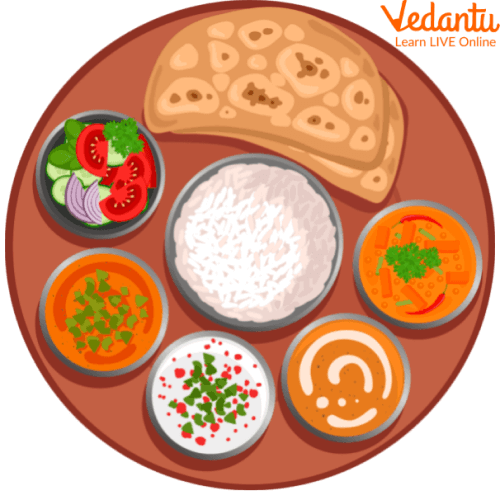
Food
A to Z Food Names
India is famous for its amazing food culture, which entertains your taste senses with a variety of spices. Every state in India has its own recipe; these local dishes of various Indian states have their own authenticity. The incredible use of spices and herbs makes these dishes stand out.
The tastiest food of all time. We've selected some food items in alphabetical order from an extensive selection of Indian dishes so you can experience the delights of Indian flavours. The A to Z food name list will make your mouth water for each item's flavour:-
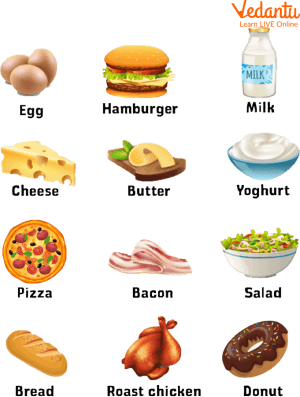
Food Names
Food Names Starting with A
Aloo Paratha
Appam
Avial
Apple pie
Aloo gobi
Aloo Tikki
Avocado Roll
Aloo Matar
Amti
Almond
Food Names Starting with B
Biryani
Bread
Basundi
Bonda
Batti
Barfi
Butter Chicken
Bhatura
Burger
Bacon
Beef
Berries
Food Names Starting with C
Chole
Chicken Tikka
Cheese
Chaat
Crab
Corn
Cashew
Chapati
Chocolate
Candy
Cookies
Cake
Cupcake
Cranberry
Cabbage
Chakhwi
Chips
Chila
Cheesecake
Food Names Starting with D
Dhokla
Dum Aloo
Dhooska
Daal fry
Dahi vada
Donuts
Dabeli
Dosa
Dham
Dates
Dumplings
Dry Fig
Daal Dhokli
Daal Baati Churma
Food Names Starting with E
Egg Curry
Eggs
Enchilada
Elumichai sadam
Eel Sushi
Food Names Starting with F
Falooda
French Fries
Fish
Fara
Fig
Fudge
Food Names Starting with G
Gol Gappe
Garlic Bread
Gatta Curry
Gulab Jamun
Gajar Halwa
Grapes
Food Names Starting with H
Halwa
Ham
Honey
Hummus
Haiku roll
Hotdog
Hamburger
Food Names Starting with I
Idli
Ice-Cream
Imarti
Idiyappam
Irish stew
Italian bread
Food Names Starting with J
Jalebi
Jam
Jackfruit
Jerky
Jadoh
Jaggery
Food Names Starting with K
Kachori
Kheer
Kofta
Kulfi
Kimchi
Kafuli
Khandvi
Kadhi Pakora
Kangshoi
Khakra
Kulfi
Kiwi
Kaju-Katli
Kebab
Kidney Beans
Kadai Paneer
Khichri
Kosha Mangsho
Food Names Starting with L
Lemon Rice
Litti Chokha
Laccha Paratha
Laapsi
Laddu
Food Names Starting with M
Mushroom Matar
Malai Kofta
Meatballs
Milk
Modak
Momos
Muffins
Malpua
Moong Dal ka Halwa
Misa Mach Poora
Food Names Starting with N
Naan
Noodles
Nachos
Food Names Starting with O
Obbattu
Omelette
Olan
Onions
Oats
Food Names Starting with P
Paneer Do Pyaza
Paneer Butter Masala
Panjerri
Papad
Paratha
Pasta
Popcorn
Pizza
Porridge
Pancake
Poha
Pongal
Phirni
Pickel
Pulao
Puri Bhaji
Papaya Khar
Pootha Rekulu
Pork with Bamboo Shots
Food Names Starting with Q
Quinoa Pulao
Quail
Quiche
Quater Pounder Burger
Food Names Starting with R
Rasmalai
Rajma
Rosgulla
Rice
Rugra
Rasam
Rabdi
Rogan Josh
Ramen
Food Names Starting with S
Samosa
Sandwich
Soup
Shrimp
Sambhar
Steak
Salad
Spaghetti
Shahi Paneer
Sausages
Salsa
Soan Papdi
Food Names Starting with T
Tandoori Chicken
Truffles
Tacos
Toast
Tuna Steak
Thukpa
Thepla
Tofu
Turnips
Tempeh
Tomatoes
Tortellini
Tiramisu
Food Names Starting with U
Upma
Unagi
Uttapam
Umbrella fruit
Utazi
Udon
Utazi
Undhiyu
Ube
Uszka
Food Names Starting with V
Vada Pav
Vindaloo
Vanilla
Veal
Vermicelli
Venison
Vatapa
Food Names Starting with W
Waffle
Whiting
Wafers
Wheat
Watermelon
Walnut
Whelk
Wine
Wontons
Wasabi
Food Names Starting with X
Xacuti
Xia mi
Ximenia
Xouba
Xacoatl
Xigua
Xiao Long Bao
Food Names Starting with Y
Yoghurt
Yeast
Yuza
Yabby
Yams
Yahni
Yautia
Food Names Starting with Z
Zarda
Zander
Zarzuela
Zucchini
Ziti
Zuccatto
Zeppoli
Zongzi
Summary
Food is necessary for survival! It supplies the nutrients required for optimal energy levels and aids in the growth and health of people. As shown above, we have listed the various delicious foods in an alphabetical manner. We also have listed some Indian dishes so you can experience the delights of Indian flavours.
FAQs on Food Names and Vocabulary Word List in English
1. What are food names in English?
Food names in English are the vocabulary words used to identify different types of food and drinks. They help learners describe meals, ingredients, and eating habits clearly.
Common categories of food vocabulary include:
- Fruits: apple, banana, mango
- Vegetables: carrot, spinach, potato
- Meat and protein: chicken, beef, eggs
- Dairy products: milk, cheese, yogurt
- Beverages: water, juice, tea
2. How can I learn food vocabulary words easily?
You can learn food vocabulary words easily by practicing them in context and grouping them by category. This makes memorization faster and more effective.
Helpful methods include:
- Grouping words into categories like fruits, vegetables, and drinks
- Using flashcards with pictures
- Writing simple sentences (e.g., "I eat rice for dinner.")
- Practicing during grocery shopping or cooking
3. What are the main categories of food vocabulary in English?
The main categories of food vocabulary in English are fruits, vegetables, grains, protein foods, dairy, and beverages. These groups help organize food names clearly.
Major categories include:
- Fruits: orange, grapes, pineapple
- Vegetables: broccoli, onion, cabbage
- Grains: rice, bread, pasta
- Protein foods: fish, beans, meat
- Dairy: butter, cheese, milk
- Beverages: coffee, tea, soda
4. What is the difference between fruits and vegetables in English vocabulary?
The difference between fruits and vegetables in English vocabulary is that fruits usually grow from the flower of a plant and are often sweet, while vegetables come from other plant parts like roots, stems, and leaves.
Examples:
- Fruits: apple, mango, strawberry
- Vegetables: carrot (root), spinach (leaf), celery (stem)
5. What are common food names used in daily conversation?
Common food names used in daily English conversation include basic items people eat every day. These words frequently appear in speaking and writing.
Examples of everyday food vocabulary:
- Breakfast foods: eggs, bread, cereal
- Lunch and dinner foods: rice, chicken, soup
- Snacks: chips, cookies, nuts
6. How do you use food vocabulary in a sentence?
You use food vocabulary in a sentence by naming the food as a noun and placing it correctly within the sentence structure. Food names usually function as countable or uncountable nouns.
Examples:
- Countable: "She bought three apples."
- Uncountable: "I need some rice."
- Preference: "He likes pizza."
7. What are countable and uncountable food nouns?
Countable and uncountable food nouns refer to whether a food item can be counted individually or not. Countable nouns have singular and plural forms, while uncountable nouns do not.
Examples:
- Countable: apple/apples, sandwich/sandwiches
- Uncountable: rice, sugar, milk
8. What are some examples of healthy food vocabulary words?
Healthy food vocabulary words include names of foods that provide essential nutrients and support good health. These words are common in discussions about diet and nutrition.
Examples of healthy foods:
- Fruits: blueberries, apples
- Vegetables: spinach, kale
- Whole grains: brown rice, oats
- Lean protein: fish, beans
9. Why is learning food names important in English?
Learning food names in English is important because they are used in everyday communication, travel, shopping, and social situations. Food vocabulary is part of basic survival English.
It helps you:
- Order meals in restaurants
- Shop at grocery stores
- Discuss likes and dislikes
- Understand recipes and menus
10. Can you give a basic food vocabulary list for beginners?
A basic food vocabulary list for beginners includes simple and commonly used food names in English. These words are easy to pronounce and frequently used.
Beginner food word list:
- Fruits: apple, banana, orange
- Vegetables: tomato, potato, carrot
- Grains: rice, bread
- Protein: egg, chicken
- Dairy: milk, cheese
