




Free Printable Cursive Writing Practice Worksheets With Letters And Sentences
The English alphabet has a total of 26 letters which can be written in the cursive form. The worksheet consists of practice for cursive forms of all letters and the example of a few words. Example of words in the English language includes banana, nest and dogs.
Questions:
1. Write down the word “Cursive” in cursive handwriting.
2. Write down two words starting with Y in cursive form.
3. Trace the letters along the directions in the images:


4. Colour the letter T in the image:

Letter
5. Trace down the words written in the table:


6. Rejumble the letters to form meaningful words:
a. C/L/E/M/A
b. E/A/R/I/G/F/F
7. Fill in the blanks with the appropriate letter to form meaningful words:

Objects
8. Frame sentences with the word: Friends.
9. Write a word in cursive form with the given letters:
10. Colour the images that start with the given letter:
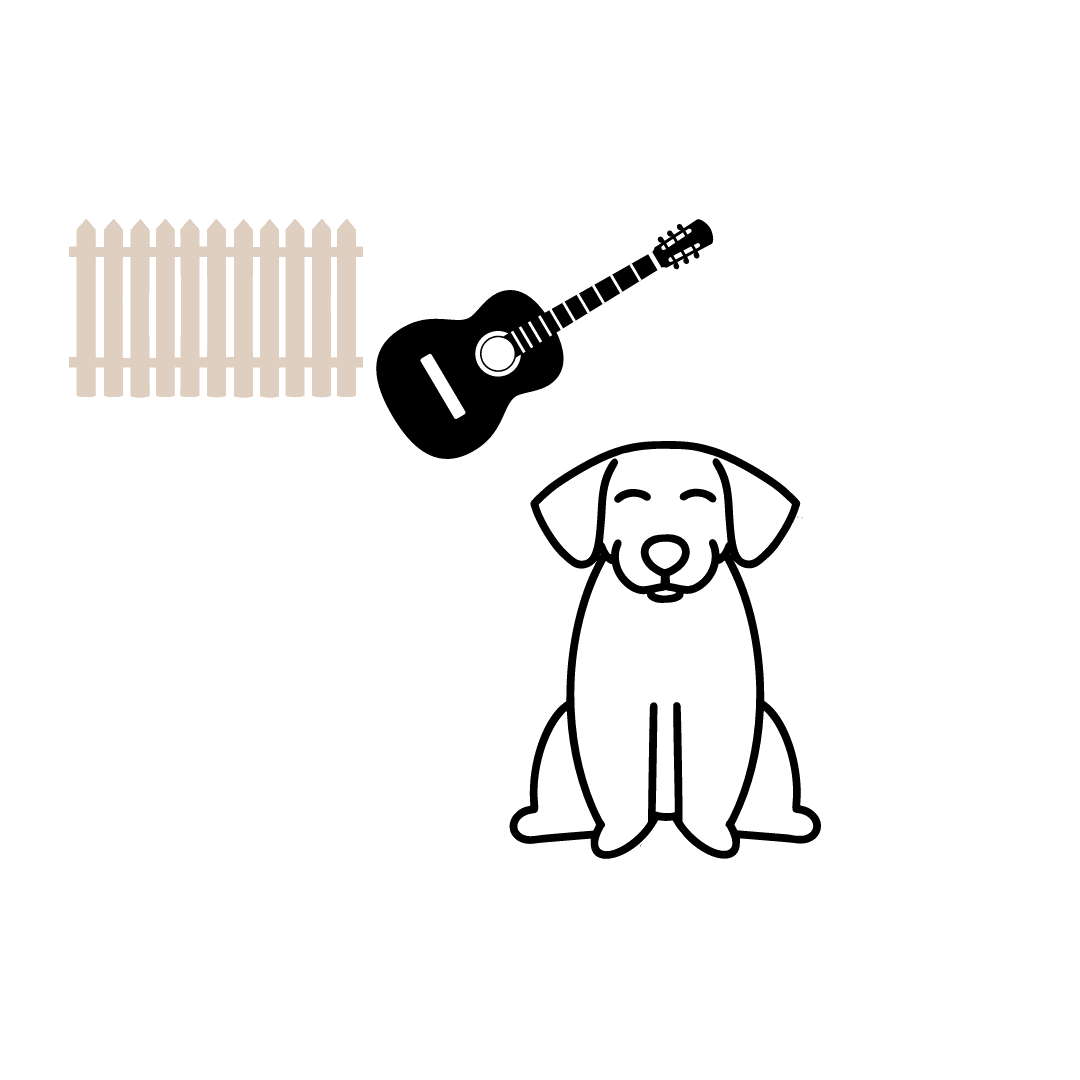


11. Fill in the blanks with the letters to complete the pattern:

Letters
12. Trace the numbers to get a letter of the English alphabet:

Letter
13. Colour the first letter of the given words in the images:


14. Colour the letters, I, R, and X in the image:

Letters
15. Trace the words along the outline given:


Answers:
1.
The word is written in the cursive form:

Letters
2.
The words are yolk and yell. The words are written in the cursive form below:

Words
3.
4.
The letter has been coloured in the given image:

Letters
5.

6.
a. The unjumbled correct word is camel.
b. The unjumbled correct word is giraffe.
7.
The first letters have been filled in the given image:

Objects
8.
I love to spend time with my friends in the evening after school.
9.
The words using the letters have been written in the cursive form:


10. The images of objects starting with the given letters have been coloured:


11. The pattern has been completed by filling in the missing letters:

Letters
12. The letter in, N of the English alphabet.

Letter
13. The first letters of the names of the objects have been coloured:


14. The letters I, R and X are coloured in the given image below:

Letters
15. The words have been traced along the outlines:
Importance of Cursive Handwriting Practice Worksheet
Now that we have understood what cursive writing is in English, it is clear that we will need a prominent ground to practise this style. It becomes challenging for the kids to follow multiple instructions to learn the methods of cursive writing for uppercase and lowercase English letters. This is where using the worksheets related to cursive writing in English can be the best bet.
This worksheet is designed in such a way that kids will find the right ground to practise writing English cursive letters. They will also learn how to continue writing in cursive within the given lines and make a word. They will learn when to stop and continue to differentiate between words.
Benefits of Cursive Letters and Words Worksheets
Using this worksheet is ideal for kids to get a set of instructions to follow and find out how to master this skill. This worksheet will act as the perfect platform for learning and practising cursive writing in English.
Mentors and parents can save time by downloading this type of worksheet for practice. The worksheets are designed to make them print-ready. All you have to do is to download and print the file. The practice paper for cursive writing in English will be ready.
Download Cursive Handwriting Practice Worksheet PDF
Get the free PDF version of the cursive writing worksheet and make your practice sessions more productive. Learn how to focus on Cursive Generator Font by using this worksheet and take a step ahead to prepare your handwriting skills. Imbibe the style used in this worksheet and develop your handwriting accordingly.


FAQs on Cursive And Writing Practice Worksheets For All Levels
1. What are cursive and writing practice worksheets?
Cursive and writing practice worksheets are printable or digital sheets designed to help learners improve cursive handwriting, letter formation, and overall writing skills. They usually include:
- Tracing lines and uppercase and lowercase cursive letters
- Practice words and sentences in cursive
- Guided spacing and alignment exercises
- Blank lines for independent writing practice
2. How do you use cursive writing practice worksheets effectively?
To use cursive writing practice worksheets effectively, start with letter tracing and gradually move to independent sentence writing. Follow these steps:
- Begin with basic strokes and individual letters
- Trace over dotted cursive letters carefully
- Practice writing each letter without tracing
- Move on to short words and simple sentences
- Focus on neatness, spacing, and consistent slant
3. Why is cursive writing practice important for students?
Cursive writing practice is important because it improves fine motor skills, handwriting fluency, and written expression. Key benefits include:
- Better hand–eye coordination
- Faster writing speed compared to print
- Improved memory and spelling retention
- Neater and more connected handwriting
4. What is the difference between cursive writing and print handwriting?
The main difference between cursive writing and print handwriting is that cursive letters are connected, while print letters are written separately. Key differences include:
- Cursive writing: Letters flow together in a continuous stroke.
- Print handwriting: Each letter stands alone.
- Cursive is often faster for long writing tasks.
- Print is usually easier for beginners to learn.
5. At what age should children start using cursive writing worksheets?
Children typically start using cursive writing worksheets around ages 7 to 9, after mastering basic print handwriting. Before starting cursive, students should:
- Recognize all alphabet letters
- Write print letters clearly
- Have developed basic pencil control
6. What are the basic strokes in cursive writing?
The basic strokes in cursive writing are the foundational pen movements used to form all cursive letters. Common strokes include:
- Upward stroke
- Downward stroke
- Loop stroke
- Oval stroke
- Connecting stroke
7. How can I improve my cursive handwriting quickly?
You can improve your cursive handwriting quickly by practicing correct letter formation and maintaining consistent spacing. Follow these tips:
- Use structured cursive practice worksheets daily
- Write slowly and focus on neatness first
- Keep letters uniform in size and slant
- Maintain proper pencil grip and posture
- Review and correct common letter formation mistakes
8. What should be included in a good cursive writing worksheet?
A good cursive writing worksheet should include guided practice, clear models, and space for independent writing. Essential elements are:
- Examples of uppercase and lowercase cursive letters
- Tracing lines with dotted letters
- Word and sentence practice
- Proper line spacing guides
- Progressive difficulty levels
9. Can adults use cursive writing practice worksheets?
Yes, adults can use cursive writing practice worksheets to improve or relearn cursive handwriting. Adult learners often use worksheets to:
- Enhance professional handwriting
- Develop a personal signature style
- Improve writing speed and clarity
- Practice calligraphy basics
10. How long does it take to learn cursive writing?
It usually takes a few weeks to a few months to learn cursive writing, depending on practice frequency and skill level. Most learners:
- Recognize and write letters within 2–4 weeks
- Develop smooth connections after regular practice
- Gain speed and fluency over several months
