







An Overview of Meteorological Instruments
In order to determine the weather, we have to measure different parameters like the temperature, pressure, precipitation, wind speed, etc. Thus, we have different types of weather instruments to measure these different parameters. In this article, we will first state some different types of meteorological instruments and then discuss what they are used for, lastly we will discuss briefly about the rain gauge, which is an instrument used to measure rainfall, one of the most important parameters to determine the weather in any area.
What are Meteorological Instruments?
Meteorology is the study of weather conditions around us and Meteorological instruments are the equipment which Meteorologists use to study and measure different parameters determining the weather in any area, at any given time. There are various different kinds and types of meteorological instruments, each responsible for measuring a different parameter, some of which are:
Thermometer
Barometer
Rain Gauge
Weather Instruments Pictures
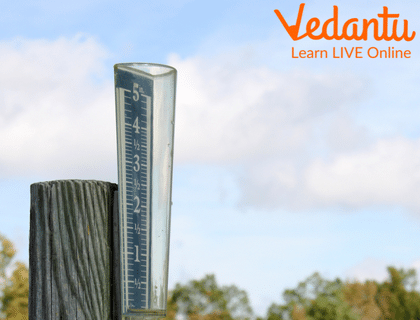
Rain Gauge
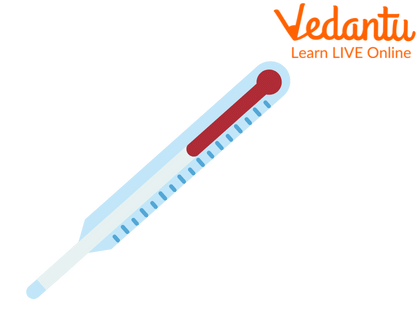
Thermometer
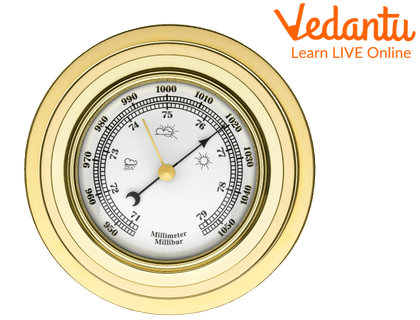
Barometer
Meteorological Instruments and Their Uses
There are several different types of meteorological instruments, each measuring a different parameter. In this section, we will state some of them and also discuss the uses of meteorological instruments:
Thermometer
A thermometer, as the name suggests, is used to measure temperature of the air as well as the sea surface.
Barometer
A barometer is an instrument used to measure the atmospheric pressure.
Hygrometer
A hygrometer is an instrument that is used to measure the humidity in any area, at any given time.
Anemometer
It is a meteorological instrument that is used to measure the wind speed in an area.
Pyranometer
A Pyranometer is used to measure the solar radiation that an area receives during day time.
Rain Gauge
It is used to measure rainfall.
Wind Sock
It is another instrument which is used to measure not only the general wind speed but also the general wind direction.
Wind Vane
A wind vane also known as the weather vane or a weathercock is an instrument which is used to determine and show the direction in which the wind is moving.
Instruments Used to Measure Rainfall
The instrument which is used to measure rainfall is the Rain Gauge. We also have a snow gauge which along with the rain gauge is used to measure the precipitation. In this section, we will discuss the most common instrument used to measure rainfall, which is the rain gauge.
A rain gauge is used to gather and measure the amount of liquid precipitation that is the rain in a predefined area and over a set period of time. The main purpose of the instrument is to determine the depth of precipitation, thereby measuring the amount of rainfall in that area.
The setup includes a collection container attached to a measuring scale and is set in an open area. The precipitation is measured in terms of the height of the precipitation water collected in that container per given time and is usually expressed in millimetres.
Sample Questions
State whether the statements mentioned below are correctly stated or not.
1. Rainfall is equivalent to precipitation.
Ans: False, precipitation can be of different types, one of which is liquid precipitation that is rainfall, other than that we also have snowfall which comes under precipitation.
2. A barometer is used to measure the atmospheric pressure.
Ans: True.
3. Using present day technology, we can determine both the speed and direction of wind.
Ans: True.
Complete the statements that follow by filling in the blanks.
4. A hygrometer is used to measure ________ in an area.
Ans: humidity.
5. The speed and direction of the wind can be measured by an instrument known as _________.
Ans: windsock
6. A thermometer is used to measure the temperature of _______ and _________.
Ans: air, sea surface
Summary
Meteorological instruments are weather instruments which are used to measure different parameters which determine the weather around us. There are several different types, some of which we discussed in this article such as thermometer, barometer, anemometer, hygrometer, rain gauge, windsock, etc. A rain gauge is an instrument used to measure the liquid precipitation (rainfall) in a predefined area, over a set period of time.
FAQs on Uses of Meteorological Instruments
1. What is the main purpose of meteorological instruments?
The main purpose of meteorological instruments is to measure various elements of the atmosphere to understand and predict the weather. They provide essential data on conditions like temperature, air pressure, and humidity, which helps meteorologists in weather forecasting, climate study, and issuing warnings for public safety.
2. What are the key weather elements measured by these instruments?
Meteorological instruments are designed to measure several key weather elements. The most common ones include:
- Temperature: The degree of hotness or coldness of the air.
- Air Pressure: The weight of the atmosphere pressing down on the Earth.
- Humidity: The amount of water vapour present in the air.
- Wind Speed: How fast the air is moving.
- Wind Direction: The direction from which the wind is blowing.
- Precipitation: The amount of rain, snow, or sleet that has fallen.
3. What are some common meteorological instruments and their uses?
Several instruments are used to gather weather data. The most common ones are:
- Thermometer: Measures air temperature.
- Barometer: Measures atmospheric pressure.
- Hygrometer: Measures the humidity or amount of water vapour in the air.
- Anemometer: Measures wind speed.
- Wind Vane: Shows the direction of the wind.
- Rain Gauge: Measures the amount of rainfall over a specific period.
4. How do meteorologists use data from these instruments to forecast the weather?
Meteorologists collect data from thousands of instruments around the world. They analyse this information to identify patterns and changes. For example, a rapid drop in air pressure measured by a barometer often signals an approaching storm. By inputting this data into powerful computer models, they can predict how the atmosphere will behave over the next few hours and days, creating a weather forecast.
5. What is the difference between an anemometer and a wind vane?
Although both instruments measure wind, they measure different aspects. An anemometer has cups that spin to measure the speed of the wind (how fast it is blowing). A wind vane, often shaped like an arrow, points into the wind to show the direction from which the wind is coming.
6. Why is measuring air pressure so important for predicting weather?
Measuring air pressure is crucial because changes in pressure are a primary driver of weather changes. Low pressure systems allow air to rise, cool, and form clouds, often leading to rain and storms. In contrast, high pressure systems involve sinking air, which prevents cloud formation and usually results in clear, calm weather. A barometer helps track these pressure changes.
7. Is it possible to measure clouds? If so, which instrument is used?
Yes, certain aspects of clouds can be measured. An instrument called a Ceilometer is used to determine the height of the cloud base from the ground. It works by sending a laser beam up into the sky and measuring the time it takes for the light to reflect off the bottom of the clouds. This information is very important for aviation safety.
8. Besides weather forecasting, what are other real-world applications for meteorological data?
Data from meteorological instruments is vital in many fields beyond daily forecasts. In agriculture, it helps farmers decide when to plant, irrigate, and harvest crops. For aviation, it ensures flight safety by providing information on wind, clouds, and storms. The shipping industry also relies on this data to navigate safely and avoid dangerous sea conditions.
