







Classification and Characteristics of Ferns with Examples
Ferns are green, flowerless plants. They are typically simple to identify because of the frond-like form of their leaves. Rather than using seeds to proliferate, ferns use spores. Asparagus ferns are an example of a plant that has the name "fern," although it is not a real fern.
Fern Plants Variety
There are more than 20,000 identified species of ferns. Numerous fern species thrive both outside and indoors. Indoor ferns flourish in bright light as long as they are not put in the path of direct sunlight, whereas outdoor ferns thrive best in somewhat shaded regions. Even the most inexperienced gardeners may successfully cultivate ferns since they seldom contract illnesses or have insect infestations.
Here are a Few Pictures of Different Types of Ferns:
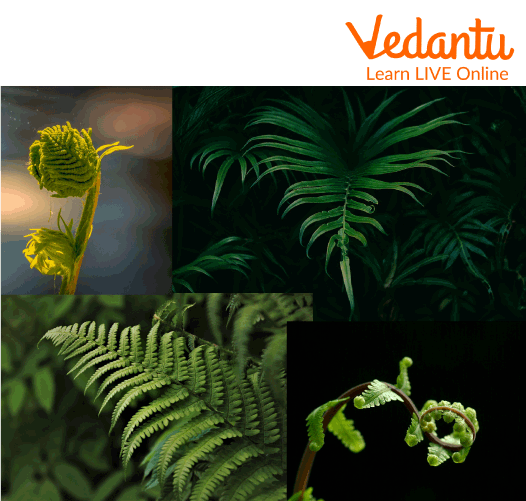
Different Fern Varieties
Java Fern
Certainly one of the greatest aquatic plants for the hobby of keeping aquariums is the Java fern (Microsorum Pteropus). It thrives in a variety of environments, is simple to grow, and is resilient (both freshwater and brackish).
This plant looks gorgeous and is perfect for enhancing home aquariums. It gets along well with many different fish species.
The Java fern is a kind of very variable plant with several geographically distinct subspecies that may be identified by their distinctive leaf sizes and forms.
The Java fern plant has several types, and each one is distinguished by unique leaf forms. The different types of java fern include Narrow Leaf, Needle Leaf, Trident, and Windle.
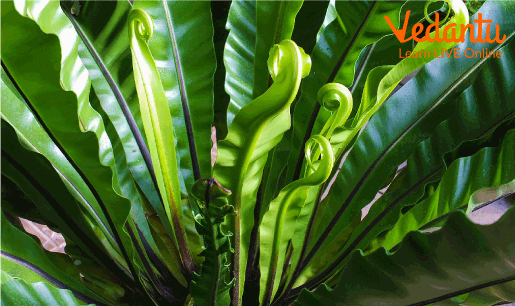
Java Fern
Different Types of Fern Plants
Green fern fronds look lovely, particularly in hanging baskets. This might be a fantastic place to begin gardening. The best varieties of fern plants to grow are listed below.
Indoor Ferns
Indoor ferns are particularly well-suited to hanging from ceiling hooks in dark, obscure spaces with plenty of light. The types of indoor fern plants are:
Boston Fern: They feature dark green leaves with several, uniformly spaced deep indentations.
Holly Ferns: This kind of fern is water, heat, and light resistant with three to four-inch dark green leaves that mimic those on holly bushes.
Maidenhair Ferns: This unusual plant is one of the most delicate varieties of indoor ferns, with slender, black stems and tiny, delicate leaves.
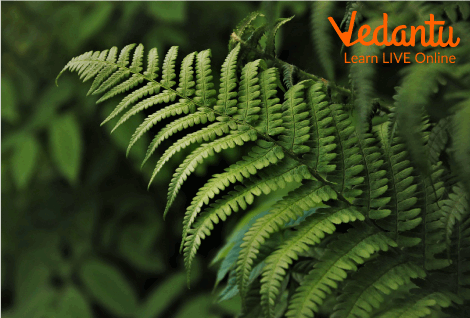
Boston Fern
Outdoor Ferns
Large, striking outdoor ferns provide porches, decks, and terraces with personality and charm.
Ostrich Ferns: With fronds that frequently reach a length of five feet, this is one of the tallest and most impressive outdoor fern species.
Japanese Ferns: This fern's tapering fronds only reach a maximum length of 18 inches, and they have lovely purple and silver mixtures.
Australian Tree Fern: As its name suggests, this plant is truly a tree that typically reaches heights of approximately 30 feet, with fronds that measure 8 feet in length and stems that are around 6 inches in circumference.
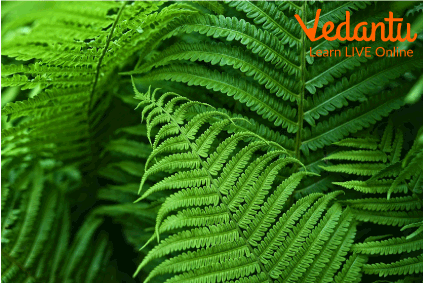
Australian Tree Fern
Points to Remember
There are indoor and outdoor varieties of ferns, which are among the planet's oldest surviving plants.
These typically have fronds (leaves) that flow and drape, giving a garden or indoor environment a dramatic touch.
The Java Fern is a great complement to the freshwater aquarium with plants.
Do It Yourself
1. What are fronds?
A.The "stem" of the ferns.
B.The "leaves" of the fern.
2. Which of the following do ferns make to aid in reproduction?
A.Seeds
B.Spores
C.Rhizomes
D.Fronds
Sample Questions
1.The leaves of ferns are called_________.
Ans: The stem of a fern leaf is known as the stipe or petiole, and the leaves are sometimes referred to as fronds.
Hence, the leaves of ferns are called fronds.
2. Ferns reproduce using ____.
Ans: Ferns sexually reproduce via spores rather than through flowers.
Hence, ferns reproduce using spores.
Summary
Any of the about 10,000–15,000 species of non-flowering vascular plants (class Polypodiopsida) with real roots, stems, and complex leaves that reproduce via spores. Ferns may be found in a broad range of forms and sizes. Many are tiny, delicate plants, while others resemble trees. Ferns are frequently used by people as garden and home decor. Ferns are consumed by animals like deer, and some birds utilise them as nest linings.
FAQs on Types of Fern
1. What are ferns and how are they classified in the plant kingdom?
Ferns are a group of non-flowering plants belonging to the division Pteridophyta. A key characteristic of ferns is that they possess a true vascular system (xylem and phloem), which distinguishes them from non-vascular plants like mosses. They have well-defined roots, stems (often underground rhizomes), and large, complex leaves known as fronds. Ferns reproduce using spores, not seeds.
2. What are the four major classes used to group ferns?
Based on modern botanical classification, ferns (Pteridophytes) are generally divided into four main classes. The main types of ferns include:
- Psilotopsida: Includes whisk ferns and ophioglossoid ferns, which are considered ancient lineages.
- Equisetopsida: This class contains the horsetails, which are known for their jointed, hollow stems.
- Marattiopsida: A group of tropical ferns that are typically large and have fleshy rhizomes.
- Polypodiopsida: This is the largest group, containing over 90% of all known fern species, often referred to as the 'true ferns' or leptosporangiate ferns.
3. Can you provide examples of different types of ferns and their typical habitats?
Ferns are incredibly diverse and adapt to various environments. Some common examples include:
- Boston Fern (Nephrolepis exaltata): A popular indoor houseplant with long, feathery fronds that thrives in humid, low-light conditions.
- Maidenhair Fern (Adiantum): Known for its delicate, fan-shaped leaflets on dark, wiry stems, it prefers very moist, shady areas like near waterfalls.
- Staghorn Fern (Platycerium): An epiphytic fern, meaning it grows on other trees or objects. It has two types of fronds: one that anchors it and another that produces spores.
- Ostrich Fern (Matteuccia struthiopteris): A large fern found in temperate regions, often in outdoor gardens. It has distinct, feather-like fronds resembling an ostrich plume.
4. How do ferns reproduce without having flowers or seeds?
Ferns exhibit a life cycle called alternation of generations, which involves two distinct phases. The familiar leafy plant is the sporophyte, which produces spores in clusters called sori on the underside of its fronds. These spores are released and germinate into a tiny, heart-shaped structure called a prothallus (the gametophyte stage). The prothallus produces both male and female reproductive cells. Fertilisation requires water for the male gametes to swim to the female gametes, which then develops into a new sporophyte, completing the cycle.
5. What is the ecological importance of ferns in an ecosystem?
Ferns play a significant role in their ecosystems. They act as pioneer species, colonising new or disturbed land and helping in soil formation. Their root systems help prevent soil erosion, especially on hillsides. As primary producers, they form the base of many food webs and provide shelter for small animals and insects. Some fern species are also used in traditional medicine and as bio-indicators of environmental health.
6. What is the primary difference between a fern and a moss?
The most important difference between ferns and mosses lies in their internal structure. Ferns are vascular plants, meaning they have specialised tissues (xylem and phloem) to transport water and nutrients. This allows them to have true roots, stems, and leaves and grow to a much larger size. In contrast, mosses are non-vascular plants (Bryophytes) and lack this transport system, which is why they are typically small and must live in very damp environments to absorb water directly.
7. Why are most fern species found in damp, shady environments?
The dependence of ferns on moist habitats is directly linked to their method of reproduction. The male reproductive cells (gametes) produced by the gametophyte (prothallus) are flagellated, meaning they have whip-like tails. They need a thin film of water to be able to swim to and fertilise the female egg. Without sufficient moisture, this critical step of sexual reproduction cannot occur. This biological requirement restricts most fern species to environments with high humidity and shade, which helps retain moisture.
