







Why Are Plants Important? Key Facts Every Student Should Know
The study of plants is called botany in scientific terms. Plant belongs to one of the five big groups of living things. Plants are autotrophs, autotrophs are those organisms which make their own food with the help of sunlight and water. The size of plants varies from a small plant called watermeal to the largest plant called redwood. Different shapes, sizes, and colours of different plants are found in different regions of the world. Plants are the basic unit of life on earth because they provide oxygen and consume carbon dioxide. They generate food for animals and humans. Species of plants include herbs, shrubs, bushes, grasses, trees, green algae, ferns, etc.
Plant Facts for Kids
Plants are classified as living organisms, living organisms are those organisms which are made up of cells and perform certain activities for their survival. The parts of the plant are stems, leaves, roots, and flowers. Different parts of plants perform different work like roots transport water and nutrients from the soil to stem and then stem further transport water and nutrients to different parts of plant and leaves take sunlight from Sun which is used in making food. 2,00,000 plant species are found on earth.
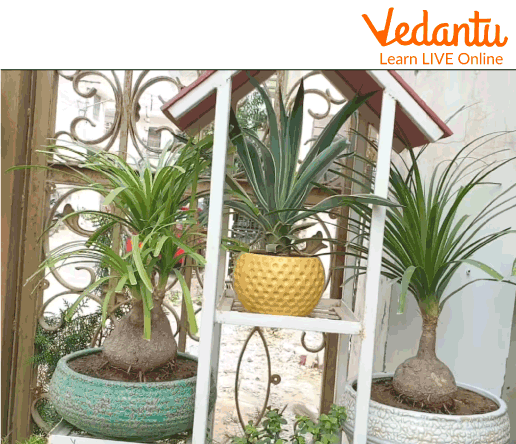
Different Plant Species
Plant Information for Kids
Plants are very important for life on earth because the oxygen we breathe is provided by the plant and the food we eat is also provided by the plant. If plants are not present on the earth, life on the earth becomes difficult. We get food, fruit, medicine, wood, and shelter from plants. Almost 95% of our needs are fulfilled by the plants only. Plants grow from seeds from other plants.
Illustrating the Importance of Plants
Science Facts about Plants
Plants make their own food by the process of photosynthesis. Plants use sunlight, water, and carbon dioxide to make food by the process of photosynthesis. Plants convert sunlight into chemical energy which is used in making food.
A lot of plant species are used for medicinal purposes.
Humans need oxygen to breathe and release carbon dioxide while plants need carbon dioxide to breathe and release oxygen, so both plants as well as humans are necessary for each other.
Roots of plants transfer water and nutrients from the soil to the plant.
Stem in plants used to transport water and nutrients in different parts of the plant.
Leaves are used for taking light from the Sun which is used in the process of photosynthesis.
Some plants are poisonous. By touching some plants, we get rashes on our skin.
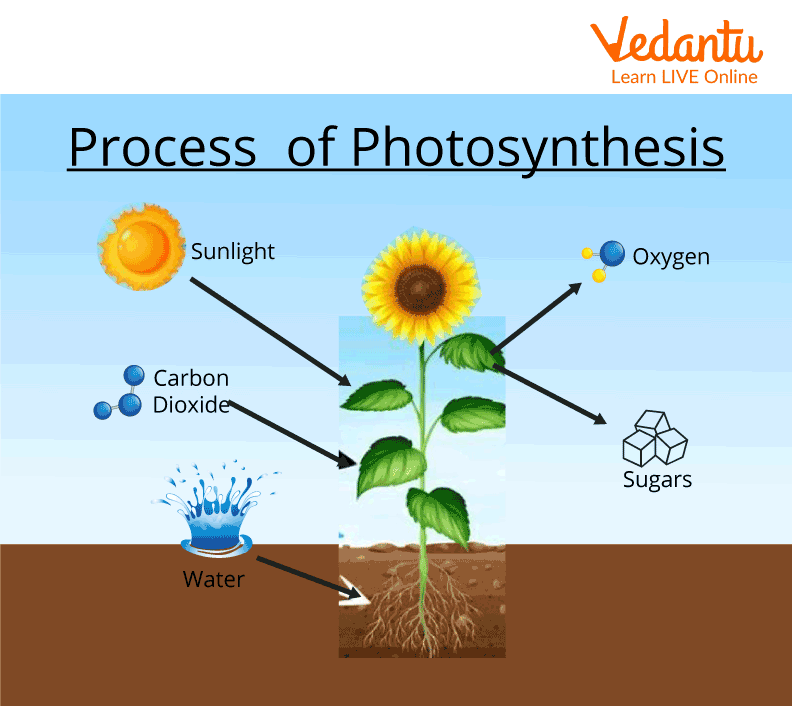
Process of Photosynthesis
Amazing Plant Facts
In this article, we learned that plants are heterotrophs which make their own food as well as food for animals and humans but you know that some plants are Carnivorous. Carnivorous are those organisms which eat other living things like insects and meat, so some plants eat insects as their food.
About two lakh different plant species are found on earth.
Some plants try to defend themselves by injecting poisonous fluid whenever they are touched.
Honey bees help plants in pollination. Pollination is the transfer of pollen grains from another to female stigma.
Almost 85% of plant species are found in oceans.
The food humans eat comes from just about 30 plants.
Plants can feel and smell.
A plant called bamboo can grow up to 1 metre in one day.
The country called Brazil gets its name from the Brazilwood tree.

Bamboos
Summary
In this article, we learnt some interesting facts about plants. Plants are very essential for life on Earth. Plants provide us food, fodder, shelter, and oxygen. Almost 2 lakhs pieces of plant I found on earth out of which 85% of species are found in oceans. Plants are used for most medicinal purposes. Plants are autotrophs which make their own food and also provide food to other living organisms.
FAQs on Fascinating Facts About Plants for Kids
1. What are the most important things a plant needs to grow?
For a plant to grow healthy and strong, it needs four main things from its environment. These are:
- Sunlight: To get the energy to make its own food.
- Water: To help move nutrients from the soil up to its leaves.
- Air: Specifically, a gas called carbon dioxide, which it uses in the food-making process.
- Soil: To hold its roots in place and provide essential nutrients.
2. How exactly do plants make their own food?
Plants are amazing because they don't need to eat like we do. They make their own food using a process called photosynthesis. Inside their leaves, they use the energy from sunlight to combine water (from the soil) and carbon dioxide (from the air) to create a type of sugar for energy. This process also releases the oxygen that we need to breathe.
3. What are the main jobs of a plant's roots?
A plant's roots have two very important functions. First, they act like an anchor, holding the plant securely in the ground so it doesn't get blown away by the wind. Second, they work like straws to absorb water and nutrients from the soil, which are then transported to the rest of the plant.
4. Why are plants so essential for life on Earth?
Plants are vital for almost all life, including humans. They give us the oxygen we breathe, provide us with food like fruits and vegetables, and give us materials like wood for building homes and making furniture. They also provide shelter and food for countless animals.
5. What is the main difference between a big tree and a small herb?
The biggest difference is in their stems. A tree has a hard, thick, woody stem called a trunk, which allows it to grow very tall and live for many years. An herb, like mint or basil, has a soft, green, and flexible stem and is much smaller in size.
6. Why do many plants have such bright and colourful flowers?
The bright colours and sweet scents of flowers serve an important purpose: to attract helpers like bees and butterflies. When these insects visit for nectar, they get covered in a yellow powder called pollen. They then carry this pollen to another flower, which helps the plant create seeds for new plants to grow.
7. Can you share an amazing fact about the biggest plant in the world?
While the Giant Sequoia is the biggest single tree by volume, the largest known living organism on Earth is actually a plant called Pando. It is a giant forest of quaking aspen trees in Utah, USA, that looks like many individual trees but is actually connected by a single, massive root system, making it one giant plant!
