








Fun ways to measure length in cm and m for Year 2 students
Length activities for year 2 help to teach kids to calculate the length of any object. However, before trying different activities based on length, let us know what length is? Length is a physical dimension or measurement. It measures the distance from one point to another point. The distance can also be measured in terms of length. We can use a ruler or measuring tape to measure the length of objects.
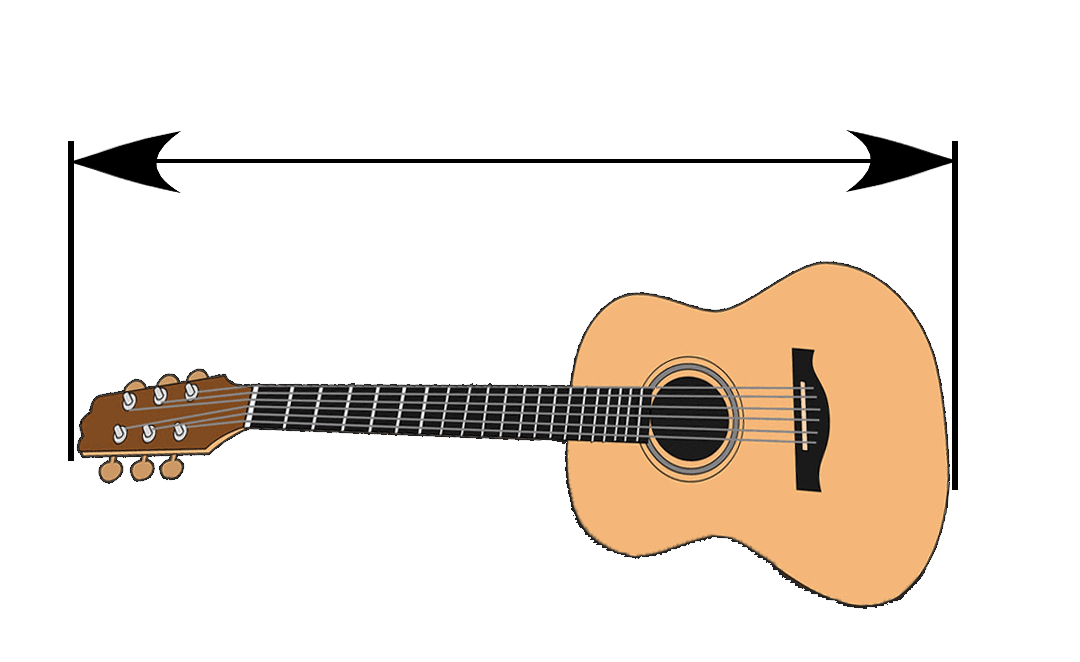
The length of this guitar is one metre.
What are the Different Units used to Measure Length?
The unit used to measure the length of small objects is centimetre (cm). For example, pencil, postcard, notebook, etc.
The unit millimetre (mm) is also used to measure the length of smaller objects or distances. Remember, 1 mm is equal to 0.1 cm.
The unit used to measure objects of long length is metre (m). For example, the length of a table, the length of a cupboard, etc.
Longer distances are measured in kilometres (km). For example, the distance between two cities.
An inch is also a unit for measuring the length of objects. Remember, 1 inch is equal to 2.54 cm.
Measuring Length Activities for Year 2
Let’s learn to measure the length with fun activities.
Use Cube or Block to Measure Body Parts
Kids are always enthusiastic to know the length of their body parts like legs, hands, fingers, arms, etc. Now, you can ask your kid to measure how long their legs, hands, fingers, and arms are using different cubes or blocks. With this, they will be able to know how many long cubes their legs, hands, fingers, and arms are.
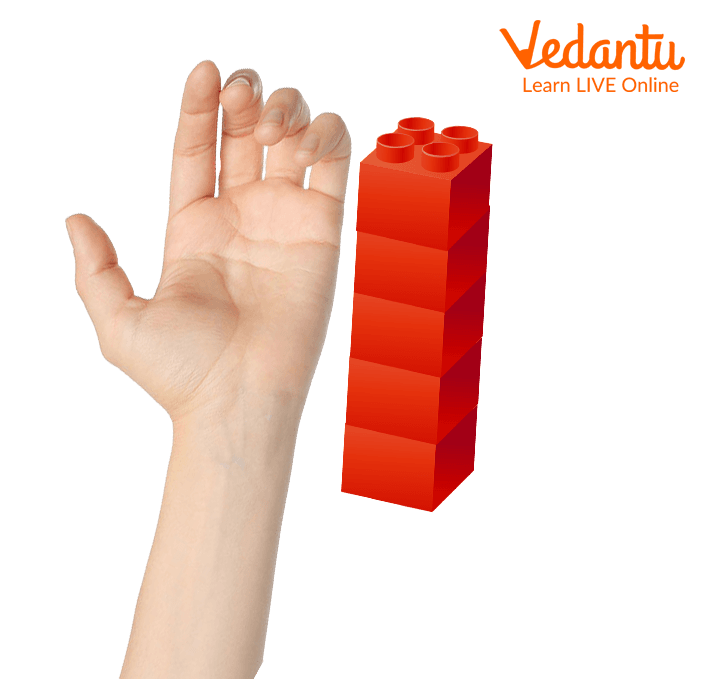
Measure the length using cubes or blocks
Comparison
Comparison is another way to ask kids to measure the length of different objects. Set a handful of objects of different lengths in front of the kids and ask them to arrange the objects according to their length.
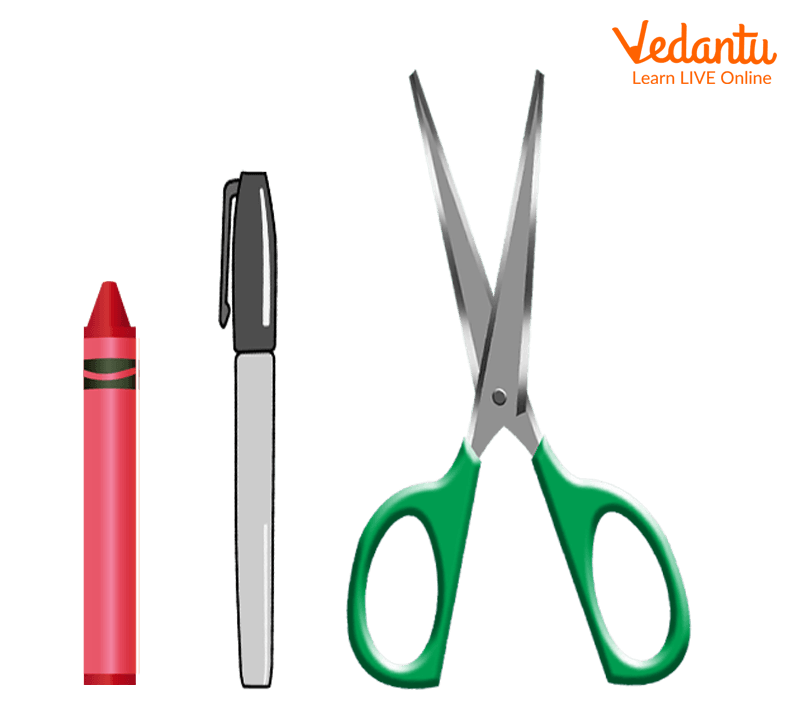
Measure the length using small objects
Using a Textbook and Ruler
This is a fun way to help your child to know what length is. Hand over different size textbooks to your kid and ask your child to measure how long the textbooks are using a ruler. Also, ask your child to record measurements of different textbooks in cm or inches.
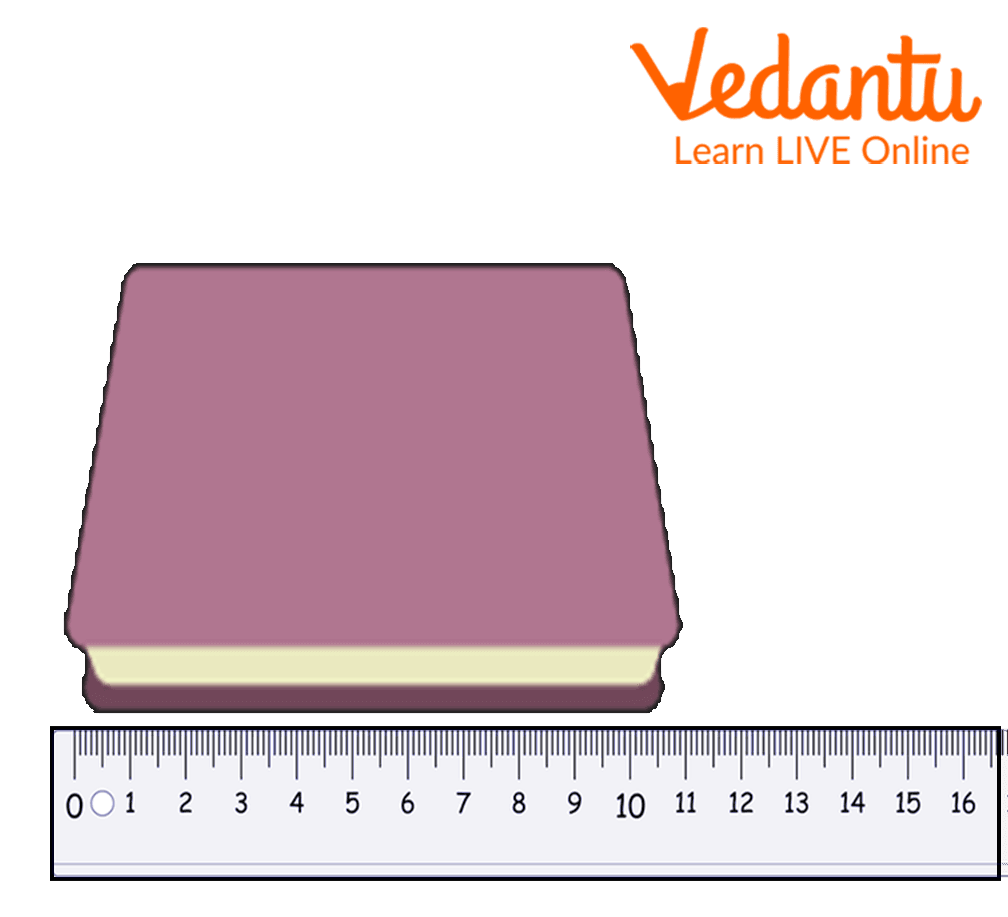
Measure the length using a textbook
Using String to Measure the Length of a Curved Line
You can ask your child to measure the length of a curved line using string. Ask your child to place a string along a curved line and tell him to mark the ending points of a curved line on the string. Now, ask your child to place a string on the ruler and measure the length of a string between marked points.
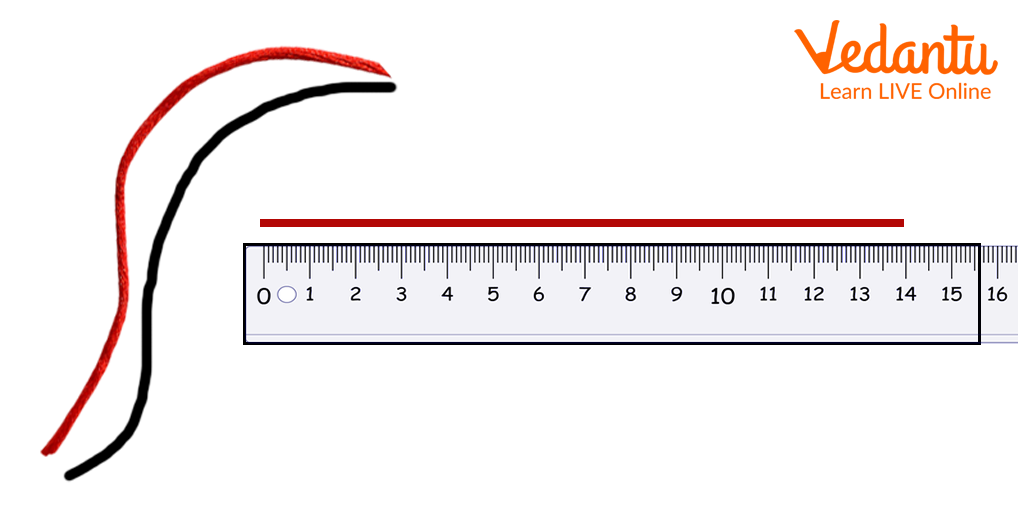
Measure the length using a string
Using Pipe Cleaners
The best idea to teach your kid what length is to cut the pipe cleaners of random lengths. Handover the pipe cleaners of different lengths to your kid and ask to measure their length. Also, ask your child to record the length of each pipe cleaner in inches and centimetres.
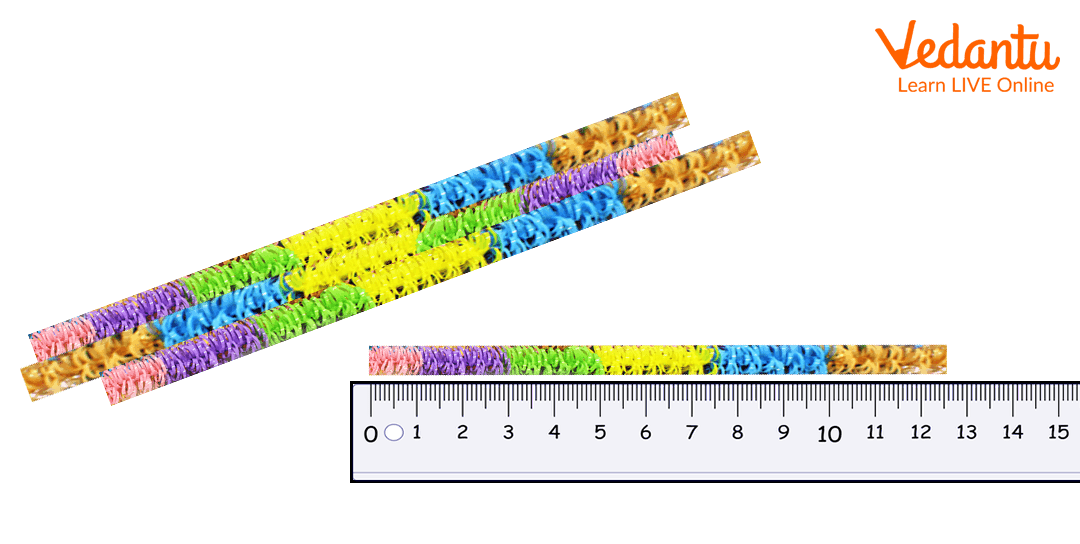
Measure the length using pipe cleaners
Practice Length Questions for Year 2
Calculate the length of your notebook in cm.
Calculate your hand length using cubes.
Conclusion
In short, length is defined as the measurement of something from one end to another end. To enable kids to understand length, encourage them to measure the size of an object around the house or classroom using feet, hands, candies, magnetic tiles, cubes, blocks, buttons, etc.
FAQs on Length Activities and Measurement Practice for Year 2
1. What is length in Year 2 Maths?
Length is the measurement of how long or tall something is. In Year 2 Maths, children learn to measure and compare lengths using standard units.
- Length tells us the distance from one end of an object to the other.
- It can be measured in centimetres (cm) and metres (m).
- Example: A pencil might be 15 cm long.
2. What units are used to measure length in Year 2?
In Year 2, length is mainly measured in centimetres (cm) and metres (m).
- Centimetres are used for small objects like books or pencils.
- Metres are used for longer distances like the length of a classroom.
- 1 metre = 100 centimetres.
3. How do you measure length correctly?
To measure length correctly, place the object at 0 on a ruler and read the number at the other end.
- Line up one end of the object with 0, not the edge of the ruler.
- Keep the ruler straight.
- Read the number where the object ends.
4. How do you compare lengths in Year 2?
You compare lengths by measuring objects and using words like longer, shorter, and equal.
- Measure both objects using the same unit (e.g., cm).
- Compare the numbers.
- The bigger number means the object is longer.
5. How do you convert metres to centimetres?
To convert metres to centimetres, multiply the number of metres by 100.
- 1 m = 100 cm
- 2 m = 2 × 100 = 200 cm
- 5 m = 5 × 100 = 500 cm
6. How do you add and subtract lengths?
You add or subtract lengths by calculating the numbers and keeping the same unit.
- Example addition: 12 cm + 7 cm = 19 cm
- Example subtraction: 20 cm − 8 cm = 12 cm
- Make sure both measurements use the same unit before calculating.
7. What are some fun length activities for Year 2?
Fun length activities for Year 2 include measuring real objects and solving practical problems.
- Measure classroom items with a ruler.
- Order objects from shortest to longest.
- Estimate a length before measuring.
- Solve simple length word problems.
8. What is the difference between centimetres and metres?
The difference between centimetres and metres is that a metre is much longer, and 1 metre equals 100 centimetres.
- Centimetres (cm) measure smaller lengths.
- Metres (m) measure longer distances.
- 100 cm = 1 m.
9. How do you estimate length in Year 2?
Estimating length means making a sensible guess before measuring.
- Look at the object carefully.
- Think about similar objects you have measured before.
- Decide if it is closer to 10 cm, 20 cm, 1 m, etc.
10. What are common mistakes when measuring length?
A common mistake when measuring length is not starting at 0 on the ruler.
- Starting at the edge instead of 0.
- Using different units without converting.
- Reading the wrong number mark.
