







Key Benefits of Learning About Skating Types
Before discussing the types of skating, let us discuss what skating is. In the sport of skating, skates with bladelike runners or wheels connected to them are worn to glide over ice or other surfaces. It is the activity of moving skates. It is done for fun or as time passes, but sometimes, skating is a passion.
The US and Russia are the countries with the most participants overall; Asia is where ice skating popularity is at its highest. Speed skating, figure skating, and ice dancing are all forms of skating in addition to being an important winter activity and a necessary ability in the game of ice hockey (see hockey, ice). The Winter Olympic Games now include all three of these.

Skating
What is Skating?
Skating involves any sports or recreational activity which consists of travelling on surfaces or ice using skates. For example, ice skating, roller skating, etc. Below is the image showing the picture of skating shoes.
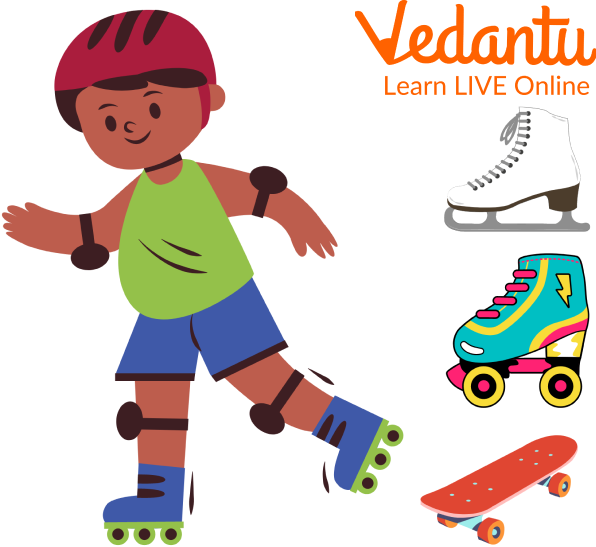
Skating
How Many Types of Skating are there?
The three main types of skating are ice, roller, and Artistic skates. The earliest type of skating is ice skating. Ice hockey is a team sport that also requires skating. The wheels of roller skates replace the blades. Roller dancing, figure skating, and speed skating are indoors on hardwood, plastic-coated tracks. They move more quickly than standard roller skates.
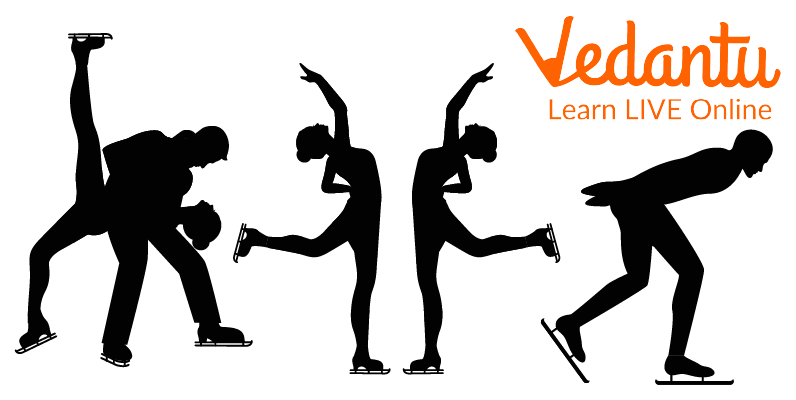
Types of Skating
Artistic skates are similar to figure skating or ice skating, so if you’ve seen any of these, artistic skating is not far-fetched. Artistic skates are created with the old fashion style of silhouette, which is basically what comes to your mind when you think of roller skate.
Types of Skating Shoes
Following are the types of skating shoes:
Speed Skates
Due to their design and intended use for speed, these skates are particularly well-liked. Low-cut shoes (boots) on speed skates have a tennis shoe-like fit.
Outdoor Skates
These skates are purely intended for outdoor use. Outdoor skates are available with either low-top or high-top boots, and the wheels are made especially for skating outside over uneven terrain.
Indoor Skates
Skating in a room (sometimes referred to as artistic skates, recreational skates, or traditional skates). These are conventional skates that can be used for rhythm skating, creative dancing (similar to ice skating but using wheels instead of a blade), and skating in a skating rink.
Roller Derby Skates
Roller Derby is a competitive sport that has been around since the 1930s and is currently on the rise. These quad skates are made to withstand the trauma of playing the sport.
Kids Skates
Kids' skates are skates made specifically for little skaters. They have a great design but aren't made to move as quickly as other skates. It helps in aiding skating for kids as it is very comfortable.
Types of Skating on Ice
Following are the types of skating on ice:
Figure Skating
Ice skating has a subset called figure skating, in which individuals, couples, or groups perform on figure skates.
Speed Skating
It is believed that speed skating first emerged in the Netherlands, Northern Europe, and Scandinavia. Ice skaters compete against one another over a set distance in speed skating, a competitive sport. The three main varieties are long-track speed, short-track, and marathon speed skating.
Short Track Skating
It is a form of competitive ice speed skating. Many skaters skate on an oval ice track. The length of the track is 111.111 metres.

Skating on Ice
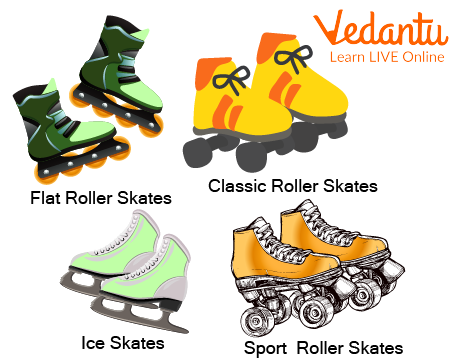
Types of Skating Shoes
Benefits of Skating
Skating engages almost all of the body's muscle groups, and gliding calls for coordinated leg action, which is crucial for joint flexibility. The muscles in the legs and abdomen are also strengthened. Skating for kids has also proved to be very much beneficial.
A good pair of skates is essential. Renting skates is a wonderful option if you're unsure whether skating will become a regular hobby. You can test out several sizes, and the rental skates are of great quality. Along with your skates, pack a pair of gloves to protect your hands in case you fall, warm, moveable clothing, and, if you like, pads and a helmet. In this article, we have discussed how many types of skating are there and also provided a picture of skating for better clearance.
Summary
Skating is a sport where participants use wheels or runners with blades to glide on ice or other surfaces. See speed skating, roller skating, ice hockey, and figure skating. It engages almost all of the body's muscle groups and helps strengthen the muscles. Hence, skating is not just a type of game it is a type of workout also. Everyone should go skating to keep themself healthy and fit. There are so many modes of skating you can choose whatever you like.
FAQs on Types of Skating Explained for Kids
1. What are the main health benefits of skating for children?
Skating offers numerous health benefits for kids. It is a full-body workout that improves cardiovascular health by getting the heart pumping. The gliding motion enhances joint flexibility and strengthens key muscle groups, including the legs and abdomen. Additionally, skating helps develop better balance and coordination, which are crucial for a child's physical development.
2. What is the best age for a child to start learning how to skate?
While there is no strict rule, most experts suggest that children can start learning to skate between the ages of 3 and 5. At this stage, they have developed the basic motor skills and balance needed to stand and move on skates. Starting early helps build confidence, but it's important to ensure the child shows interest and is equipped with proper safety gear.
3. What are the main types of skates available for kids?
The two primary types of skates for children are:
- Quad Skates: Also known as roller skates, these have two wheels in the front and two in the back, offering a stable base that is often easier for beginners.
- Inline Skates: Commonly called rollerblades, these feature three to five wheels arranged in a single line. They allow for greater speed and manoeuvrability, making them popular for outdoor skating and more advanced skaters.
4. Does skating help in increasing a child's height?
No, skating does not directly affect or increase a child's final height. A person's height is primarily determined by genetics, followed by factors like nutrition and overall health during their growing years. While skating is an excellent physical activity for building strong muscles and bones, it does not influence how tall a child will grow.
5. What essential safety gear should a child always wear while skating?
Safety is the top priority when skating. To prevent injuries, a child should always wear a complete safety kit, which includes:
- A properly fitting helmet to protect the head.
- Knee pads to shield the knees from falls.
- Elbow pads to protect the elbows.
- Wrist guards to support and protect the wrists during a fall.
6. How can I help my child learn to balance on skates for the first time?
To help your child learn, start on a soft surface like grass or a carpet, which prevents the wheels from rolling too fast. Encourage them to stand up straight with their feet shoulder-width apart and knees slightly bent. You can have them practise marching in place to get used to the feel of the skates before trying to glide forward. Holding their hand for support initially can also build their confidence.
7. How does the act of skating improve a child's balance and coordination?
Skating fundamentally challenges the body's stability. To stay upright, a child must constantly make small adjustments, which strengthens their core and activates the neuromuscular system. The brain learns to coordinate the movements of the legs, arms, and torso to maintain balance while in motion. This process of dynamic balancing significantly improves their overall coordination, which is beneficial for other sports and daily activities.
8. What is the difference between indoor and outdoor skating for kids?
The main difference lies in the surface and environment. Indoor skating usually takes place in a roller rink with a smooth, polished floor, which is ideal for beginners as it provides a predictable and controlled setting. Outdoor skating occurs on pavements, parks, or trails, which can have cracks, bumps, and uneven surfaces. It requires more skill to navigate and typically uses skates with harder wheels designed to handle rougher terrain.
