







Essential Terms and Fascinating Traditions of Rainforest Tribes
Have you ever come across the word rainforest? The word rainforest comprises two words, ‘rain’ and ‘forest’, but what exactly is the definition of this word, and who lives in this forest? How do people in the rainforest look? All these questions seem to be very exciting but have you ever thought about what a rainforest looks like?
Rainforests are home to thousands of flora and fauna. In this article, we will also have a look at some amazing rainforest pictures, and we will learn about the various types of tribes which reside here. So, let’s dive in and discuss rainforests in detail.
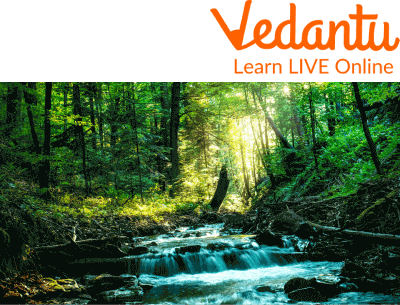
Rainforest
What is a Rainforest?
Rainforests can be defined as tall, dense forests that receive a lot of heavy rainfall throughout the year. Rainforests are full of biodiversity meaning they have different species of plants and animals that live in them. All the trees in the rainforest are evergreen, that is they grow throughout the year.
As the name explains the meaning of it is “rainforest” i.e. rain + forests.
These are, thus, thick forests in wet areas and have lots of plants so they are a great source of medicines as we contain medicines from the rainforest.
Rainforest Tribes
Rainforests are not just homes for animals and plants but also humans living in rainforests. Many people live in rainforests, and they are called rainforest tribes. People who live in the rainforests have their houses built up high on stilts. No matter how hard the conditions are or danger is there to live in a rainforest but still rainforest tribes survive to manage.
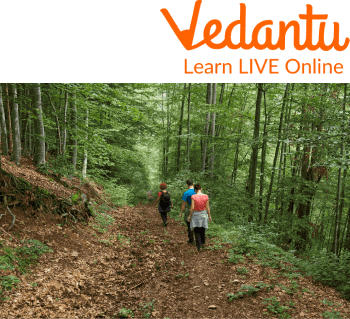
People in the Rainforest
Every tribe that lives in rainforests is different as all the tribes have their traditions and rituals, which they pass from one generation to another, so every tribe is unique. Some examples of tribal people are as follows:
The Yanomami people in the Amazon Rainforest are one of the well know tribal people who live in the amazon rainforest, these are the largest isolated tribal people with around 30,000-40,000 people still living within the rainforest.
The Tupi was one of the largest tribes of people who lived in Brazil.
The Kayapo are the tribal people who live in Brazilian parts of the Amazon Rainforests.
People in rainforests mostly live high up in the trees in an area called the canopy. People live over there and they do different kinds of jobs Such as some people are farmers, river people, cattle ranchers.
The people who live in rainforests make their houses with the help of wood, leaves, sticks, bamboo and even straw. They grow different kinds of plants for food and medicine.
Amazon Rainforest Tribes Facts
There are around 400 tribes that live in the Amazon Rainforest.
The many tribes of the Amazon are very diverse in culture and language there are about 180 different languages spoken.
As many of these tribes do not have proper medical care so they die sooner due to diseases such as malaria, and malnutrition.
Women have the responsibility of doing household chores whereas men do hunting.
Rainforest Tribe Kids
Although they don’t watch TV, use the Internet, or play video games, kids in the rainforest do play with friends, help their families with chores, and go to school. As the kids of rainforests live in nature and are very close to nature so they adapt to the things from the environment and they learn automatically different things to survive. From a very early age the kids of the tribe learn how to hunt they learn French fishing, and they learn how to collect food.
Summary
From the article rainforest people, we have learnt about people in the rainforests and a lot about the Amazon Rainforest. Rainforests are Earth's oldest living ecosystems and play a vital role as are an important part of an ecosystem. Rainforests are called the lungs of the community as they are full of nature and they also help us to provide oxygen.
Apart from this rainforests also stabilise climate, house incredible amounts of plants and wildlife, and produce nourishing rainfall all around the planet. Moreover, these forests are known for their massive trees and a high amount of rainfall.
FAQs on Facts About Rainforest Tribes: Concepts & Insights
1. Who are the people of the rainforest?
People living in rainforests are often referred to as indigenous tribes or native communities who have lived in harmony with the forest for thousands of years. Well-known examples from the Amazon rainforest include tribes like the Yanomami, Kayapo, and the Tukano. These groups possess a deep, traditional knowledge of the forest's plants and animals, which is essential for their survival.
2. What is the main occupation of the people in the Amazon rainforest?
The primary occupations of people in the Amazon rainforest are hunting, fishing, and a specific type of farming. Men typically undertake hunting and fishing expeditions along the rivers. Women are primarily responsible for farming and managing the crops. They practice a method known as 'slash and burn' agriculture to cultivate their food.
3. What type of houses do people in the Amazon rainforest live in?
People in the Amazon rainforest traditionally live in distinctive houses called “Malocas”. These are large, apartment-like dwellings with steeply slanting thatched roofs that help shed the heavy rain. A single Maloca is large enough to house several families, who share the common living space. They are constructed entirely from materials found in the forest, like wood, bamboo, and palm leaves.
4. What are the main crops grown by the people in the rainforest?
Rainforest people cultivate crops that thrive in the tropical climate. Their staple foods include:
- Manioc: A root vegetable, also known as cassava, which is a primary source of carbohydrates.
- Tapioca
- Pineapple
- Sweet Potato
In addition to these, they also grow cash crops like coffee, maize, and cocoa, which can be sold or traded.
5. How have the lives of rainforest people changed in modern times?
The traditional lifestyle of rainforest people is undergoing significant change due to increased contact with the modern world. The construction of infrastructure like the Trans-Amazon highway has made previously remote areas accessible. This has led to many indigenous people migrating to cities for work, leaving their traditional occupations. This development has also unfortunately accelerated deforestation, threatening the very environment these communities depend on.
6. Why do rainforest people practice 'slash and burn' agriculture?
Rainforest people practice 'slash and burn' agriculture because it is a highly effective method for farming in a forest environment with nutrient-poor soil. First, they clear a small plot by cutting down trees and bushes. This vegetation is then burned. The resulting ash is rich in nutrients and acts as a natural fertiliser for the soil. This makes the land fertile for a few years. When the soil's fertility declines, the tribe moves to a new plot, allowing the old one to regenerate naturally over many years.
7. What is the importance of the rainforest to the people who live there versus its importance to the world?
For the indigenous people, the rainforest is their complete world—it serves as their home, pharmacy, and source of all food. It provides shelter, materials for tools, and a vast array of traditional medicines. For the rest of the world, rainforests hold a different but equally vital importance. They are known as the 'lungs of our planet' because they generate a massive amount of Earth's oxygen and absorb harmful carbon dioxide, helping to regulate the global climate. They also harbour immense biodiversity, which is a key source for new medicines and scientific discovery.
8. How do the different layers of the rainforest affect the daily lives of the people?
The distinct layers of the rainforest directly shape the lifestyle of its inhabitants. The forest floor is where people build their homes and cultivate crops in cleared areas. The understory and canopy layers act as a rich pantry, providing a variety of fruits, nuts, and medicinal plants, as well as being the habitat for animals they hunt. The dense canopy also functions as a giant umbrella, protecting them from constant heavy rainfall and the intense equatorial sun.
