







What Are Polar Animals Types Habitats and Key Adaptations
The word “polar” means an area of or near the North Pole or South Pole. Polar region animals are found in the Arctic and Antarctic regions. Here, the Arctic region is a polar region located at the northernmost part of the Earth. However, the Antarctic continent is the fifth-largest and the Earth’s southernmost continent that is situated almost entirely south of the Antarctic Circle and surrounded by the Southern Ocean, it contains the geographic South Pole.
Polar animals are found in both of these regions and the category of each animal varies in these two. We will discuss the polar animals' names in both the Arctic and the Antarctic circle separately along with their appearance.
What are the Arctic Regions?
Talking about the Arctic region, it has the following salient features:
The Arctic is featured in cold winters and cool summers.
The precipitation mostly comes in the form of snow and is low, with most of the area receiving less than 50 cm (20 in).
High winds help in stirring up snow, thereby creating the illusion of continuous snowfall.
Average winter temperatures can go as low as − 40°C (− 40°F), and the coldest average temperature goes around − 68°C (− 90°F).
Lastly, coastal Arctic climates are lessened by oceanic influences, having generally warmer temperatures and heavier snow falls than the colder and drier interior areas.
The Arctic regions comprise the following:
The Arctic Ocean,
Adjacent seas,
Parts of Alaska (United States),
Canada,
Finland,
Greenland (Denmark),
Iceland,
Norway,
Russia, and
Sweden.
Land within this region has seasonally varying snow and ice cover, with mainly treeless permafrost (permanently frozen underground ice) containing tundra.
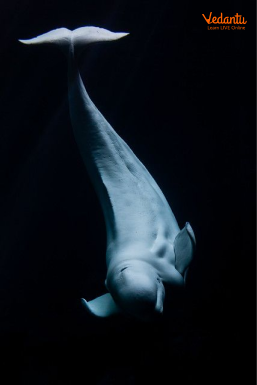
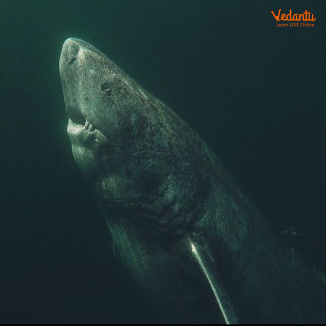
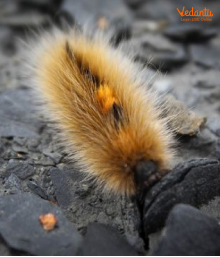
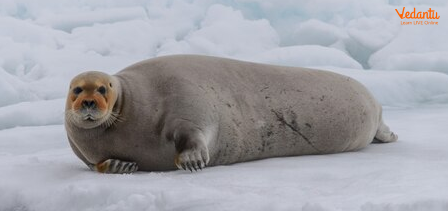
Polar Animals in the Arctic Circle
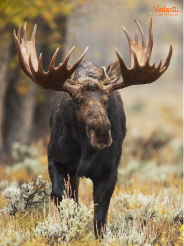
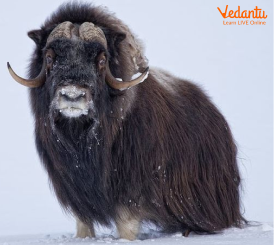
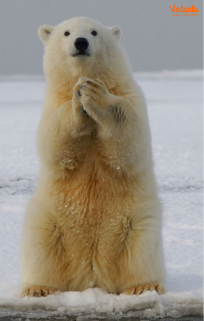
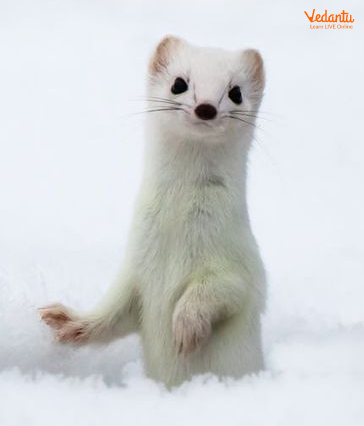
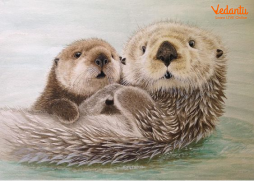
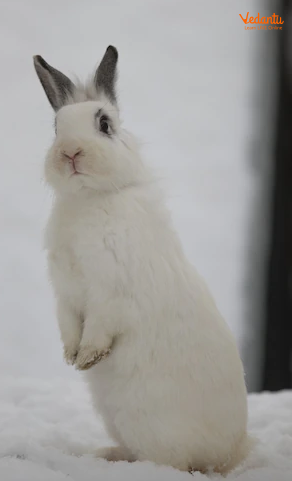
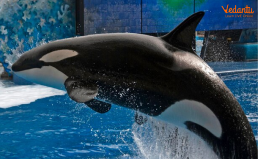
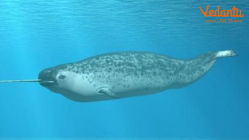
Below is a list of the Arctic Animals that are predominant in the Arctic Circle:
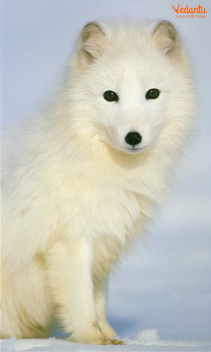
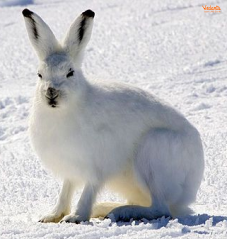
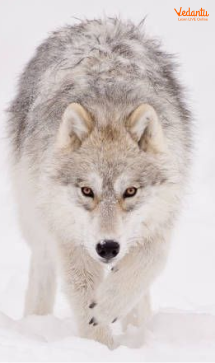
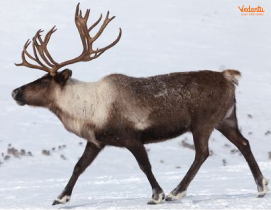
What Are the Antarctic Regions?
The Antarctica Circle is on average the coldest, driest, and windiest of all the continents and has the highest average elevation. It has the following salient features:
The region is mainly a polar desert, with annual precipitation of 200 mm (8 in) along the coast and far less inland.
About 70% of the world's freshwater reserves are frozen there, which if melted would raise global sea levels by over 60 metres (200 ft).
The Antarctic Circle holds the record for the lowest measured temperature on Earth, which is around − 89.2 °C (−128.6 °F).
Native species of animals include mites, nematodes, penguins, seals, and tardigrades. Vegetation consists of tundra.
Countries in the the Antarctic Region
The countries in the Antarctic region are given below:
Argentina,
Australia,
Belgium,
Chile,
France,
Japan,
New Zealand,
Norway,
South Africa,
The U.S.S.R. (Russia),
The United Kingdom, and
The United States
Antarctic Circle Animals List ‒ South Pole
The table below shows the polar animals found in the Antarctic region of the South Pole.
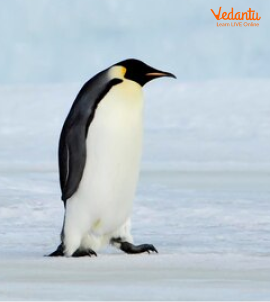
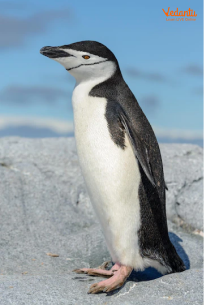
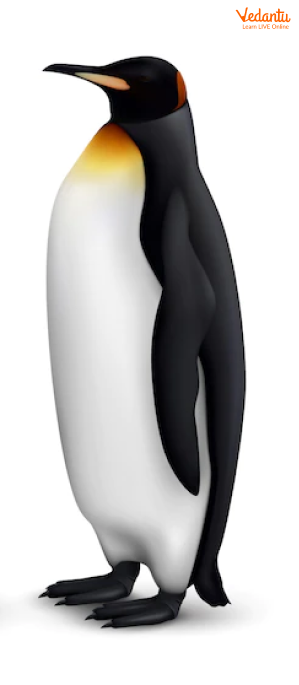
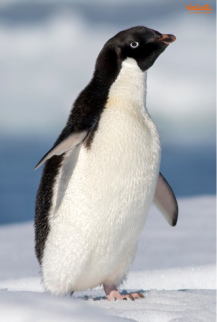
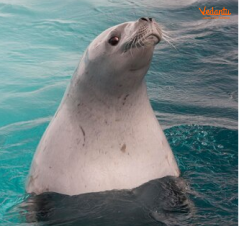
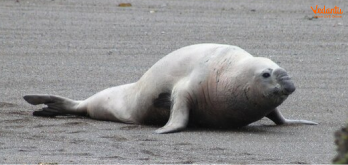
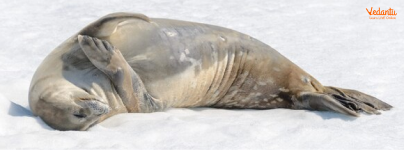
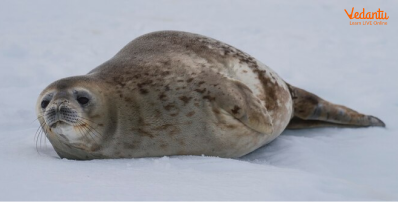
This was all about the names of countries in the Arctic and the Antarctic regions. Also, we studied the various polar animal names in both of these regions separately. Going through the table, you can see the names along with their appearances. See how many you know or can identify. If you wish to read more information about such interesting topics, check out the plethora of articles for kids on our website.
FAQs on Polar Animals Guide to Arctic and Antarctic Wildlife
1. What are polar animals?
Polar animals are animals that live in the Arctic and Antarctic regions, where temperatures are extremely cold and ice covers much of the land and sea. These animals are specially adapted to survive freezing climates and limited food sources.
- Found in the Arctic (North Pole) and Antarctic (South Pole)
- Adapted to snow, ice, and cold oceans
- Examples include polar bears, penguins, seals, and Arctic foxes
2. What animals live in the Arctic?
The Arctic is home to animals such as polar bears, Arctic foxes, walruses, seals, and snowy owls. These Arctic animals are adapted to cold weather and icy habitats.
- Polar bear – top predator of the Arctic
- Arctic fox – changes fur color with seasons
- Walrus – has long tusks and thick blubber
- Snowy owl – white feathers for camouflage
3. What animals live in Antarctica?
Antarctica is mainly home to penguins, seals, and whales, as no land mammals like polar bears live there. These Antarctic animals survive in icy seas and extreme cold.
- Emperor penguin – the largest penguin species
- Weddell seal – lives on sea ice
- Blue whale – feeds in Antarctic waters
4. What is the difference between Arctic and Antarctic animals?
The main difference is that Arctic animals live in the North Pole region, while Antarctic animals live in the South Pole region. Each region has unique species and ecosystems.
- Polar bears live only in the Arctic
- Penguins live only in Antarctica
- The Arctic has land and indigenous people; Antarctica has no permanent human population
5. How do polar animals survive in extreme cold?
Polar animals survive extreme cold through thick fur, blubber, and behavioral adaptations that conserve heat. These features protect them from freezing temperatures.
- Blubber (a thick layer of fat) insulates the body
- Dense fur or feathers trap warm air
- Huddling together reduces heat loss
6. What do polar animals eat?
Most polar animals eat fish, seals, krill, and other marine life because food sources mainly come from the ocean. Their diets depend on their position in the food chain.
- Polar bears hunt seals
- Penguins eat fish and krill
- Arctic foxes eat small mammals and birds
7. Why are polar animals white?
Many polar animals are white because white fur or feathers provide camouflage in snow and ice. This adaptation helps them hide from predators or sneak up on prey.
- Polar bears blend into snowy landscapes
- Arctic hares change color in winter
- Camouflage increases hunting and survival success
8. Are polar animals endangered?
Yes, some polar animals are endangered or threatened due to climate change and melting ice. Loss of sea ice affects their hunting and breeding grounds.
- Polar bears are listed as vulnerable
- Melting ice reduces habitat
- Pollution and overfishing also impact food supply
9. What adaptations do penguins have for polar life?
Penguins have thick feathers, a layer of blubber, and strong flippers that help them survive in Antarctic conditions. These adaptations protect them from freezing temperatures and icy waters.
- Waterproof feathers keep their bodies dry
- Blubber provides insulation
- They huddle together to stay warm
10. Why are polar animals important to the ecosystem?
Polar animals are important because they maintain the balance of the polar ecosystem and food chain. Each species plays a role in regulating populations and supporting biodiversity.
- Predators like polar bears control seal populations
- Krill support whales, seals, and penguins
- Healthy polar ecosystems indicate global environmental health
