









What Are The Basic Steps To Start And Use A Computer Properly
Operating a computer is a fundamental skill in today’s digital world. From students attending online classes to professionals working in offices, everyone needs to understand how to start, use, and shut down a computer properly. Learning how to operate a computer in computer science helps users understand the basic functioning of hardware and software components. It also ensures safe usage, prevents data loss, and improves efficiency. This guide explains the correct steps to turn on, use, and turn off a computer system in a simple and structured manner.
Definition and Meaning
How To Operate A Computer refers to the correct process of starting, using, and shutting down a computer system safely and efficiently. It involves interacting with hardware devices and the operating system.
- Booting - The process of starting a computer.
- Login - Accessing the system using a username and password.
- Desktop - The main screen displayed after logging in.
- Shutdown - Properly turning off the computer system.
How To Operate A Computer - Working Principle
The working of a computer system begins with supplying power to its components and allowing the operating system to load into memory. After booting, the user can interact with programs through input devices such as a keyboard and mouse. Finally, the system must be shut down properly to prevent data loss.
- Turn on the Main Power Switch

This supplies electricity to the computer system. - Switch on the UPS
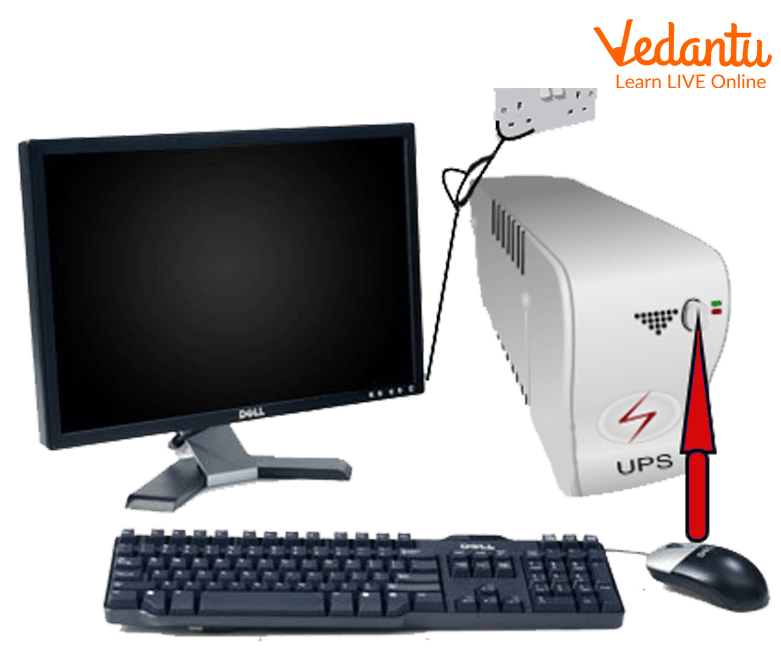
The UPS provides backup power during voltage fluctuations or power cuts. - Turn on the CPU

The CPU starts processing and loads the operating system. - Switch on the Monitor

The monitor displays the system output. - Login Screen

Enter username and password to access the system. - Desktop Page
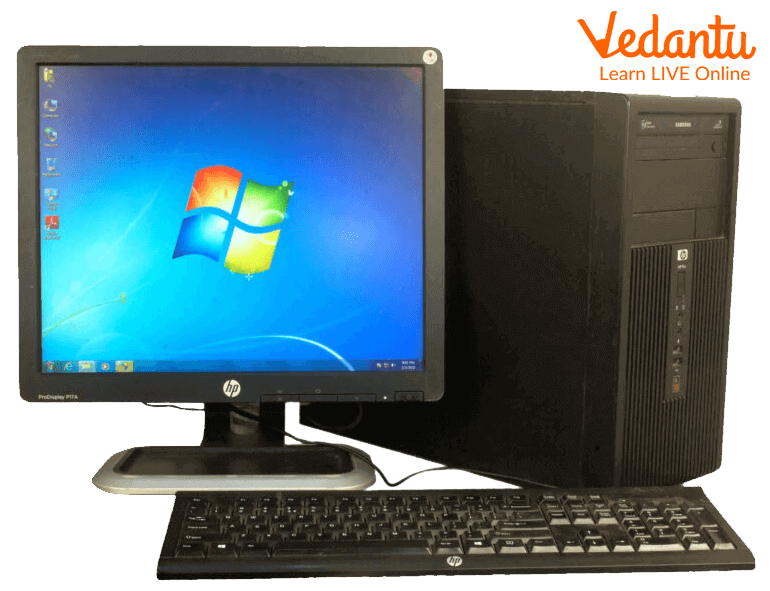
The desktop appears after successful login.
Steps to Shut Down the Computer Properly:
- Click the Windows Button
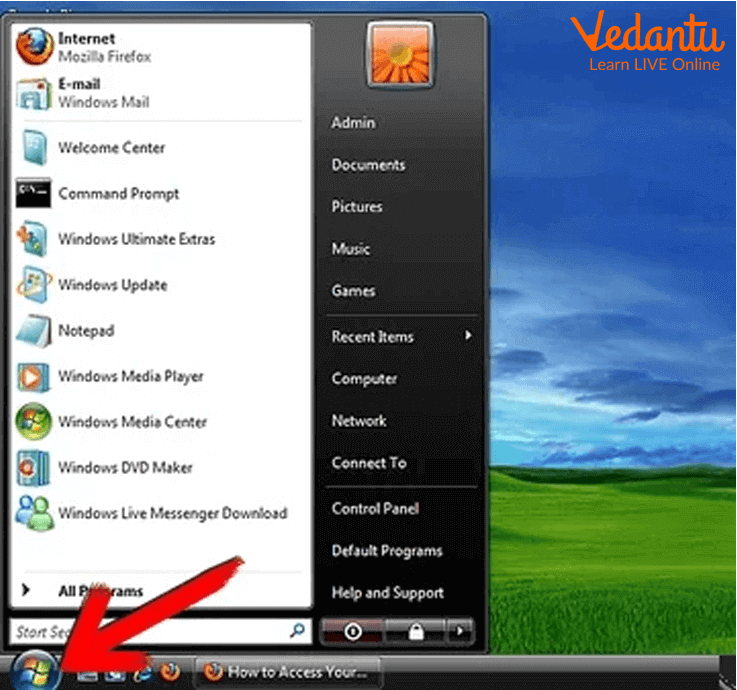
- Select the Power Button
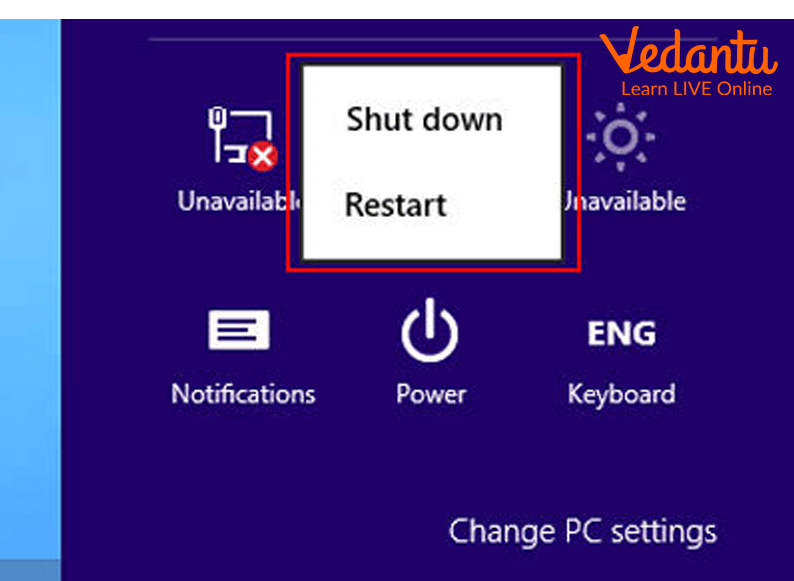
- Choose Shutdown Option

- Switch Off the Monitor

- Turn Off the UPS

- Turn Off the Main Power Switch
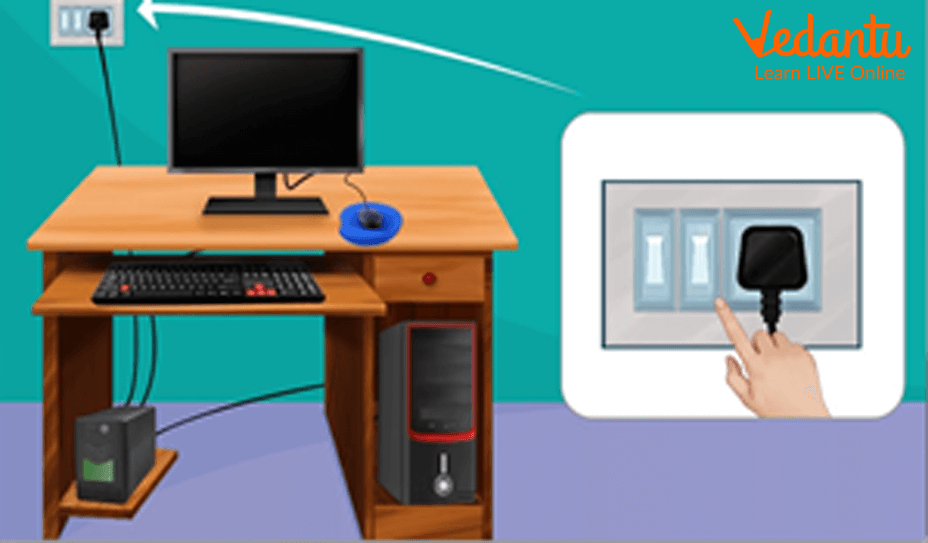
Components Involved in Operating a Computer
- Main Power Supply - Provides electricity to the system.
- UPS - Protects against sudden power failures.
- CPU Cabinet - Contains processor, RAM, motherboard, and storage devices.
- Monitor - Displays visual output.
- Keyboard and Mouse - Input devices for user interaction.
- Operating System - Software that manages hardware and software resources.
Features and Characteristics
- Simple and step based process.
- Requires interaction between hardware and software.
- Includes booting and shutdown procedures.
- Ensures safe data handling.
- Prevents system damage when followed correctly.
Advantages
- Prevents data loss.
- Increases system lifespan.
- Ensures safe power management.
- Improves user efficiency.
Disadvantages / Limitations
- Improper shutdown can cause data corruption.
- Power failure without UPS may damage hardware.
- Requires basic technical understanding.
Applications and Use Cases
- Educational institutions for online learning.
- Offices for document preparation and communication.
- Banks and businesses for data management.
- Home use for entertainment and browsing.
Quick Facts About How To Operate A Computer
| Aspect | Details |
|---|---|
| Category | Computer Fundamentals |
| Involves | Hardware and Software |
| Main Processes | Booting, Login, Usage, Shutdown |
| Used For | Daily Computer Operations |
These quick facts summarize the essential aspects of how to operate a computer in computer science.
Interesting Facts About How To Operate A Computer
- The term booting comes from bootstrap process.
- Modern computers complete booting within seconds due to SSD storage.
- Improper shutdown can damage the file system.
- UPS devices protect computers from voltage fluctuations.
- Operating systems manage all hardware interactions automatically.
- Regular updates improve system stability and performance.
Conclusion
Understanding how to operate a computer is a basic yet essential skill in computer science. It involves proper booting, login, system usage, and safe shutdown procedures. Following the correct steps protects hardware components, prevents data loss, and ensures smooth performance. Whether for education, office work, or personal use, knowing the correct way to operate a computer helps users work efficiently and safely in the digital environment.
FAQs on How To Operate A Computer For Beginners And Students
1. What does it mean to operate a computer?
To operate a computer means to use its hardware and software components to perform tasks such as typing, browsing, programming, and managing files.
- Involves interacting with the operating system like Windows, macOS, or Linux
- Uses input devices such as keyboard and mouse
- Runs applications like word processors, browsers, and coding tools
2. What are the basic components required to operate a computer?
Operating a computer requires essential hardware components and system software to function properly.
- CPU for processing instructions
- RAM for temporary memory
- Storage such as HDD or SSD
- Input devices like keyboard and mouse
- Operating system to manage hardware and software
3. How do you start and shut down a computer properly?
Starting and shutting down a computer properly ensures safe system operations and prevents data corruption.
- Press the power button to boot the system
- Wait for the operating system to load
- Use the Shut Down option from the system menu instead of turning off power directly
4. What is the role of an operating system in operating a computer?
An operating system (OS) manages hardware, software, memory, and processes, allowing users to operate a computer efficiently.
- Controls CPU scheduling and memory management
- Manages files and storage systems
- Provides user interface like GUI or command line
5. How do input and output devices help in operating a computer?
Input and output devices enable communication between the user and the computer system.
- Input devices such as keyboard, mouse, and scanner send data to the computer
- Output devices like monitor and printer display or produce results
- Essential for executing programs and applications
6. What are the basic steps to use common computer applications?
Using common applications involves launching software, performing tasks, and saving work through the operating system interface.
- Open programs like MS Word, Excel, or a web browser
- Create, edit, and save files using menu options
- Close applications properly to free system resources
7. How can beginners operate a computer safely and securely?
Safe computer operation requires following basic cybersecurity and system maintenance practices.
- Install and update antivirus software
- Use strong passwords and enable firewall
- Avoid downloading files from untrusted sources
8. What are the common file management operations in a computer?
File management involves organizing and handling digital data stored in a computer system.
- Create, rename, copy, move, and delete files
- Use folders and directories for organization
- Understand file extensions like .txt, .docx, and .exe
9. What basic computer skills are important for exams and interviews?
Basic computer skills are essential for school exams, competitive exams, and technical interviews.
- Understanding hardware and software concepts
- Knowledge of operating systems and file systems
- Basic use of MS Office, internet, and email
- Fundamentals of programming and data handling
10. What are the advantages of knowing how to operate a computer?
Knowing how to operate a computer improves productivity, technical skills, and career opportunities in the digital world.
- Enables use of software applications for work and study
- Supports learning in areas like programming, web development, and data analysis
- Essential for jobs in IT, business, education, and government sectors
