









What Are The Key Features And Components Of Windows 10
Fundamentals of Windows 10 in computer science refer to the basic concepts, features, and working principles of the Windows 10 operating system developed by Microsoft. Windows 10 is widely used in homes, schools, offices, and industries for performing daily computing tasks. Understanding its structure, components, and functionalities helps students learn how operating systems manage hardware, software, files, and user interaction. A strong foundation in Windows 10 is essential for beginners in computer studies as it builds practical knowledge about graphical user interfaces, file management, system settings, and multitasking.
Definition and Meaning
Fundamentals of Windows 10 definition refers to the study of the core concepts and features of the Windows 10 operating system. It explains how the system interacts with users and manages computer resources.
- Operating System - System software that manages hardware and software resources.
- Graphical User Interface (GUI) - Allows users to interact using icons, windows, and menus.
- Start Menu - Central hub for accessing programs and settings.
- Taskbar - Displays running applications and system notifications.
- File Explorer - Tool used to manage files and folders.
How It Works / Working Principle
Fundamentals of Windows 10 working explain how the operating system starts, manages processes, and enables user interaction through a graphical interface.
- Booting - When the computer is turned on, Windows 10 loads into memory.
- User Login - The user signs in using a password, PIN, or biometric authentication.
- Desktop Interface - The desktop, taskbar, and icons appear for interaction.
- Process Management - The system allocates CPU and memory resources to applications.
- File and Device Management - Windows manages storage devices, printers, and other hardware.
- System Services - Background services ensure security, networking, and updates.
Types and Classification
Windows 10 is available in different editions designed for various user needs.
- Windows 10 Home - For personal and home use.
- Windows 10 Pro - Includes advanced features for professionals and small businesses.
- Windows 10 Enterprise - Designed for large organizations with enhanced security features.
- Windows 10 Education - Tailored for academic institutions.
Components and Structure
The main components of Windows 10 help users interact efficiently with the system.
1. Desktop
The main screen where icons, files, and shortcuts appear.
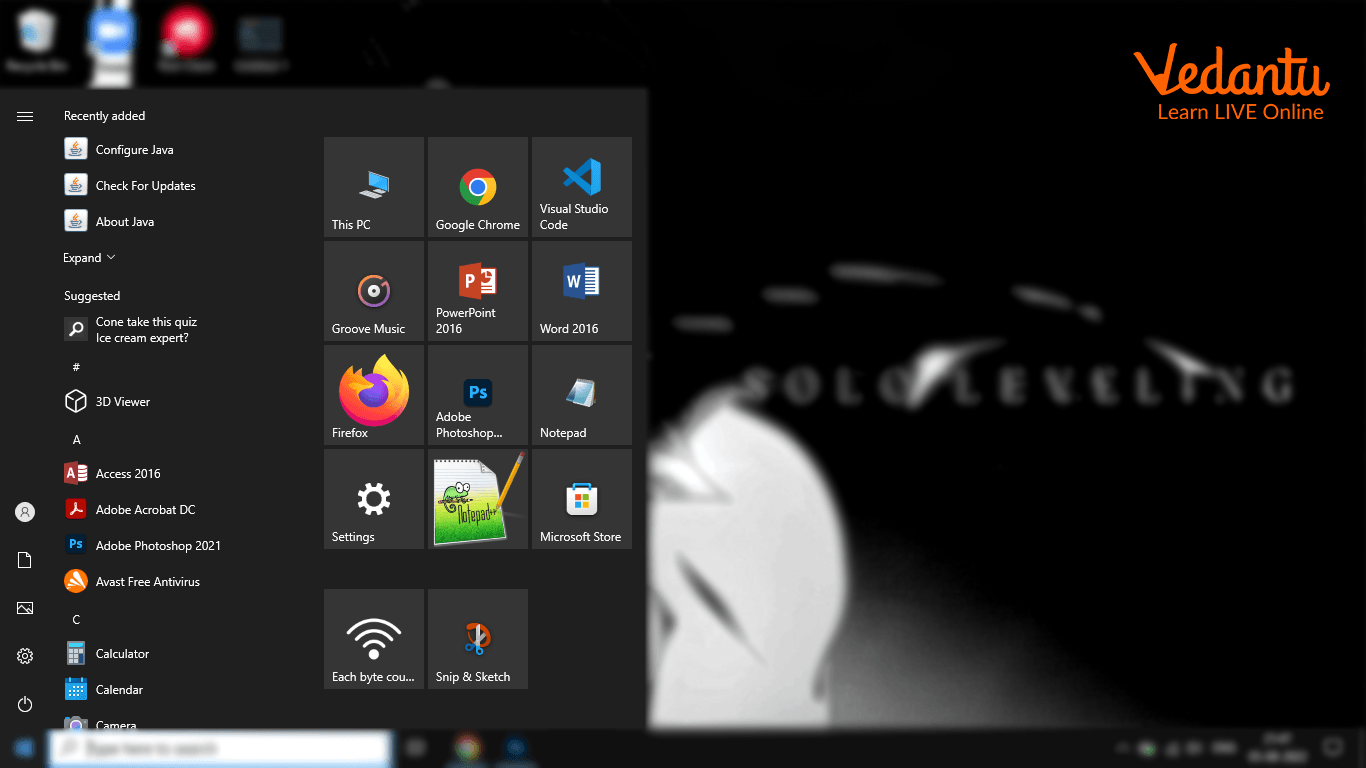
2. Start Menu
Provides access to apps, power options, and settings.
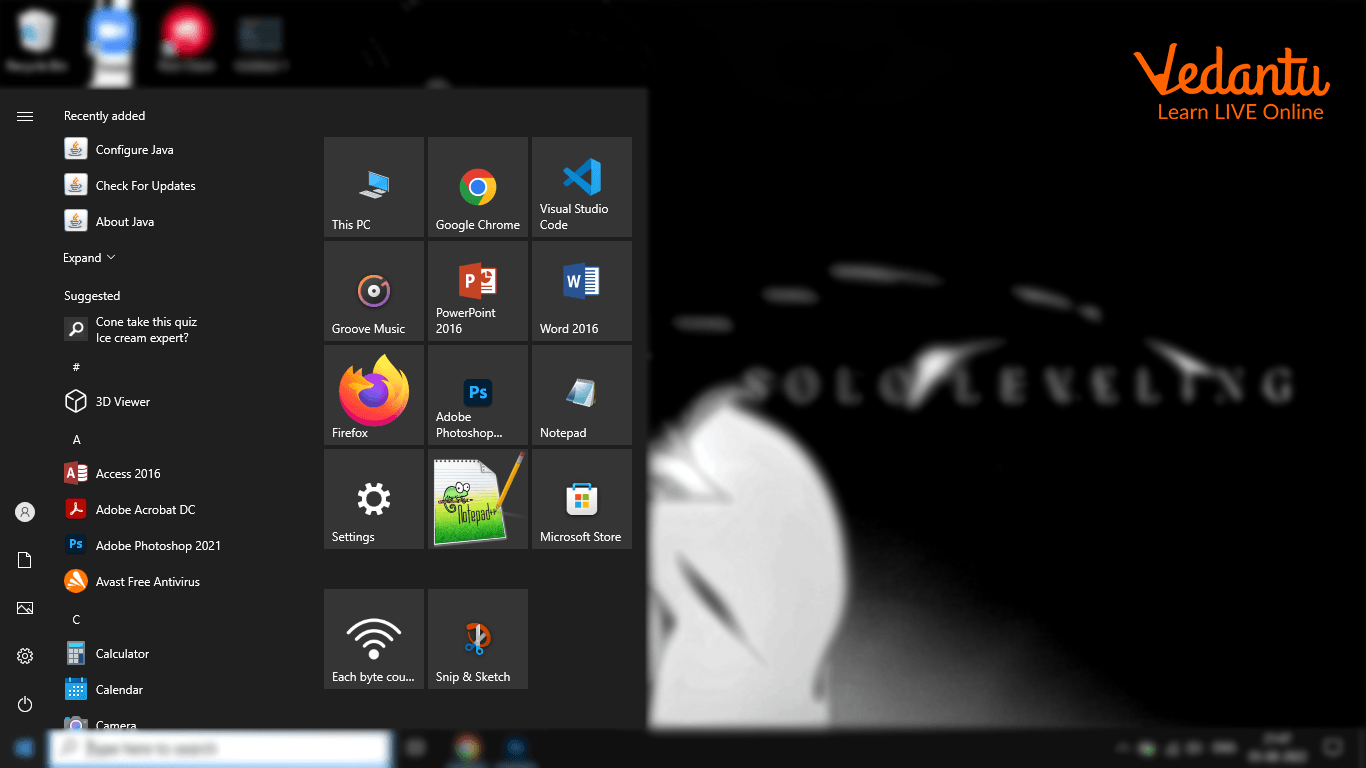
3. Taskbar
Located at the bottom of the screen, showing open programs and system tray icons.
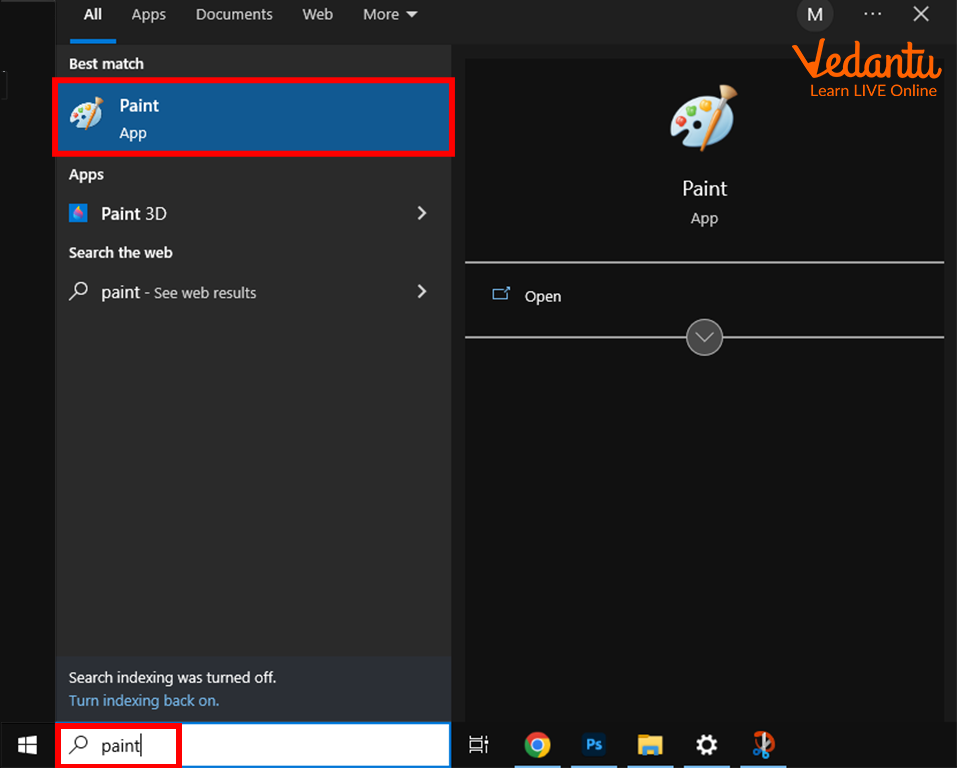
4. Search Bar
Used to quickly find files, folders, and applications.
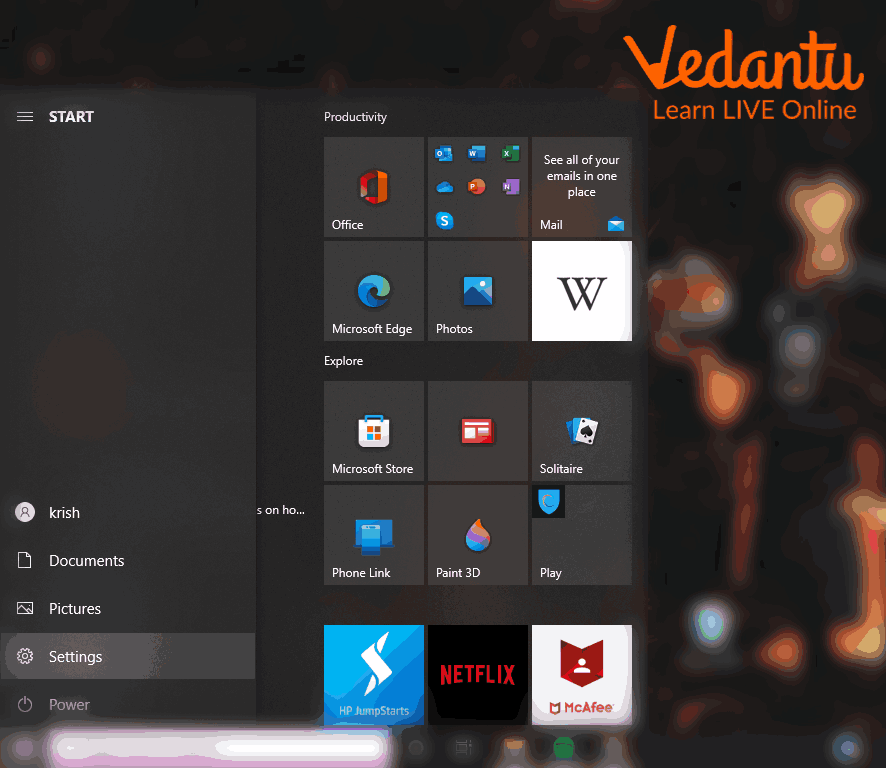
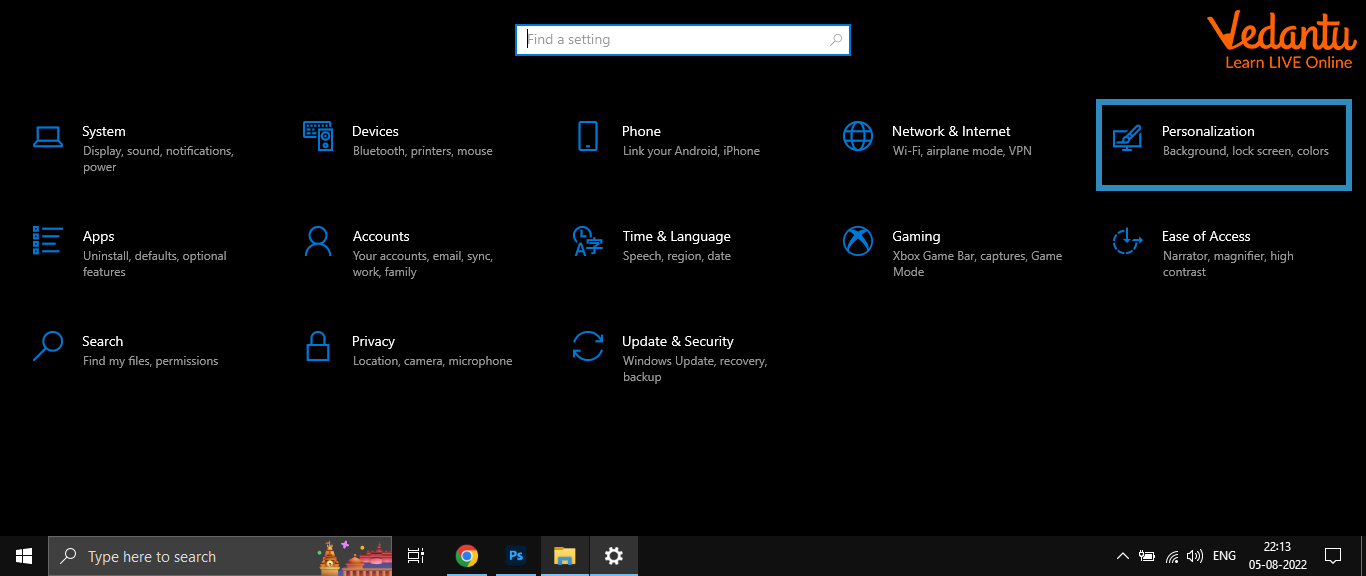
5. Settings App
Allows customization of system preferences.
6. Personalization Options
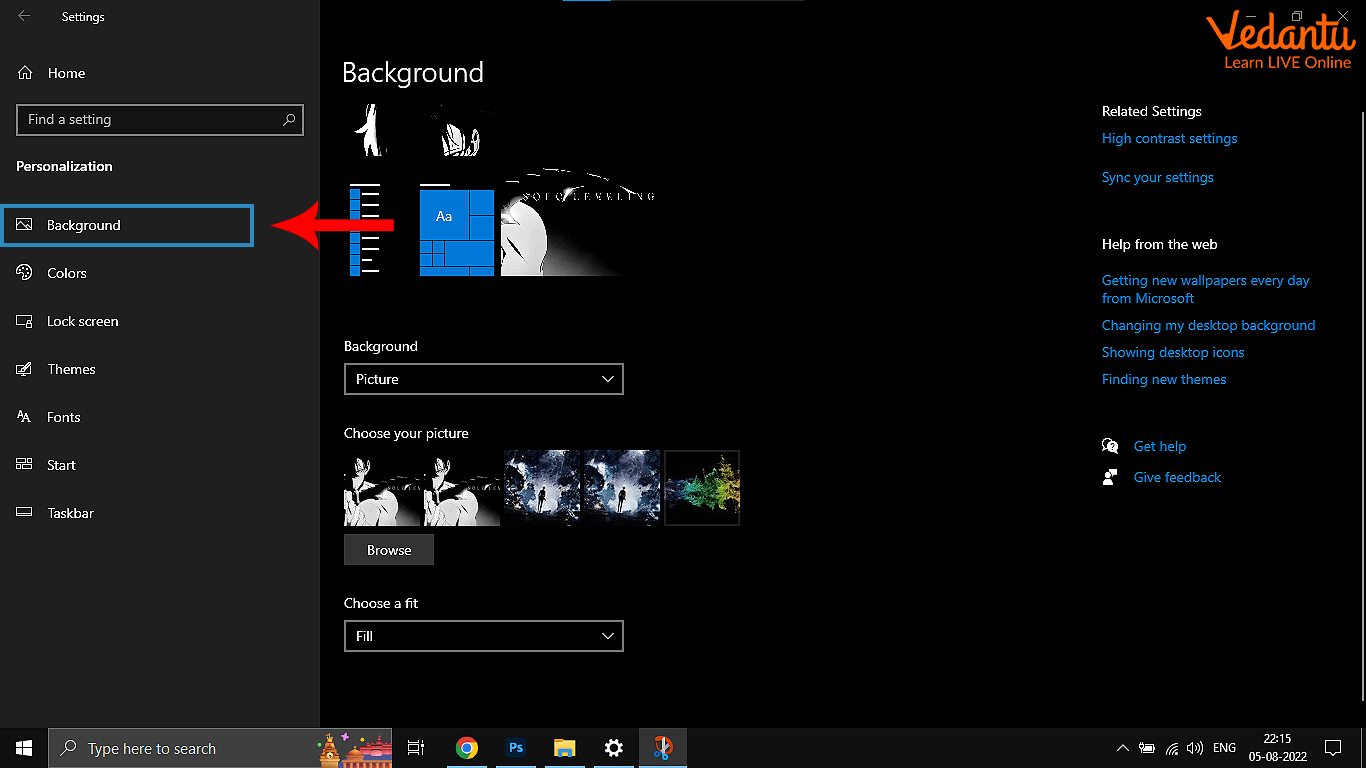
7. Background Settings
8. Microsoft Edge Browser

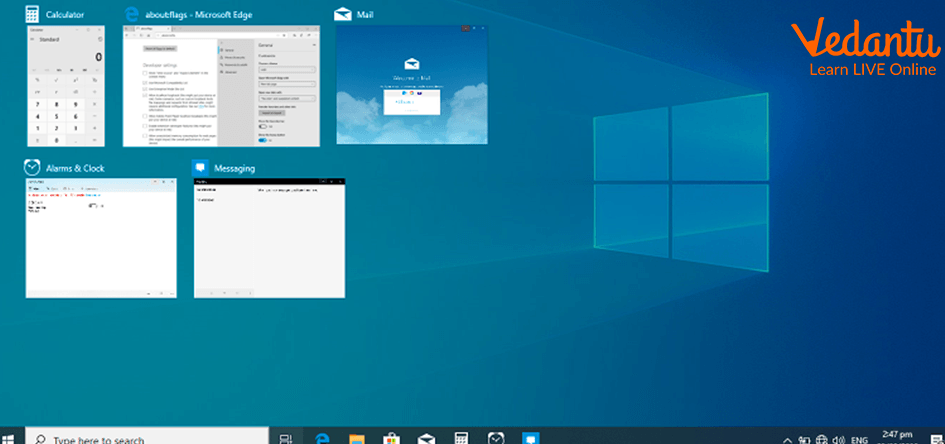
9. Virtual Desktops
10. Xbox App

Features and Characteristics
- User Friendly GUI for easy interaction.
- Multitasking with Task View and virtual desktops.
- Integrated Search for quick file access.
- Built in Security including Windows Defender.
- Microsoft Edge Browser for web browsing.
- Automatic Updates for system improvements.
Advantages
- Easy to use interface suitable for beginners.
- Wide compatibility with software and hardware.
- Strong security and regular updates.
- Support for multitasking and productivity tools.
Disadvantages / Limitations
- Frequent updates may interrupt work.
- Requires higher system resources compared to older versions.
- Some advanced features are available only in Pro or Enterprise editions.
Applications and Use Cases
- Educational institutions for teaching and learning.
- Business environments for office applications.
- Software development and programming tasks.
- Gaming and multimedia entertainment.
- Internet browsing and online communication.
Quick Facts About Windows 10
| Property | Details |
|---|---|
| Developed By | Microsoft |
| Initial Release | 2015 |
| Type | Operating System |
| Platform Support | PC, Laptop, Tablet |
| Latest Major Version | Windows 10 22H2 |
| Used For | Personal and Professional Computing |
These quick facts highlight essential information about Windows 10 and its importance in modern computing environments.
Interesting Facts About Windows 10
- Windows 10 combines features of Windows 7 and Windows 8.
- It introduced virtual desktops for improved multitasking.
- The Start Menu returned in Windows 10 after being removed in Windows 8.
- It includes a built in digital assistant called Cortana.
- Windows 10 supports touch screen devices.
- It receives regular security and feature updates.
Conclusion
Understanding the Fundamentals of Windows 10 helps students learn how an operating system controls hardware, runs applications, and provides a user friendly interface. Windows 10 remains one of the most widely used operating systems in education, business, and personal computing. By mastering its features, components, and working principles, learners build a strong foundation in computer science and gain practical skills necessary for everyday digital tasks.
FAQs on Fundamentals Of Windows 10 for Beginners and Students
1. What is Windows 10 in Computer Science?
Windows 10 is a graphical operating system developed by Microsoft that manages computer hardware and software resources. It acts as an interface between the user and the computer system, enabling users to run applications, manage files, access networks, and control devices efficiently.
- Released in 2015
- Supports multitasking and multi-user environments
- Widely used in personal computers and laptops
2. What are the main features of Windows 10?
Windows 10 features enhance usability, security, and performance for modern computing environments. It combines a user-friendly interface with advanced system tools for productivity and security.
- Start Menu with Live Tiles
- Cortana virtual assistant
- Microsoft Edge web browser
- Virtual Desktops for multitasking
- Windows Defender for cybersecurity protection
3. What are the main components of Windows 10?
Windows 10 components include core system elements that manage hardware, software, files, and user interaction. These components ensure proper functioning of the operating system.
- Kernel for process and memory management
- File System (NTFS) for data storage
- Device Drivers for hardware communication
- Graphical User Interface (GUI) including Desktop and Taskbar
4. How does Windows 10 work as an operating system?
Windows 10 works by managing system resources such as CPU, memory, storage, and input/output devices. It acts as a bridge between application software and computer hardware using system calls and drivers.
- Loads into memory during system boot
- Allocates CPU time to running processes
- Manages RAM using memory management techniques
- Handles file operations and device communication
5. What are the different versions (editions) of Windows 10?
Windows 10 editions are designed for different user needs such as home users, businesses, and educational institutions. Each edition provides specific features and management tools.
- Windows 10 Home for personal use
- Windows 10 Pro for professionals and small businesses
- Windows 10 Enterprise for large organizations
- Windows 10 Education for academic institutions
6. What are the advantages and disadvantages of Windows 10?
Windows 10 advantages and disadvantages help evaluate its performance, security, and compatibility in real-world applications. It is widely adopted but has certain limitations.
- Advantages: User-friendly GUI, broad software compatibility, regular security updates
- Advantages: Strong hardware and driver support
- Disadvantages: Requires higher system resources
- Disadvantages: Automatic updates may interrupt users
7. How is Windows 10 different from Windows 7?
Windows 10 vs Windows 7 differs in security, performance, and feature availability. Windows 10 provides modern tools and better cybersecurity support compared to Windows 7.
- Windows 10 has built-in Windows Defender and regular updates
- Supports DirectX 12 and modern hardware
- Includes Virtual Desktops and Microsoft Edge
- Windows 7 support ended in 2020
8. What is the file system used in Windows 10?
Windows 10 primarily uses the NTFS (New Technology File System) for efficient data storage and security. NTFS supports advanced file management and access control features.
- Supports large file sizes and partitions
- Provides file encryption using EFS
- Enables file permissions and access control
- Includes journaling for data recovery
9. What security features are available in Windows 10?
Windows 10 security features protect the system against malware, unauthorized access, and cyber threats. It integrates multiple cybersecurity tools within the operating system.
- Windows Defender Antivirus
- Windows Firewall
- BitLocker drive encryption
- Windows Hello biometric authentication
10. Why is Windows 10 important for exams and interviews?
Windows 10 is important for exams and interviews because it demonstrates understanding of operating system concepts, system management, and real-world computing environments. Knowledge of Windows 10 helps in academic exams, competitive tests, and IT job interviews.
- Common topic in Computer Science fundamentals
- Helps understand OS concepts like process, memory, and file management
- Useful for practical lab exams and system administration roles
