




Which vein brings clean blood from the lungs into the heart?
A. Renal vein
B. Pulmonary vein
C. Vena cava
D. Hepatic vein
Answer
 Verified
599.7k+ views
Hint:Oxygenated blood(clean blood) from the lungs enters through the vessel into the heart, which is named in its name for its exception. Its name refers to the lung and the direction the blood takes. The arteries carry the blood rich in oxygen to the capillaries, where oxygen and carbon dioxide are actually exchanged. The capillaries are then passing unnecessary blood into the veins and returning to the lungs and heart. Blood is carried back into the heart by veins.
Complete answer:The form of veins that transfer oxygenated blood from the lungs to the heart is the pulmonary veins. The four major pulmonary veins, two from each of the lungs that flow into the left atrium of the heart, are the largest pulmonary veins. The pulmonary veins are part of the circulation. Pulmonary veins are responsible for moving oxygenated blood from the lungs to the heart's left atrium. From each lung hilum, two main pulmonary veins emerge, collecting blood from three or four bronchial veins each and draining into the heart's left atrium. An inferior and superior main vein drains blood into each lung, so there are four main veins in all. The right superior vein lies ahead of and a little below the pulmonary artery at the foundation of the lung; a portion of the lung hilum is located at the bottom of the inferior. The bronchus is located behind the artery.
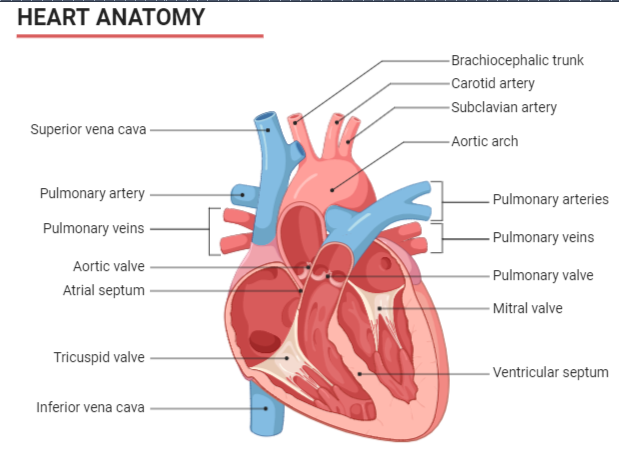
Behind the right atrium and superior vena cava pass the right main pulmonary veins (containing oxygenated blood); the left ahead of the descending aorta.
The correct response is '(B) Pulmonary vein.'
Note: The blood vessels carrying oxygenated blood from the heart to the lungs are the arteries, and the veins carry deoxygenated blood. Although oxygenated blood is carried by the pulmonary vein, it is still known as a vein because it carries blood to the heart.
Complete answer:The form of veins that transfer oxygenated blood from the lungs to the heart is the pulmonary veins. The four major pulmonary veins, two from each of the lungs that flow into the left atrium of the heart, are the largest pulmonary veins. The pulmonary veins are part of the circulation. Pulmonary veins are responsible for moving oxygenated blood from the lungs to the heart's left atrium. From each lung hilum, two main pulmonary veins emerge, collecting blood from three or four bronchial veins each and draining into the heart's left atrium. An inferior and superior main vein drains blood into each lung, so there are four main veins in all. The right superior vein lies ahead of and a little below the pulmonary artery at the foundation of the lung; a portion of the lung hilum is located at the bottom of the inferior. The bronchus is located behind the artery.
Behind the right atrium and superior vena cava pass the right main pulmonary veins (containing oxygenated blood); the left ahead of the descending aorta.
The correct response is '(B) Pulmonary vein.'
Note: The blood vessels carrying oxygenated blood from the heart to the lungs are the arteries, and the veins carry deoxygenated blood. Although oxygenated blood is carried by the pulmonary vein, it is still known as a vein because it carries blood to the heart.
Recently Updated Pages
Master Class 11 Social Science: Engaging Questions & Answers for Success

Master Class 11 English: Engaging Questions & Answers for Success
Master Class 11 Maths: Engaging Questions & Answers for Success
Master Class 11 Chemistry: Engaging Questions & Answers for Success
Master Class 11 Biology: Engaging Questions & Answers for Success
Class 11 Question and Answer - Your Ultimate Solutions Guide
Trending doubts
One Metric ton is equal to kg A 10000 B 1000 C 100 class 11 physics CBSE
Difference Between Prokaryotic Cells and Eukaryotic Cells
Find the value of the expression given below sin 30circ class 11 maths CBSE
1 ton equals to A 100 kg B 1000 kg C 10 kg D 10000 class 11 physics CBSE
Two of the body parts which do not appear in MRI are class 11 biology CBSE
Draw a diagram of nephron and explain its structur class 11 biology CBSE