







Key Benefits of Sunflower Seed Shells for Students
Sunflower seeds are beneficial for health. Many health problems stay away after consuming it. Sunflower seeds are used as medicine in Ayurveda. It contains many nutrients. It contains vitamin C, minerals, and omega 3 fatty acids. Let us know in this article how to use sunflower seeds and many uses of it.
Benefits of Sunflower Seeds
Sunflower seeds are beneficial for hair growth, heart health, weight loss, lower cholesterol and prevent certain types of cancer. Sunflower seeds are rich in vitamin E, vitamin B, and minerals like protein, selenium, magnesium, iron, phosphorus, calcium, and zinc. All these are very important for our health. Some of the benefits are listed below:
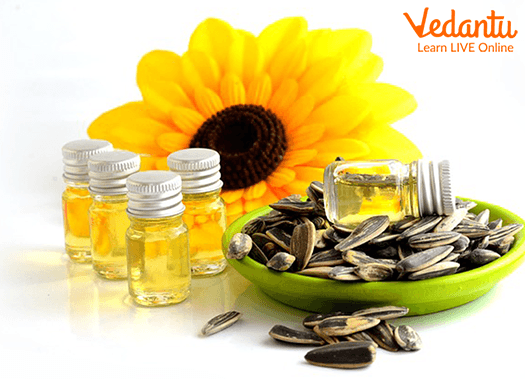
Sunflower Seeds Oil
1. Helpful in Making Bones Strong: Sunflower seeds can help strengthen bones. The properties of magnesium are found in good quantities in sunflowers which are considered beneficial for bones. It can help strengthen bones and relieve joint pain.
2. Helpful in Keeping the Heart Healthy: Vitamin C and Vitamin E are found in sunflower seeds, which can work to protect the heart from many dangers. Consuming sunflower can help reduce the risk of heart attack and stroke by preventing cholesterol from accumulating in the blood vessels.
3. Helpful in Keeping the Skin Healthy: Oil also comes out from sunflower seeds and this oil is considered very beneficial for improving your skin. Its oil can fight against bacteria. This can help in keeping the skin healthy.
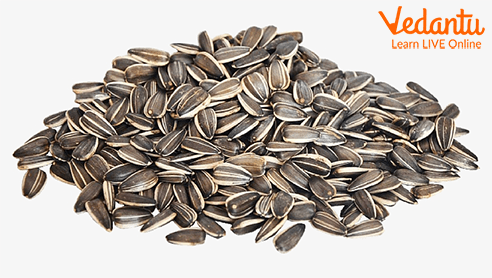
Sunflower Seeds
Uses for Sunflower Seed Shells
If you eat a lot of sunflower seeds and don't want to throw away the shells, you can use them in several ways. One option is to plant them as mulch in your garden, as they help prevent weeds from growing around your plants. We can also use them as a drink instead of coffee or tea which contains caffeine.
How to Use Sunflower Seeds?
To experience the benefits of sunflower seeds quickly, it is necessary to consume them in the right way. So know below how to use Sunflower Seeds in food:
We can peel sunflower seeds and eat them raw.
We can peel and roast sunflower seeds and eat them as a snack.
We can use sunflower seeds by making a paste-like butter.
We can also use sunflower seeds to make soft food crisps.
We can also use it in salads, sandwiches, and pasta. This will make your dish tasty and also increase its nutritional value.
Solved Questions
1. Why are sunflower seeds considered beneficial for health?
Ans: Sunflower seeds are rich in medicinal properties, which are considered beneficial for health. Sunflower seeds are rich in calcium, protein, vitamins, and many other nutritious elements. They can work to protect the body from many diseases.
2. Should we include sunflower seeds in our diet? If yes, write one way to do it.
Ans: Essential fatty acids, vitamins, and minerals are found in sunflower seeds, which are very important to keep our bodies healthy. Therefore, we must include these seeds in our diet in some form or other. Roast sunflower seeds are considered a healthy snack.
Learning by Doing
Kids Activity: Paper Plate Sunflower
Materials: Paper plates, construction paper, gum, yellow paint, and sunflower seeds.
Instructions: Cut out several yellow petals and stick them on a small yellow paper plate already in place. Fill the centres with sunflower seeds.
Summary
Sunflower seeds are an important source of vitamins and minerals that are beneficial for our health. In this chapter, we have seen many benefits and uses of sunflower seeds. Now, we know how to use sunflower seeds in daily life to maintain our health.
FAQs on Uses of Sunflower Seed Shells Explained
1. What are the main uses of sunflower seeds?
Sunflower seeds have many important uses. They are commonly eaten as a healthy snack, pressed to create sunflower oil for cooking, and used as food for birds and other animals. The leftover shells can also be repurposed for other products, ensuring nothing is wasted.
2. Why are sunflower seeds considered a healthy snack for students?
Sunflower seeds are a great snack for students because they are packed with nutrients that help our bodies and brains. They contain Vitamin E, which protects our cells, and minerals like magnesium, which is good for our bones and energy levels. These nutrients can help students stay focused and active throughout the day.
3. What is the difference between the sunflower seeds sold for eating and those used to make oil?
The main difference is in their type and shell.
- Edible seeds: These are larger and have black-and-white striped shells that are easier to crack open. They are grown for snacking.
- Oil-producing seeds: These are typically smaller with solid black shells. They contain a higher concentration of oil, making them ideal for pressing into cooking oil.
4. How is cooking oil made from sunflower seeds?
To make sunflower oil, large quantities of oil-type sunflower seeds are first cleaned and their shells (hulls) are removed. The inner seeds are then ground up and pressed with heavy machinery to squeeze out the raw oil. This oil is then filtered and purified to become the clear cooking oil we use in our kitchens.
5. Can we grow a new sunflower plant from the seeds found in snack packets?
Usually, you cannot. The sunflower seeds sold as snacks are often roasted or salted to make them tasty. This heating process prevents the seed from being able to germinate and grow into a plant. To grow a sunflower, you need to plant raw, untreated seeds, which can be bought from a gardening store.
6. Are sunflower shells (hulls) useful for anything?
Yes, even the shells of sunflower seeds are useful! After the seed is removed, the leftover hulls can be pressed into fuel logs for burning, used as a roughage-rich animal feed, or added to garden soil to improve its structure. This is a great example of using every part of a plant.
7. What important nutrients in sunflower seeds help our bodies?
Sunflower seeds provide several nutrients that are essential for our bodies. They are a rich source of Vitamin E, which acts as an antioxidant to protect our cells, and minerals like magnesium and selenium. They also contain healthy fats and protein, which give us lasting energy and help our bodies grow and repair.
