




How to Solve Class 3 English Reading Comprehension Worksheets
Class 3 English Reading Comprehension Worksheets
Reading Passage 1
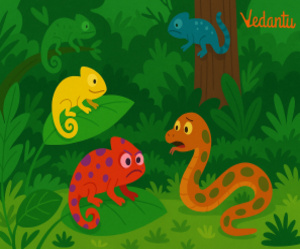
“Leo was not like the other chameleons in the jungle. While they were experts at changing colors to blend in with leaves and branches, Leo loved bright, bold colors. He would turn bright yellow when he sat on a green leaf and sparkly blue when he rested on brown tree bark. The other chameleons warned him, "Leo, you will be easily spotted by predators! It is not safe." But Leo loved being different. One day, a large snake slithered by. It saw all the other chameleons perfectly camouflaged, but it couldn't see them. Then, it saw a bright yellow spot on a green leaf. "A delicious, ripe fruit!" the snake hissed, getting closer. Just as it was about to strike, Leo turned a scary, fiery red with purple spots. The snake was so startled by the sudden, frightening colors that it turned around and slithered away in fear. From that day on, the other chameleons admired Leo. They realized that being different could sometimes be a strength.”
Questions for Passage 1
1. What made Leo different from other chameleons?
(a) He could not change colors.
(b) He liked to use bright colors instead of hiding.
(c) He was afraid of snakes.
(d) He was the fastest chameleon.
2. Complete the sentence: The other chameleons warned Leo that he would be easily spotted by __________.
3. True or False: The snake thought Leo was a piece of fruit.
(a) True
(b) False
4. How did Leo scare the snake away?
______________________________________________________________________________________________________________________________________________________
5. What lesson did the other chameleons learn from Leo?
(a) It is always best to hide.
(b) Snakes are not very smart.
(c) Being different can be a good thing.
Reading Passage 2
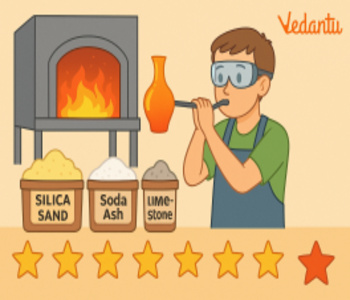
“Have you ever wondered how glass is made? It is a fascinating process that starts with simple sand! The main ingredient for glass is a special kind of sand called silica sand. To make glass, factory workers mix this sand with other ingredients like soda ash and limestone. This mixture is then put into a huge furnace, which is like a very powerful oven. The furnace heats the mixture to an extremely high temperature, about 1700 degrees Celsius, until it melts into a thick, glowing liquid, similar to honey or lava. This molten glass can then be shaped. It can be poured into molds to make bottles and jars, or it can be blown through a long pipe to create hollow shapes like light bulbs or beautiful vases. Once it is shaped, the glass is slowly cooled down. This careful cooling process, called annealing, makes the glass strong and durable.”
Questions for Passage 2
6. What is the main ingredient used to make glass?
(a) Limestone
(b) Soda Ash
(c) Silica Sand
(d) Lava
7. Rearrange the actions to show the correct order of making glass.
(a) The molten glass is shaped.
(b) Sand is mixed with soda ash and limestone.
(c) The glass is cooled down slowly.
(d) The mixture is heated in a furnace.
Correct Order: _____, _____, _____, _____
8. Fill in the blank: The furnace heats the mixture until it becomes a thick, glowing __________.
9. What is the purpose of the cooling process called 'annealing'?
______________________________________________________________________________________________________________________________________________________
10. Match the word from the passage with its correct meaning.
Answer Key
1. (b) He liked to use bright colors instead of hiding.
2. predators
3. (a) True
4. He turned a scary, fiery red with purple spots, which startled the snake.
5. (c) Being different can be a good thing.
6. (c) Silica Sand
7. Correct Order: b, d, a, c
8. liquid
9. The purpose of annealing is to make the glass strong and durable.
10.
1 - (b) A special oven for heating things to very high temperatures.
2 - (a) Melted by intense heat.
3 - (d) Strong and able to last a long time.
4 - (c) Something that is an essential part of a mixture.
Improve your Reading Skills With Comprehension Worksheets
In Class 3 English, reading comprehension activities help children enjoy short passages while answering fun questions. This worksheet gives students practice with important skills like finding the main idea and answering who, what, and where questions. Kids get better at reading for meaning, which boosts their confidence. This topic in the English subject makes reading homework easier and helps with everyday tasks like understanding stories or book summaries.
Practise Finding Answers in Stories
This Class 3 English Reading Comprehension worksheet lets students look for answers right inside the story. When learners practise finding details and connecting ideas, they become quick and clever readers. Parents can use these exercises at home to improve reading skills. The topic supports school lessons and encourages good habits for understanding stories, news, or simple instructions in the real world.
FAQs on English Reading Comprehension for Class 3 Students
1. What is reading comprehension for 3rd grade?
Reading comprehension for 3rd grade means understanding and answering questions about a story or passage written for Grade 3 students. These worksheets help build vocabulary, improve reading skills, and teach students to find the main ideas and important details in a reading passage.
2. How can I improve my Grade 3 child’s reading comprehension?
To improve Grade 3 reading comprehension, encourage your child to:
- Read age-appropriate passages and stories regularly.
- Answer comprehension questions after reading.
- Discuss the main idea and new words.
- Practice with free printable worksheets and CBSE class 3 English comprehension exercises to strengthen skills.
3. Are there Grade 3 English reading worksheets with answers?
Yes, many Grade 3 English reading comprehension worksheets include an answer key. This helps parents and teachers check the answers easily, making revision and learning more effective for children.
4. What types of passages are good for Grade 3?
Good passages for Grade 3 include short stories, real-life experiences, and simple informational texts. These passages are usually 120-150 words with easy vocabulary, interesting topics, and clear structure for better reading comprehension.
5. How can I use this worksheet at home?
You can use this Class 3 English reading comprehension worksheet at home by:
- Printing the PDF worksheet.
- Letting your child read the passage and answer questions.
- Checking answers together for better understanding.
- Using it for extra practice or holiday revision.
6. Does this worksheet include an answer key?
Yes, each English reading comprehension worksheet for Grade 3 comes with an answer key to help parents and teachers verify responses and support learning at home or in school.
7. Is this worksheet printable?
This Grade 3 English reading comprehension worksheet is fully printable. Download the free PDF and print it for practice, revision, or classroom use.
8. What age group is it best for?
This reading comprehension worksheet is designed specifically for Class 3 or children aged 7–9 years, following the CBSE curriculum and suitable for their reading level.
9. How does this worksheet reinforce concept retention?
The worksheet improves concept retention by giving students:
- Short, engaging passages to read carefully
- Questions that check understanding of main ideas
- Vocabulary tasks that build word recognition
- Answer keys for immediate feedback
10. Can I use this worksheet digitally on a tablet?
Yes, you can use this comprehension worksheet digitally by opening the PDF on a tablet. Children can read the passage and type or write answers on the device for interactive practice.
11. What skills are built by this activity?
This Class 3 English reading comprehension worksheet helps build:
- Reading fluency
- Vocabulary and word meaning
- Text analysis and main idea identification
- Question and answer practice
- Critical thinking for children
12. Can I modify or combine this with other worksheets?
You can freely modify or combine this worksheet with other Grade 3 English activity sheets for a varied and tailored learning experience at home or school.
