






Easy Activities to Learn Volume and Surface Area of Shapes for Kids
Section 1: Tick the Correct Option
1. What shape is a party hat?
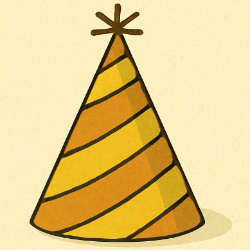
(a) Cube ☐
(b) Sphere ☐
(c) Cone ☐
2. What shape is a football?
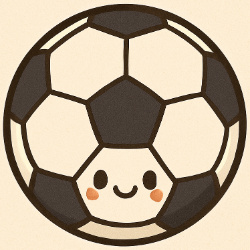
(a) Sphere ☐
(b) Cylinder ☐
(c) Cuboid ☐
3. What shape is a dice?
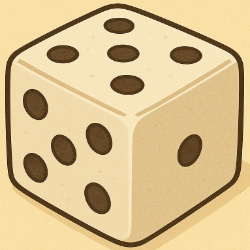
(a) Cone ☐
(b) Cube ☐
(c) Sphere ☐
4. What shape is a tin can?
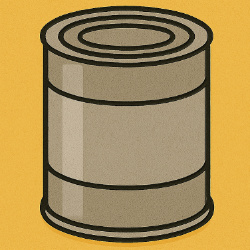
(a) Sphere ☐
(b) Cuboid ☐
(c) Cylinder ☐
Section 2: Match the Columns
Match the shape to its name.
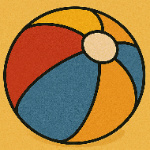
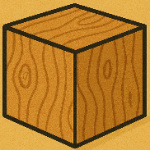
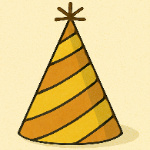
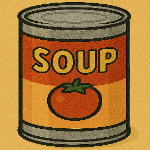
Section 3: Circle the Correct Objects
1. Circle all the objects that are shaped like a CUBE.

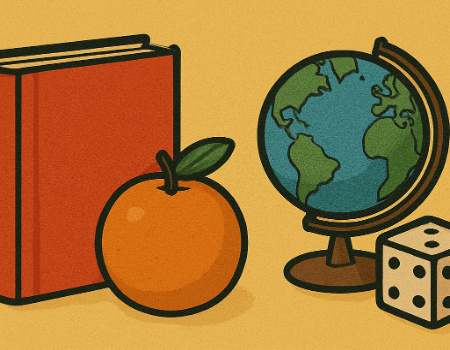
2. Circle all the objects that are shaped like a SPHERE.
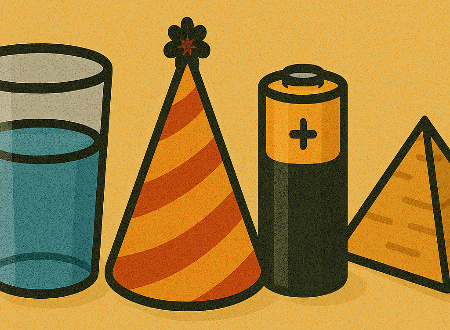
3. Circle all the objects that are shaped like a CYLINDER.
Section 4: Fill in the Blanks
Choose the correct word from the box below to complete the sentences.
Cuboid roll Cone slide
1. A joker's cap is shaped like a _______________.
2. A pencil box is shaped like a _______________.
3. A ball can _______________.
4. A book can _______________.
Section 5: Yes or No Questions
Read the sentences and write 'Yes' or 'No'.
1. An orange has a flat surface. __________
2. A cuboid has 6 faces. __________
3. A cylinder can roll. __________
4. A cone looks like a birthday hat. __________
Answer Key
Section 1: Tick the Correct Option
1. (c) Cone
2. (a) Sphere
3. (b) Cube
4. (c) Cylinder
Section 2: Match the Columns
1 -> 3. Sphere
2 -> 4. Cube
3 -> 2. Cone
4 -> 1. Cylinder
Section 3: Circle the Correct Objects
1. The student should circle the gift box and the Rubik's cube.
2. The student should circle the orange and the globe of the Earth.
3. The student should circle the glass of water and the battery.
Section 4: Fill in the Blanks
1. Cone
2. Cuboid
3. roll
4. slide
Section 5: Yes or No Questions
1. No
2. Yes
3. Yes
4. Yes
How This Worksheet Helps You Learn?
Learning the basics of 3D shapes, volume, and surface area is made simple with this Class 1 Maths printable worksheet. Designed specifically for Grade 1 students, this PDF practice sheet uses easy-to-understand activities like matching shapes, circling real-life 3D objects, and gentle volume exercises to help young learners gain confidence with geometry concepts. This worksheet supports concept reinforcement with colorful visuals and clear, stepwise instructions that make learning both interactive and fun.
Whether used as a printable worksheet for class time, revision, or homework, this resource helps build solid foundations in shape recognition, counting, and spatial awareness. Concepts like "cube," "sphere," and "cylinder" are introduced gradually, ensuring every Grade 1 learner can engage successfully with surface area and volume basics.
Usage Tips for Parents and Teachers
- Start by naming and touching real objects that look like each shape before using the worksheet.
- Encourage children to color or circle answers to support engagement and understanding.
- Read instructions aloud, then let your child try the activities independently.
- Use the answer key for easy self-checking or quick review after completion.
Explore Related Worksheets
- Class 1 Maths Worksheets Chapter 9
- Class 1 Maths Worksheets (Shapes)
- 1st Grade Measurement Worksheets
- Count and Write Worksheets
- Place Value Worksheets
What You Learned
On this page, you explored a free, printable worksheet on Class 1 Maths Volume and Surface Area of 3D Shapes. Through matching, counting, and identification exercises, children develop an understanding of basic solid shapes, learn introductory volume and surface area ideas, and connect maths to real life. The worksheet and answer key help reinforce geometry and spatial skills in early learners, supporting fun and effective maths practice at home or in the classroom.
FAQs on Maths Worksheet: Volume and Surface Area of 3D Shapes for Class 1
1. How do you explain 3D shapes to a child in Class 1?
You can explain 3D shapes to a child by connecting them to familiar, real-life objects they see every day. This approach makes learning about solid shapes fun and relatable. For example:
- A cube is like a dice or a gift box.
- A sphere is like a ball or an orange.
- A cylinder is like a tin can or a battery.
- A cone is like an ice cream cone or a birthday hat.
- A cuboid is like a book or a shoebox.
2. What is volume for Grade 1 students?
For Grade 1, the concept of volume is introduced as the amount of space an object occupies, taught using simple visual activities. A volume worksheet for class 1 typically uses exercises like counting cubes that make up a larger 3D shape, which helps children visually grasp the idea of space without complex formulas.
3. What is surface area for kids in early grades?
Surface area for kids in Class 1 is a basic introduction to the outer surfaces of a 3D shape. Instead of calculations, a beginner's surface area worksheet focuses on identifying and counting the flat faces of an object. For example, a student would learn that a cube has six faces, which is a foundational concept for later geometry.
4. Can kids learn volume in Class 1?
Yes, kids can learn the basics of volume in Class 1 through hands-on and visual methods. The focus is not on formulas but on conceptual understanding. Activities like building with blocks and completing a volume of 3D shapes worksheet where they count the number of units in a shape help build strong foundational spatial reasoning skills.
5. What are some examples of 3D objects in real life?
Many everyday items are excellent real-life examples of 3D objects that help children with 3d objects identification. Here are a few common ones:
- Ball: Sphere
- Dice: Cube
- Soda Can: Cylinder
- Party Hat: Cone
- Book: Cuboid
6. How can I use this Class 1 Maths 3D Shapes worksheet at home?
This Class 1 maths shapes worksheet is perfect for home practice and can be used in several effective ways. Simply download the printable maths worksheet PDF and guide your child through the activities, such as matching shapes to their names, circling real-life 3D objects, and colouring tasks to reinforce learning.
7. Is this volume and surface area worksheet printable?
Yes, this is a free, printable 3D shapes worksheet designed to be print-friendly. You can easily download the Volume and surface area class 1 PDF to provide your child with hands-on practice for homework, revision, or to reinforce classroom learning about solid shapes.
8. What skills does this 3D shapes worksheet help develop?
This solid shapes activity worksheet helps build several essential early maths skills. It enhances shape recognition, develops visual discrimination, introduces basic measurement concepts like volume through counting cubes, and improves fine motor skills through circling and matching tasks, which are crucial for mathematics early grade development.
9. Does this worksheet include an answer key?
Yes, this Class 1 maths volume surface area 3d shapes worksheet comes with an answer key. This allows parents and teachers to quickly and easily check the student's work, providing immediate feedback and making it an effective tool for both self-assessment and guided practice.
10. What 3D shapes are covered in this Grade 1 worksheet?
This geometry worksheet grade 1 covers the most common 3D shapes that are part of the early curriculum. The activities focus on helping children identify and name basic solid shapes, including:
- Cube
- Sphere
- Cylinder
- Cuboid
- Cone
