






How to Recognize and Name Shapes in Grade 1 Maths?
Section 1: Tick the Correct Option
1. Tick the name of the shape shown below.
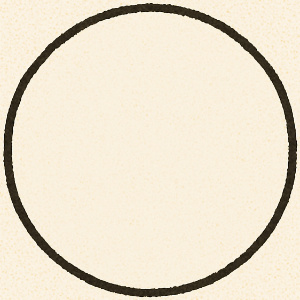
Square [ ]
Circle [ ]
Triangle [ ]
2. Tick the name of the shape shown below.
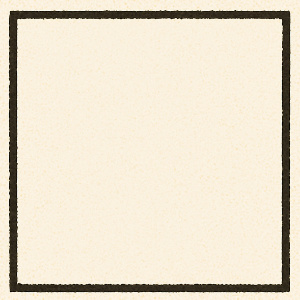
Rectangle [ ]
Oval [ ]
Square [ ]
3. Tick the name of the shape shown below.

Star [ ]
Heart [ ]
Circle [ ]
Section 2: Match the Columns
4. Match the shape in Column A with its name in Column B.
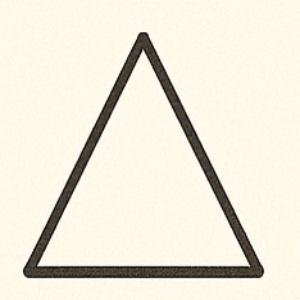
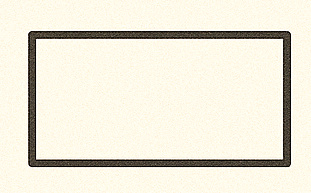
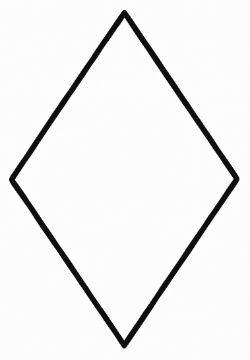
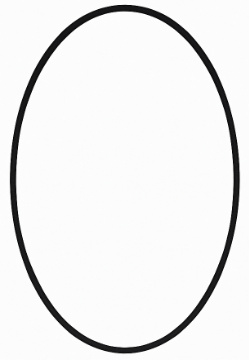
Section 3: Fill in the Blanks
Word Bank: square, circle, rectangle, triangle
5. A pizza slice is shaped like a __________.
6. A car wheel is shaped like a __________.
7. A blackboard is shaped like a __________.
8. A chess board is shaped like a __________.
Section 4: True or False
9. A square has 4 equal sides. (True / False)
10. A circle has corners. (True / False)
11. A triangle has 3 sides. (True / False)
12. An egg has the shape of a rectangle. (True / False)
Section 5: Choose the Odd One Out
13. Circle the shape that is different from the others.
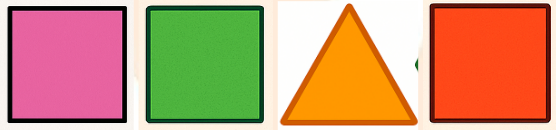
14. Circle the shape that is different from the others.
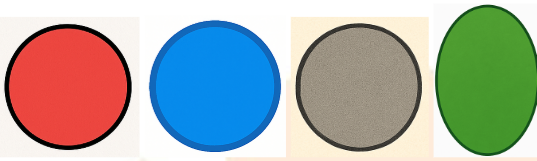
Section 6: Count the Shapes
15. Look at the picture of the train made from shapes and answer the questions.
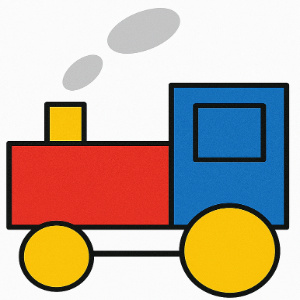
a. How many circles can you see?
b. How many rectangles can you see?
c. How many squares can you see?
Answer Key
How This Worksheet Helps You Learn?
The Class 1 Maths Shapes Identification Worksheet is a printable worksheet designed to help Grade 1 students learn to identify and name basic 2D shapes. Through hands-on activities, children reinforce their shape recognition by working with circles, triangles, squares, rectangles, ovals, and diamonds. This PDF practice sheet is ideal for strengthening core geometry skills in young learners, whether used in the classroom or at home.
Clear instructions and large, bold visuals guide children through each task, supporting better understanding and early math confidence. With various activities such as matching, coloring, and identifying shapes, this worksheet adds both structure and fun to any math lesson, helping students master key shape vocabulary and concepts.
Usage Tips for Parents and Teachers
- Begin by previewing all shapes on the worksheet, helping your child say the names aloud.
- Encourage your child to circle, color, or match shapes for hands-on practice with each PDF sheet.
- Use the worksheet during homework time, holidays, or as classwork to reinforce school lessons.
- Review answers together using the provided answer key to support understanding and build confidence.
Explore Related Worksheets
- Class 1 Maths Worksheets (Full Set)
- Counting and Writing Numbers Worksheet
- Place Value Worksheets for Class 1
- Colouring Worksheets for Kids
- Greater Than and Less Than Worksheet
What You Learned
This page provides a Class 1 Maths Shapes Identification Worksheet, a PDF practice sheet focused on helping students recognize common 2D shapes like circle, square, triangle, rectangle, oval, and diamond. Activities are simple, visual, and engaging—supporting early maths learning and shape identification for Grade 1 children. Download and use this printable worksheet for regular concept reinforcement, in alignment with early geometry lessons.
FAQs on Identify 2D Shapes: Practice Worksheet for Class 1 Maths
1. What are the main shapes for Class 1 students to learn?
The main shapes for Class 1 students focus on basic 2D geometry, helping them build strong visual recognition skills. These foundational shapes are essential for early maths learning.
- Circle: A perfectly round shape with no corners or sides.
- Square: A shape with four equal straight sides and four right angles.
- Triangle: A shape with three straight sides and three corners.
- Rectangle: A four-sided shape where opposite sides are equal in length.
- Oval: An elongated circle, similar to the shape of an egg.
- Diamond: A four-sided shape, also known as a rhombus.
2. How can I help my child identify shapes using this worksheet?
You can help your child identify shapes by using this worksheet for engaging, hands-on practice that focuses on visual attributes. The activities are designed to make learning simple and fun for kids.
- Count the Sides and Corners: Help them notice that a triangle has three sides while a square has four.
- Use Real-life Examples: Connect the shapes to everyday objects, like a clock being a circle or a door being a rectangle.
- Practice with Activities: Encourage them to complete the shape coloring, matching, and tracing exercises in the worksheet.
- Reinforce Shape Names: Say the names of the shapes aloud as they identify them to build their shape vocabulary.
3. Is this shape identification worksheet printable and free?
Yes, this Class 1 maths shapes worksheet is completely free to download and is designed in a printable PDF format. This allows parents and teachers to easily print multiple copies for practice at home or in the classroom for effective concept reinforcement.
4. What skills does this worksheet for Class 1 maths help develop?
This worksheet helps develop several crucial early math skills that go beyond just naming shapes. It supports a child's overall cognitive and motor development.
- Visual Shape Recognition: The core skill of identifying shapes like circles, squares, and triangles.
- Fine Motor Skills: Activities like coloring, tracing, and drawing lines enhance hand-eye coordination.
- Problem-Solving: Children learn to differentiate between shapes based on their attributes (e.g., sides and corners).
- Foundation for Geometry: It establishes a strong base for understanding more complex geometry for Class 1 and higher grades.
5. Does this worksheet include an answer key?
Yes, our shapes worksheet for Class 1 with answers typically includes an answer key. This feature is provided to help parents and teachers quickly review a child's work, identify any mistakes, and provide immediate, constructive feedback for better learning.
6. How do these activities teach a child to identify shapes in math?
These activities teach shape identification through structured and repetitive practice, making the learning process effective. The worksheet uses a variety of methods to ensure a child masters the concept.
- Visual Drills: Tasks like 'circle the shape' or 'color the triangles' reinforce recognition through repetition.
- Matching Exercises: Connecting a shape image to its written name (e.g., a square to the word 'Square') solidifies vocabulary.
- Sorting and Classifying: Finding all instances of a specific shape in a mixed group helps children learn to classify objects based on visual properties.
7. What are 2D shapes for Class 1?
2D shapes are flat shapes that have only two dimensions: length and width, and can be drawn on paper. For Class 1 maths, the focus is on recognizing the most common and basic 2D shapes.
- Circle
- Square
- Triangle
- Rectangle
- Oval
- Diamond
8. How can this shapes worksheet be used at home?
This printable worksheet is an excellent resource for parents to use at home for extra practice. You can download the free PDF and use it as a homework helper, for holiday practice, or as a fun learning activity to reinforce what is being taught in school.
9. Is this worksheet aligned with the CBSE and NCERT curriculum?
Yes, this CBSE shapes worksheet is created by subject-matter experts and is aligned with the foundational concepts outlined in the Class 1 maths NCERT syllabus. The content focuses on the core learning objectives for shape identification at the Grade 1 level.
10. How does this worksheet help with concept retention?
This worksheet reinforces concept retention through varied and engaging practice activities. By combining tasks like coloring, circling, and matching, it involves different learning pathways which helps young students better remember the names and attributes of each 2D shape.
