






How to Write Fractions from Shaded Parts: Easy Steps for Grade 1
Section 1: Write the Fraction
Look at each shape. Write the fraction that shows the shaded part.
1.
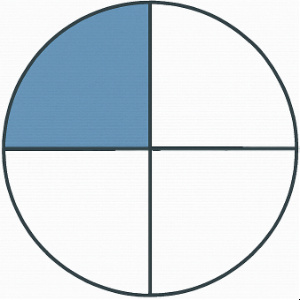
Fraction:
2.
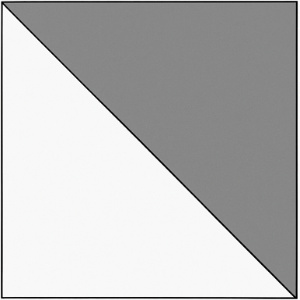
Fraction:
3.
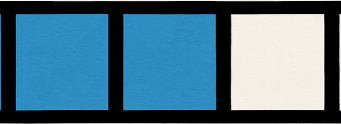
Fraction:
4.
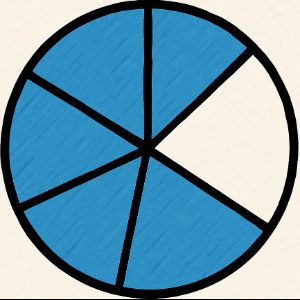
Fraction:
5.
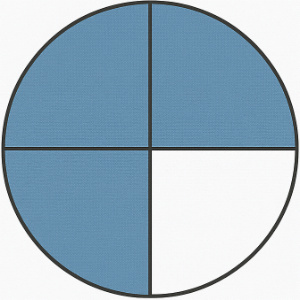
Fraction:
Section 2: Color the Shape
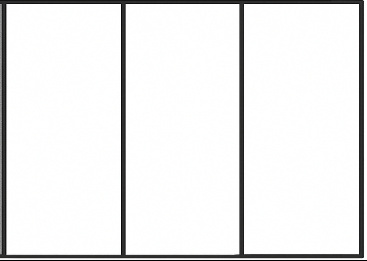
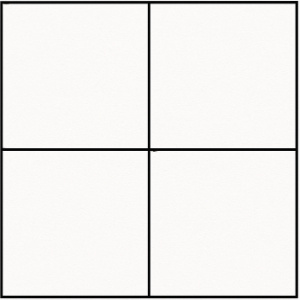
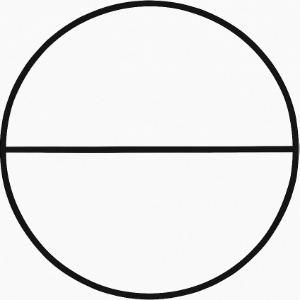
Read the fraction and color the shape to match it.
1. Color 1/3
2. Color 3/4
3. Color 1/2
4. Color 4/5
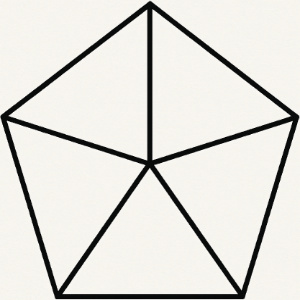
Section 3: Match the Columns
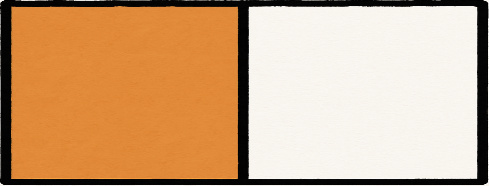
Match the fraction in Column A with the correct shaded shape in Column B.
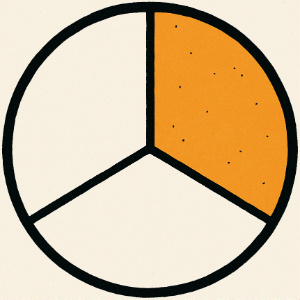
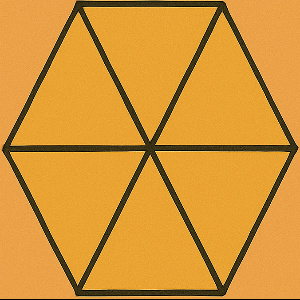
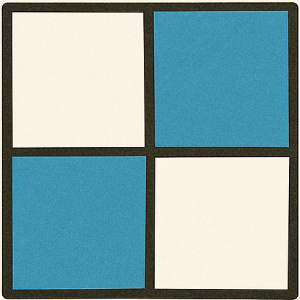
Section 4: Tick the Correct Option
Look at the shape and tick (✓) the correct fraction that represents the shaded area.
1.
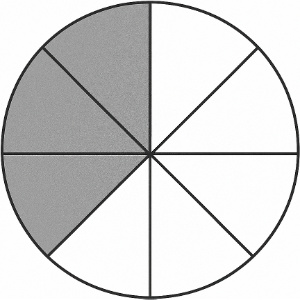
( ) 1/8
( ) 3/8
( ) 5/8
2.
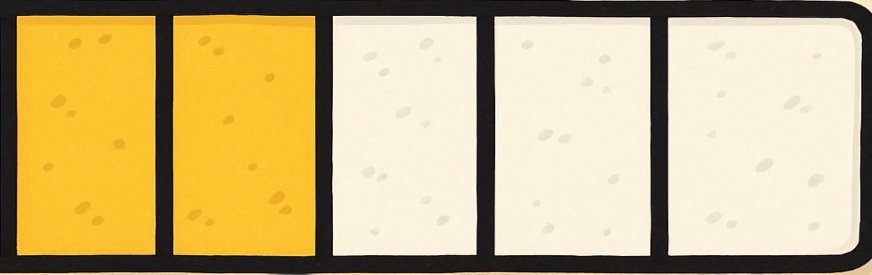
( ) 2/5
( ) 3/5
( ) 5/5
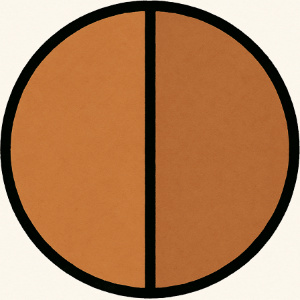
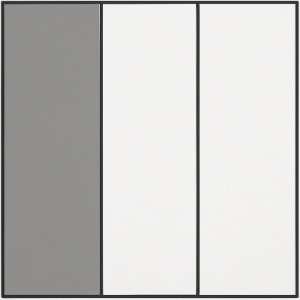
Section 5: True or False
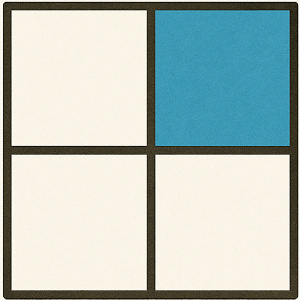
Read the statement and write 'True' or 'False'.
1. 
2. 
3. 
Answer Key
Section 1: Write the Fraction
1. 1/4
2. 1/2
3. 2/3
4. 5/6
5. 3/4
Section 2: Color the Shape
1. Student should color 1 out of the 3 parts of the rectangle.
2. Student should color 3 out of the 4 parts of the square.
3. Student should color 1 out of the 2 parts of the circle.
4. Student should color 4 out of the 5 parts of the pentagon.
Section 3: Match the Columns
1. C
2. A
3. B
4. D
Section 4: Tick the Correct Option
1. 3/8
2. 2/5
Section 5: True or False
1. True
2. False (It is 2/2 or 1 whole)
3. True
How This Worksheet Helps You Learn?
The Class 1 Maths Fractions Writing worksheet offers young students engaging practice with basic fractions in a clear, printable PDF format. Through colorful shapes and fill-in-the-blank exercises, this printable worksheet helps reinforce key concepts—such as identifying whole and part, writing fractions, and recognizing numerators and denominators—aligned to the Grade 1 maths curriculum.
By practicing with shaded parts and fraction writing, students will become comfortable with terms like half, quarter, and third. These exercises assist in building a strong foundation in maths fractions for beginners and support visual understanding using shapes. Parents and teachers can use these fraction worksheets for grade 1 to provide meaningful extra practice at home or in class.
Usage Tips for Parents/Teachers
- Print the worksheet for quick homework or revision sessions after school.
- Guide your child to count shaded and total parts aloud before writing each fraction.
- Use the sample shapes to discuss fractions in daily life, like sharing food or toys.
- Allow your child to color the shapes for a more interactive learning experience.
Explore Related Worksheets
- Class 1 Maths Worksheets Chapter 6 – Reinforce number sense before advancing to fractions.
- Class 1 Maths Worksheets Chapter 9 – Find more foundational maths practice tailored to Grade 1.
- Fraction Worksheets – Explore a wider range of printable worksheets on fractions for all levels.
- Place Value Worksheets – Strengthen number skills related to understanding fractions.
- Class 2 Maths Worksheets Chapter 13 – Advance to higher level fraction activities for early learners ready for more challenge.
What You Learned
On this page, you discovered a helpful, free, and printable Class 1 Maths Fractions Writing worksheet, designed to support young learners in understanding basic fractions through engaging, visual activities. The worksheet uses shapes to make numerator and denominator concepts easy, and offers scaffolded practice aligned with the Grade 1 maths curriculum. Use this PDF practice sheet to build confidence in fractions for beginners, provide extra reinforcement at home, and prepare students for more advanced maths topics.
FAQs on Class 1 Maths Fractions Writing Practice Worksheet
1. What is a fraction in maths for Class 1?
A fraction represents a part of a whole object that has been divided into equal parts. For Class 1 students, it is an introduction to how a single whole item, like a circle or a square, can be split into smaller, equal pieces.
- For example, when a pizza is cut into two equal halves, one piece is called one-half and is written as 1/2.
- Similarly, if it is cut into four equal pieces, one piece is called one-quarter and is written as 1/4.
- These worksheets use shaded parts of shapes to visually teach this whole and part concept.
2. How do you write a fraction for kids?
To write a fraction, you use two numbers separated by a horizontal line, which helps kids understand the concept of parts of a whole. The process involves identifying the numerator and the denominator from a picture.
- Denominator (Bottom Number): First, count the total number of equal parts the shape is divided into. This number goes at the bottom.
- Numerator (Top Number): Next, count the number of shaded parts or coloured parts. This number goes on top.
- For a circle with 4 total slices and 3 shaded slices, the fraction is written as 3/4.
3. How do you teach fractions to a Grade 1 student?
The best way to teach fractions to a Grade 1 student is by using visual aids and hands-on activities. This fraction writing practice worksheet is designed to make learning easy and engaging.
- Use Visuals: Use pictures of shaded shapes, as found in a fraction picture worksheet, to show parts of a whole.
- Start Simple: Begin with basic fractions like 1/2 (half) and 1/4 (quarter) before moving to more complex ones.
- Relate to Real Life: Use examples like sharing a chocolate bar or slicing an apple into equal parts.
- Practice Writing: Encourage them to practice writing fractions by counting the shaded and total parts on the worksheet.
4. What are the numerator and denominator in a fraction?
The numerator and denominator are the two numbers that make up a fraction, each having a specific meaning. Understanding them is key to learning how to write fractions.
- The numerator is the top number. It tells you how many equal parts you have or are being considered (e.g., the shaded parts).
- The denominator is the bottom number. It tells you the total number of equal parts the whole is divided into.
- In the fraction 1/2, 1 is the numerator and 2 is the denominator.
5. How does this worksheet help in writing fractions?
This worksheet provides targeted practice for Class 1 students to master the skill of writing fractions. It connects the visual concept of shaded shapes directly to the numerical representation of a fraction.
- Reinforces Concepts: It helps children practice identifying the numerator (shaded parts) and the denominator (total parts).
- Builds Confidence: The fill-in-the-blank format offers scaffolded practice, making it easier for beginners.
- Develops Number Sense: It strengthens the foundational understanding of the whole and part concept, which is a key maths skill.
- Provides Writing Practice: It gives students a chance to physically write the numbers in the correct format.
6. What are the basic fractions taught in Class 1?
In Class 1 maths, the focus is on introducing the most basic and visually intuitive fractions. Students primarily learn about halves and quarters as their first step into the world of fractions.
- Half (1/2): Represents one part out of two equal parts.
- Quarter or One-Fourth (1/4): Represents one part out of four equal parts.
- Worksheets for Grade 1 often focus on identifying and writing these two fundamental fractions using simple shapes.
7. Are these Grade 1 fraction worksheets printable?
Yes, these Class 1 Maths Fractions writing worksheets are designed to be easily printable. They are available as a free PDF download, which makes them very convenient for parents and teachers.
- You can download the fraction worksheets for Grade 1 PDF and print them for use at home or in the classroom.
- The layout is clear, with large fonts and shapes, making it perfect for young learners.
8. What is meant by 'equal parts' in fractions?
In fractions, 'equal parts' means that a whole object has been divided into pieces that are all the exact same size. This is a fundamental rule for a shape to be represented by a fraction.
- For a fraction to be correct, the division of the whole must be fair and equal.
- For example, if a circle is divided into 4 equal parts, each part is 1/4 of the whole.
- If the parts were of different sizes, we could not use these simple fractions to describe them.
9. Does this Class 1 Maths Fractions worksheet include an answer key?
Yes, our worksheets, including the fraction worksheets for Grade 1 PDF with answers, come with a complete answer key. This is provided to help parents and teachers easily check a student's work.
- The answer key allows for quick verification of the filled-in numerators and denominators.
- It helps in providing immediate feedback to the child, which is crucial for effective learning.
10. What maths skills are built by this fraction activity?
This fraction writing activity for Class 1 helps build several crucial early maths skills beyond just understanding fractions. It supports overall number sense and conceptual understanding.
- Counting: Students practice counting the shaded and total parts of a shape.
- Number Writing: It reinforces the correct formation of numbers for the numerator and denominator.
- Visual Discrimination: Children learn to distinguish between parts and the whole.
- Introduction to Division: It lays the groundwork for understanding division as sharing into equal parts.
