






How to Regroup Ones and Tens Using Base Ten Blocks
Circle and Regroup
Instructions: Imagine the blocks below. Circle a group of 10 ones, then write how many tens and ones are left.
1. Regroup the blocks shown below.
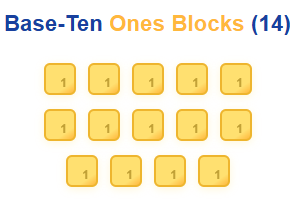
___________ tens and ___________ ones
2. Regroup the blocks shown below.
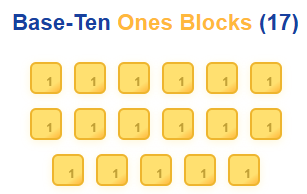
___________ tens and ___________ ones
3. Regroup the blocks shown below.
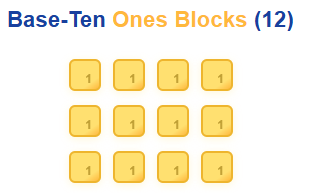
___________ tens and ___________ ones
4. Regroup the blocks shown below.
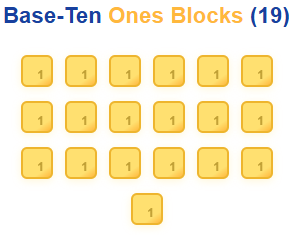
___________ tens and ___________ ones
Fill in the Blanks
Instructions: Complete the sentences by regrouping the ones into tens and ones.
5. 15 ones = ___________ ten and ___________ ones.
6. 11 ones = ___________ ten and ___________ one.
7. 18 ones = ___________ ten and ___________ ones.
8. 20 ones = ___________ tens and ___________ ones.
True or False
Instructions: Read each statement. Write 'True' if it is correct or 'False' if it is incorrect.
9. 13 ones can be regrouped into 1 ten and 3 ones. ___________
10. 8 ones can be regrouped into 1 ten. ___________
11. 1 ten and 6 ones is the same as 16 ones. ___________
Match the Columns
Instructions: Draw a line to match the total ones in Column A with the correct regrouped form in Column B.
Tick the Correct Option
Instructions: Read the question and put a tick (✓) in the box next to the correct answer.
12. Which of these is the same as 14 ones?
[ ] 4 tens and 1 one
[ ] 1 ten and 4 ones
[ ] 1 ten and 1 one
13. If you have 1 ten and 7 ones, how many ones do you have in total?
[ ] 10
[ ] 7
[ ] 17
14. How many ones do you need to make 1 ten?
[ ] 1
[ ] 10
[ ] 100
Answer Key
Section: Circle and Regroup
1. 1 ten and 4 ones
2. 1 ten and 7 ones
3. 1 ten and 2 ones
4. 1 ten and 9 ones
Section: Fill in the Blanks
5. 1 ten and 5 ones
6. 1 ten and 1 one
7. 1 ten and 8 ones
8. 2 tens and 0 ones
Section: True or False
9. True
10. False
11. True
Section: Match the Columns
1. -> C. 1 ten and 2 ones
2. -> A. 1 ten and 9 ones
3. -> D. 1 ten and 0 ones
4. -> B. 1 ten and 5 ones
Section: Tick the Correct Option
12. [ ✓ ] 1 ten and 4 ones
13. [ ✓ ] 17
14. [ ✓ ] 10
How This Worksheet Helps You Learn?
Regrouping with Base Ten Blocks worksheets give Grade 1 students hands-on practice in key place value concepts. Through clear visuals and step-by-step activities, young learners build their understanding of regrouping, counting ones and tens, and working with base ten blocks. These printable maths worksheets are ideal for classroom or at-home learning and reinforce addition with regrouping and number sense in a friendly, accessible way.
Each free PDF practice sheet for regrouping supports NCERT and primary maths syllabi, featuring simple instructions and large visuals for independent learning. Using these regrouping worksheets, students get to color, count, and combine blocks, helping them master place value and build confidence in maths early on.
Usage Tips for Parents and Teachers
- Encourage your child to point and count each base ten block before grouping tens and ones.
- Use colored pencils to highlight tens groups during regrouping activities for better visual clarity.
- Let children explain their answers out loud to promote reasoning and communication skills.
- Print extra copies or use the worksheet on a tablet for repeated practice and confidence-building.
Explore Related Worksheets
- Ones, Tens, Hundreds Worksheet – Practice building and identifying place value in greater detail.
- 1st Grade Addition and Subtraction Worksheets – Strengthen regrouping and arithmetic skills together.
- Base Ten Blocks Worksheet – Build visual skills with blocks for tens and ones.
- Count and Write Worksheets for Kids – Support counting, writing, and number recognition alongside regrouping practice.
What You Learned
This page covers regrouping with base ten blocks for Grade 1 maths, guiding students to combine ones and tens and deepen place value understanding. The free printable worksheet uses visual activities and simple, step-by-step tasks to help first graders recognize, count, and write numbers using base ten blocks. Parents and teachers can easily use this PDF practice sheet for extra support at home or in class, making early maths fun, visual, and effective.
FAQs on Regrouping with Base Ten Blocks: Place Value Practice for Grade 1
1. What is regrouping in math for Grade 1?
Regrouping in math for Grade 1 is the process of changing groups of ones into tens, a key place value concept. For example, students learn to bundle 10 single units (ones) to form 1 ten rod, which is the foundation for understanding two-digit numbers and addition.
2. What is an example of regrouping ones using base ten blocks?
A simple example of regrouping ones is when you have more than 9 single blocks in the ones place. For instance, if you have 14 single blocks, you can:
- Group 10 of those single blocks together.
- Trade or regroup them for 1 ten rod.
- You are then left with 1 ten rod and 4 single blocks, which correctly represents the number 14.
3. How does regrouping help in addition for first graders?
Regrouping makes adding two-digit numbers easier and is a foundational skill for addition with carrying. When the sum in the ones column is 10 or more, first graders use regrouping to 'carry over' the new ten to the tens column, ensuring they find the correct total in their sums.
4. What is the method of regrouping tens and ones?
The method of regrouping involves counting the units in the ones place and bundling them into groups of ten. The basic steps are:
- Count the total number of single blocks (ones).
- If you have 10 or more, circle a group of 10 ones.
- Exchange that group for 1 ten rod.
- Write down the new total of tens and the remaining ones to form the two-digit number.
5. How can I use this worksheet at home?
This free printable worksheet is perfect for at-home practice to reinforce place value skills. Simply download the PDF, print it out, and guide your child through the activities of counting and grouping the base ten blocks to build a strong understanding of regrouping.
6. Does this include an answer key?
Yes, a complete answer key is included with this regrouping worksheet. This allows parents and teachers to quickly check a child's work, provide immediate feedback, and ensure they are mastering the place value concepts correctly.
7. Is this worksheet printable?
Absolutely, this Grade 1 maths worksheet is designed to be easily printable. It is available as a high-quality PDF download, making it simple to print for classroom activities, homework, or extra math practice at home.
8. What age group is it best for?
This worksheet on regrouping with base ten blocks is specifically designed for Grade 1 students, typically ages 6 to 7. It aligns with the CBSE and NCERT curriculum for early learners who are being introduced to place value and two-digit numbers.
9. How does this worksheet reinforce concept retention?
This worksheet uses visual and hands-on activities to reinforce concept retention. By physically grouping base ten blocks, students move from abstract numbers to concrete understanding, which helps solidify their knowledge of place value and regrouping for the long term.
10. What skills are built by this activity?
This regrouping activity builds several fundamental math skills for first graders. Key skills include:
- Place value understanding (tens and ones).
- Early addition with carrying concepts.
- Number sense and visualizing two-digit numbers.
- Fine motor skills through writing and circling.
11. Can I use this worksheet digitally on a tablet?
Yes, you can use this worksheet on a digital device like a tablet or computer. After you download the PDF, you can use any app with annotation features to let your child write or draw directly on the digital worksheet, making it a great paper-free option for math practice.
