




How to Identify Short and Long Vowel Sounds with Examples
Tick the Correct Word
Look at the image and tick the box next to the correct word.
1.

hat
hate
2.

pin
pine
3.

cub
cube
4.
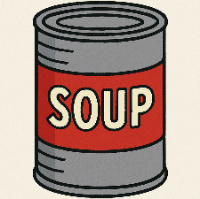
can
cane
Circle the Word
In each pair, circle the word that has a LONG vowel sound.
1. cap cape
2. pet Pete
3. bit bite
4. hop hope
5. tub tube
Fill in the Blanks
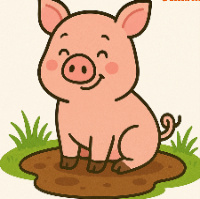
Complete the words by filling in the missing vowel (a, e, i, o, u). Use the image description as a clue.
1. k __ t e

2. b __ s

3. d __ g

4. c __ k e

5. p __ g
Categorize the Words
Read the words in the box below. Write each word in the correct column based on its vowel sound.
pan plane fin fine cup cute mop mope
Match the Columns
Match the word with the short vowel sound in Column A to its rhyming word with the long vowel sound in Column B.
1. __________
2. __________
3. __________
4. __________
Yes or No
Read the statement and write 'Yes' or 'No'.
1. Does the word 'bed' have a short 'e' sound? _________
2. Does the word 'bike' have a short 'i' sound? _________
3. Does the word 'rose' have a long 'o' sound? _________
4. Does the word 'sun' have a long 'u' sound? _________
Answer Key
Tick the Correct Word
1. hat
2. pine
3. cub
4. can
Circle the Word
1. cape
2. Pete
3. bite
4. hope
5. tube
Fill in the Blanks
1. kite (i)
2. bus (u)
3. dog (o)
4. cake (a)
5. pig (i)
Categorize the Words
Match the Columns
1. B
2. D
3. A
4. C
Yes or No
1. Yes
2. No
3. Yes
4. No
How This Worksheet Helps You Learn?
This Class 1 English Short & Long Vowels printable worksheet is designed to help young learners distinguish between short and long vowel sounds through engaging phonics activities. With clear instructions and supportive visuals, this PDF practice sheet strengthens early reading, pronunciation, and spelling confidence. It's an essential Grade 1 resource for building foundational vowel recognition and improving vocabulary through practical, fun tasks.
Activities such as circling, matching, and filling in blanks enable students to practice reading and hearing short and long vowels in context. The worksheet supports both classroom instruction and home practice, encouraging kids to sound out words and reinforce phonemic awareness. Downloading this free, print-friendly worksheet ensures children get repetitive and enjoyable exposure to important Grade 1 English concepts.
Usage Tips for Parents and Teachers
- Preview the worksheet on a tablet or phone before printing to check layout and content clarity.
- Guide children to read each word aloud, then circle or sort words with short and long vowel sounds for improved listening and pronunciation.
- Pair the worksheet with real-life objects or picture cards to make vowel practice hands-on and interactive.
- Use the answer key for quick feedback and encourage self-correction to boost learning confidence.
Explore Related Worksheets
- Phonics Worksheets for Kids
- Class 1 English Marigold Worksheets
- Jumbled Words Worksheet
- Common and Proper Nouns Worksheets
- Beginning Consonant Blends Worksheet
What You Learned
On this page, learners explore short and long vowel sounds through a variety of interactive English worksheet activities suited for Grade 1. Each printable worksheet develops key phonics, vowel identification, and early spelling skills in a structured, friendly way. By engaging in these PDF practice sheets, students grow confident with vowel recognition and pronunciation, laying the groundwork for strong reading habits.
FAQs on Short and Long Vowel Worksheets for Grade 1
1. What are the long and short vowel sounds for Grade 1?
In Grade 1, short vowel sounds are the quick sounds that vowels make, while long vowel sounds are when the vowel “says its name.” Understanding this difference is a key part of early phonics and reading practice.
Here are the common sounds for Class 1 learners:
- Short Vowel Sounds:
- a as in apple or cat
- e as in egg or pen
- i as in igloo or pin
- o as in octopus or dog
- u as in umbrella or cup
- Long Vowel Sounds:
- a as in acorn or cake
- e as in eagle or seed
- i as in ice cream or bike
- o as in oval or rope
- u as in unicorn or cube
2. What are some examples of short and long vowel words for Class 1?
Here are ten simple examples of short and long vowel words perfect for a Class 1 student's vocabulary and phonics practice. Short vowels are often found in CVC (Consonant-Vowel-Consonant) words.
Short Vowel Word Examples:
- Cat (short 'a' sound)
- Pen (short 'e' sound)
- Sit (short 'i' sound)
- Dog (short 'o' sound)
- Sun (short 'u' sound)
Long Vowel Word Examples:
- Cake (long 'a' sound)
- Feet (long 'e' sound)
- Bike (long 'i' sound)
- Rope (long 'o' sound)
- Cube (long 'u' sound)
3. How do you teach short and long vowels to a Class 1 student?
To teach short and long vowels effectively, use a mix of visual aids, sound practice, and simple rules. Using a printable short and long vowels worksheet is an excellent way to reinforce these concepts.
Here are a few simple teaching methods:
- Introduce One Vowel at a Time: Focus on the short 'a' and long 'a' sounds before moving to 'e'.
- Use Hand Motions: Create a short, quick motion for short vowels and a long, drawn-out motion for long vowels.
- Explain the 'Magic E' Rule: Teach that when an 'e' comes at the end of a word (like in 'cake' or 'bike'), it makes the first vowel say its name (a long vowel sound).
- Practice with Word Sorts: Use flashcards or worksheets to have the child sort words into 'short vowel' and 'long vowel' columns.
- Read Aloud: Read books and point out words with different vowel sounds, encouraging the child to listen for the difference.
4. What is the main rule to tell the difference between short and long vowels for kids?
The simplest rule for kids is that a short vowel doesn't say its name, while a long vowel does say its name (A, E, I, O, U). Another easy rule to teach is the 'Magic E' or CVCe pattern.
Key Rules for Class 1:
- Short Vowel Rule: When a vowel is between two consonants (the CVC pattern), it usually makes its short sound. Examples include c-a-t, h-e-n, and s-i-t.
- Long Vowel Rule ('Magic E'): When a word ends in a vowel-consonant-e pattern (the CVCe pattern), the 'e' at the end is silent and makes the first vowel say its name. Examples include c-a-k-e, b-i-k-e, and r-o-p-e.
5. How does this short and long vowels worksheet help a child's learning?
This worksheet helps a child's learning by providing targeted practice in identifying and differentiating between vowel sounds, which is a fundamental skill for reading and spelling. The varied activities keep children engaged and reinforce learning.
Key benefits include:
- Phonemic Awareness: Helps children hear and recognize individual sounds in words.
- Decoding Skills: Improves their ability to sound out new words when reading.
- Spelling Confidence: Reinforces common spelling patterns for short and long vowels (like CVC and CVCe words).
- Vocabulary Building: Introduces new words through fun activities like matching and filling in blanks.
- Independent Practice: Clear instructions allow for self-study and boost a child's confidence.
6. Is this Class 1 English worksheet printable and free to download?
Yes, this Class 1 English short and long vowels worksheet is completely free to download and designed to be easily printable. The PDF format is optimized for standard A4 paper, making it perfect for quick practice at home or as a supplementary resource in the classroom.
7. What types of activities are included in this vowel sounds worksheet?
This worksheet includes a variety of engaging activities designed to help Grade 1 students master short and long vowel sounds. The different formats cater to multiple learning styles and ensure comprehensive practice.
Activities you will find are:
- Circling Words: Identifying and circling words with a specific vowel sound (e.g., circle all the short 'a' words).
- Matching: Drawing lines to match a word to its corresponding picture.
- Fill in the Blanks: Completing a word by writing in the correct missing vowel.
- Sorting Words: Classifying a list of words into 'short vowel' and 'long vowel' categories.
8. Does this worksheet come with an answer key?
Yes, an answer key is typically provided with our worksheets. This allows parents and teachers to quickly and easily check the child’s work, provide immediate feedback, and identify areas where the student might need more phonics practice or explanation.
9. What age group is this vowel worksheet best for?
This worksheet is ideal for children in Grade 1, which typically includes students aged 5 to 7 years old. The content is aligned with the early literacy curriculum for this age group, focusing on foundational phonics skills like vowel recognition and sound-letter association.
10. Can I use this worksheet on a tablet or iPad?
Absolutely. The worksheet is provided as a downloadable PDF file, which is compatible with most tablets and iPads. You can open it in any PDF reader or an annotation app that allows you or your child to write, draw, or type directly on the document for a paper-free practice session.
