



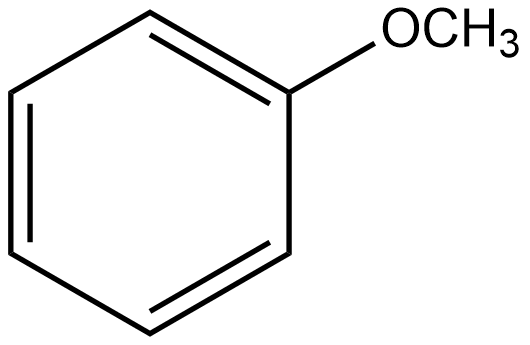
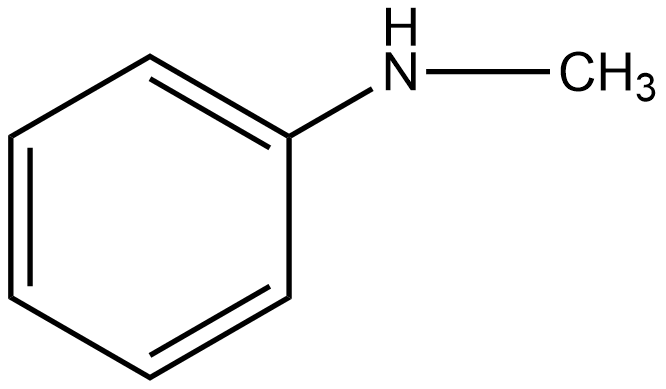
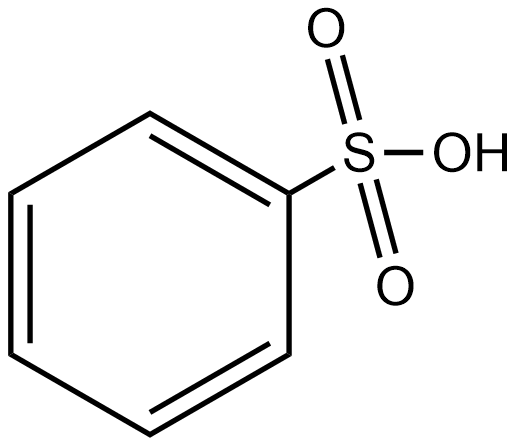
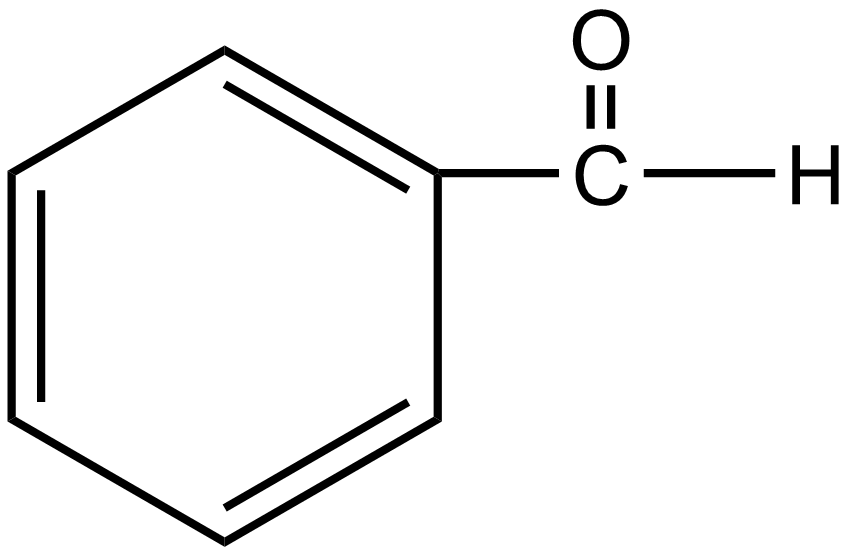
X= number of (+M) group attached with phenyl ring, so the value of x is:
A
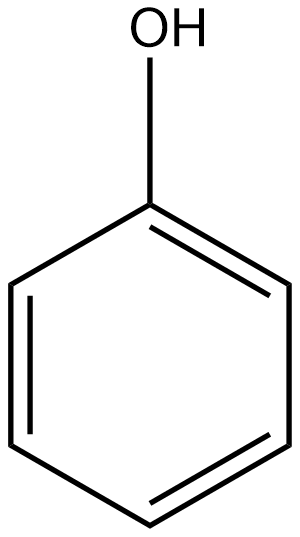
B
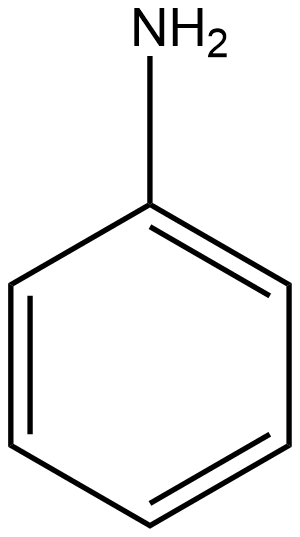
C
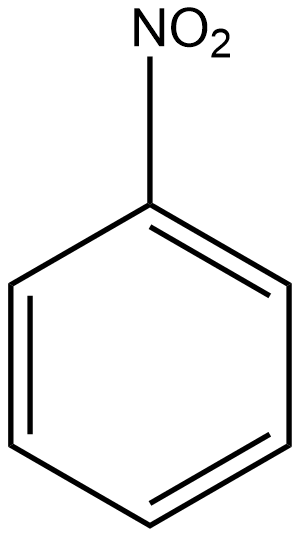
D
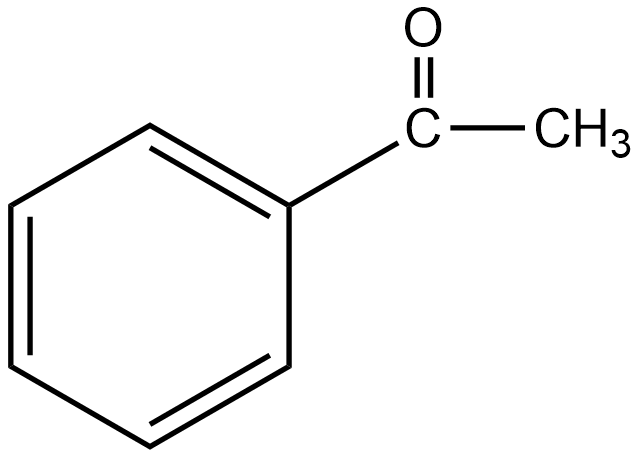
E
F
G
H
Answer
 Verified
605.1k+ views
Hint: Resonance effect or mesomeric effect is defined as the flow of electrons from one part of the conjugated system that causes the creation of centres of low and high electron density. It involves the interaction of pi bonds.
Complete step by step answer:
The group which donates the electrons to the double bond or a conjugated or aromatic system is said to have a +M effect. If we talk about option A i.e. phenol, since oxygen contains lone pairs of electrons hence it is an electron-donating group so it will show the +M effect. If we talk about option B i.e. amine, due to the presence of lone pairs of electrons on the nitrogen atom, it can also donate the electrons to the benzene ring so it also shows the +M effect. In the case of option C, nitrobenzene can withdraw the electrons from the benzene ring. Hence it shows –M effect. In the case of option D i.e. acetophenone, since this is an electron-withdrawing group hence it also shows –M effect. In the case of option E i.e. anisole, due to the presence of lone pair of electron on oxygen atom it also acts as an electron-donating group hence it also shows +M effect. In the case of option F, due to the presence of lone pairs on nitrogen atoms, it can donate the electrons to the aromatic ring. Hence it also shows the +M effect. In the case of option G, there is an electron-withdrawing group attached to a benzene ring, hence it will show –M effect. And in case of option H, the –CHO group is attached to the benzene ring, it acts as an electron-withdrawing group. So it shows –M effect.
Since there are four +M groups attached to the phenyl group.the value of x is 4.
So, the value of x is 4.
Note: The concept of resonance or mesomeric effect tells about the polarity induced in a molecule by the reaction between a lone pair of electrons and a pi bond. Resonance also helps to determine the stability of the compound along with the energy states.
Complete step by step answer:
The group which donates the electrons to the double bond or a conjugated or aromatic system is said to have a +M effect. If we talk about option A i.e. phenol, since oxygen contains lone pairs of electrons hence it is an electron-donating group so it will show the +M effect. If we talk about option B i.e. amine, due to the presence of lone pairs of electrons on the nitrogen atom, it can also donate the electrons to the benzene ring so it also shows the +M effect. In the case of option C, nitrobenzene can withdraw the electrons from the benzene ring. Hence it shows –M effect. In the case of option D i.e. acetophenone, since this is an electron-withdrawing group hence it also shows –M effect. In the case of option E i.e. anisole, due to the presence of lone pair of electron on oxygen atom it also acts as an electron-donating group hence it also shows +M effect. In the case of option F, due to the presence of lone pairs on nitrogen atoms, it can donate the electrons to the aromatic ring. Hence it also shows the +M effect. In the case of option G, there is an electron-withdrawing group attached to a benzene ring, hence it will show –M effect. And in case of option H, the –CHO group is attached to the benzene ring, it acts as an electron-withdrawing group. So it shows –M effect.
Since there are four +M groups attached to the phenyl group.the value of x is 4.
So, the value of x is 4.
Note: The concept of resonance or mesomeric effect tells about the polarity induced in a molecule by the reaction between a lone pair of electrons and a pi bond. Resonance also helps to determine the stability of the compound along with the energy states.
Recently Updated Pages
Master Class 12 Business Studies: Engaging Questions & Answers for Success

Master Class 12 Chemistry: Engaging Questions & Answers for Success
Master Class 12 Biology: Engaging Questions & Answers for Success
Class 12 Question and Answer - Your Ultimate Solutions Guide
Master Class 9 General Knowledge: Engaging Questions & Answers for Success
Master Class 9 Maths: Engaging Questions & Answers for Success
Trending doubts
Name the crygenes that control cotton bollworm and class 12 biology CBSE
In a transcription unit the promoter is said to be class 12 biology CBSE
Sulphuric acid is known as the king of acids State class 12 chemistry CBSE
A dentist uses a small mirror that gives a magnification class 12 physics CBSE
What is the structural formula of Aspirin A B C D class 12 chemistry CBSE
Draw a well labelled diagram of LS of the human ki class 12 biology CBSE