




Which of the following will give Walden inversion?
A.

B.
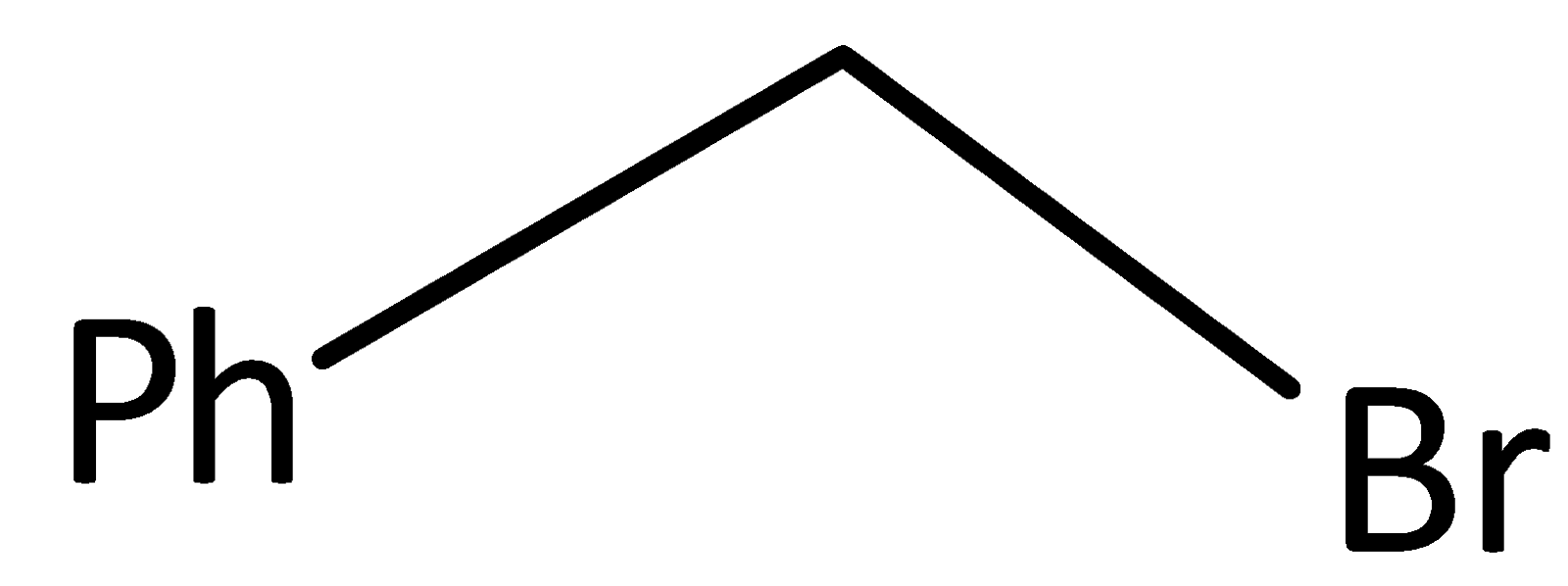
C.
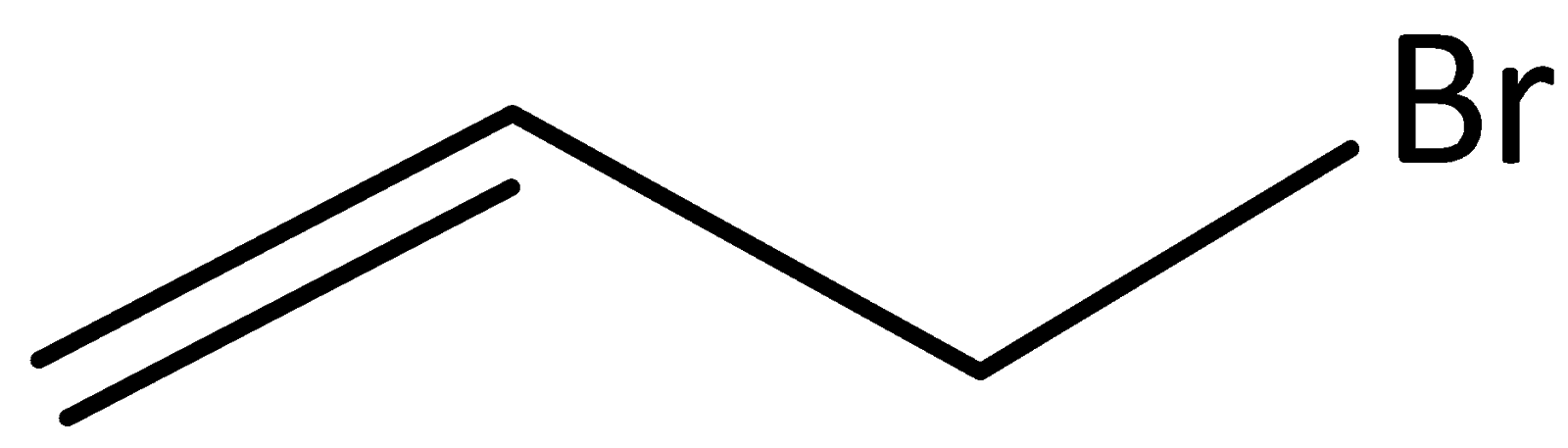
D. All
Answer
 Verified
619.5k+ views
Hint: We know that the inversion of a chiral center in a molecule in a chemical reaction is called Walden inversion. A molecule will form two enantiomers around a chiral center; the Walden inversion converts the configuration of the molecule from one enantiomeric form to the opposite.
Complete step by step answer: Walden inversion:
Inversion of the configuration of one optically active compound into another may or may not lead to a change in the direction of optical rotation and that may be of either of two general types. In $S{N_2}$ reaction, Walden inversion occurs at a tetrahedral carbon atom.
From the above given option, option A is optically active because it has chiral carbon, and will have Walden inversion.
So, the correct answer is “Option A”.
Additional Information: We see what is chirality and enantiomer.
- Chirality:
A molecule or ion is called chiral only when there is no superimposable mirror image and there is no plane of symmetry in the molecule. This property is known as chirality.
- Conditions for optical activity:
The molecule should posse's asymmetric central atom (chiral atom).
There should be no plane of symmetry or axis.
The molecule should have a non-superimposable mirror image.
- Enantiomers:
The compounds which are mirror images but are not identical; to each other are called enantiomers.
Note: We must remember that if the molecular composition is preserved during the reaction then it is referred to as retention of configuration. Inversion means the mechanism in which the structure of the molecules is changed during the reaction. The result is thus of the opposite enantiomeric form relative to the reactant.
Complete step by step answer: Walden inversion:
Inversion of the configuration of one optically active compound into another may or may not lead to a change in the direction of optical rotation and that may be of either of two general types. In $S{N_2}$ reaction, Walden inversion occurs at a tetrahedral carbon atom.
From the above given option, option A is optically active because it has chiral carbon, and will have Walden inversion.
So, the correct answer is “Option A”.
Additional Information: We see what is chirality and enantiomer.
- Chirality:
A molecule or ion is called chiral only when there is no superimposable mirror image and there is no plane of symmetry in the molecule. This property is known as chirality.
- Conditions for optical activity:
The molecule should posse's asymmetric central atom (chiral atom).
There should be no plane of symmetry or axis.
The molecule should have a non-superimposable mirror image.
- Enantiomers:
The compounds which are mirror images but are not identical; to each other are called enantiomers.
Note: We must remember that if the molecular composition is preserved during the reaction then it is referred to as retention of configuration. Inversion means the mechanism in which the structure of the molecules is changed during the reaction. The result is thus of the opposite enantiomeric form relative to the reactant.
Recently Updated Pages
Master Class 12 Economics: Engaging Questions & Answers for Success

Master Class 12 English: Engaging Questions & Answers for Success
Master Class 12 Social Science: Engaging Questions & Answers for Success
Master Class 12 Maths: Engaging Questions & Answers for Success
Master Class 12 Physics: Engaging Questions & Answers for Success
Master Class 9 General Knowledge: Engaging Questions & Answers for Success
Trending doubts
Which are the Top 10 Largest Countries of the World?
Draw a labelled sketch of the human eye class 12 physics CBSE
Differentiate between homogeneous and heterogeneous class 12 chemistry CBSE
Why is the cell called the structural and functional class 12 biology CBSE
Draw ray diagrams each showing i myopic eye and ii class 12 physics CBSE
Which is the correct genotypic ratio of mendel dihybrid class 12 biology CBSE