




What is a female accessory duct?
Answer
 Verified
528.6k+ views
Hint: The female reproductive system is designed to serve a variety of purposes. It produces ova, which are egg cells that are necessary for reproduction. The system is set up to convey the ova to the fertilisation area. Along with the sperm, the egg fertilisation takes place in the Fallopian tubes. The next step for fertilised eggs is to implant in the uterine walls and begin the phases of pregnancy. To keep the reproductive cycle going, the female reproductive system is also engaged in the generation of female sex hormones.
Complete answer:
An accessory bile duct is a bile-transporting conduit that is considered superfluous or auxiliary to the biliary tree. It is classified as supravascular (superior to the gallbladder body) or sub vesicular (inferior to the gallbladder body) based on its location in relation to the gallbladder.
The reproductive organs, as well as auxiliary ducts and glands, make up the female reproductive system. The accessory ducts involved in the reproduction process are the oviduct, uterus, and vagina. The oviduct is the location where the egg and sperm are fertilised. The uterus is where the embryo is implanted, and the vaginal canal is where the baby is born.
The secretion of numerous fluids and hormones is handled by the accessory glands and ducts.
During ejaculation, the male accessory ducts store spermatozoa and convey them outside the urethra.
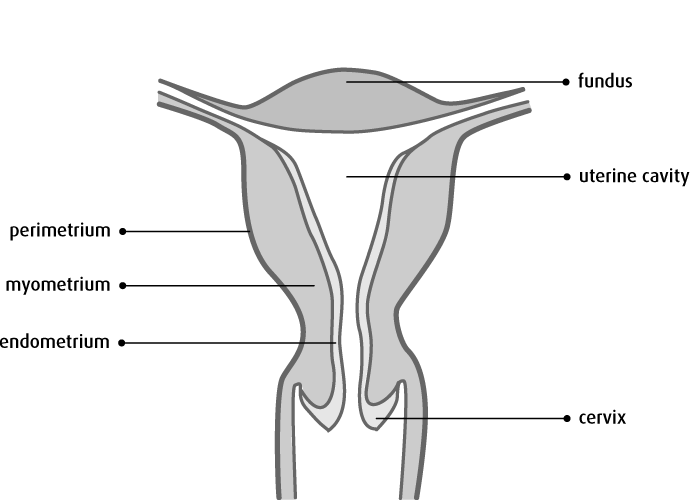
Perimetrium, myometrium, and endometrium are the three layers of the uterus. Mons pubis, labia majora, labia minora, hymen, and clitoris are all parts of the female external genitalia. One of the female secondary sexual features is the mammary glands.
Note:
During ejaculation, the male accessory ducts (vasa efferentia, epididymis, vas deferens, and rete testis) store and transfer spermatozoa beyond the urethra. Seminal vesicles, prostate glands, and bulbourethral glands are male accessory glands that give seminal plasma to sperm. Seminal vesicle secretion contributes alkaline pH, fructose, mucus, and coagulating and local acting enzymes to seminal plasma. Prostate gland secretions makeup thirty percent of plasma and contain citrate, calcium, and prostate-specific antigen, a proteolytic enzyme. Cowper gland secretion contributes only a little amount of volume.
Complete answer:
An accessory bile duct is a bile-transporting conduit that is considered superfluous or auxiliary to the biliary tree. It is classified as supravascular (superior to the gallbladder body) or sub vesicular (inferior to the gallbladder body) based on its location in relation to the gallbladder.
The reproductive organs, as well as auxiliary ducts and glands, make up the female reproductive system. The accessory ducts involved in the reproduction process are the oviduct, uterus, and vagina. The oviduct is the location where the egg and sperm are fertilised. The uterus is where the embryo is implanted, and the vaginal canal is where the baby is born.
The secretion of numerous fluids and hormones is handled by the accessory glands and ducts.
During ejaculation, the male accessory ducts store spermatozoa and convey them outside the urethra.
Perimetrium, myometrium, and endometrium are the three layers of the uterus. Mons pubis, labia majora, labia minora, hymen, and clitoris are all parts of the female external genitalia. One of the female secondary sexual features is the mammary glands.
Note:
During ejaculation, the male accessory ducts (vasa efferentia, epididymis, vas deferens, and rete testis) store and transfer spermatozoa beyond the urethra. Seminal vesicles, prostate glands, and bulbourethral glands are male accessory glands that give seminal plasma to sperm. Seminal vesicle secretion contributes alkaline pH, fructose, mucus, and coagulating and local acting enzymes to seminal plasma. Prostate gland secretions makeup thirty percent of plasma and contain citrate, calcium, and prostate-specific antigen, a proteolytic enzyme. Cowper gland secretion contributes only a little amount of volume.
Recently Updated Pages
Master Class 12 Business Studies: Engaging Questions & Answers for Success

Master Class 12 Biology: Engaging Questions & Answers for Success
Master Class 12 Chemistry: Engaging Questions & Answers for Success
Class 12 Question and Answer - Your Ultimate Solutions Guide
Master Class 11 Social Science: Engaging Questions & Answers for Success
Master Class 11 English: Engaging Questions & Answers for Success
Trending doubts
Which is more stable and why class 12 chemistry CBSE
Which are the Top 10 Largest Countries of the World?
Draw a labelled sketch of the human eye class 12 physics CBSE
Differentiate between homogeneous and heterogeneous class 12 chemistry CBSE
What are the major means of transport Explain each class 12 social science CBSE
Sulphuric acid is known as the king of acids State class 12 chemistry CBSE